Himalayan Cardamom
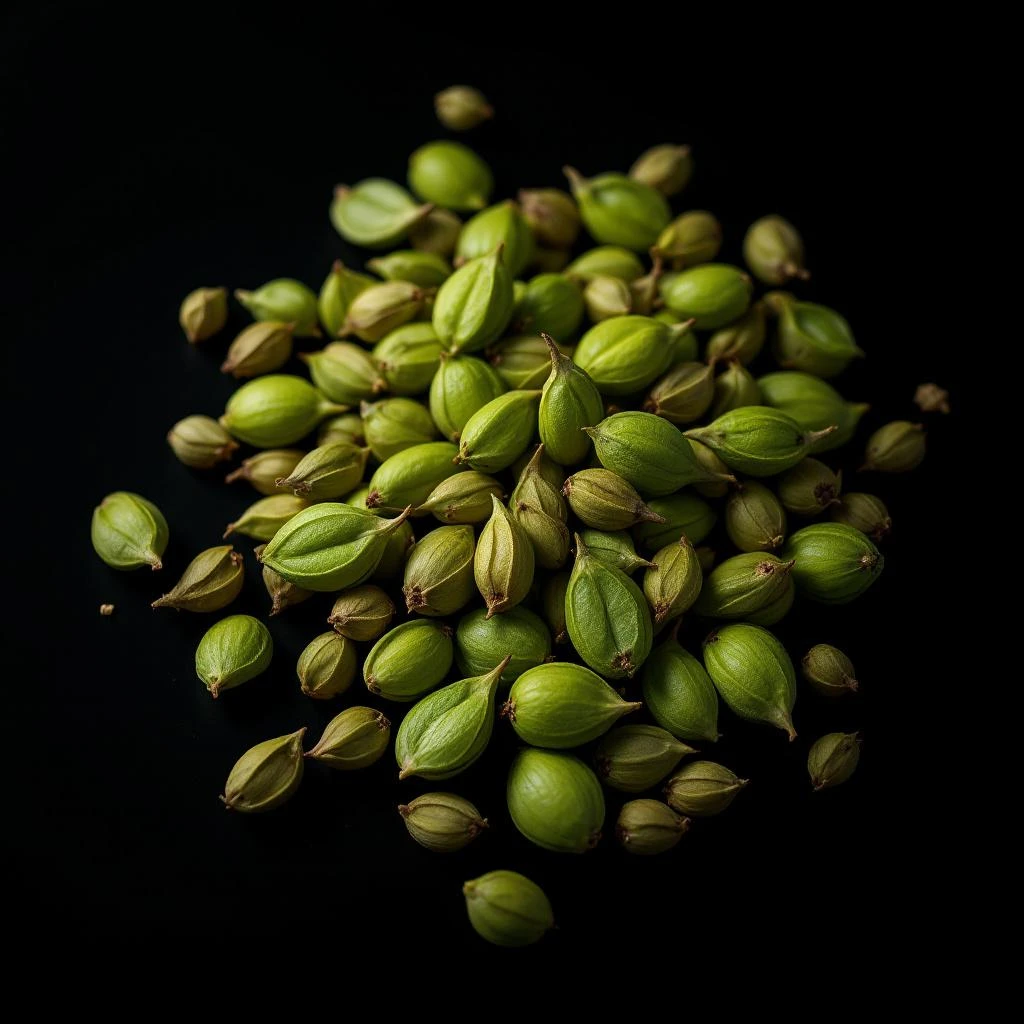
Himalayan cardamom, primarily black cardamom (Amomum subulatum), grows in the misty eastern slopes of Nepal, Sikkim, and Bhutan. Its large dark pods yield a bold, smoky-camphoraceous oil that perfumers prize for adding depth and mystery to fragrance compositions.
Character
How it smells
Bold mountain spice with smoky, camphoraceous depth.
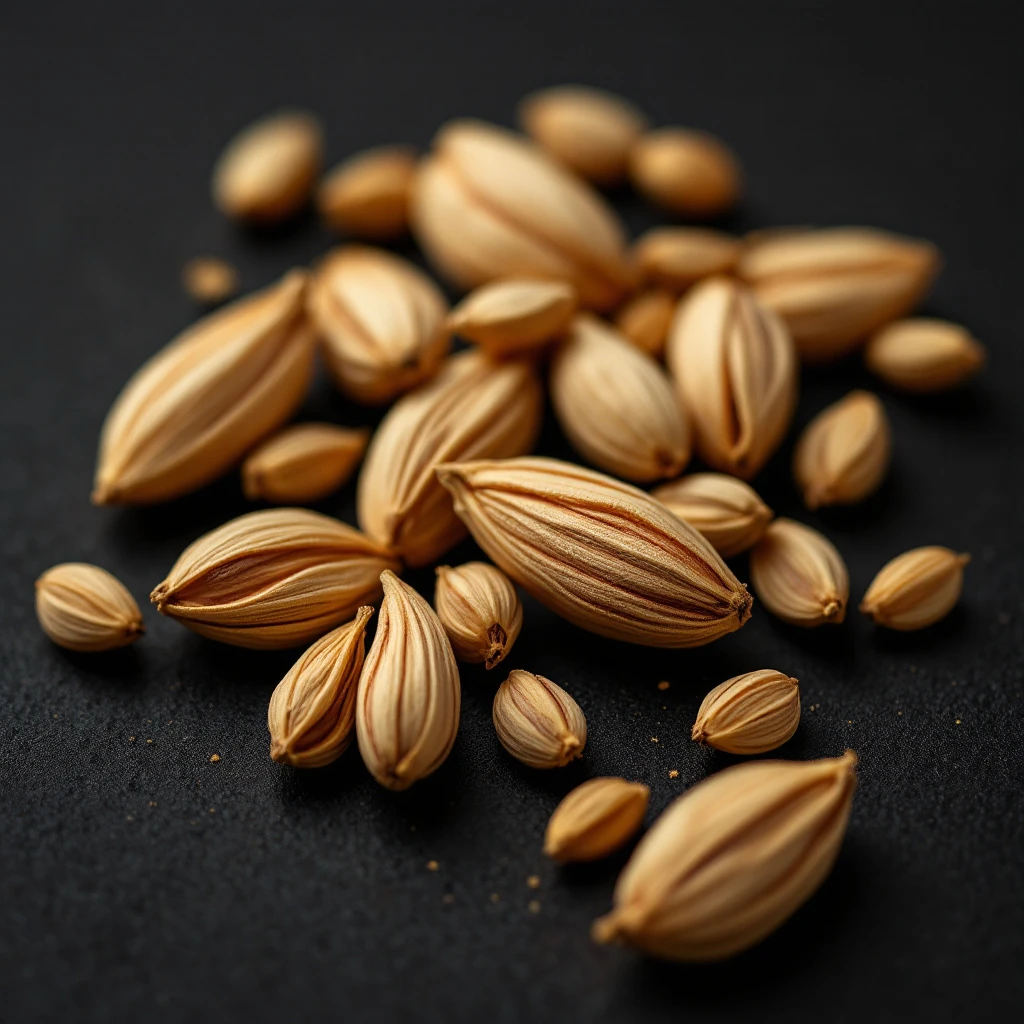
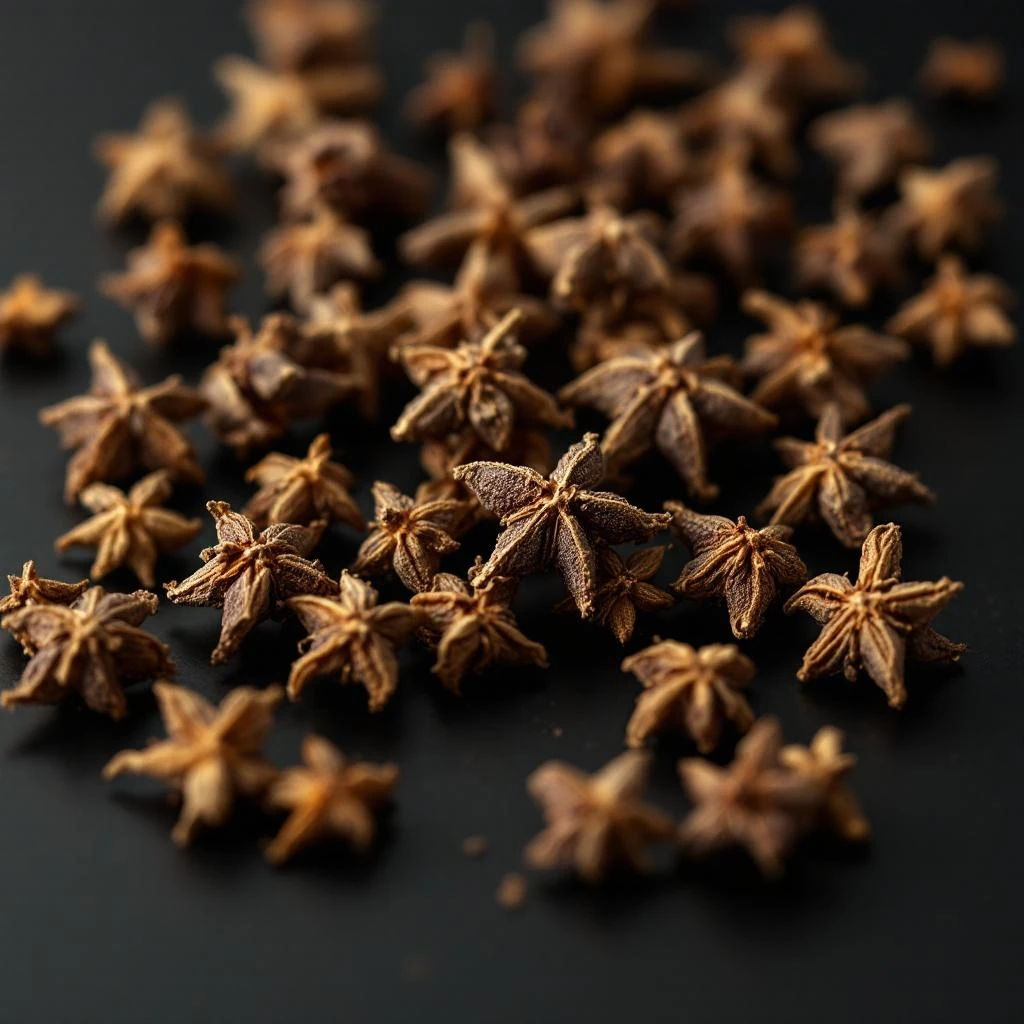
Black cardamom pods are often dried over open wood fires, absorbing a distinctive smoky note directly into the spice before distillation.


Origin
India
Black cardamom has grown wild in the eastern Himalayas for millennia, thriving at elevations between 1,000 and 2,500 meters in Sikkim, Nepal, and Bhutan. Local communities traditionally used it for digestive remedies and to flavor meat dishes in high-altitude cooking.
The spice remained relatively unknown to Western perfumers until the late 20th century, when adventurous fragrance houses began exploring unusual ingredients to differentiate their compositions. Ancient Ayurvedic texts mention cardamom varieties, though green cardamom dominated historical trade routes.
The smoky, robust character of Himalayan black cardamom now features in sophisticated woody and aromatic fragrances, offering perfumers an alternative to the sweeter green variety. Its journey from remote mountain forests to luxury perfume bottles reflects a broader industry appreciation for ingredients with authentic terroir.
Wears it best
Fragrances featuring Himalayan Cardamom
Brands
Brands known for Himalayan Cardamom
Good to know
Questions, answered
The essentials on Himalayan Cardamom in perfumery: how it smells, where it comes from, and how it behaves on skin.
What does Himalayan cardamom smell like?
Himalayan black cardamom delivers a bold, smoky aroma with camphoraceous and slightly mentholated qualities. It lacks the sweet citrus notes of green cardamom, instead offering deeper, more medicinal characteristics that perfumers use to add intensity.
Where does Himalayan cardamom grow?
Black cardamom grows wild in the eastern Himalayas across Sikkim, Nepal, and Bhutan at elevations between 1,000 and 2,500 meters. The cool, misty climate produces pods with higher aromatic intensity than lower-altitude varieties.
How is cardamom essential oil extracted?
Steam distillation extracts oil from dried, crushed black cardamom pods. This method preserves the volatile compounds including 1,8-cineole and limonene that create its distinctive camphoraceous scent profile.
Is Himalayan cardamom used in luxury perfumery?
Yes, niche and high-end fragrance houses increasingly incorporate Himalayan cardamom oil into woody, aromatic, and oriental compositions. Its smoky depth adds complexity that distinguishes premium fragrances from mass-market alternatives.
How does black cardamom differ from green cardamom in perfumery?
Black cardamom oil offers smokier, more medicinal notes while green cardamom provides sweeter, more citrusy warmth. Perfumers often use them interchangeably depending on whether a fragrance requires fresh spice or deep, smoky intensity.
What fragrance families feature cardamom?
Aromatic, woody, and oriental fragrances most commonly feature cardamom. It pairs particularly well with bergamot, cedarwood, oud, and ambery notes, adding spicy warmth that rounds sharp top notes.
Is cardamom oil natural or synthetic?
Quality cardamom oil is naturally steam-distilled from plant material. Synthetic cardamom aroma compounds exist for cost-sensitive applications, but natural oil retains the complex profile that sophisticated fragrances require.
Why is Himalayan cardamom considered rare in perfumery?
Limited growing regions, hand-harvesting requirements, and low oil yield per kilogram of pods make Himalayan cardamom oil scarce. Approximately 50-60 kilograms of dried pods produce just one kilogram of essential oil.