Helianthemum
Helianthemum, or rock rose, delivers a warm amber-resin profile that evokes sun-baked Mediterranean hillsides. This botanical absolute adds depth and natural elegance to fragrance compositions seeking an authentic, earthy warmth.
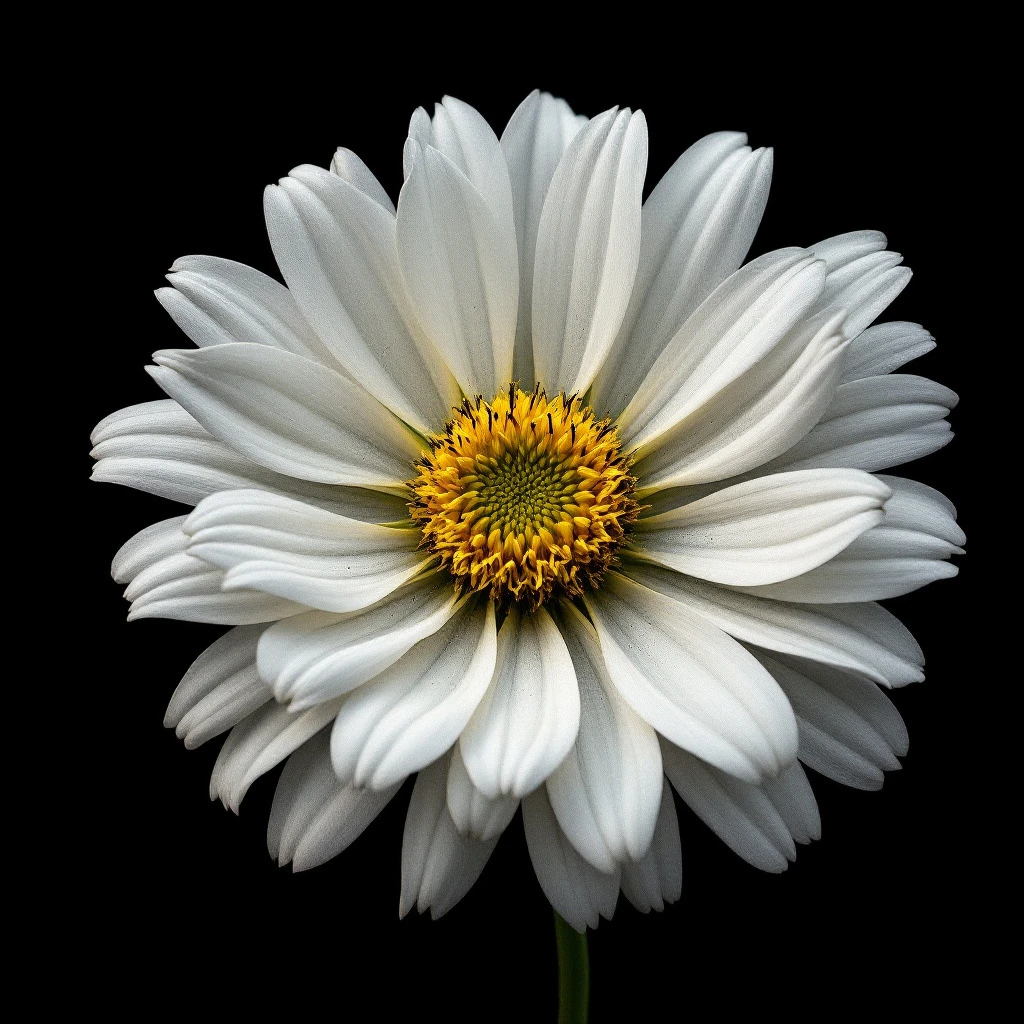
Character
How it smells
Mediterranean warmth in botanical form
The genus name combines Greek words for sun and flower, referencing how blooms open fully in direct sunlight.




Origin
France
Helianthemum has grown wild across Mediterranean Europe for centuries, thriving in rocky calcareous soils where other plants struggle. Ancient Mediterranean cultures valued the plant primarily for its ornamental beauty and hardiness rather than fragrance applications. Traditional herbalists employed various Helianthemum species for their reported calming properties.
The perfumery industry began exploring this botanical material more systematically during the 20th century shift toward natural aromatics. Today, sustainable wildcrafting and small-scale cultivation supply the niche natural perfumery market, where the material serves as an alternative to the more established labdanum.
Wears it best
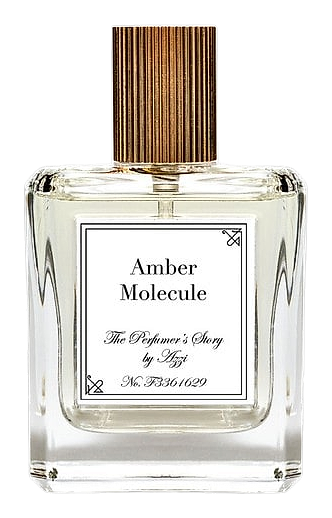
Fragrances featuring Helianthemum
Brands
Brands known for Helianthemum
Good to know
Questions, answered
The essentials on Helianthemum in perfumery: how it smells, where it comes from, and how it behaves on skin.
What does Helianthemum smell like?
Helianthemum absolute presents warm amber-resin notes with subtle herbaceous undertones and a faint honey-like sweetness. The scent profile evokes sun-dried Mediterranean botanicals with an earthy, grounding character.
Is Helianthemum a natural or synthetic ingredient?
Helianthemum is a natural ingredient obtained through solvent extraction of the flowering plant. The material originates from cultivated or sustainably wildcrafted sources in Mediterranean Europe.
Which perfumes commonly feature Helianthemum?
Helianthemum appears in niche natural perfumes emphasizing botanical authenticity, particularly those aiming for warm amber or chypre-style compositions. The ingredient suits eco-conscious fragrance lines focused on natural materials.
How is Helianthemum absolute different from labdanum?
Both derive from Mediterranean Cistaceae family plants and share resinous warmth, but labdanum carries stronger leathery tobacco character while Helianthemum offers a gentler, more floral-amber quality with less intensity.
Does Helianthemum have any traditional uses beyond perfumery?
Traditional European herbalism used Helianthemum species for their reported soothing properties. The plant also held ornamental value in gardens, prized for its resilience and bright flowers.
What concentration of Helianthemum is typically used in fragrance formulations?
Formulators typically employ Helianthemum absolute at low concentrations, usually below 2% in fragrance concentrates, due to its powerful aromatic profile and to maintain blend balance.
Why is Helianthemum considered a niche perfumery ingredient?
Limited supply from specific Mediterranean growing regions and extraction complexity restrict availability. The material serves perfumers seeking distinctive natural notes rather than mainstream aromatic profiles.
What fragrance families pair well with Helianthemum?
Helianthemum complements amber, chypre, fougere, and woody fragrance families. It pairs effectively with cistus, oakmoss, and warm spice notes to create complex natural compositions.



