Hawaiian Coconut
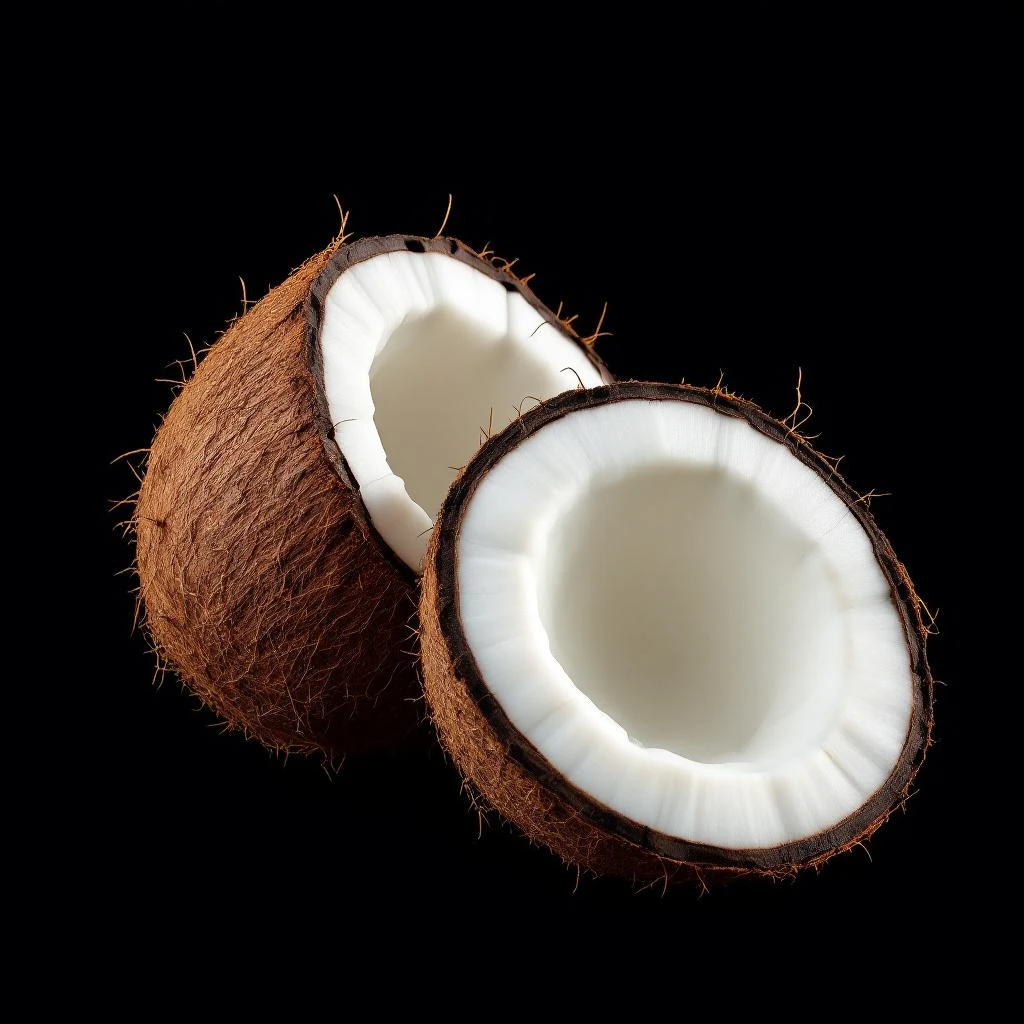
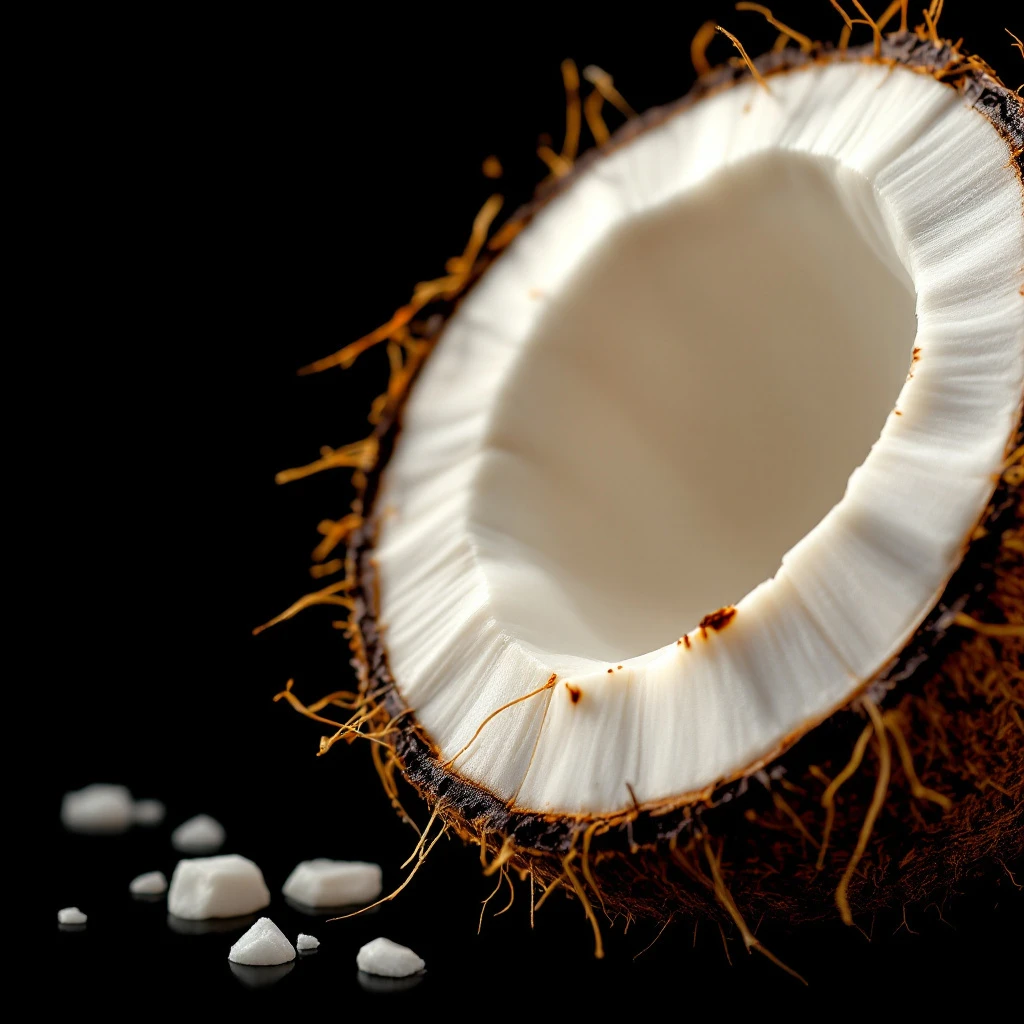
Hawaiian Coconut brings creamy, tropical warmth to a fragrance, balancing the sweet scent of ripe coconut flesh with a subtle saline edge reminiscent of coastal air.
Character
How it smells
Creamy tropical warmth with a coastal edge
Coconut oil is pressed from the kernel of Cocos nucifera, the only living species of coconut palm.
Pairs beautifully with
Origin
Indonesia
Coconut has long scented oils, foods, and cosmetics across tropical regions, but its place in modern perfumery reflects the expansion of natural ingredient extraction in the late 19th century. François Coty helped popularize absolutes produced through volatile solvent extraction, a method that made heavier plant materials more accessible to perfumers. Coconut absolute later became a familiar tropical note in fine fragrance and personal care products.
Its history also connects to the broader story of synthesized fragrance materials, which developed alongside natural extracts and offered alternatives when agricultural supply varied. Today, coconut appears as both a natural ingredient and a carefully constructed olfactory effect. The plant, Cocos nucifera, belongs to the palm family and grows widely in humid tropical climates.
Its characteristic creamy sweetness comes largely from lactonic compounds, including gamma-undecalactone, which also occurs in other ripe fruits. Silloria's ingredient profile traces this material from tropical origin through extraction, formulation, and the enduring popularity of coconut in warm-weather fragrances.
Wears it best
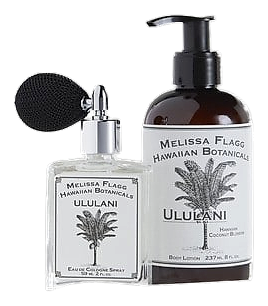
Fragrances featuring Hawaiian Coconut
Brands
Brands known for Hawaiian Coconut
Good to know
Questions, answered
The essentials on Hawaiian Coconut in perfumery: how it smells, where it comes from, and how it behaves on skin.
What does Hawaiian Coconut smell like in perfumery?
It reads as creamy and sweet, like ripe coconut flesh, with a gentle salty edge that suggests tropical coastal air. One specific detail: the note's coconut character comes largely from lactonic compounds such as gamma-undecalactone.
Is coconut an essential oil?
Not usually. Coconut is primarily expressed as a pressed oil or extracted as an absolute and isolate. Source research identifies solvent-extracted coconut absolute as the preferred form for perfume production.
How is coconut extracted for fragrance use?
Cold pressing produces fragrant coconut oil, while solvent extraction yields a richer absolute. Natural isolates and synthetic reproductions provide lighter or more consistent alternatives, with gamma-undecalactone serving as a key creamy building block.
Where does Hawaiian Coconut come from?
Cocos nucifera grows widely across the tropics, and Indonesia leads global coconut production. The plant flourishes in humid climates with saline coastal soils, which shape its distinctive profile.
Why does coconut smell slightly salty?
The same fat-derived lactones that create coconut's creamy sweetness also carry subtle saline notes. One specific point: gamma-undecalactone contributes both a milky fruitiness and a faint coconut-like saltiness.
Is natural coconut oil better than synthetic coconut in a perfume?
Neither is universally better. Natural oil and absolute bring richer, fuller texture, while synthetic materials offer consistency, stability, and a lighter coconut effect suited to certain formulations.
Which fragrance notes pair well with Hawaiian Coconut?
Vanilla, tonka, sandalwood, and amber extend its creamy warmth, while citrus and marine accords sharpen its coastal character. One pairing to note: coconut with neroli creates a bright tropical contrast.
When did coconut become a popular perfume ingredient?
Coconut gained wider perfumery use alongside the development of solvent-extracted absolutes in the late 19th century. François Coty's promotion of these extracts helped make heavier tropical materials more accessible to perfumers.