Hawaiian Baby Woodrose
A climbing vine from the Indian subcontinent with large trumpet-shaped flowers, whose seeds carry centuries of ritual and medicinal significance across Hawaii, South America, and Ayurvedic tradition.
Character
How it smells
A rare botanical with deep ritual roots
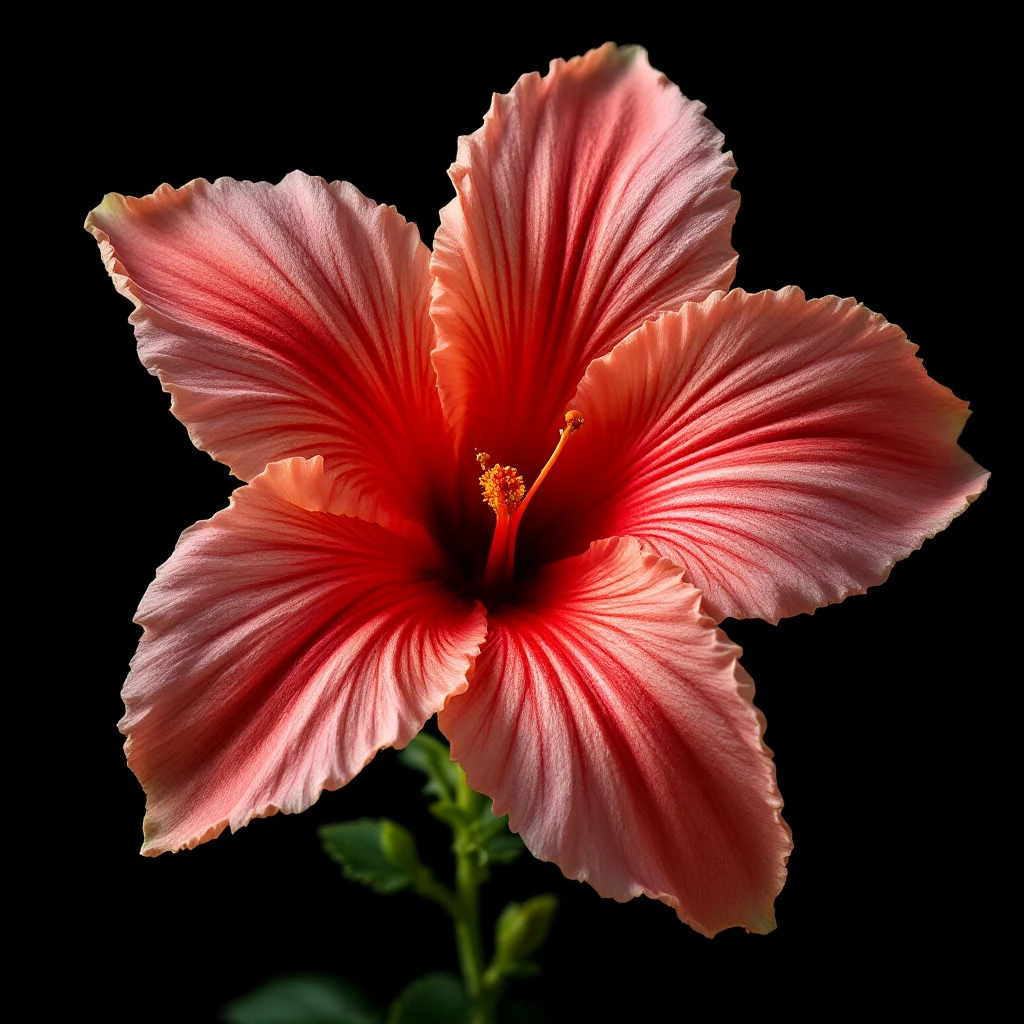
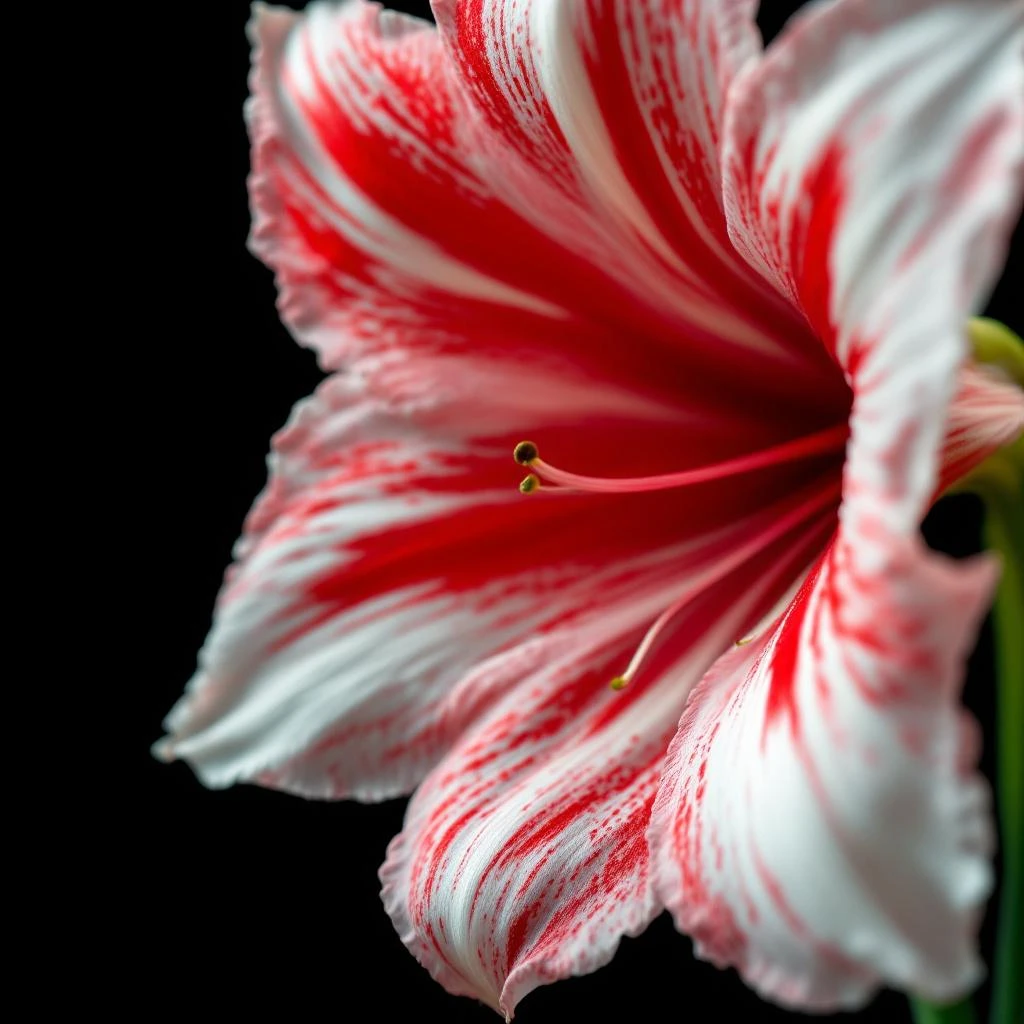
Despite its name, this plant is not a rose at all but a morning glory relative native to India, naturalized across Hawaii and Florida.



Origin
India
Argyreia nervosa originated on the Indian subcontinent, where Ayurveda utilized the plant for various traditional preparations. The species traveled to Hawaii, where its seeds became incorporated into religious ceremonies by indigenous communities.
South American traditions also embraced the plant for ceremonial purposes. Despite the tropical associations in its common name, the botanical heritage traces firmly to India and surrounding regions.
The plant gained broader attention in the late twentieth century when its seeds appeared in smart shops across Europe as a legal alternative to restricted substances. Contemporary interest remains niche, primarily among those exploring unconventional botanical materials for perfumery experimentation.
Wears it best
Fragrances featuring Hawaiian Baby Woodrose
Brands
Brands known for Hawaiian Baby Woodrose
Good to know
Questions, answered
The essentials on Hawaiian Baby Woodrose in perfumery: how it smells, where it comes from, and how it behaves on skin.
Is Hawaiian Baby Woodrose commonly used in perfumery?
No. Hawaiian Baby Woodrose does not appear in mainstream perfumery as an aromatic ingredient. It remains uncommon and unconventional, valued more for its botanical rarity and cultural history than for documented scent applications in fragrance creation.
What part of the Hawaiian Baby Woodrose is used?
The seeds serve as the primary material. These seeds develop within large woody capsules produced by the climbing vine after flowering. The trumpet-shaped flowers themselves are not typically processed for fragrance use.
Where does Hawaiian Baby Woodrose originate?
Despite its tropical common name, Argyreia nervosa originated on the Indian subcontinent, particularly in India. The plant has since naturalized across Hawaii, Florida, and California, but its botanical roots remain firmly South Asian.
Does Hawaiian Baby Woodrose occur naturally or is it synthetic?
Hawaiian Baby Woodrose is entirely natural, derived from the seeds of the climbing vine Argyreia nervosa. No synthetic equivalent exists in fragrance applications. The plant grows as a perennial vine with large heart-shaped leaves and distinctive trumpet flowers.
What safety considerations exist with this ingredient?
The seeds contain ergot alkaloids including lysergic acid amide, compounds with pharmacological activity. Responsible perfumery use requires awareness of these properties. Those creating botanical extracts should handle seeds with care and research applicable regulations in their region.
What does Hawaiian Baby Woodrose smell like?
No documented aromatic profile exists for this material in perfumery literature. Unlike rose or sandalwood with centuries of olfactory documentation, Hawaiian Baby Woodrose lacks established fragrance characteristics. Those exploring it do so without traditional scent guidance.
How is this ingredient sourced for perfumery?
Seeds are harvested from cultivated or wild-grown vines in regions where Argyreia nervosa thrives, primarily Hawaii, Florida, California, and the Indian subcontinent. Extraction involves solvent-based methods to isolate botanical compounds rather than produce aromatic extracts.
Why would a perfumer consider this unusual ingredient?
Some perfumers seek unconventional botanicals that carry cultural depth and rarity. Hawaiian Baby Woodrose offers historical significance through its ceremonial use and Ayurvedic connections, appealing to those creating narrative-driven fragrances with botanical curiosity.




