Halva
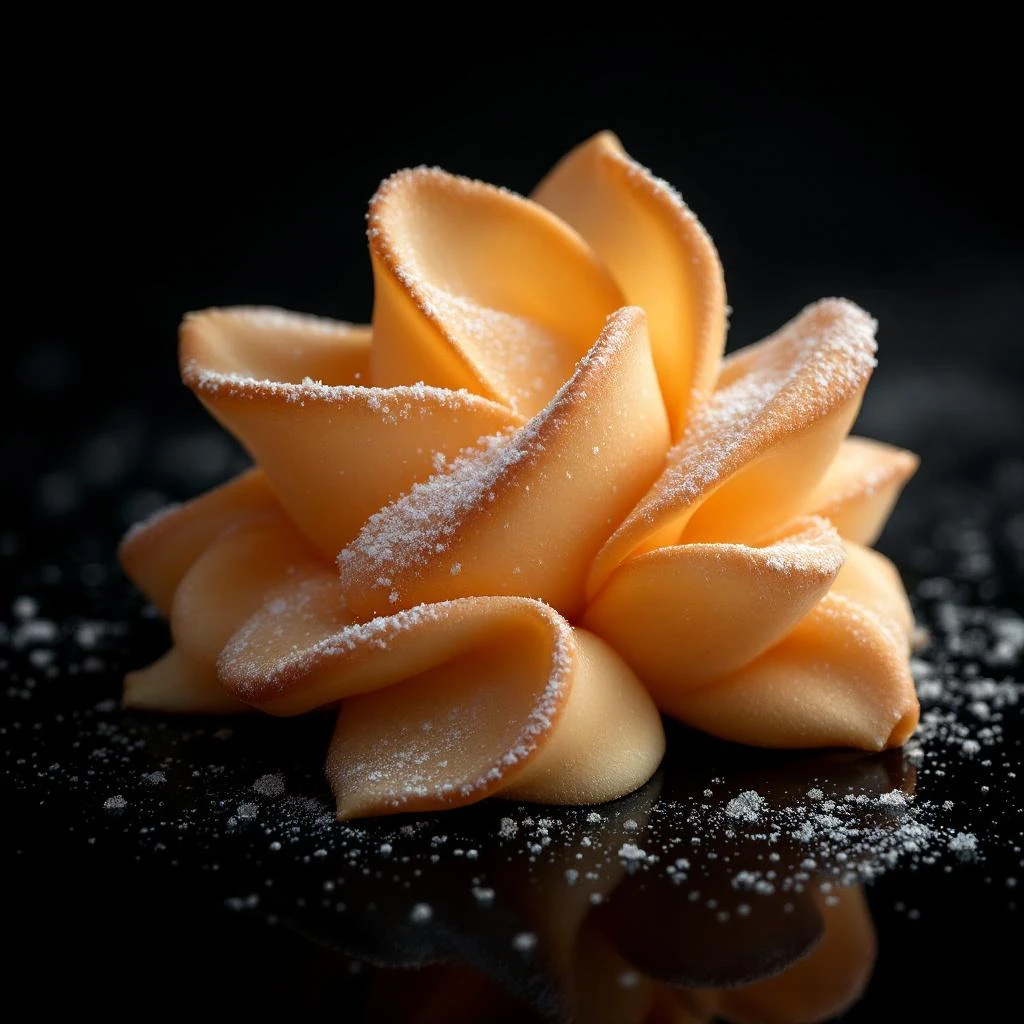
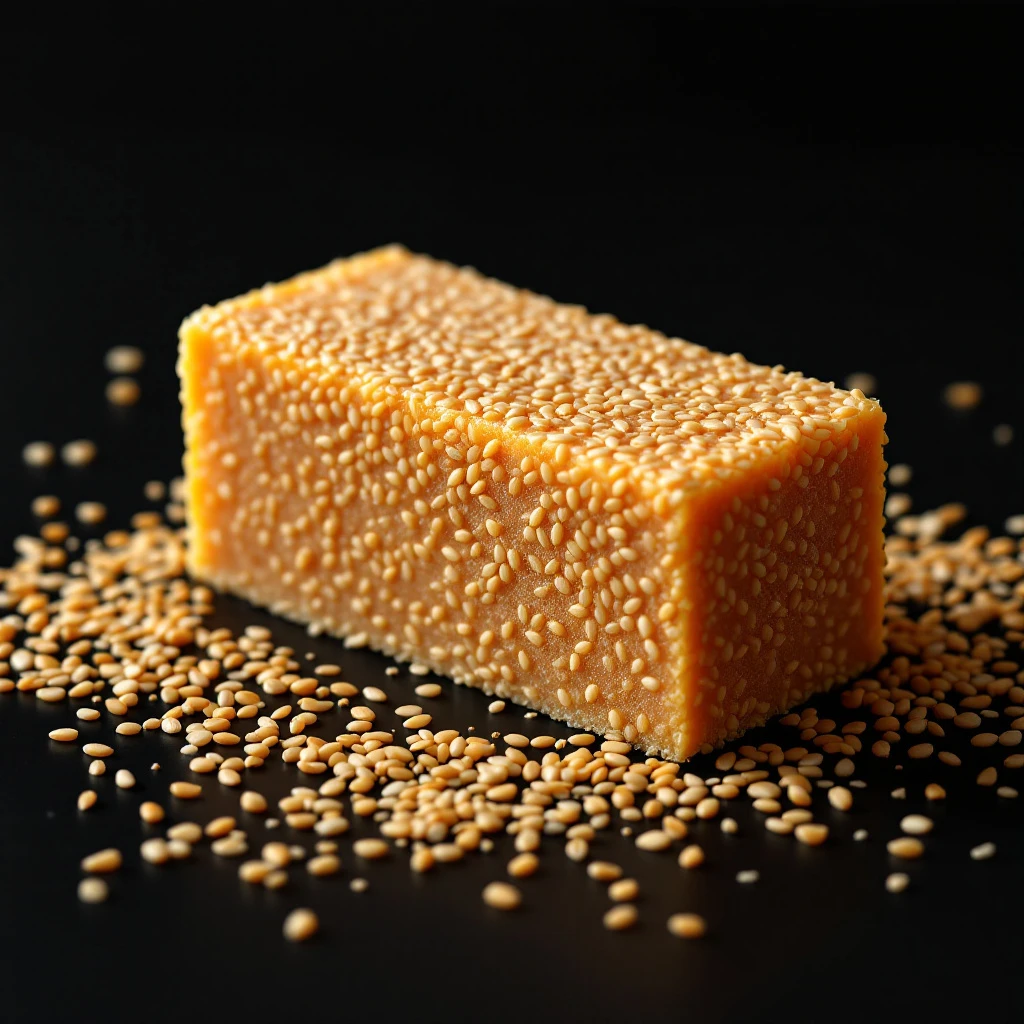
The sweet, nutty warmth of tahini-based confection reimagined as a fragrance note. Perfumers blend aromatic compounds to capture halva's toasted sesame richness, honeyed sweetness, and subtle bitter depth.
Character
How it smells
Warm sesame sweetness in a bottle.
Traditional halva has been made for over 1,000 years across the Middle East, from ancient Persian bazaars to Ottoman imperial courts.




Origin
Turkey
The word halva derives from the Arabic 'hilwa', meaning sweet, with roots in ancient Persian and Mesopotamian culinary traditions. Early versions appeared as far back as the 9th century, made from flour, honey, and pistachios rather than the tahini-based variety known today.
The Ottoman Empire spread halva across a vast territory, and each region developed its own interpretation. Greek pasteli, Turkish tahin helvası, and Indian halwa all trace lineage to this shared tradition.
Halva became embedded in cultural rituals as a symbol of hospitality, served during celebrations, religious observances, and moments of mourning alike. The confection's rich heritage across multiple civilizations makes it a compelling aromatic reference in modern perfumery, where it evokes warmth, comfort, and cross-cultural richness.
Wears it best
Fragrances featuring Halva

Brands
Brands known for Halva
Good to know
Questions, answered
The essentials on Halva in perfumery: how it smells, where it comes from, and how it behaves on skin.
What is a halva note in perfumery?
A halva note is a synthetic aromatic blend that captures the sweet, nutty character of tahini-based confectionery. It was developed specifically for oriental and gourmand fragrance families.
Is halva a natural fragrance ingredient?
Halva is not a natural material extracted from a plant. It is an aromatic reconstruction built from multiple aromatic compounds to mimic the warm, sweet, and nutty scent of real halva confection.
What aroma compounds create a halva note?
Perfumers combine toasted sesame aromatics, honey-like sweet facets, and subtle nutty bitter nuances to reconstruct halva's complex scent profile in fragrance compositions.
Which fragrance families use halva notes?
Halva notes appear most often in oriental, amber, and gourmand fragrance families. They pair naturally with ingredients like amber, vanilla, benzoin, oud, and saffron.
How does halva differ from other sweet notes like caramel or vanilla?
Halva carries a distinctive nutty depth from sesame that sets it apart from caramel's buttery sweetness or vanillas floral warmth. It adds an earthy, slightly bitter dimension that feels more complex.
What mood does a halva note create in a fragrance?
Halva notes evoke warmth, comfort, and indulgence. The combination of sweet and nutty elements feels cozy and familiar, often associated with hospitality and celebration across Middle Eastern cultures.
Can halva notes be combined with florals?
Yes. Halva pairs with rose, jasmine, and orange blossom to create tension between sweet and fresh facets. These combinations appear in many modern oriental fragrances.
When did perfumers start using halva as a fragrance concept?
Halva emerged as a named fragrance note in the late 20th century as oriental perfumery expanded. Its cultural richness and complex aroma made it a natural choice for creating distinctive warm fragrances.