Gurjun Wood
Found in the towering forests of Southeast Asia, Gurjun Wood yields a warm, resinous oil prized by perfumers for its rich, woody character. This lesser-known material brings quiet depth to fragrance compositions, anchoring blends with its balsamic warmth.
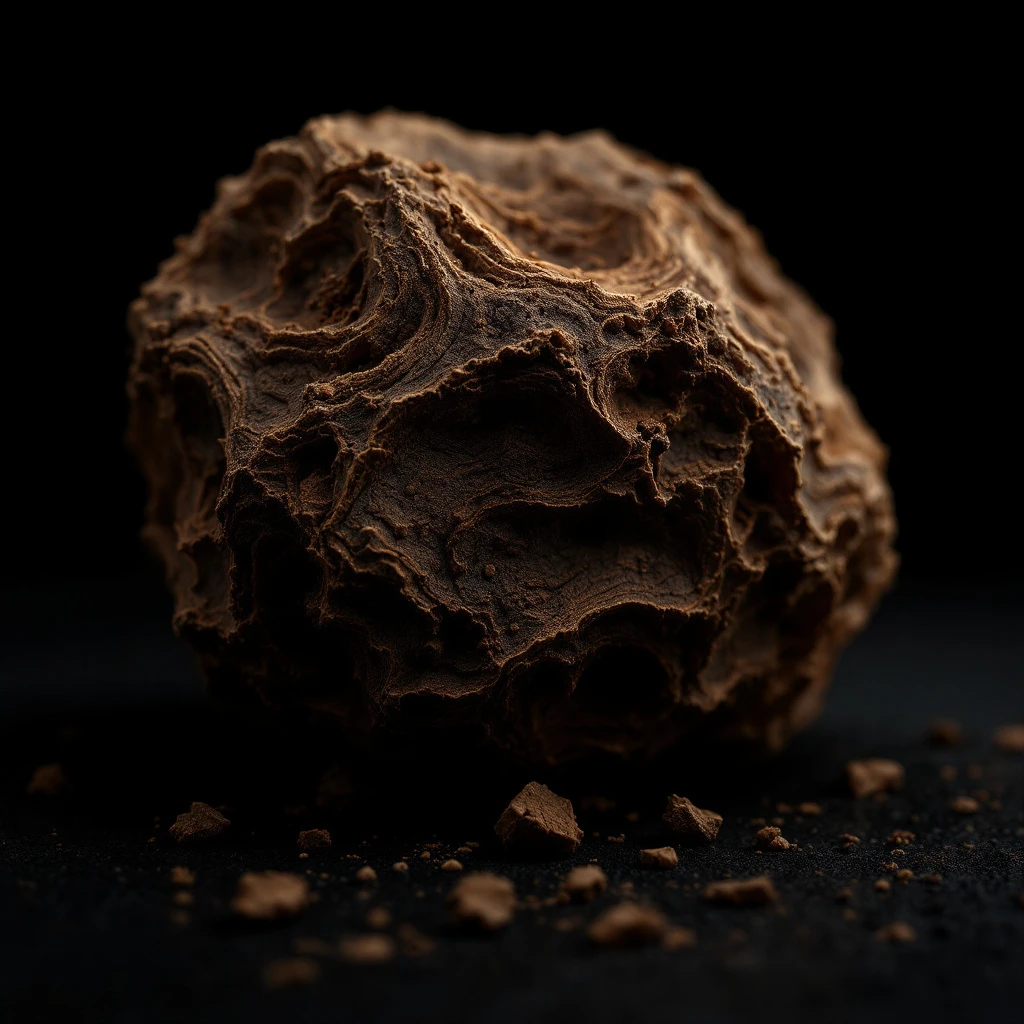
Character
How it smells
A hidden cornerstone of woody perfumery.
The Dipterocarpus tree can reach 50 meters tall, and Gurjun resin was once used as a waterproofing agent in traditional boat-building.
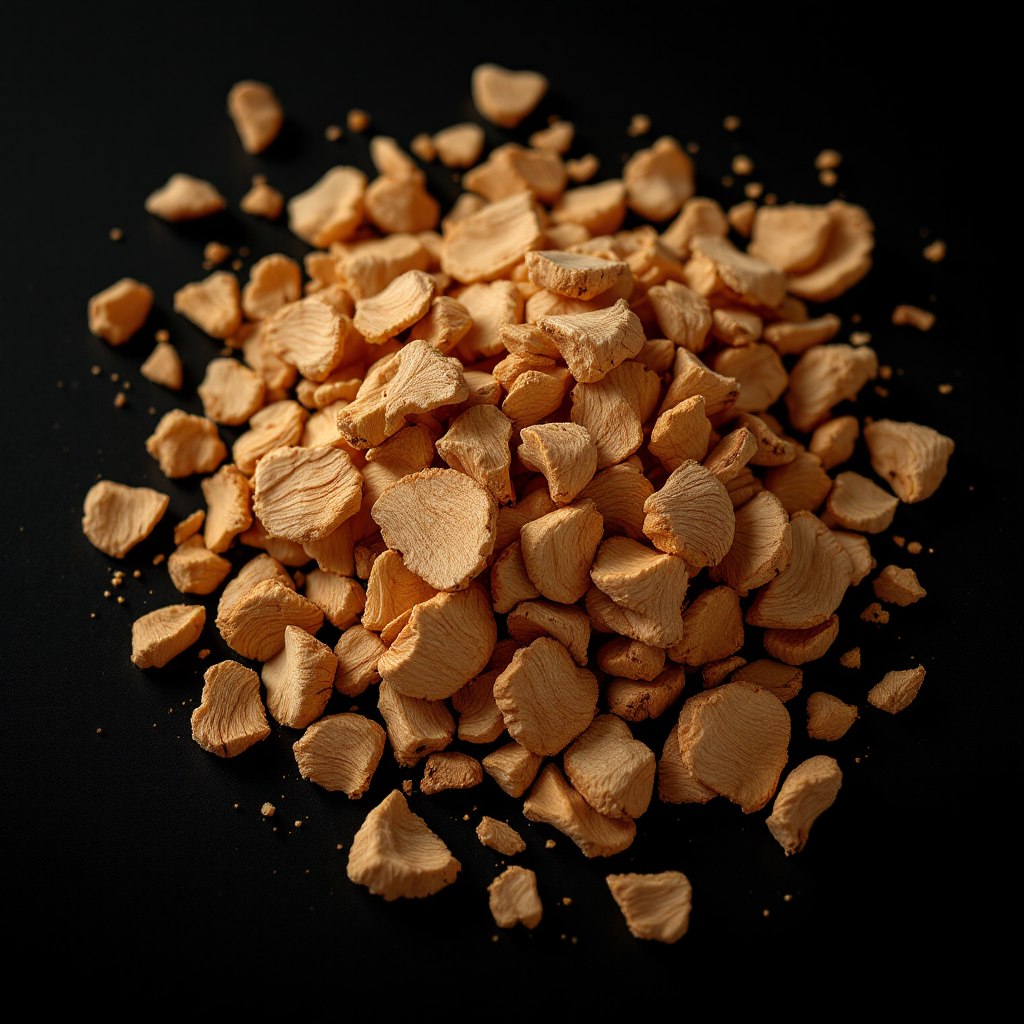



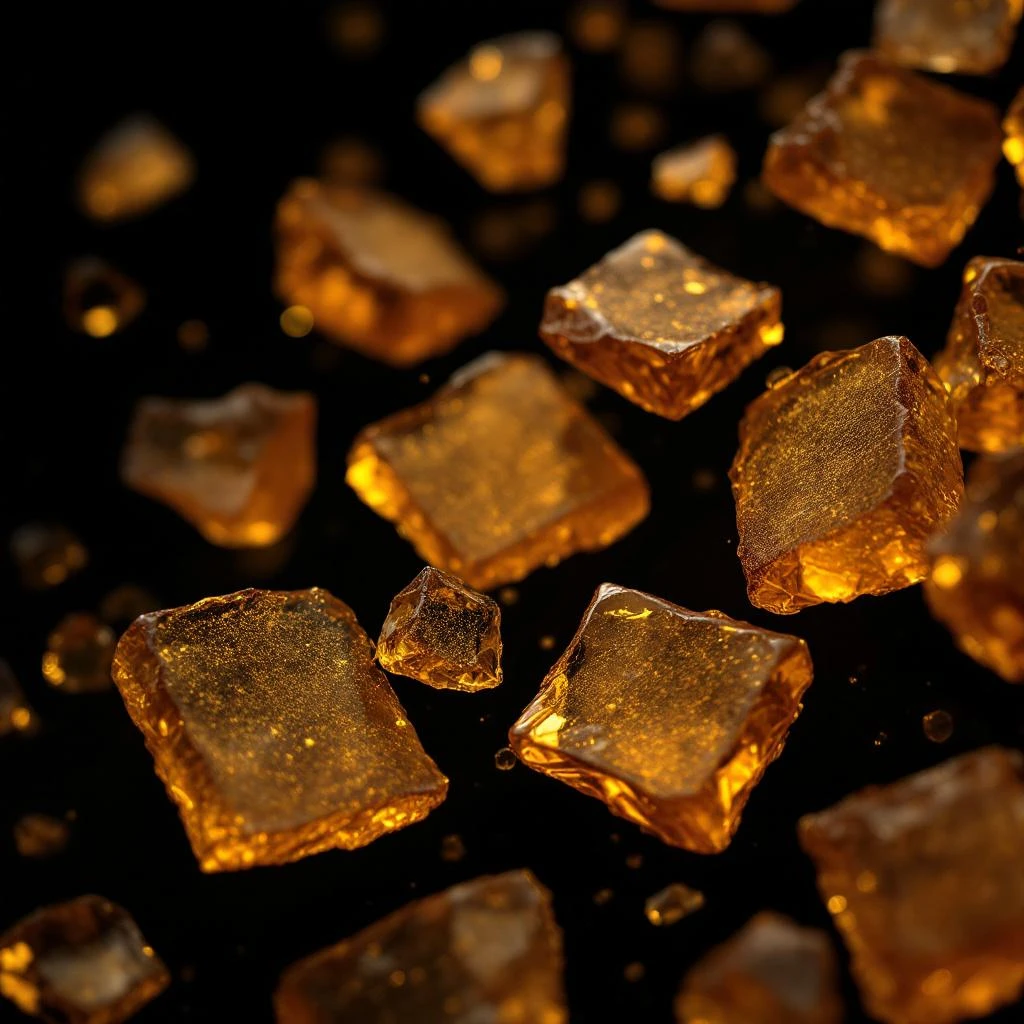
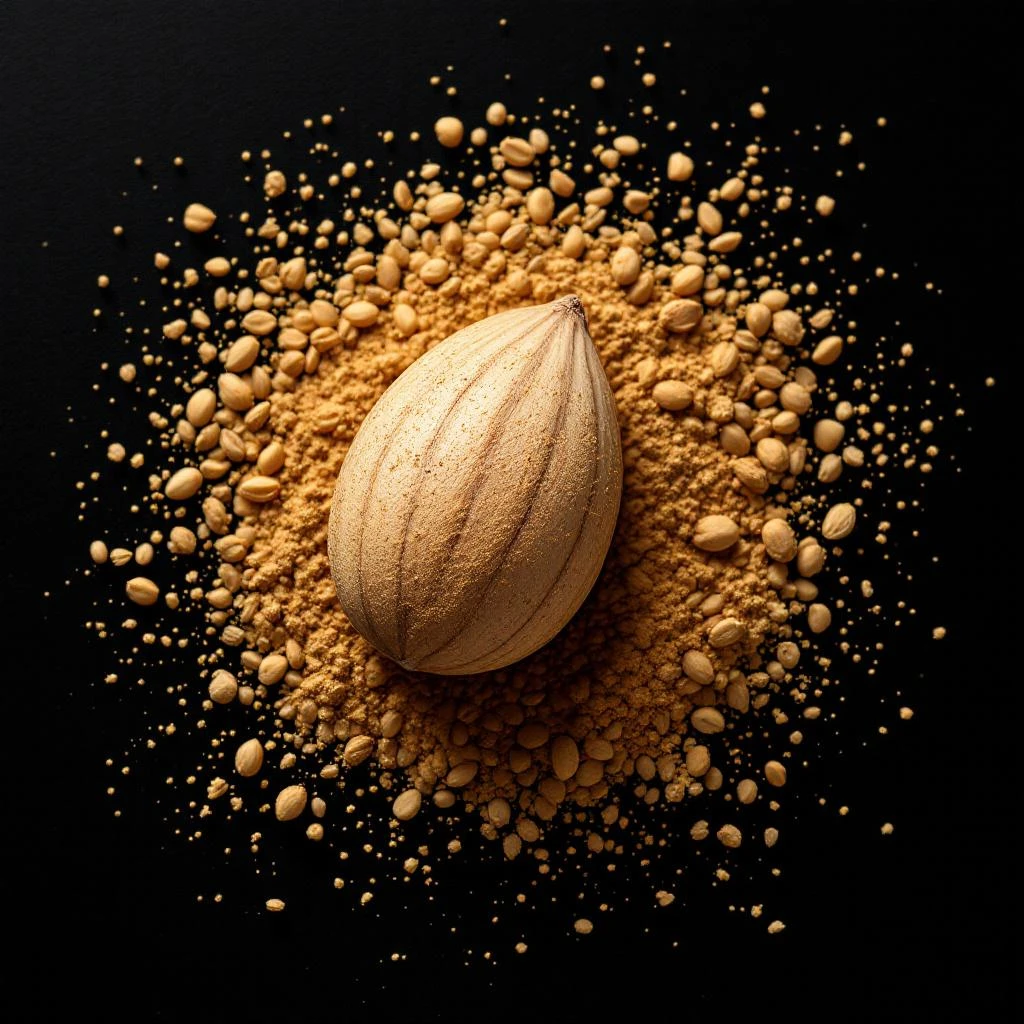



Origin
India
Gurjun Wood has long been woven into the cultural fabric of Southeast Asia. Communities across Myanmar, Thailand, Laos, and India's northeastern regions have harvested this resin for centuries.
Locally, the material served purposes ranging from traditional medicine to sacred incense. In colonial-era Burma, British administrators documented systematic harvesting operations, recognizing the commercial value of this aromatic resource.
The trade in Gurjun Balsam connected remote forest communities with wider markets, establishing a supply chain that persists today. While overshadowed by more famous materials like sandalwood and oud, Gurjun remains an important ingredient in traditional perfumery, particularly in Asian fragrance houses.
Wears it best
Fragrances featuring Gurjun Wood
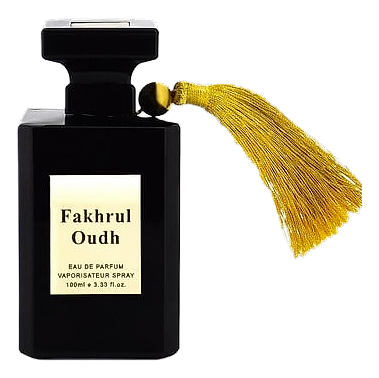
Brands
Brands known for Gurjun Wood
Good to know
Questions, answered
The essentials on Gurjun Wood in perfumery: how it smells, where it comes from, and how it behaves on skin.
What does Gurjun Wood smell like?
Gurjun Balsam offers a warm, woody scent with dry, camphoraceous top notes and a sweet balsamic base. Think dry wood shavings blended with a hint of resinous sweetness, creating an earthy foundation in fragrance blends.
Is Gurjun Wood a sustainable material?
Sustainability varies by source and harvesting method. Sustainable tapping practices allow resin collection without felling the tree, preserving the long-lived Dipterocarpus. Silloria partners with responsible suppliers who monitor harvest levels.
What fragrance families use Gurjun Wood?
Gurjun appears primarily in woody and oriental fragrance compositions. Perfumers value it as a base note and fixative, lending depth to sandalwood blends,chypre formulations, and leathery accords.
How is Gurjun Balsam harvested?
Harvesters make shallow incisions in the Dipterocarpus bark during the dry season. The tree secretes oleoresin into the wound over days or weeks, which collectors scrape or drain into containers without harming the tree.
What is the difference between Gurjun Balsam and Gurjun Oil?
Gurjun Balsam refers to the crude oleoresin directly from the tree. Gurjun Oil is the distilled product after steam distillation of that resin. The oil concentrates the aromatic compounds while removing impurities.
Which Dipterocarpus species produce Gurjun Balsam?
Several species yield commercial Gurjun Balsam, including Dipterocarpus turbinatus, D. alatus, and D. baudii. These large rainforest trees grow across South and Southeast Asia, with regional variations in resin composition.
Can Gurjun Wood be used in home fragrance products?
Yes. Gurjun Oil appears in some natural incense, candles, and aromatic products where its woody-resinous character adds depth. Always use appropriately diluted and follow safety guidelines.
What compounds give Gurjun Wood its characteristic scent?
The oil contains high levels of sesquiterpene hydrocarbons including dipterocarpol, a naturally occurring tricyclic sesquiterpene alcohol. These compounds create the distinctive warm, woody, slightly camphoraceous character.

