Gum Ammoniac
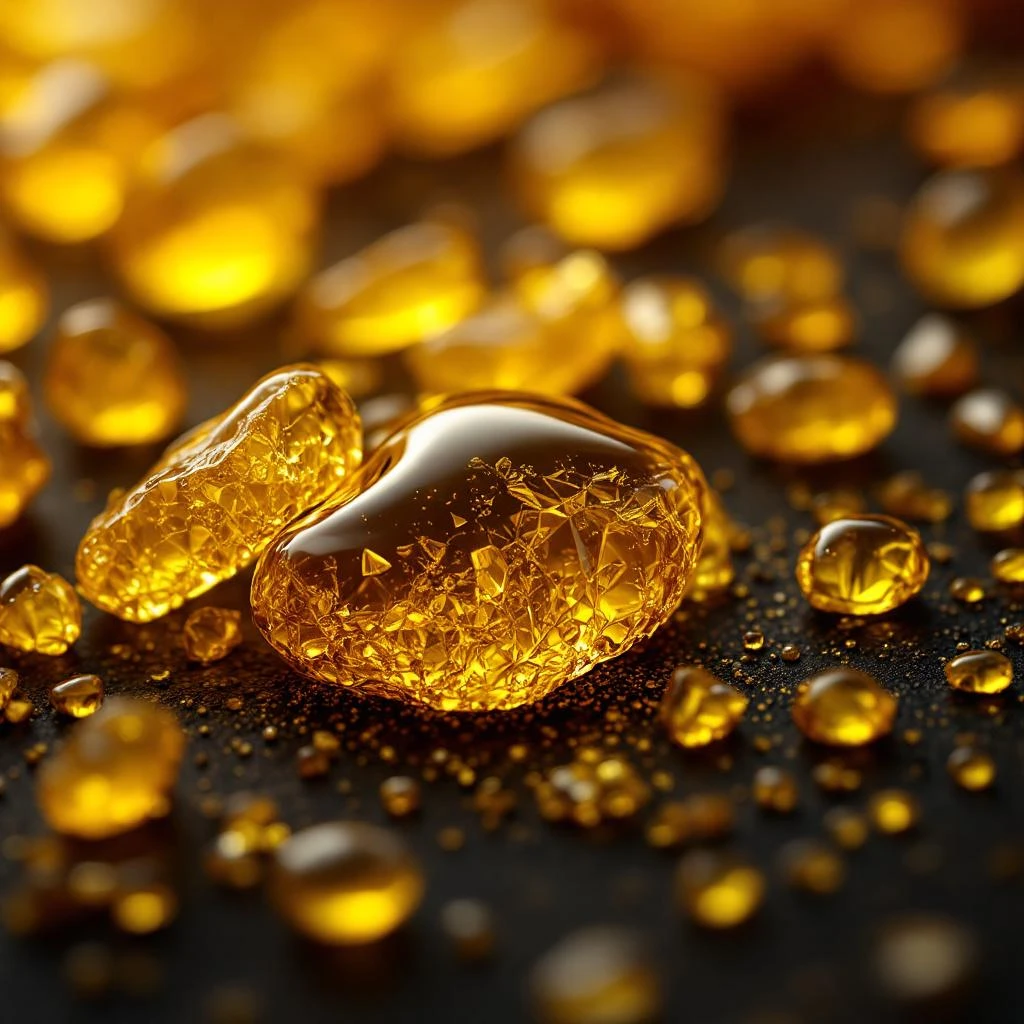
A warm, resinous gum-resin with balsamic, slightly medicinal notes. This ancient Persian ingredient brings depth and animalic warmth to fragrance compositions.
Character
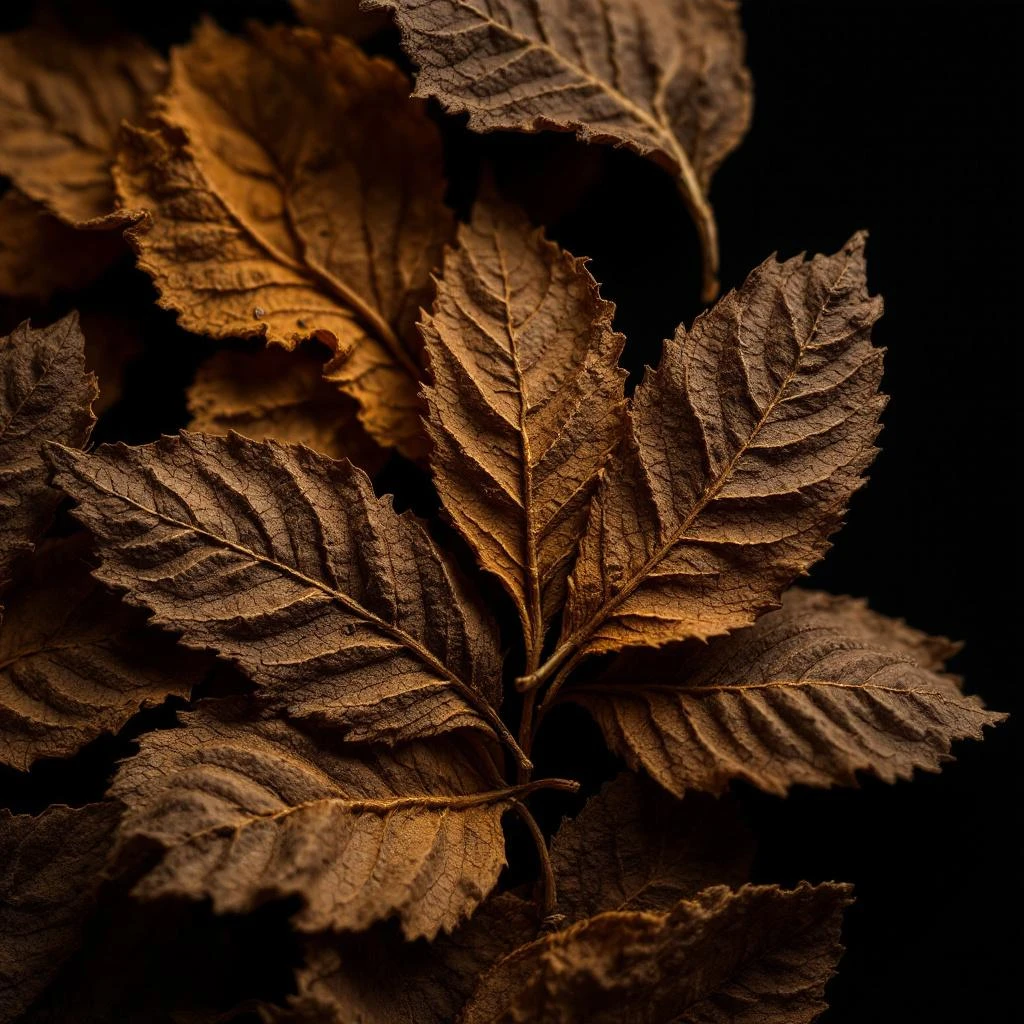
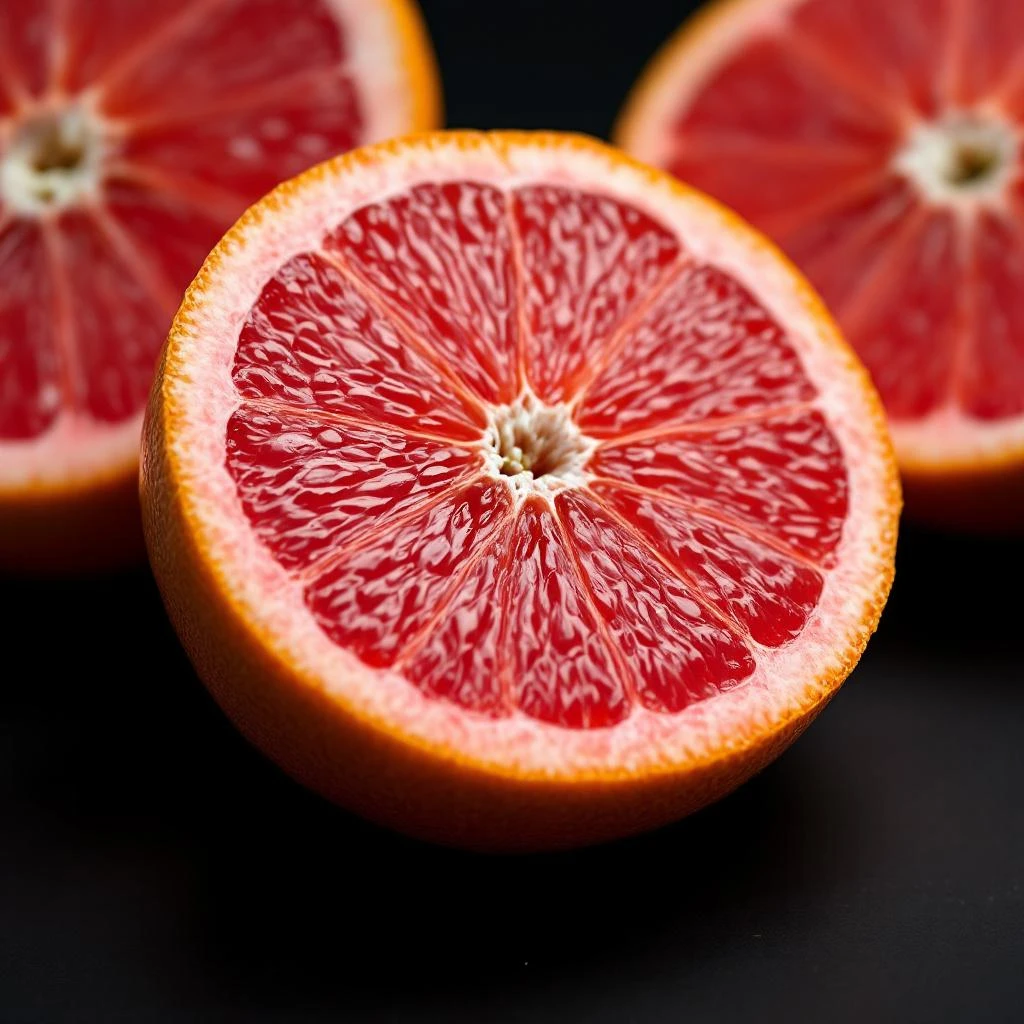
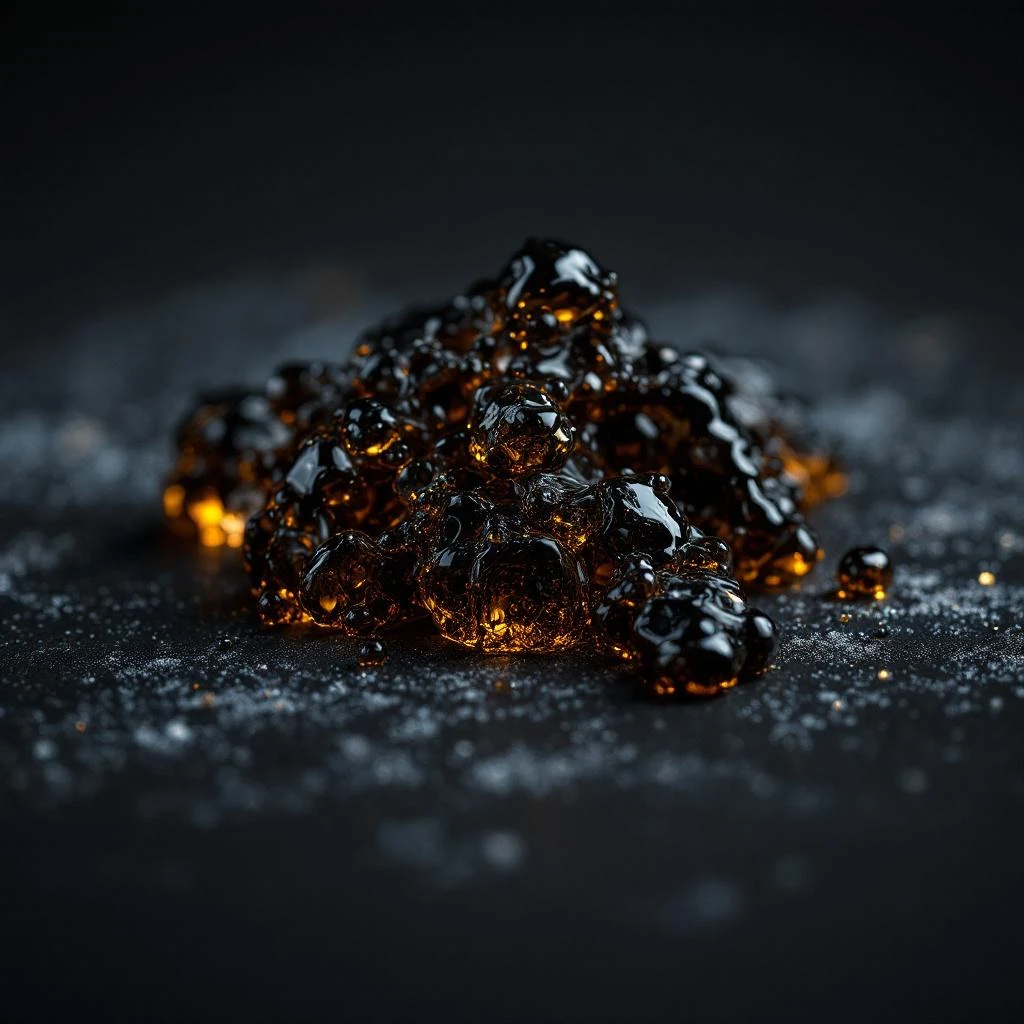
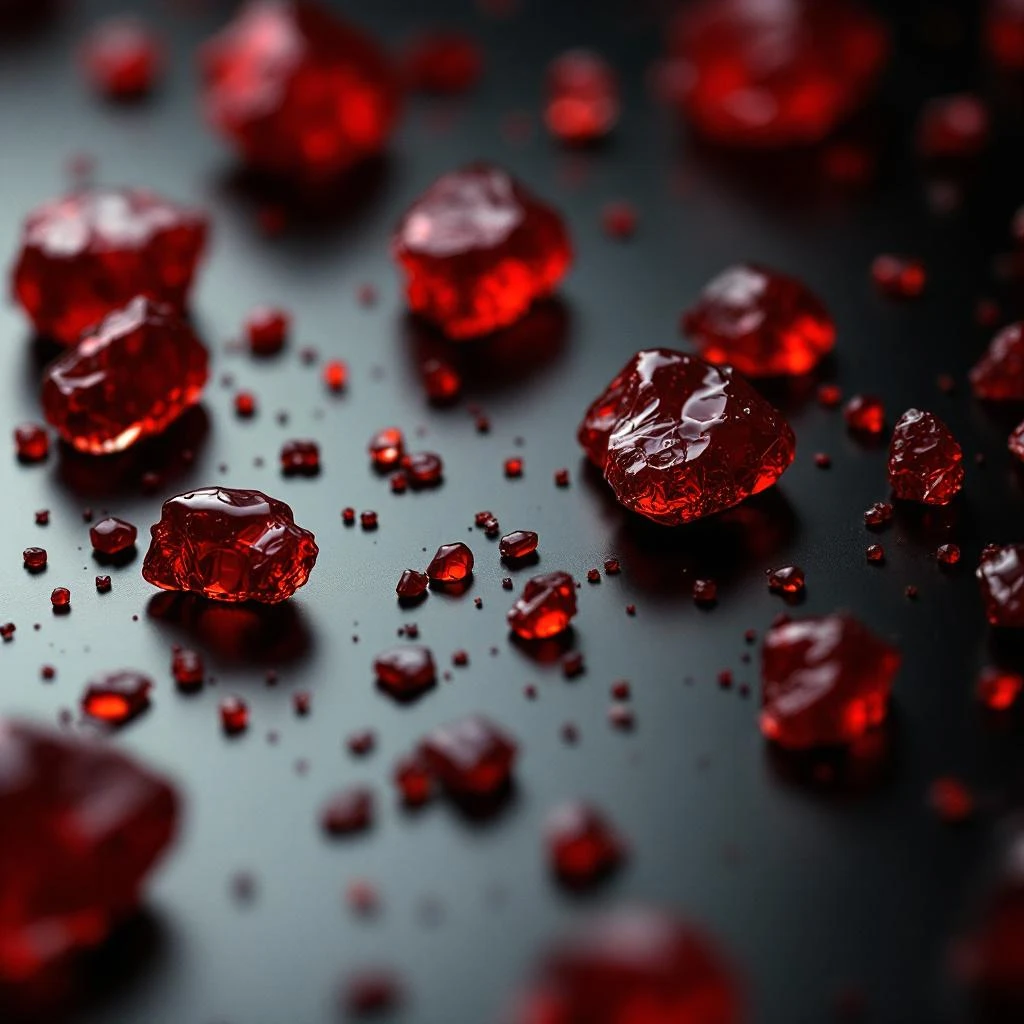
How it smells
Ancient resin, modern mystique.
Ancient Persians burned Gum Ammoniac in sacred rituals, and Roman emperor Nero reportedly kept stockpiles of it for his physicians.




Origin
Iran
Gum Ammoniac ranks among the oldest fragrance ingredients in continuous use. Ancient Persians burned it as temple incense and employed it in medicinal preparations, with records suggesting trade beginning around 500 BCE. Egyptian physicians incorporated it into remedies for respiratory ailments, while Greek naturalist Dioscorides documented its therapeutic properties in his first-century pharmacological text.
The Romans valued it equally, using it as incense and medicine. The name itself derives from ancient Egyptian, referencing the Ammon oracle near Libya where this resin entered Mediterranean trade. Arabian physicians preserved this knowledge through the medieval period.
European apothecaries prized it as a fixative and aromatic. By the nineteenth century, as perfumery industrialized, Gum Ammoniac found its place as a distinctive base note lending warmth, animalic depth, and Oriental character to chypre, amber, and fougere compositions.
Wears it best
Fragrances featuring Gum Ammoniac
Brands
Brands known for Gum Ammoniac
Good to know
Questions, answered
The essentials on Gum Ammoniac in perfumery: how it smells, where it comes from, and how it behaves on skin.
What does Gum Ammoniac smell like?
Gum Ammoniac has a warm, balsamic scent with honeyed sweetness, dried fruit notes, and a slightly medicinal or coumarin-like character. It adds depth and fixative properties to fragrance compositions.
What plant produces Gum Ammoniac?
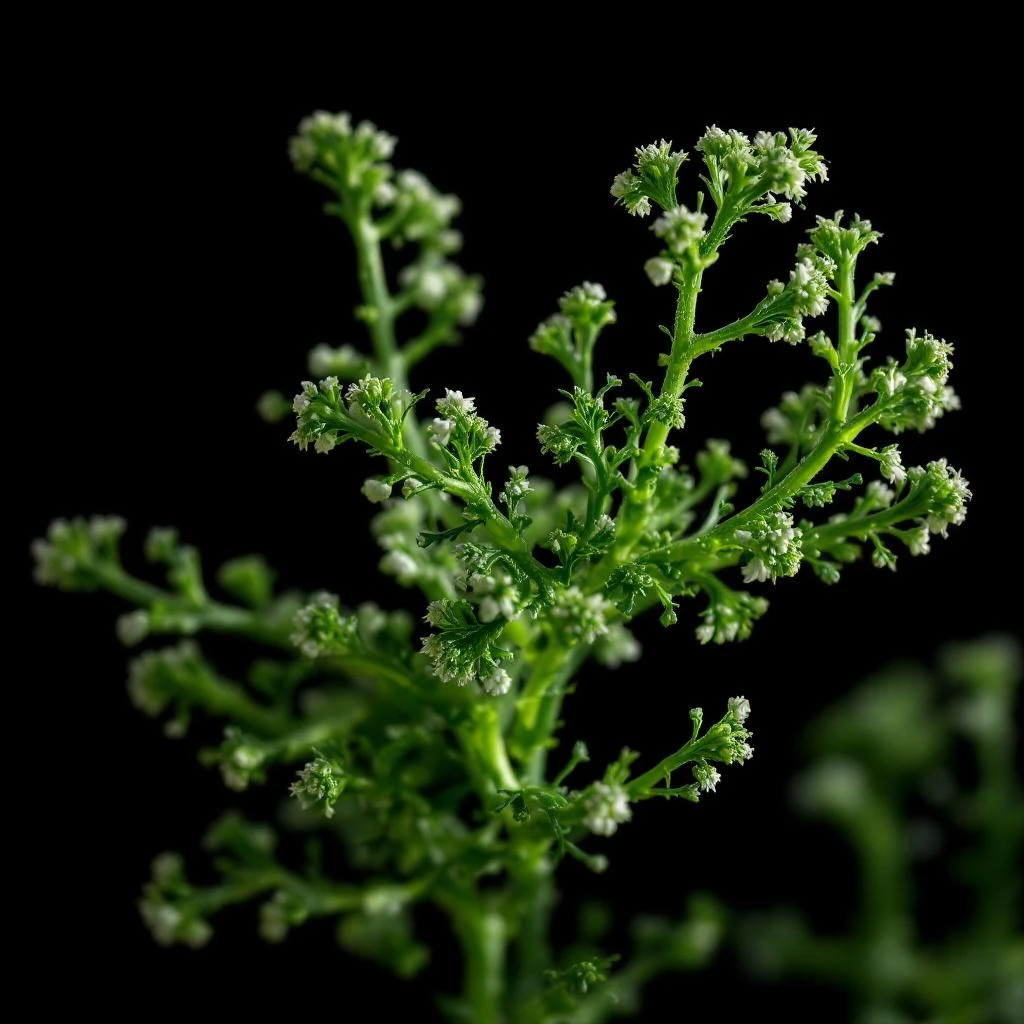
Dorema ammoniacum, a tall perennial herb in the Apiaceae family, produces this gum-resin. The plant grows wild across the Iranian plateau and Central Asian steppes, reaching up to 4 meters in height.
How is Gum Ammoniac harvested?
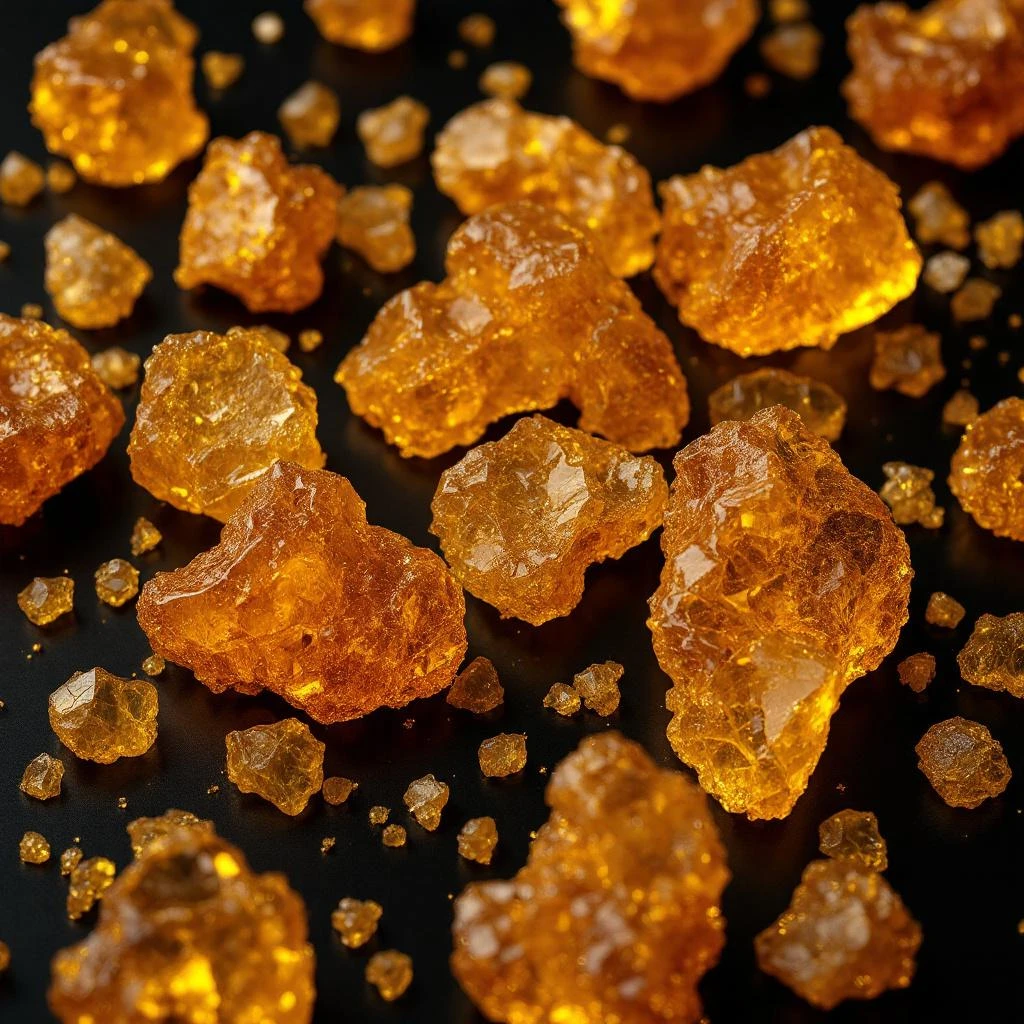
Harvesters make shallow incisions in the flowering stems during summer. The milky latex exudes slowly, air-drying into irregular amber tears over two to six weeks before collection.
Is Gum Ammoniac still used in modern perfumery?
Yes. Contemporary perfumers use it to add warmth, animalic depth, and Oriental character to compositions. It appears in chypres, amber fragrances, and fougeres as a distinctive base note.
What is the historical significance of Gum Ammoniac?
Trade in Gum Ammoniac dates to around 500 BCE along ancient Silk Road routes. Egyptians, Greeks, and Romans all valued it for incense and medicine, making it one of the oldest continuously traded aromatic materials.
What is the origin of the name 'Ammoniac'?
The name derives from ancient Egyptian temple priests called Ammoniaci, who burned this resin in ceremonies. The oracle of Ammon in the Libyan desert served as an early trade hub for this material.
Can Gum Ammoniac be synthetically reproduced?
No synthetic equivalent captures its complex profile. The natural gum-resin contains hundreds of volatile compounds including coumarin derivatives, sesquiterpenes, and resin acids that work synergistically.
What other names is Gum Ammoniac known by?
It appears as Ammoniacum, Gum Ammoniacum, and in Persian as Oshak or Kandal. These names reflect its ancient trade routes spanning Persia, Arabia, and the Mediterranean.