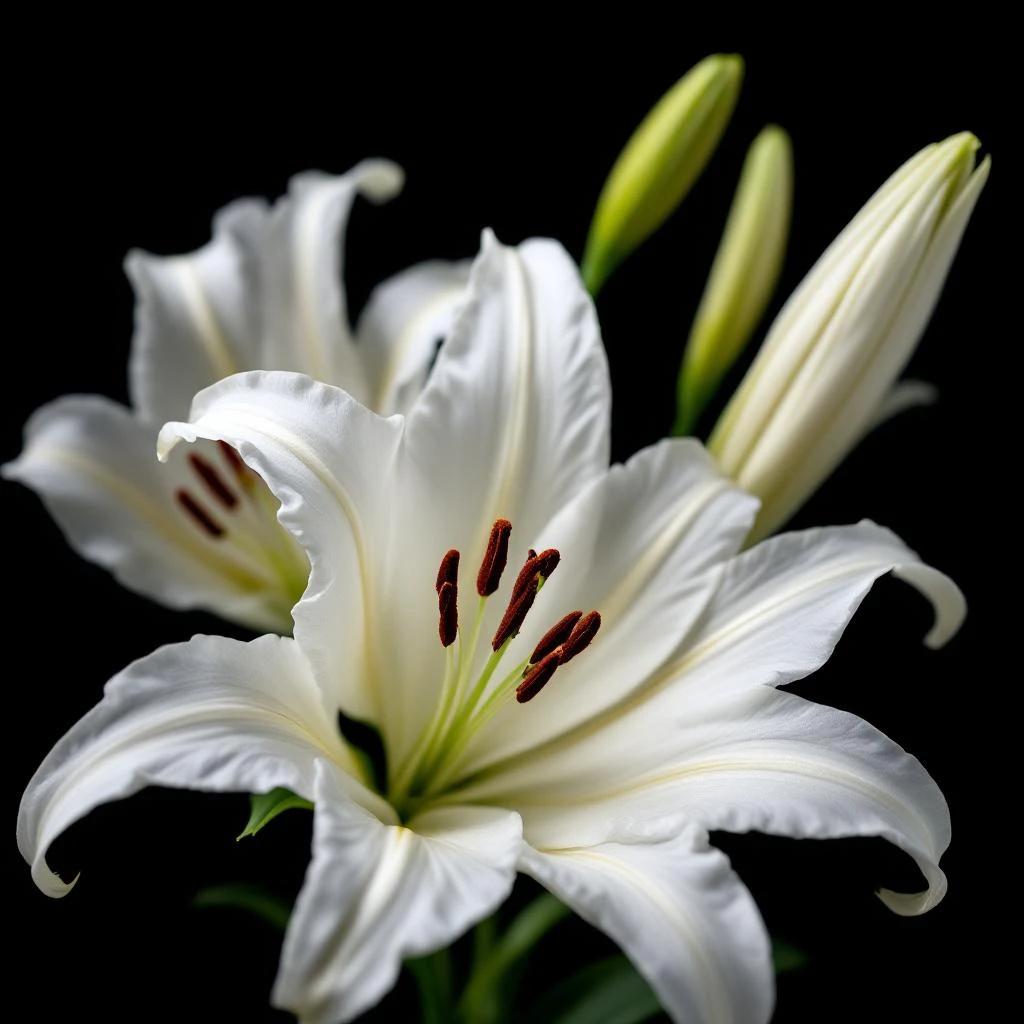
Guinea-bissau Hibiscus
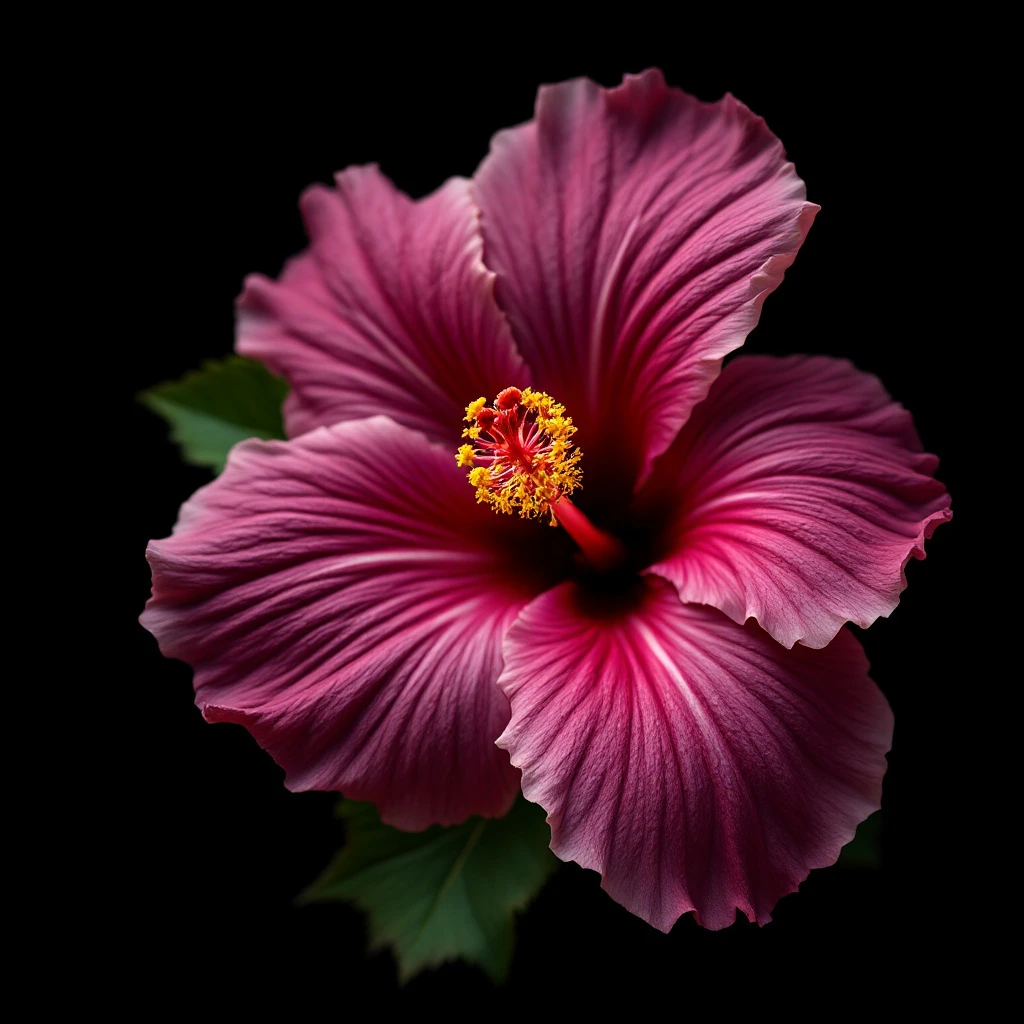
Guinea-Bissau Hibiscus is a vibrant floral note sourced from the sun-drenched coastal regions of this small West African nation, where hibiscus cultivation has been woven into local traditions for centuries.
Character
How it smells
West African sunshine captured in petals
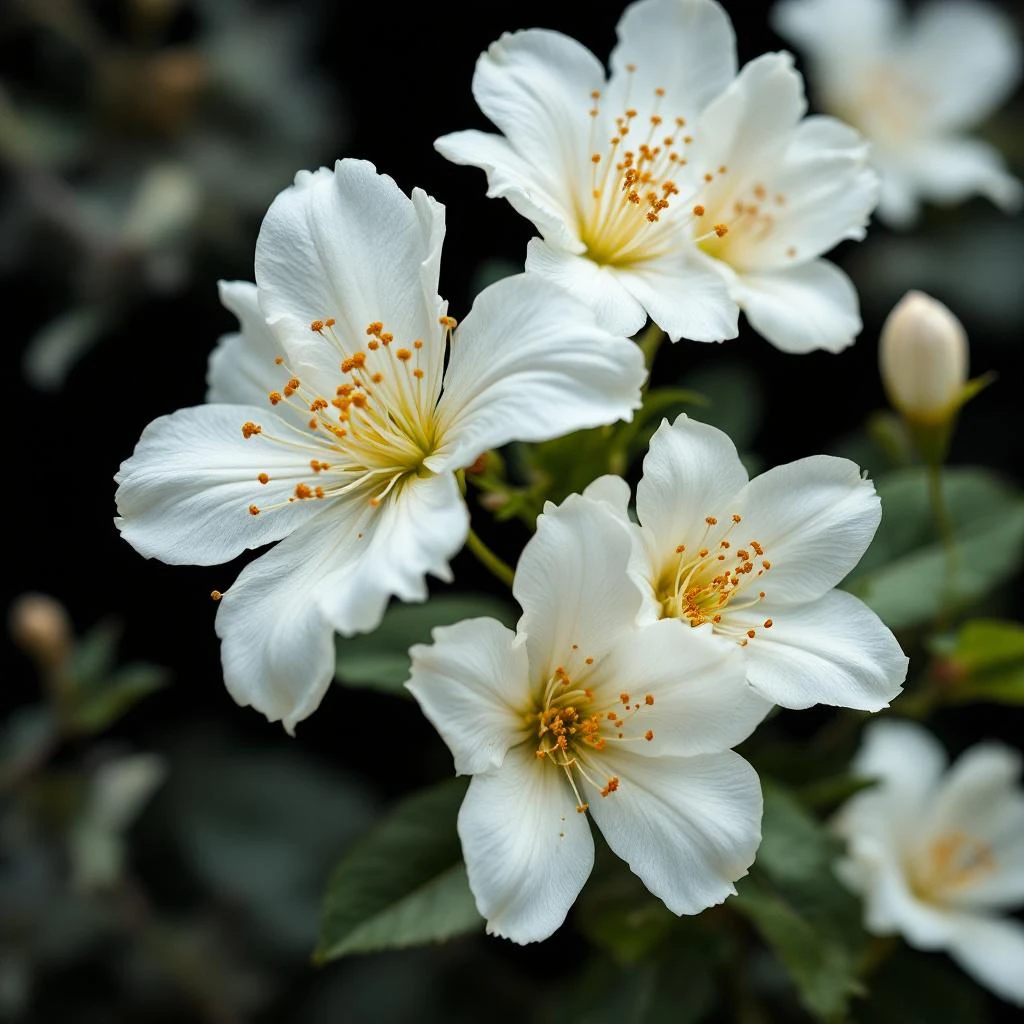
Hibiscus sabdariffa, the species prized for perfumery, produces deep crimson calyces that are richer in aromatic compounds than the flower's petals alone.



Origin
Guinea-Bissau
Hibiscus sabdariffa has been cultivated across West Africa for over 3,000 years, with archaeological evidence from ancient Mali Empire trade routes showing its use in ceremonial contexts. In Guinea-Bissau specifically, hibiscus flowers became integral to traditional medicine and cultural practices, where healers used the plant for its cooling properties in hot climates.
Portuguese colonial records from the 1500s document trade in dried hibiscus calyces, noting their aromatic qualities. Today, Guinea-Bissau remains one of the region's primary producers, with smallholder farmers maintaining heritage cultivation methods passed through generations.
Wears it best
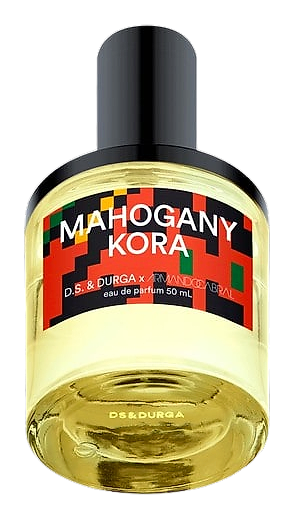
Fragrances featuring Guinea-bissau Hibiscus
Brands
Brands known for Guinea-bissau Hibiscus
Good to know
Questions, answered
The essentials on Guinea-bissau Hibiscus in perfumery: how it smells, where it comes from, and how it behaves on skin.
What does Guinea-Bissau Hibiscus smell like?
It presents a tart, cranberry-like acidity layered with sweet floral notes of rose and peony. The scent has a distinctive fruity quality reminiscent of berry jam, balanced by a subtle green undertone from the calyx membranes.
Is Guinea-Bissau Hibiscus used in high-end perfumery?
Yes, hibiscus absolutes from West African sources appear in niche and luxury fragrances. The Guinea-Bissau variety is particularly valued for its intensity, with perfumers using it as a heart note to add vibrancy and natural sweetness.
What part of the hibiscus plant is used for fragrance?
Perfumers extract fragrance from the calyces, the cup-like structures beneath the petals. These crimson sepals contain the highest concentration of aromatic compounds and hold their scent better during extraction than the flowers themselves.
How sustainable is hibiscus sourcing from Guinea-Bissau?
Guinea-Bissau's hibiscus industry relies on small-scale family farms using traditional methods. The crop requires minimal irrigation, making it relatively sustainable, though fair trade practices vary by supplier.
Can hibiscus fragrance be replicated synthetically?
Synthetic hibiscus accords exist, mimicking the tart-floral character. However, natural hibiscus absolute retains complex nuance that artificial reconstructions cannot fully capture, particularly the fruity top notes.
What fragrance families pair well with Guinea-Bissau Hibiscus?
It blends naturally with other florals like ylang-ylang and jasmine, complements fruity notes such as bergamot and raspberry, and adds lift to heavier bases like sandalwood and vanilla.
Does Guinea-Bissau produce other notable fragrance ingredients?
Guinea-Bissau historically supplied Petitgrain Citronnier (lemon petitgrain oil) to European perfumery. The region remains a source of aromatic plants including ylang-ylang and various citrus derivatives.
How long has hibiscus been used in perfumery?
Hibiscus entered Western perfumery in the early 20th century as extraction techniques improved. Ancient civilizations used hibiscus for ritual incense, but commercial fragrance production began with solvent extraction advances in the 19th century.