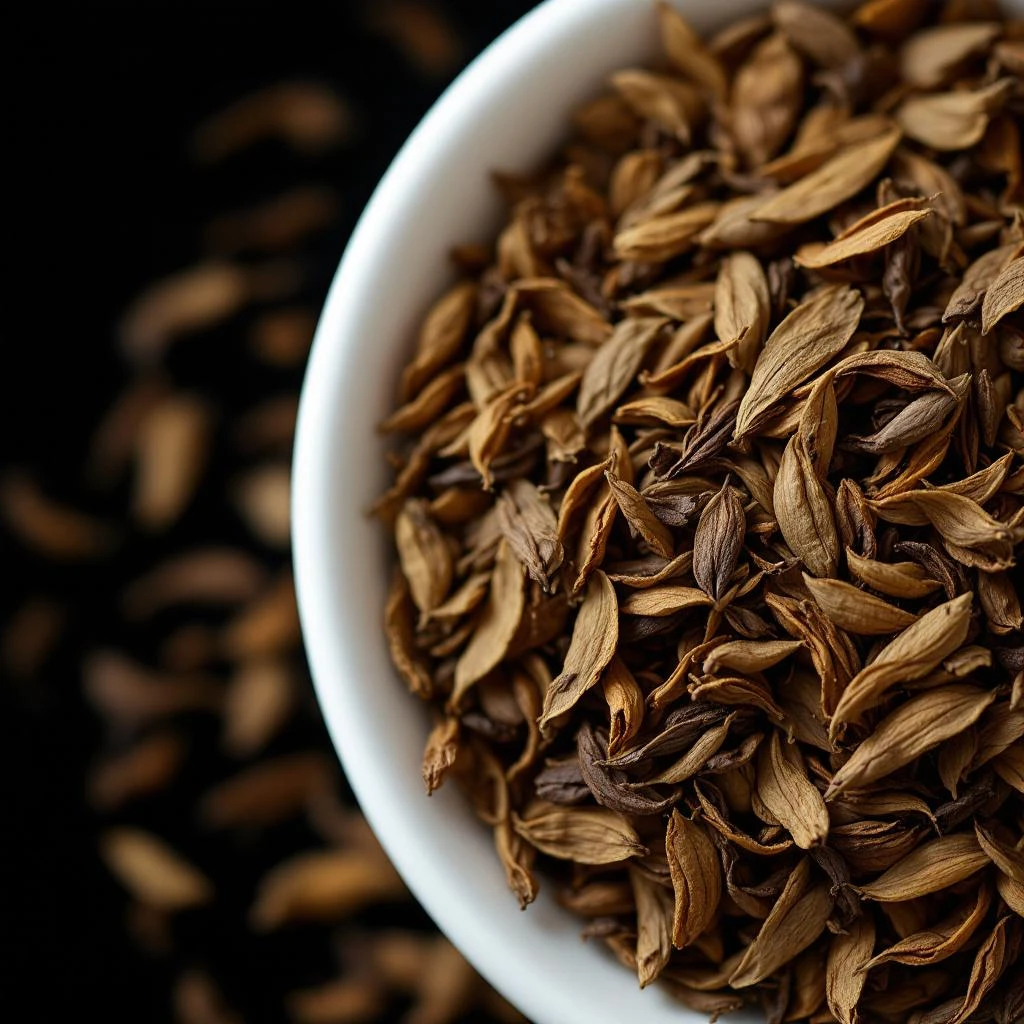
Green Ceylon Tea
The misty highlands of Sri Lanka produce a green tea prized by perfumers for its clean, fresh, and quietly complex aroma. Discover how this storied ingredient made its way from ancient China to modern fragrance.

Character
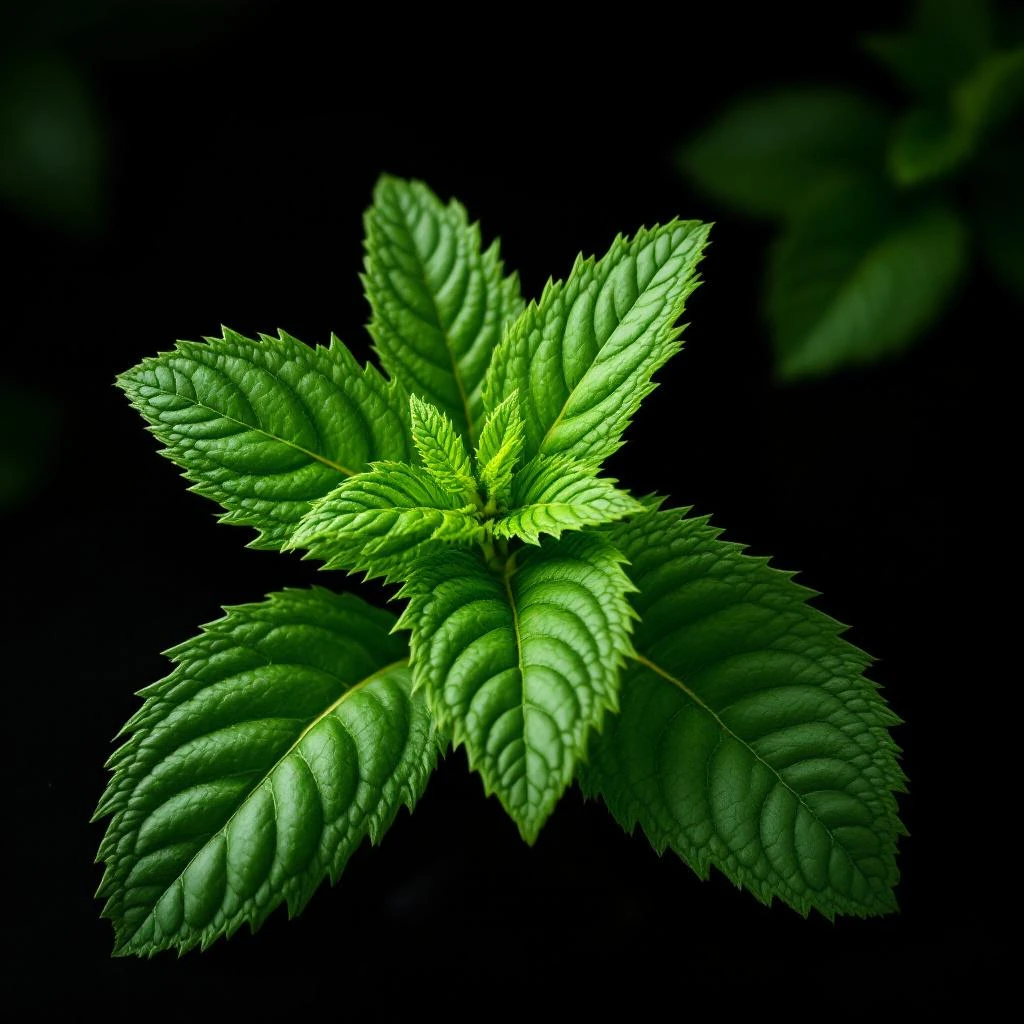
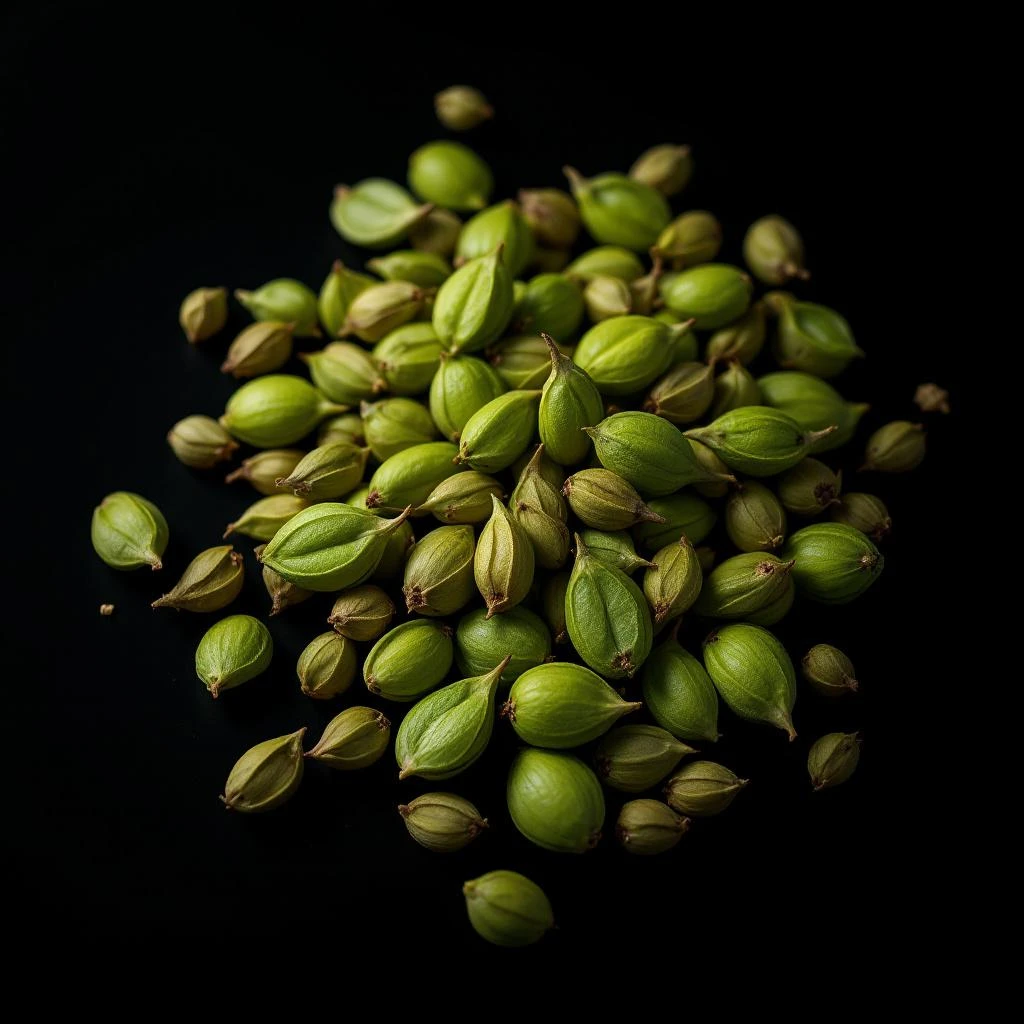
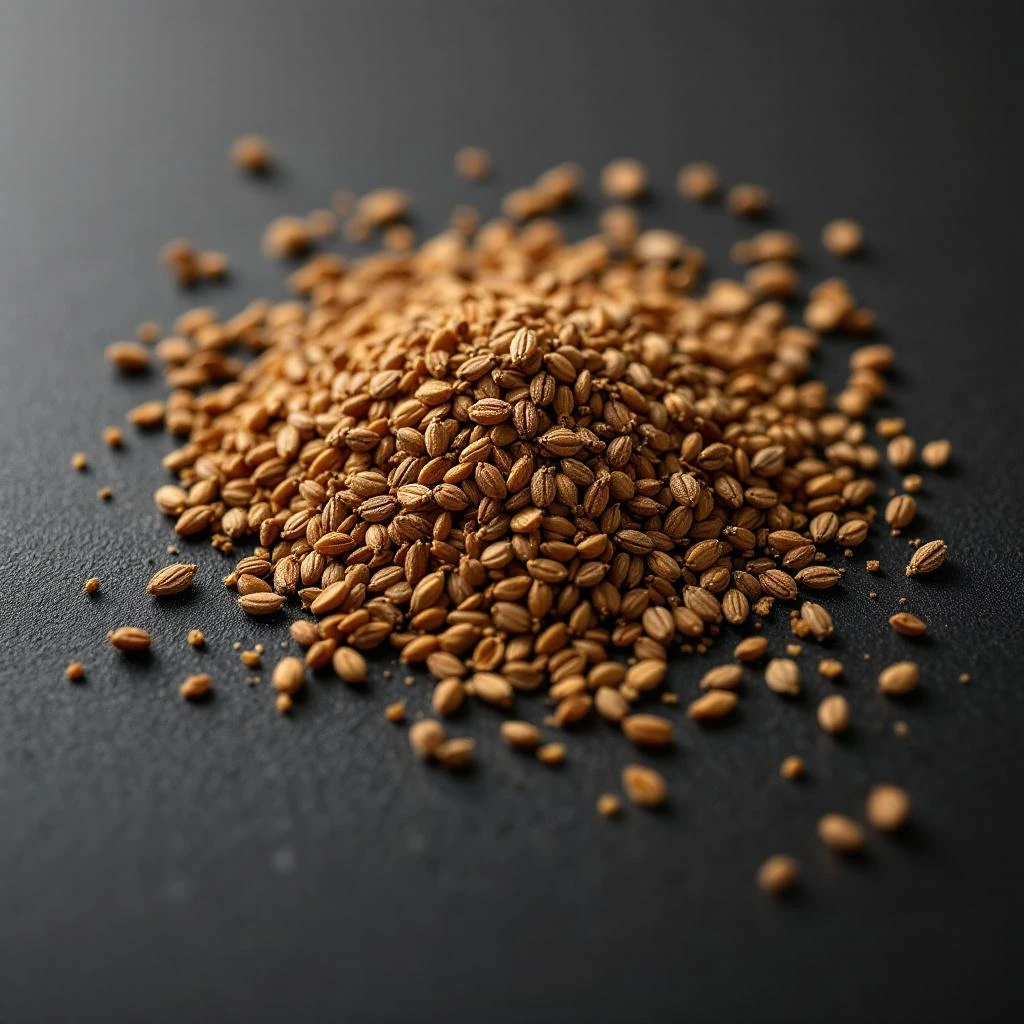
How it smells
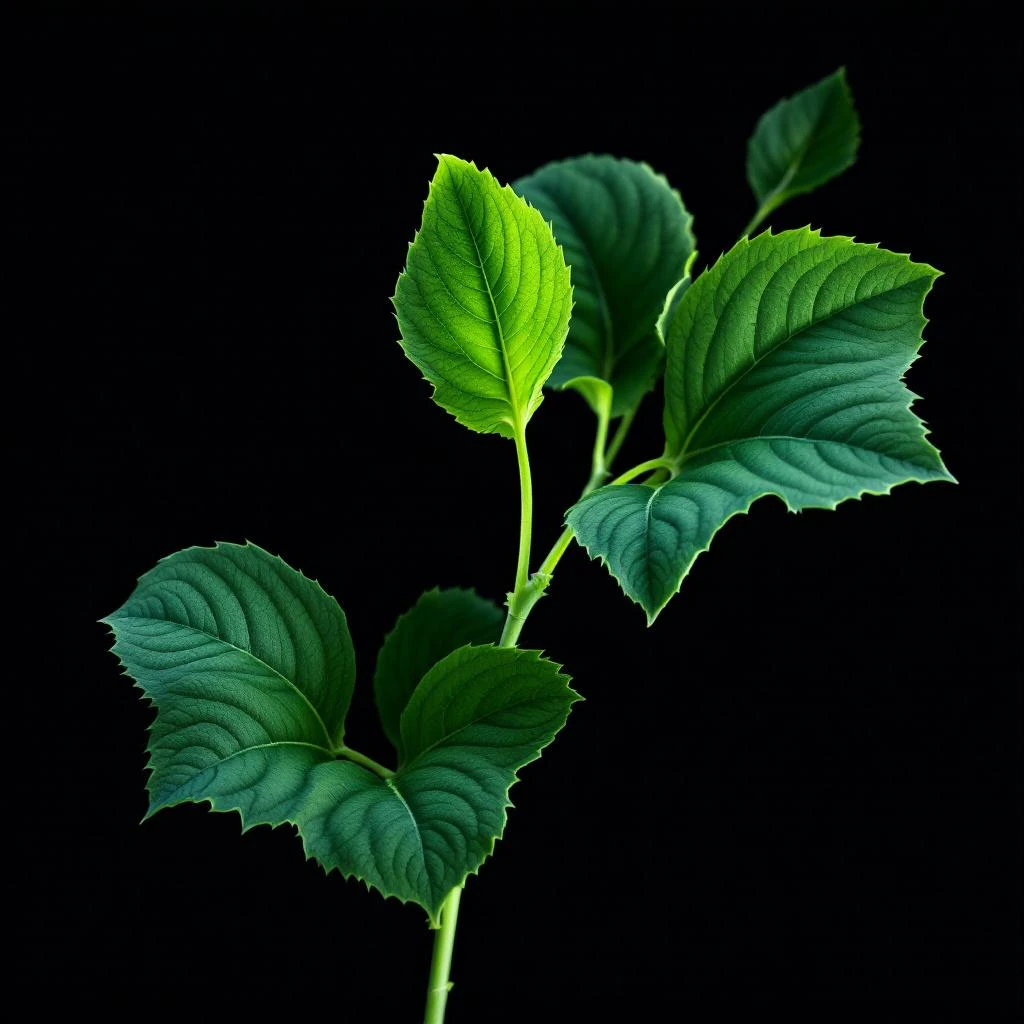
The misty mountain tea that captured modern perfumery.
Ceylon became a global tea powerhouse only after a coffee plant disease wiped out plantations in the 1870s, forcing colonial growers to pivot.



Origin
Sri Lanka
Tea cultivation stretches back over five millennia to ancient China, where legend credits Emperor Shennong with discovering the beverage when leaves drifted into his boiling water. For centuries, tea remained a Chinese specialty before spreading along trade routes across Asia. Portuguese and Dutch traders introduced tea to Europe in the 16th and 17th centuries, where its aroma inspired early attempts at scented waters and herbal infusions.
Sri Lanka entered the tea story in the 1870s. A devastating coffee leaf rust had wiped out the islands coffee plantations, forcing colonial growers to seek alternatives. Scottish planter James Taylor established the first commercial tea estate in the Kandy district, and within decades Ceylon became one of the worlds largest tea exporters.
The misty central highlands created ideal growing conditions, and the high-grown teas developed a distinctive aromatic profile. Green Ceylon Tea extract entered perfumery as the ingredient gained global recognition, particularly after 1992 sparked a surge in green tea fragrances. The islands cool, wet climate and mountainous terrain concentrate aromatic compounds in the leaves, giving Sri Lankan green tea a fresh, slightly smoky quality that translates beautifully into fragrance.
Wears it best
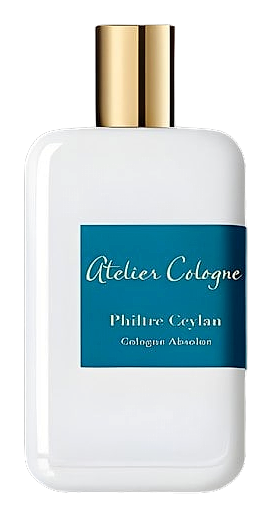
Fragrances featuring Green Ceylon Tea
Brands
Brands known for Green Ceylon Tea
Good to know
Questions, answered
The essentials on Green Ceylon Tea in perfumery: how it smells, where it comes from, and how it behaves on skin.
Is green tea the same plant as black tea?
Yes. Both come from Camellia sinensis. Processing differences create their distinct profiles. Green tea skips fermentation, preserving fresh, grassy notes that perfumers prize.
How do perfumers extract scent from tea leaves?
Perfumers use steam distillation, solvent extraction, or supercritical CO2 to isolate aroma compounds from dried tea leaves. Each method captures different volatile molecules, affecting the final scent character.
Why is Ceylon tea considered special for fragrance?
Sri Lanka's central highlands feature cool temperatures, frequent mist, and mineral-rich soil. These conditions concentrate aromatic precursors in the leaves, producing a fresher, more complex green tea extract.
What does Green Ceylon Tea smell like in a fragrance?
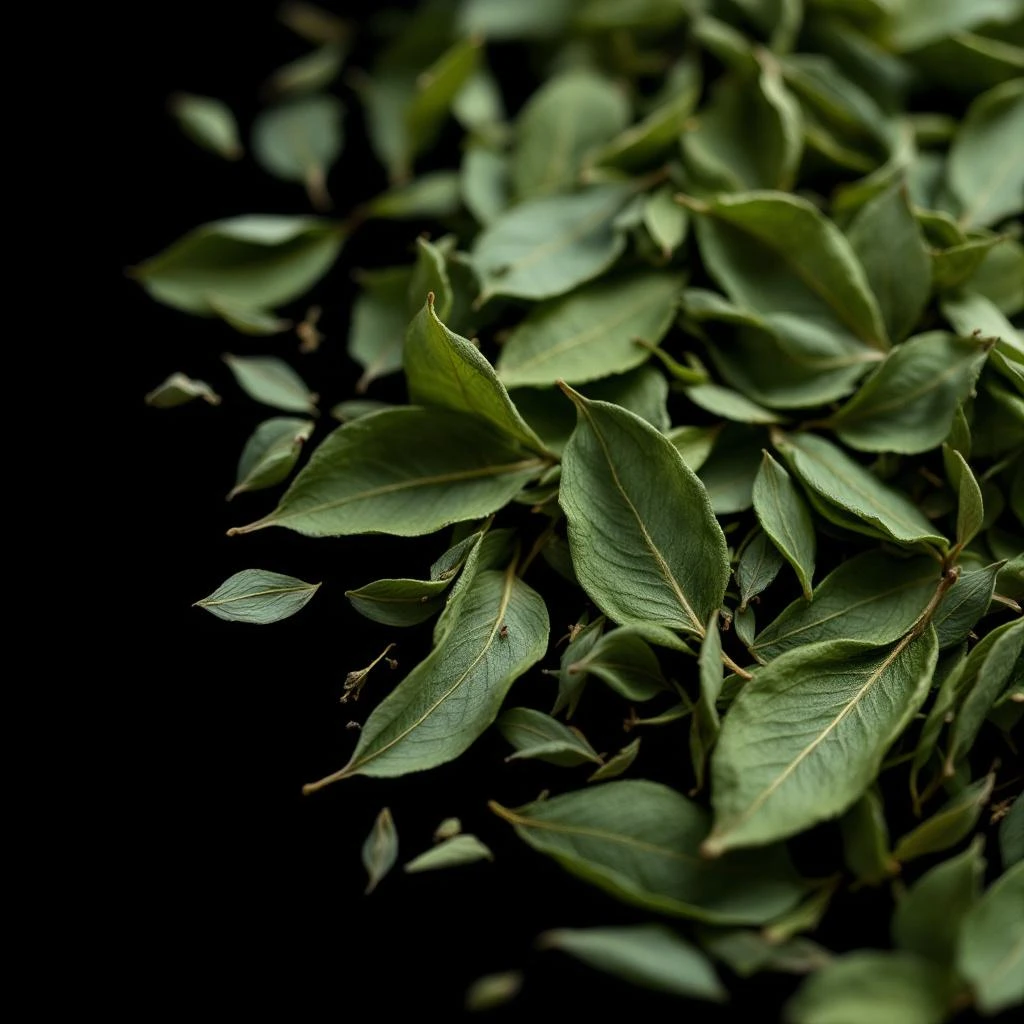
The note reads as clean, fresh, and slightly grassy with subtle bitter and floral undertones. It evokes the scent of newly opened tea leaves in a misty mountain garden.
How long does green tea note last on skin?
Green tea typically performs as a top-to-heart note, lasting 2 to 4 hours depending on concentration and formulation. Blending it with fixatives extends its presence.
Does Silloria feature fragrances with green tea as a dominant note?
Yes. Browse our Green Ceylon Tea ingredient page to discover curated fragrances where this note plays a starring role.
What other ingredients pair well with green tea in perfumery?
Perfumers commonly pair green tea with citrus, white florals like jasmine, light musks, and woody bases. These combinations reinforce freshness while adding depth.
When did green tea become significant in perfumery?
The 1992 release of a major green tea fragrance sparked a wave of green tea perfumes globally. Since then, the note has remained a staple in fresh, clean fragrance design.