Paraguayan gaiac wood
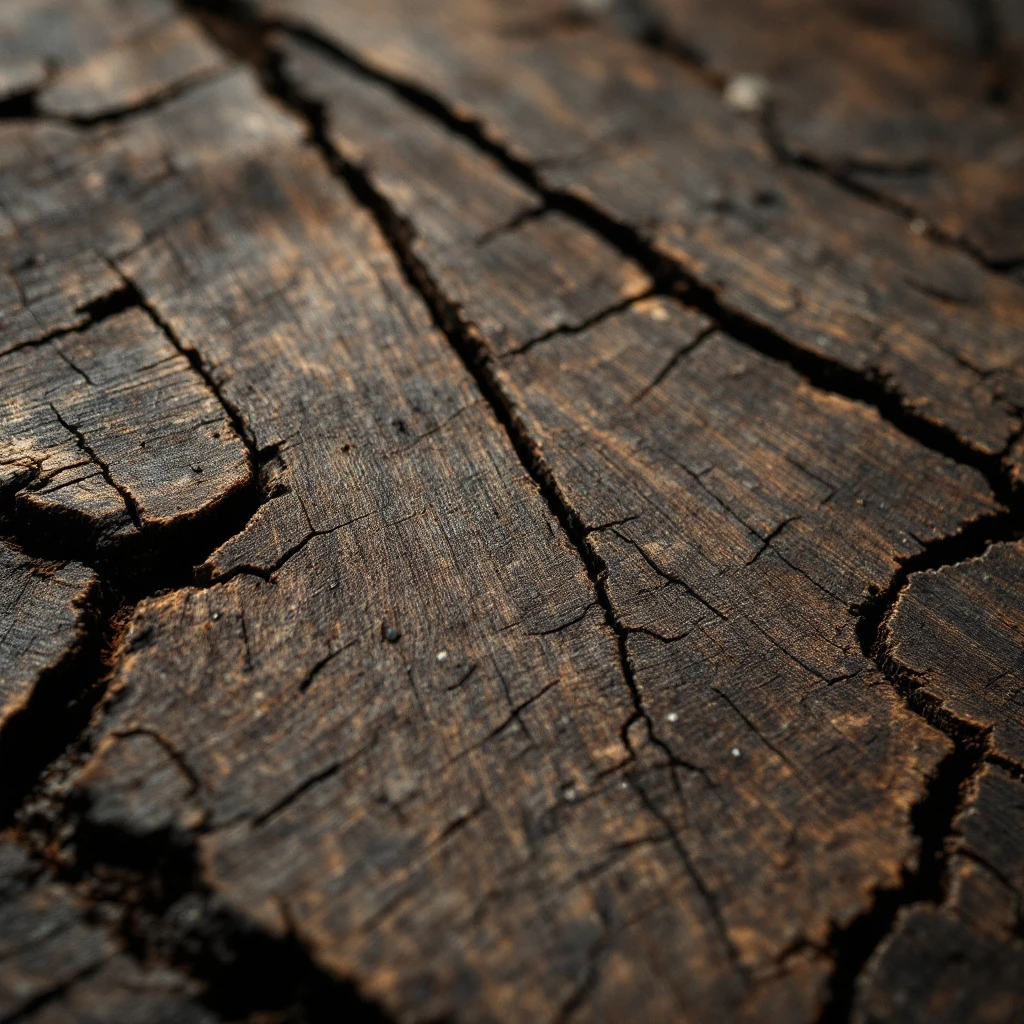
Guaiac wood is a warm, resinous wood note with medicinal depth and subtle floral nuances. Sourced primarily from Paraguay, it brings a smoky, slightly sweet character that adds grounding sophistication to fragrance compositions.
Character
How it smells
The sacred smoke of South American forests.
Before becoming a perfumery staple, guaiac wood treated ailments in the Americas for centuries. Native communities used it for syphilis and joint pain since the 1500s.




Origin
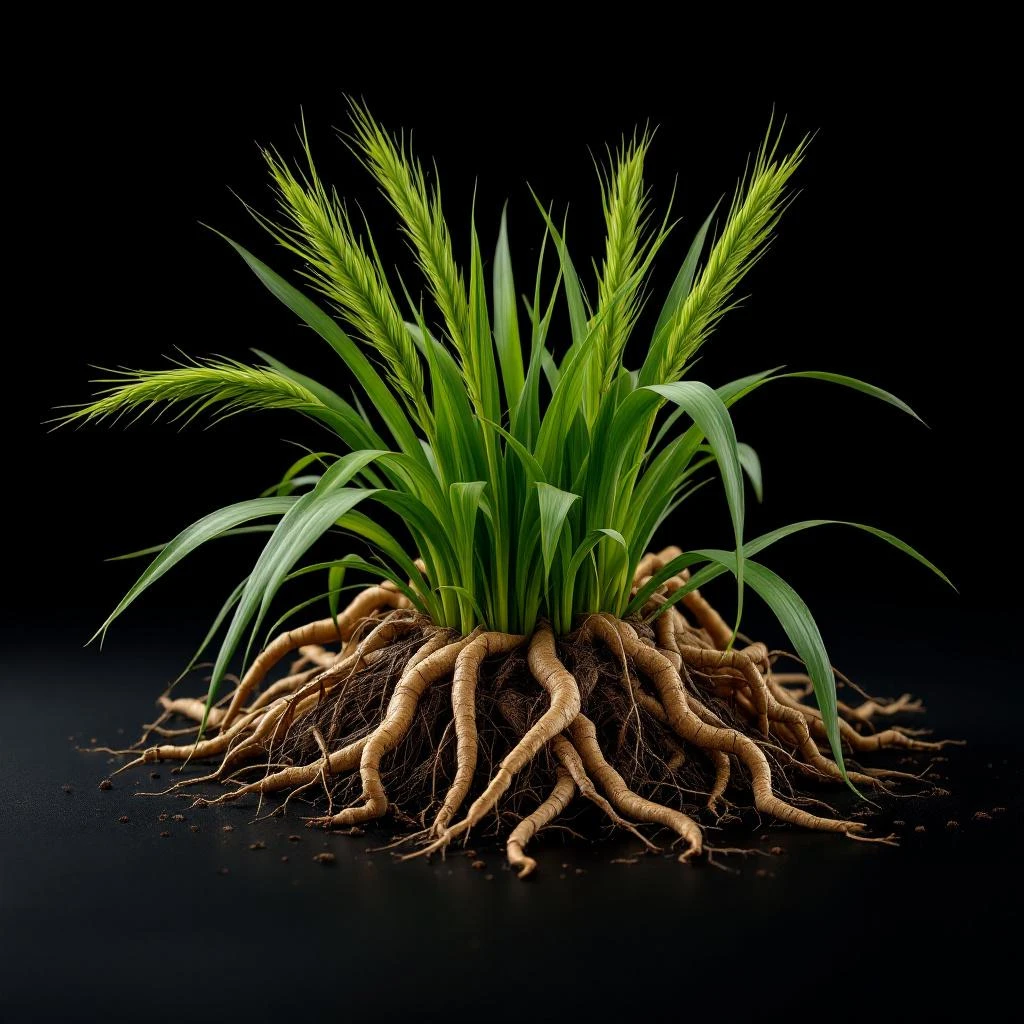
Paraguay
Guaiac wood carries centuries of sacred tradition from the forests of South America. Indigenous peoples of the Caribbean and Central America discovered the Bulnesia Sarmienti's remarkable properties first, using its resinous smoke in ceremonial healing practices and chewing the hardwood to treat joint pain and inflammation. When Spanish explorers arrived in the 1500s, they encountered this remarkable tree and documented its medicinal power, eventually exporting it to European apothecaries where it treated everything from syphilis to respiratory ailments.
The wood gained such renown that it fueled early global trade routes. As synthetic pharmaceuticals developed in the 20th century, guaiac wood transitioned from medicine cabinet to perfumery organ. Paraguay emerged as the commercial heart of production, first industrializing extraction in the late 1930s.
Today, sustainable harvesting practices protect wild populations while meeting the fragrance industry's demand for this storied ingredient.
Wears it best
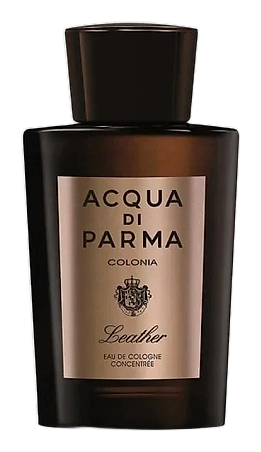
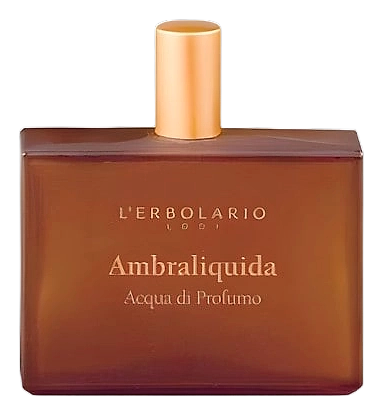
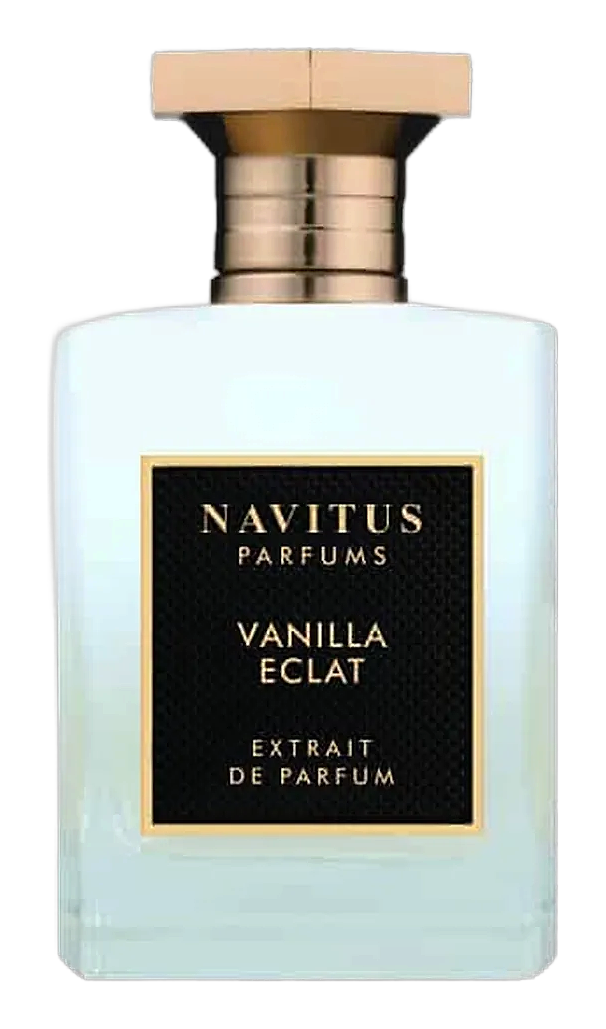
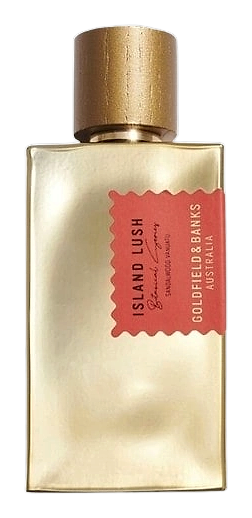
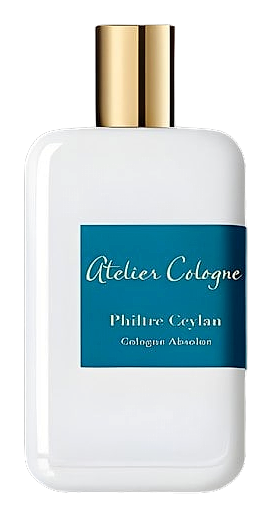
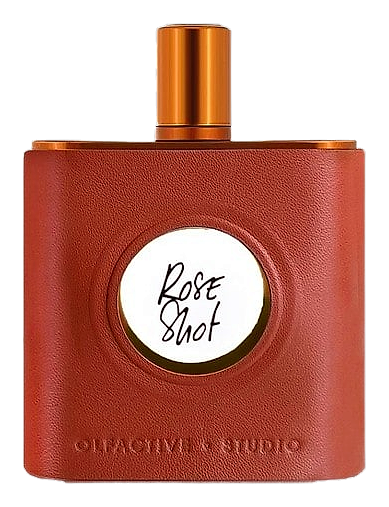
Fragrances featuring Paraguayan gaiac wood



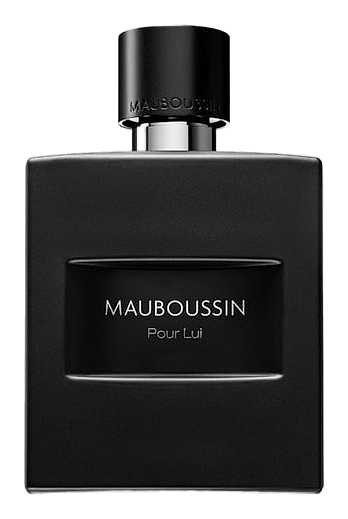
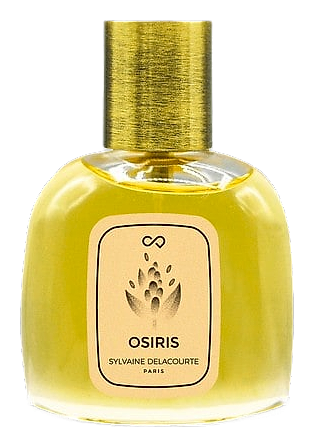
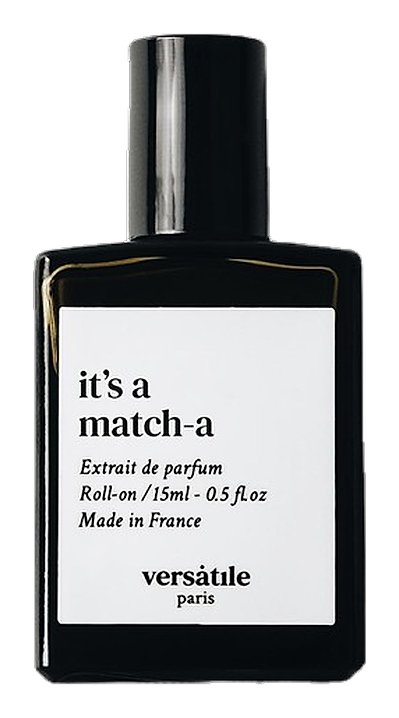
Brands
Brands known for Paraguayan gaiac wood
Good to know
Questions, answered
The essentials on Paraguayan gaiac wood in perfumery: how it smells, where it comes from, and how it behaves on skin.
What makes Paraguayan guaiac wood distinctive in perfumery?
Paraguayan guaiac wood offers a uniquely warm, smoky profile with medicinal depth and subtle floral undertones. Its versatility allows it to enhance both masculine and feminine fragrance compositions equally.
How does guaiac wood differ from cedar or sandalwood?
Unlike cedar's dry, pencil-shaving character or sandalwood's creamy warmth, guaiac wood carries a smoky, slightly medicinal quality with a resinous backbone that distinguishes it in woody fragrance families.
Is guaiac wood used as a fixative in perfumery?
Yes. Guaiac wood ranks among effective natural fixatives, slowing the evaporation of lighter notes and lending lasting depth to a fragrance's dry-down phase.
What fragrance families pair well with guaiac wood?
Guaiac wood complements amber, leather, tobacco, and oriental compositions. It also harmonizes with patchouli, vetiver, and oud, adding smoky warmth to woody-amber structures.
How long has Paraguay produced guaiac wood oil?
Paraguay first commercialized guaiac wood oil production in the late 1930s and remains the world's largest producer and exporter of this ingredient today.
Does guaiac wood come from the same tree as guaiac resin?
The oil derives from Bulnesia Sarmienti, while traditional guaiac resin comes from Guaiacum species. Both share similar aromatic profiles but differ in botanical origin and extraction method.
Can guaiac wood be sustainably harvested?
Responsible sourcing relies on harvesting wood shavings and sawdust from already-felled trees or sustainable forestry operations, ensuring wild populations remain viable.
What note position does guaiac wood typically occupy in fragrance?
Guaiac wood functions primarily as a base and heart note, providing a grounding foundation that shapes the fragrance's dry-down and overall lasting power.