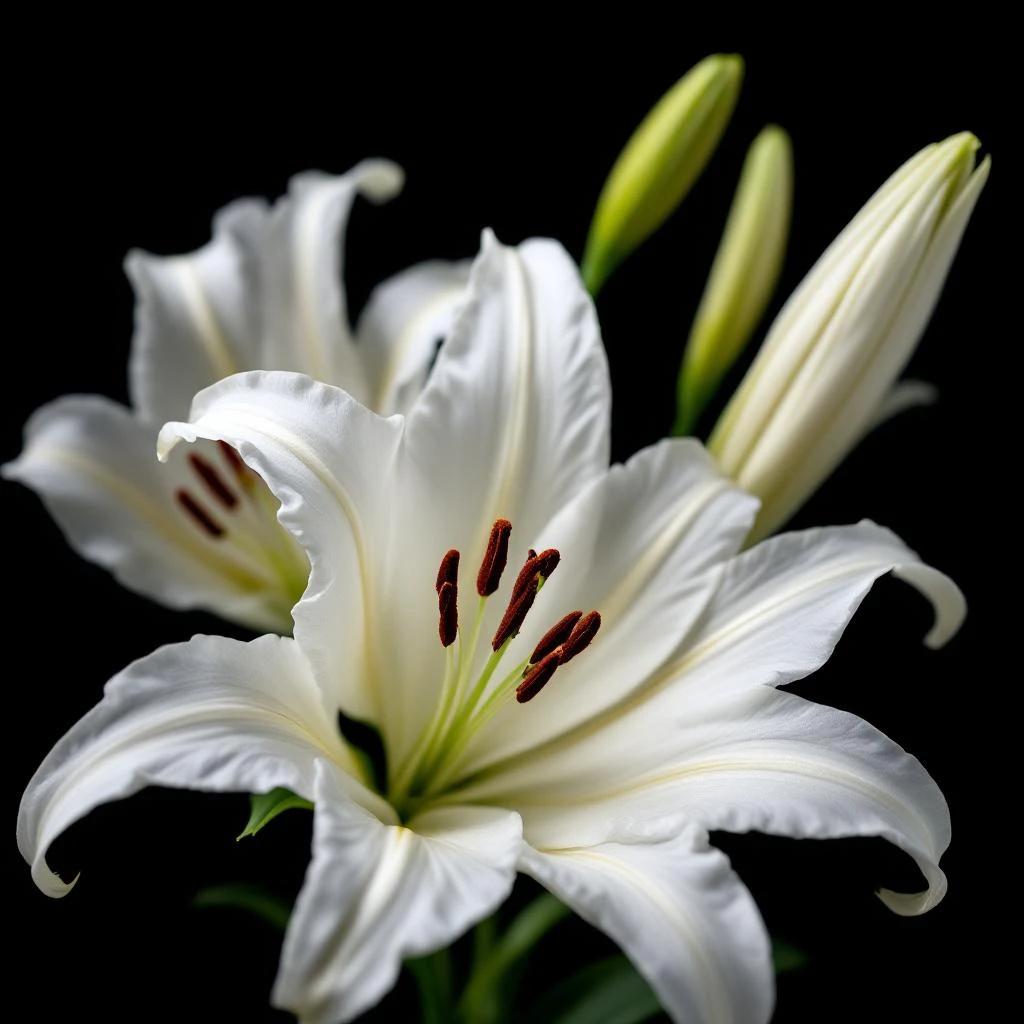
Golden Lily
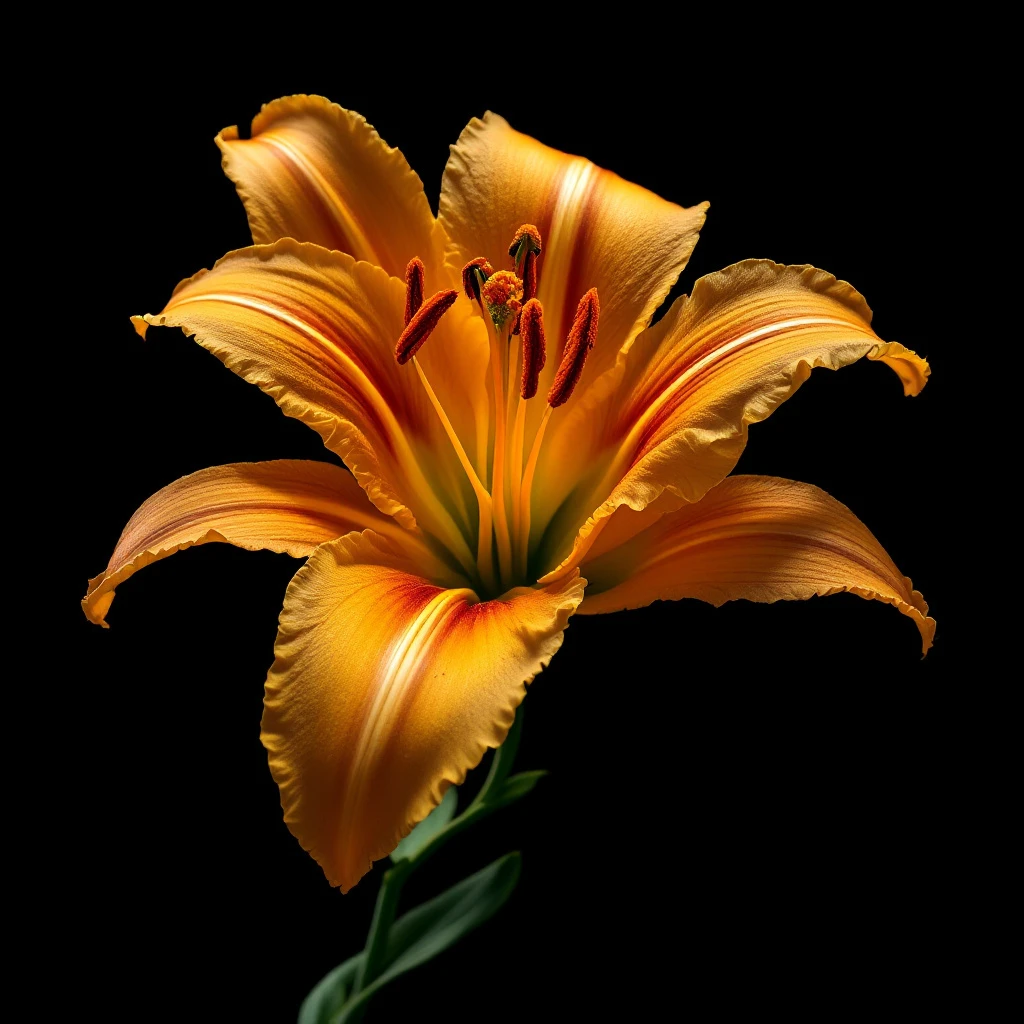
Golden Lily brings a luminous, honeyed warmth to fragrance compositions. This reconstructed lily accord captures the flower's creamy white petals and green stems, wrapped in a subtle golden radiance that elevates any bouquet.
Character
How it smells
Sunlit petals, warm and creamy.
True lily absolute does not exist in perfumery. The entire lily family resists standard extraction, making synthetic recreation the industry standard.





Origin
France
The Greeks first documented lily cultivation around 300 BCE, though they valued the flowers primarily for ornamental and religious purposes rather than fragrance production. Pliny the Elder described various lily species in his natural history, noting their medicinal properties.
True lily scent work in perfumery only became possible in the late nineteenth century alongside synthetic chemistry. The first reconstructed lily accords appeared in French perfumery during the 1890s, coinciding with the commercial synthesis of aroma compounds.
These early recreations laid groundwork for the sophisticated Golden Lily accords available today. The descriptor golden likely emerged from marketing rather than petal coloration, describing instead the warm, radiant quality this note lends to compositions.
Wears it best
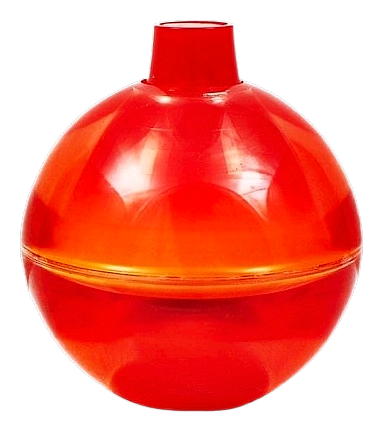
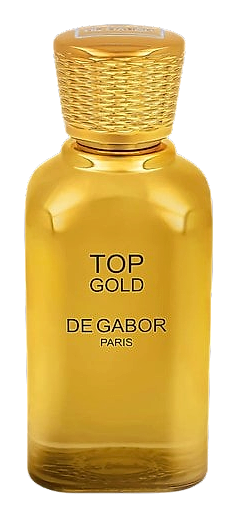
Fragrances featuring Golden Lily
Brands
Brands known for Golden Lily
Good to know
Questions, answered
The essentials on Golden Lily in perfumery: how it smells, where it comes from, and how it behaves on skin.
What does Golden Lily smell like?
Golden Lily smells fresh, green, and creamy. A direct sensory comparison is fresh-cut stems with buttery white petals and subtle honeyed warmth.
Is Golden Lily a natural ingredient?
Golden Lily is always synthetic. No true lily absolute exists because the flower does not yield extractable aromatic oils through any standard method.
What gives Golden Lily its characteristic scent?
Hydroxycitronellal provides the fresh, green lily character. This synthetic compound alone accounts for much of what we recognize as lily scent in modern perfumery.
When did lilies enter perfumery?
Lilies became prominent in perfumery during the nineteenth century. By the 1890s, reconstructed lily accords appeared in French fragrances alongside early synthetic compounds.
What part of the lily plant is used?
No plant parts are used. Golden Lily is an entirely synthetic accord built from aroma chemicals including hydroxycitronellal, linalool, and lactones.
Why do perfumers prefer synthetic lily accords?
Natural lilies yield no essential oil through steam distillation, solvent extraction, or enfleurage. Synthetic recreation provides consistent, controllable lily character.
Where do commercial lily accords originate?
Commercial production centers on Grasse, France, and the Netherlands. These regions lead global cultivation of hybrid lilies bred specifically for cut flower markets.
What makes Golden Lily different from standard lily notes?
The golden descriptor indicates added warmth. Standard lily notes emphasize freshness and green facets while Golden Lily incorporates honeyed, ambery undertones for richness.