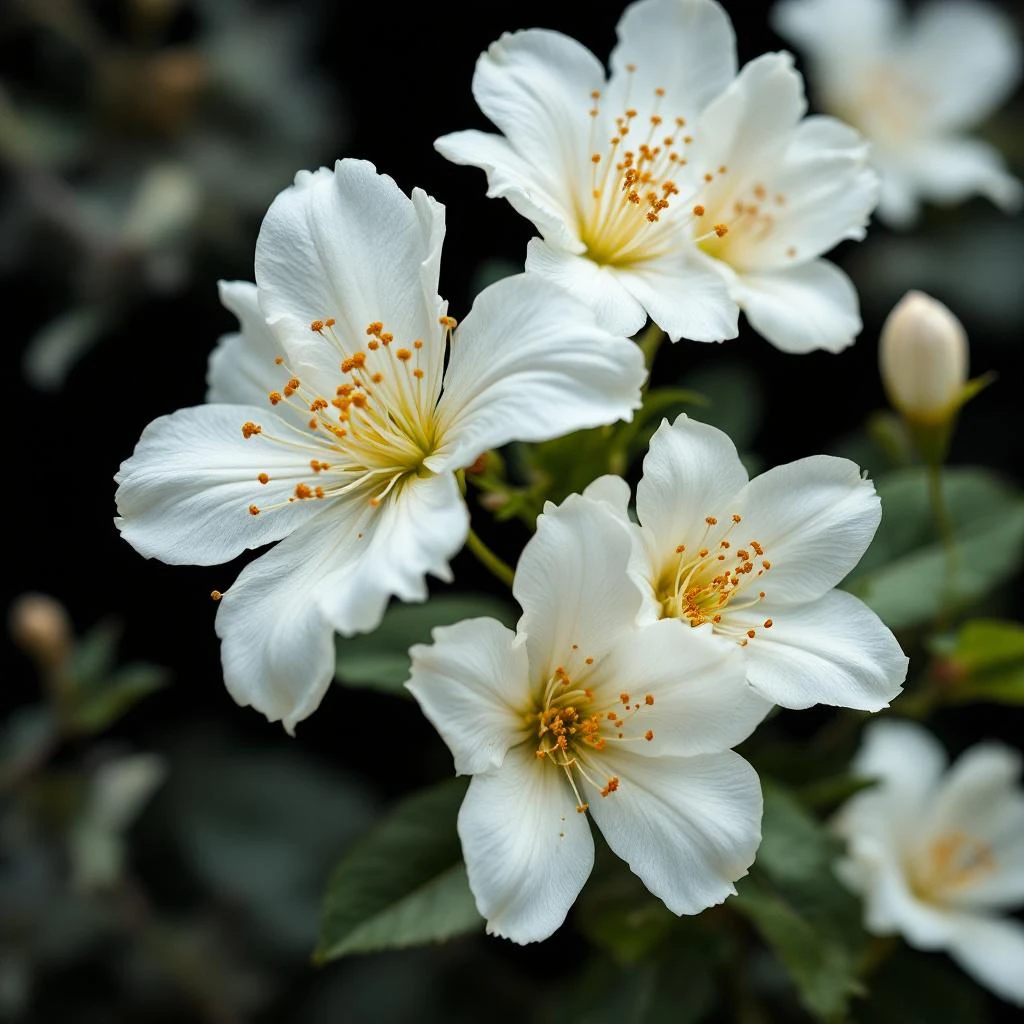
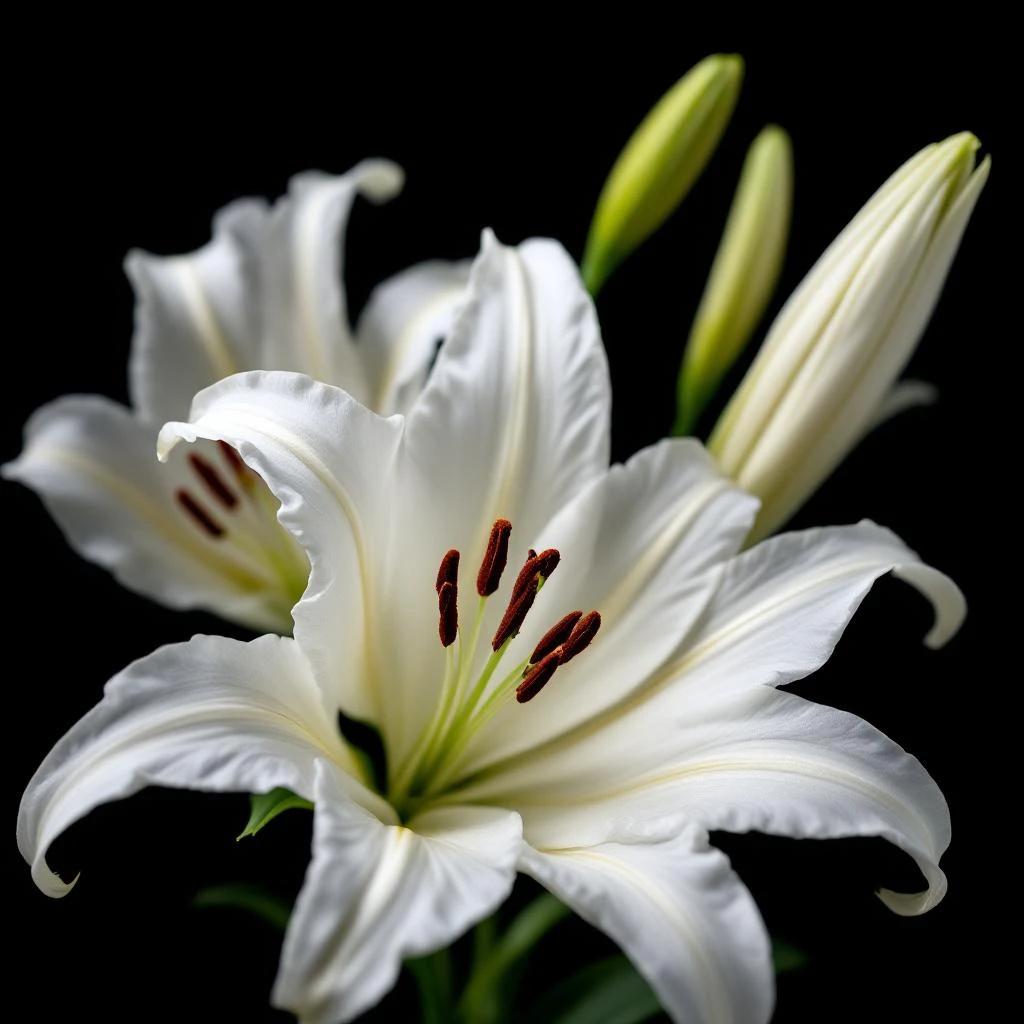
Golden Chain Flower
Golden Chain Flower, derived from the Laburnum tree, offers a rare, intensely sweet honey-violet scent that perfumers prize for its uniqueness. Despite its toxicity, careful extraction yields an extraordinary aromatic absolute used in fine fragrances.
Character
How it smells
Poisonous beauty yielding liquid gold
Every part of the Laburnum tree is toxic to humans and animals due to cytisine alkaloids, yet its flowers produce one of perfumery's most coveted aromatic absolutes.






Origin
Italy
The Laburnum tree has grown wild across the hillsides of southern Europe for millennia, celebrated for its spectacular cascading golden blossoms that transform landscapes each spring. Ancient Roman writers mentioned the tree, though primarily for its timber rather than fragrance. The ornamental cultivation expanded during the Renaissance when European aristocrats began planting Laburnum in palace gardens across France, Italy, and the Habsburg territories.
The flowers attracted little commercial interest until the early 20th century, when French nez began exploring unconventional botanical sources. The discovery of the flowers' intoxicating honey-violet scent aligned with a period when perfumers sought increasingly rare and distinctive materials. By the 1930s, small-scale extraction operations emerged in Italy and southern France.
Today, cultivation remains centered in the Italian Piedmont region and southern Switzerland, where microclimates produce flowers with the most complex aromatic profiles. The ingredient remains rare, appearing primarily in artisanal and niche fragrances where perfumers want distinctive top notes that synthetic alternatives cannot replicate.
Wears it best
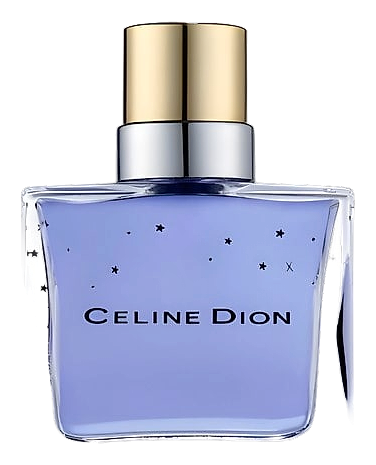
Fragrances featuring Golden Chain Flower
Good to know
Questions, answered
The essentials on Golden Chain Flower in perfumery: how it smells, where it comes from, and how it behaves on skin.
Is Golden Chain Flower absolute safe to use in perfume?
Yes, in diluted form it is safe. Professional perfumers use the finished absolute at trace concentrations (typically 0.1-0.5%) in fragrance bases. The raw botanical material is toxic, but the extraction process and dilution eliminate risks for consumers.
What does Golden Chain Flower smell like?
The absolute presents a rich honey-warm scent with violet undertones and a faint coumarin quality reminiscent of fresh-cut hay. It blends particularly well with iris, vanilla, and other sweet florals.
Can I grow Laburnum for perfume production?
Laburnum grows well in temperate climates with full sun and well-drained soil. However, all plant parts contain toxic alkaloids—keep children and pets away. Sustainable flower harvesting requires significant acreage for minimal yield.
Why is Golden Chain Flower absolute so expensive?
Harvesting requires protective equipment and careful handling due to toxicity. The yield is roughly 0.2% by weight, meaning 500 kilograms of flowers yield only 1 kilogram of absolute. Limited production and high labor costs drive prices to several thousand dollars per kilogram.
Are there synthetic alternatives to Golden Chain Flower?
No perfect synthetic replica exists. Certain aromatic molecules found in the absolute, including linalool and phenylacetaldehyde, can be reproduced individually, but the complete olfactory profile requires natural material.
What famous fragrances contain Golden Chain Flower?
The ingredient appears in less than two dozen commercial fragrances, primarily French and Italian niche houses. It serves as a signature element in several private collections from artisan perfumers who source directly from Italian extraction houses.
When should perfumers use Golden Chain Flower absolute?
The absolute works best as a modifier for honey, violet, and iris materials. It performs excellently in warm, oriental-style fragrances and adds unexpected depth to citrus-floral compositions at one percent or less.
Does sustainable harvesting of Laburnum exist?
Several Italian producers have established organic cultivation plots specifically for perfume production. These operations collect fallen petals from vibration-harvested branches, reducing plant stress while maintaining harvest efficiency.