Glycolierral
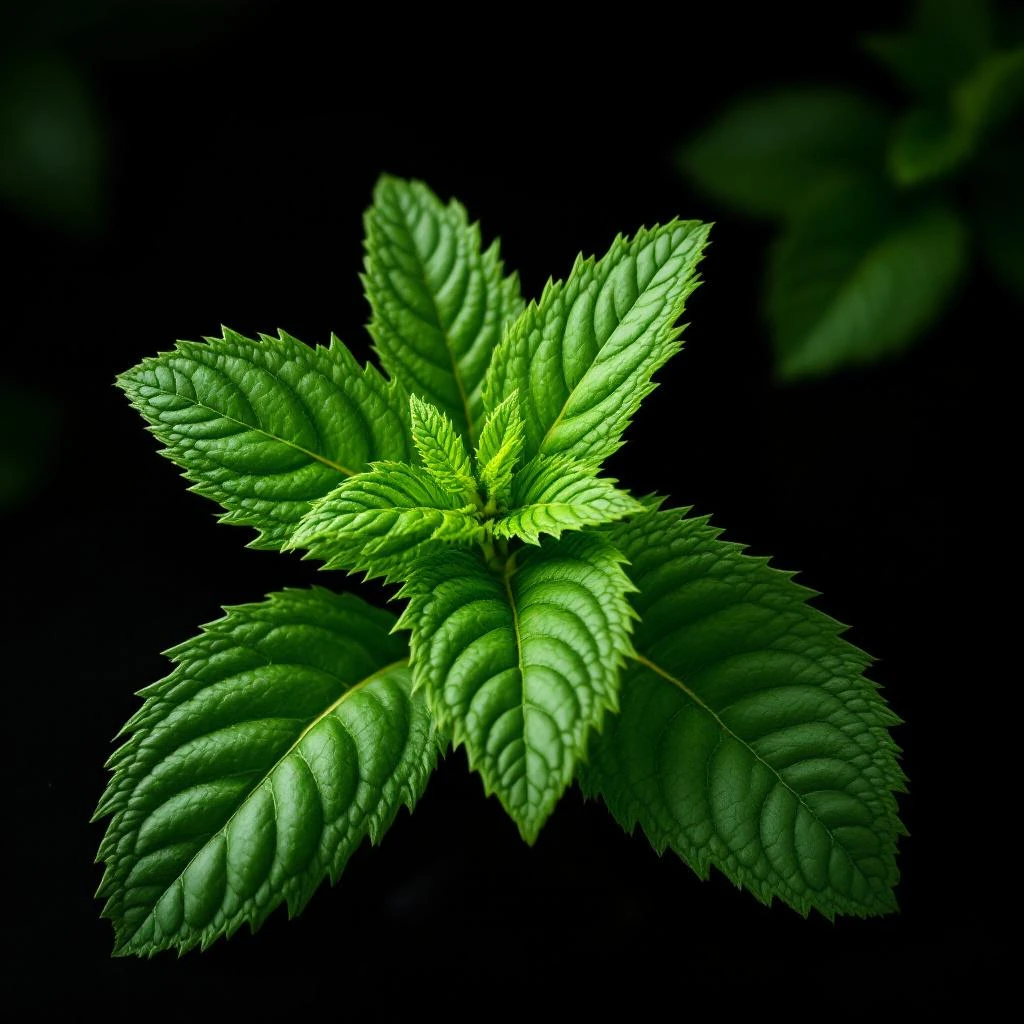
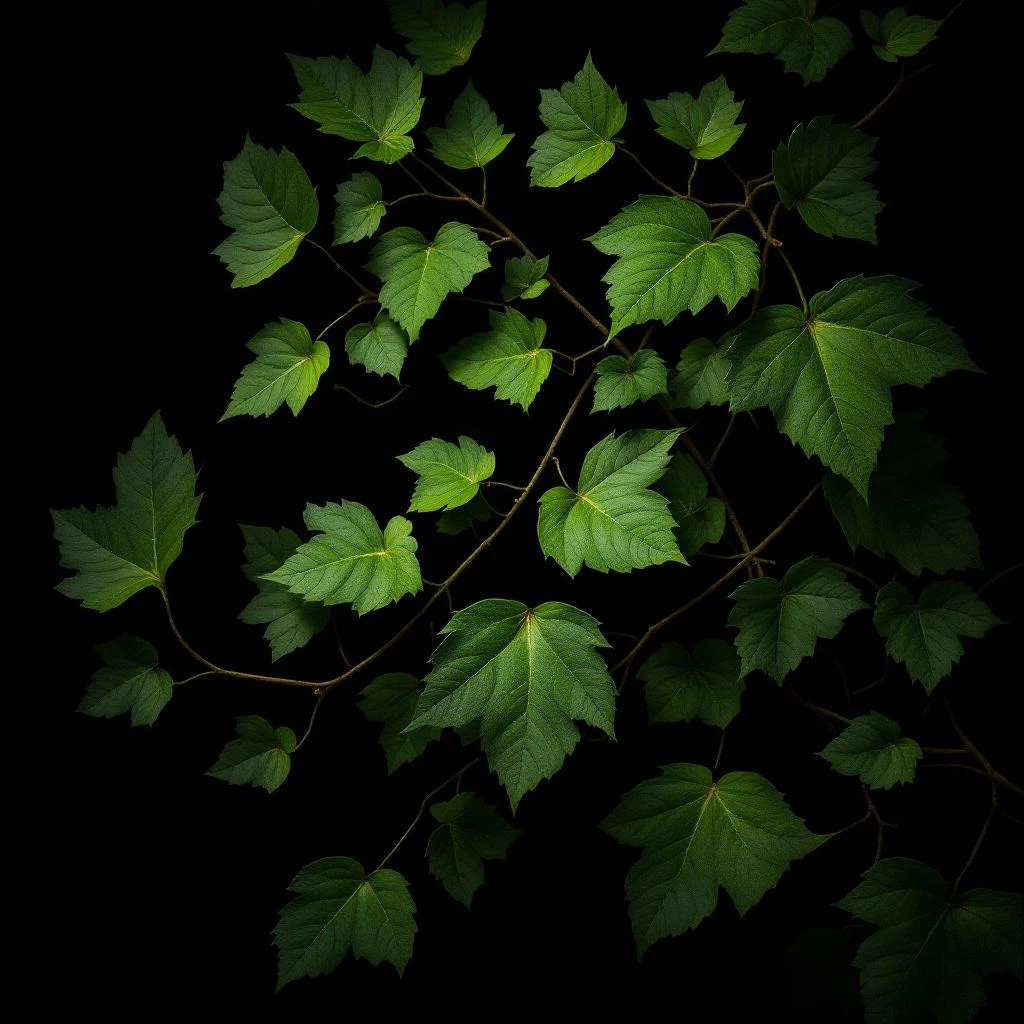
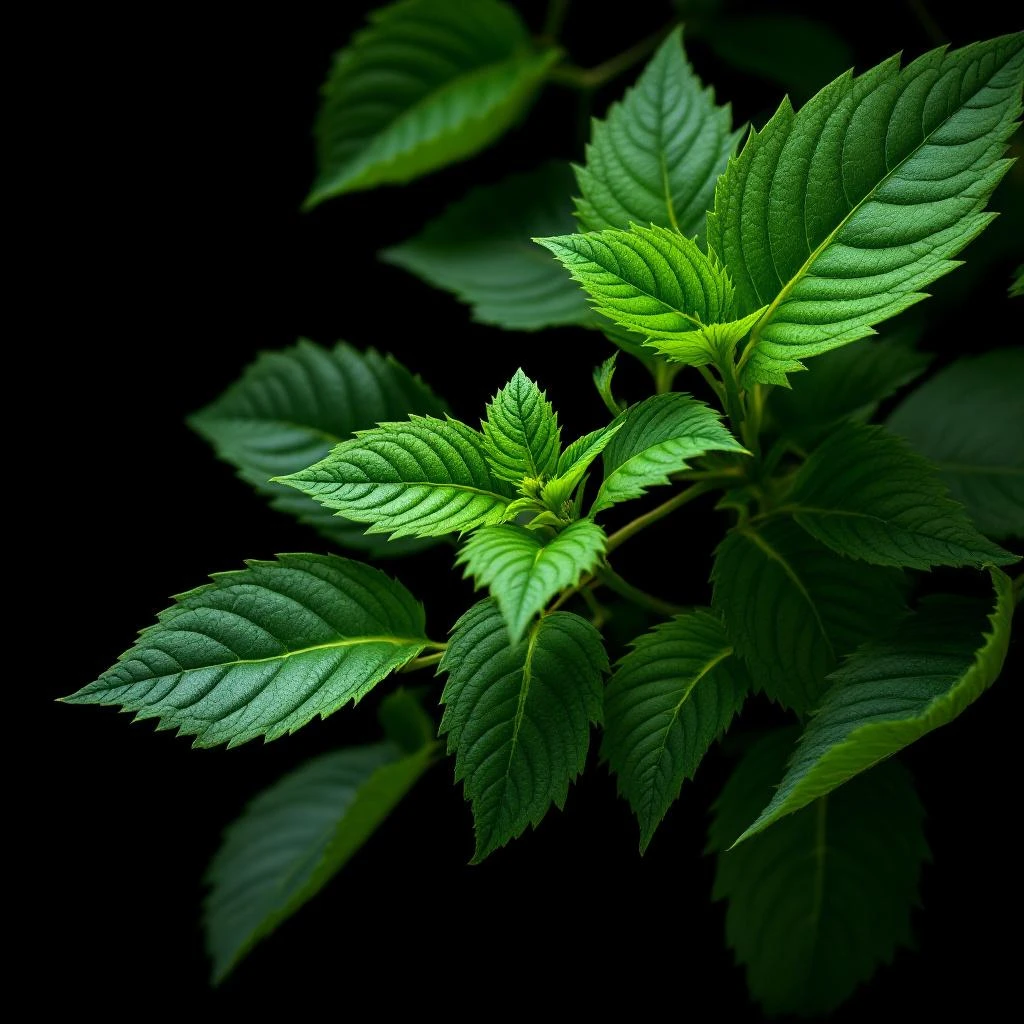
A synthetic green note with a crisp, slightly metallic edge. Glycolierral captures the essence of cut grass and crushed ivy leaves in a single molecule.
Character
How it smells
Green, crisp, and unexpectedly complex.
This single molecule replaces an entire palette of natural green notes, yet it took Givaudan's chemists years to balance its metallic character with natural freshness.
Origin
Switzerland
Givaudan introduced Glycolierral during a period when perfumers sought alternatives to natural green materials like galbanum and hyacinth. The name evolved from its early designation as Maceol glyceryl acetal, reflecting both its chemical structure and primary ketone component. During the late 20th century, fragrance houses faced increasing pressure to deliver consistent scent profiles across large production runs.
Natural green materials often vary in intensity due to growing conditions and seasonal factors. Givaudan's chemists addressed this challenge by creating a molecule that captures the fresh, cut-grass character found in nature without the variability. The development represented a broader shift toward synthetic aromatics that could standardize fragrance production while maintaining olfactory complexity.
Today, Glycolierral remains a staple in modern perfumery, particularly in fresh and green fragrance families where its stable character brings reliability to complex compositions.
Wears it best
Fragrances featuring Glycolierral
Brands
Brands known for Glycolierral
Good to know
Questions, answered
The essentials on Glycolierral in perfumery: how it smells, where it comes from, and how it behaves on skin.
What does Glycolierral smell like?
It presents a fresh, green aroma reminiscent of cut grass and crushed ivy leaves with a slightly metallic edge. The scent combines natural green characteristics with subtle nutty undertones that develop as the fragrance settles on skin.
Is Glycolierral natural or synthetic?
Glycolierral is a fully synthetic aromatic molecule developed by Givaudan. The Swiss fragrance house created it as a stable alternative to natural green materials, ensuring consistent olfactory profiles across fragrance batches.
Which fragrances feature Glycolierral?
Perfumers use Glycolierral primarily in green and fresh fragrance compositions, especially in top notes for women's fragrances and unisex scents. It also appears in functional products requiring long-lasting green character.
How stable is Glycolierral in formulations?
The molecule exhibits strong stability across alcohol, oil, and water-based bases. It retains its green character without significant alteration over time, making it reliable for both fine fragrance and cosmetic applications.
When did Givaudan develop Glycolierral?
Givaudan introduced Glycolierral during the late 20th century, a period when demand grew for consistent synthetic alternatives to variable natural green materials like galbanum and hyacinth.
What distinguishes Glycolierral from natural green notes?
Unlike natural materials that vary with harvest conditions, Glycolierral delivers batch-to-batch consistency. A single molecule replaces the complex palette of natural green notes while maintaining their fresh, cut-grass character.
Can Glycolierral blend with natural ingredients?
Yes, perfumers regularly combine Glycolierral with natural green materials like galbanum, violet leaf, and hyacinth to enhance and stabilize their green accords without masking their natural character.
What is the chemical structure of Glycolierral?
Glycolierral is a glycol acetal formed through the reaction of Maceol with glycerol derivatives. Its CAS number is 68901-32-6, and this specific structure provides its distinctive green, slightly metallic aroma profile.