Glazed Fig
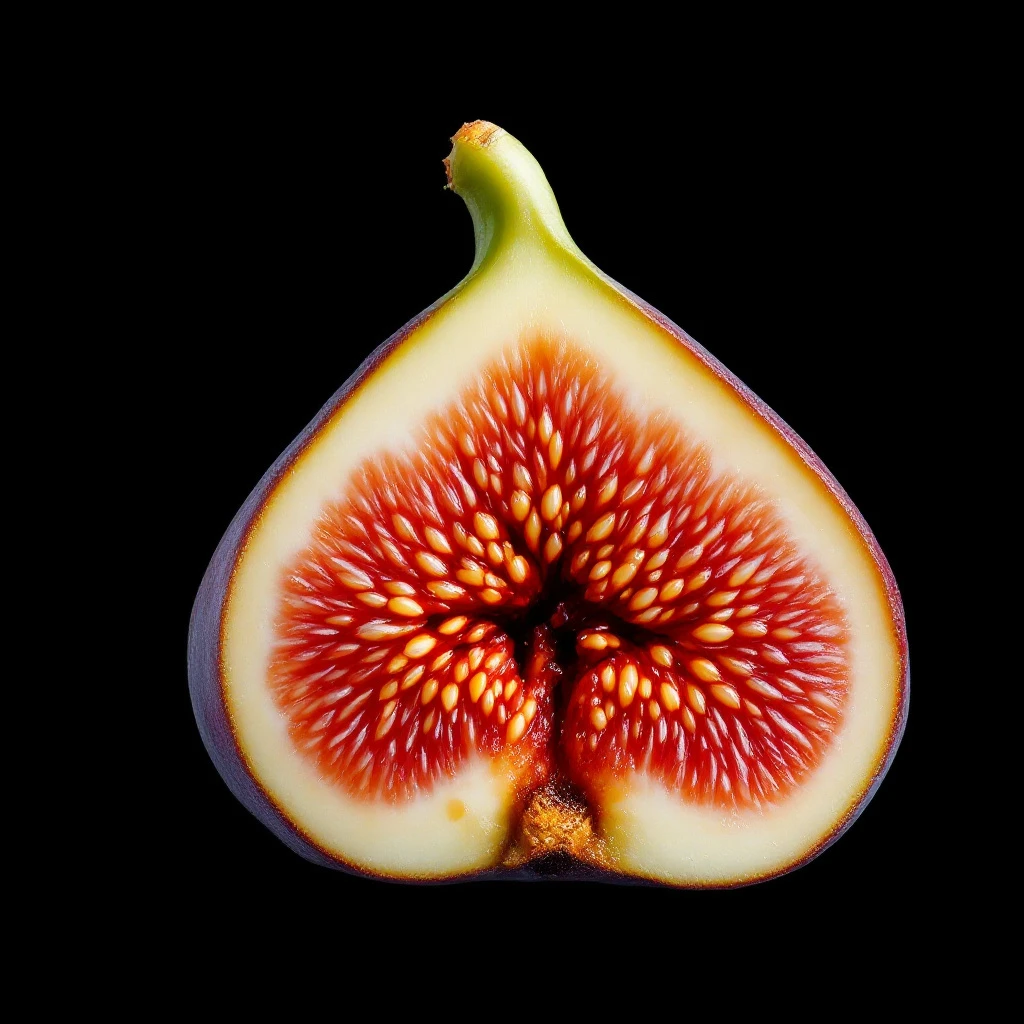
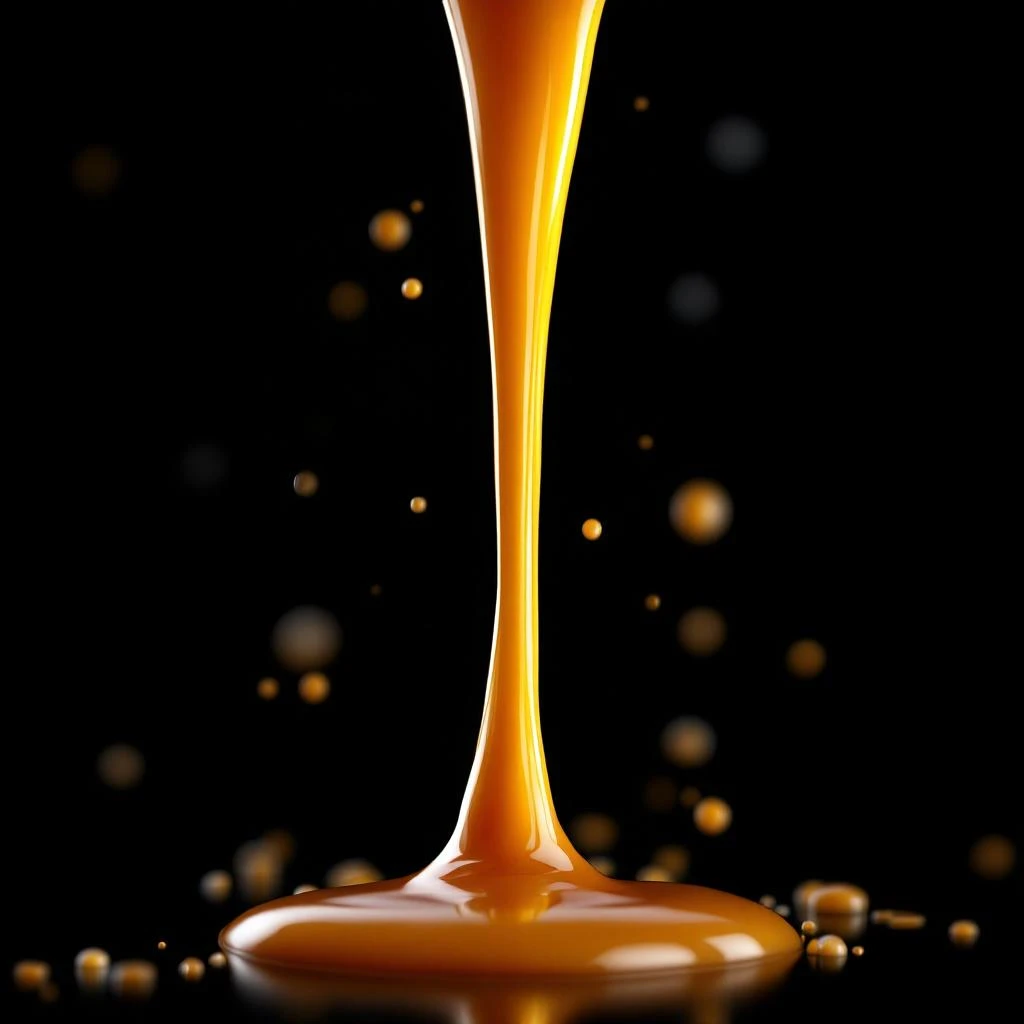
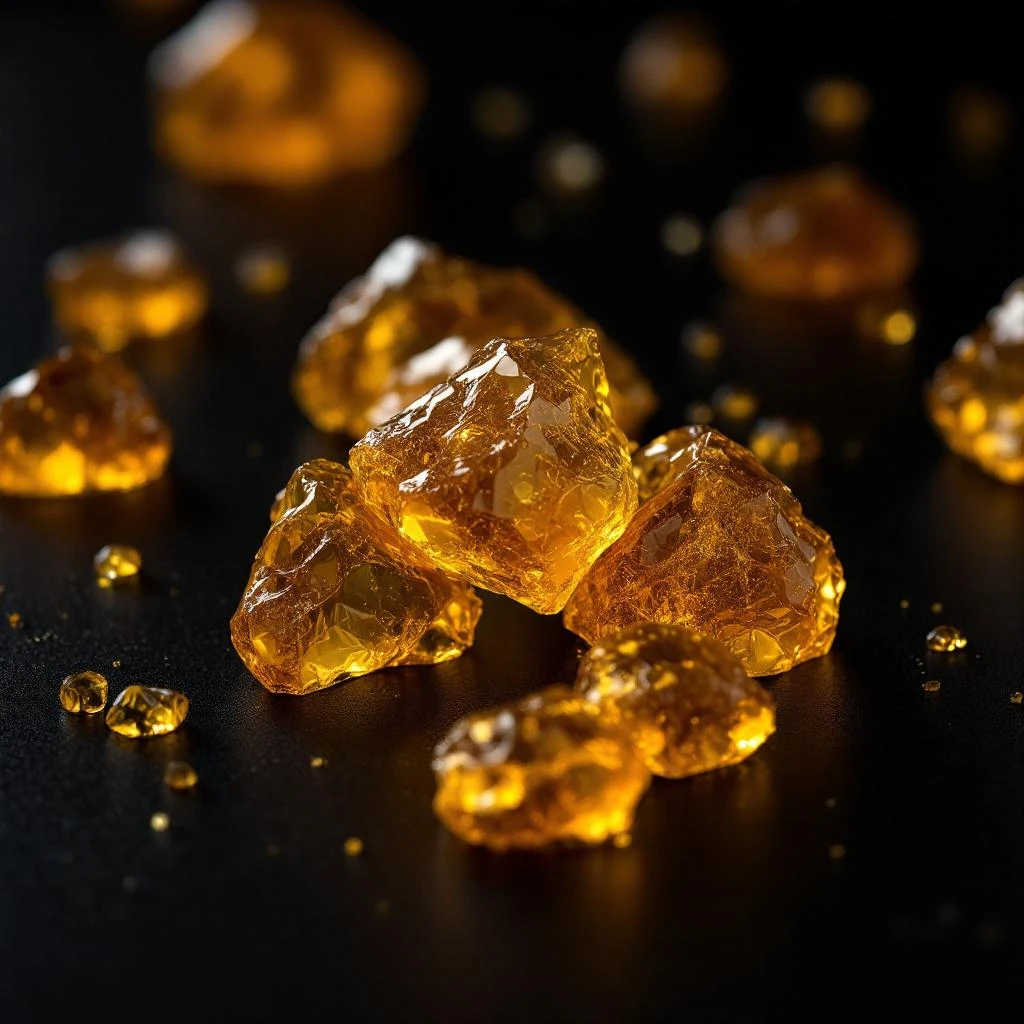
Glazed Fig captures the sun-ripened sweetness of Mediterranean fig, enhanced with a honeyed, caramelized warmth that feels like biting into a ripe fig just pulled from the tree. This note bridges the fruit's creamy freshness with indulgent, syrupy depth.
Character
How it smells
Mediterranean sweetness with warm, honeyed depth.
A single fig tree can produce up to 900 kilograms of fruit annually, giving perfumers abundant raw material for extraction.




Origin
Greece
The fig tree陪伴 humanity for over 11,000 years, making it one of the earliest cultivated plants. Ancient Mesopotamians prized figs for their sweetness and began incorporating them into ceremonial oils around 1200 BCE.
Greek perfumers later developed expression techniques in Sicily, creating aromatic materials from fig leaves and wood. The Greeks believed the fig tree was sacred to Dionysus, and its fruit symbolized abundance.
Medieval apothecaries used fig-based preparations for their supposed healing properties. Contemporary perfumers rediscovered fig's potential in the late 20th century, with brands like Diptyque pioneering fig-focused fragrances that highlighted the tree's green, woody, and fruity dimensions simultaneously.
Wears it best
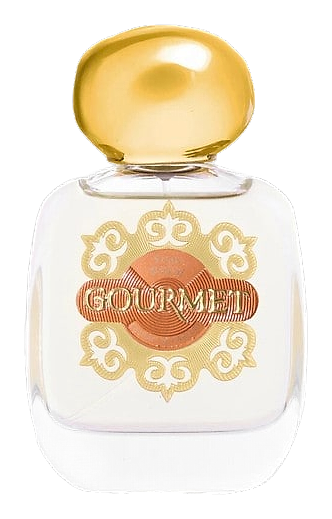
Fragrances featuring Glazed Fig
Brands
Brands known for Glazed Fig
Good to know
Questions, answered
The essentials on Glazed Fig in perfumery: how it smells, where it comes from, and how it behaves on skin.
What does Glazed Fig smell like?
Glazed Fig smells like ripe Mediterranean figs with warm, honeyed sweetness and subtle caramel undertones. The note combines creamy fruit with a syrupy depth that feels indulgent yet natural.
Is Glazed Fig a natural or synthetic ingredient?
Glazed Fig is a hybrid. Perfumers combine natural fig leaf absolute with synthetic molecules like gamma-decalactone to achieve the fruit's signature lactonic sweetness and staying power.
What extraction method produces fig absolutes?
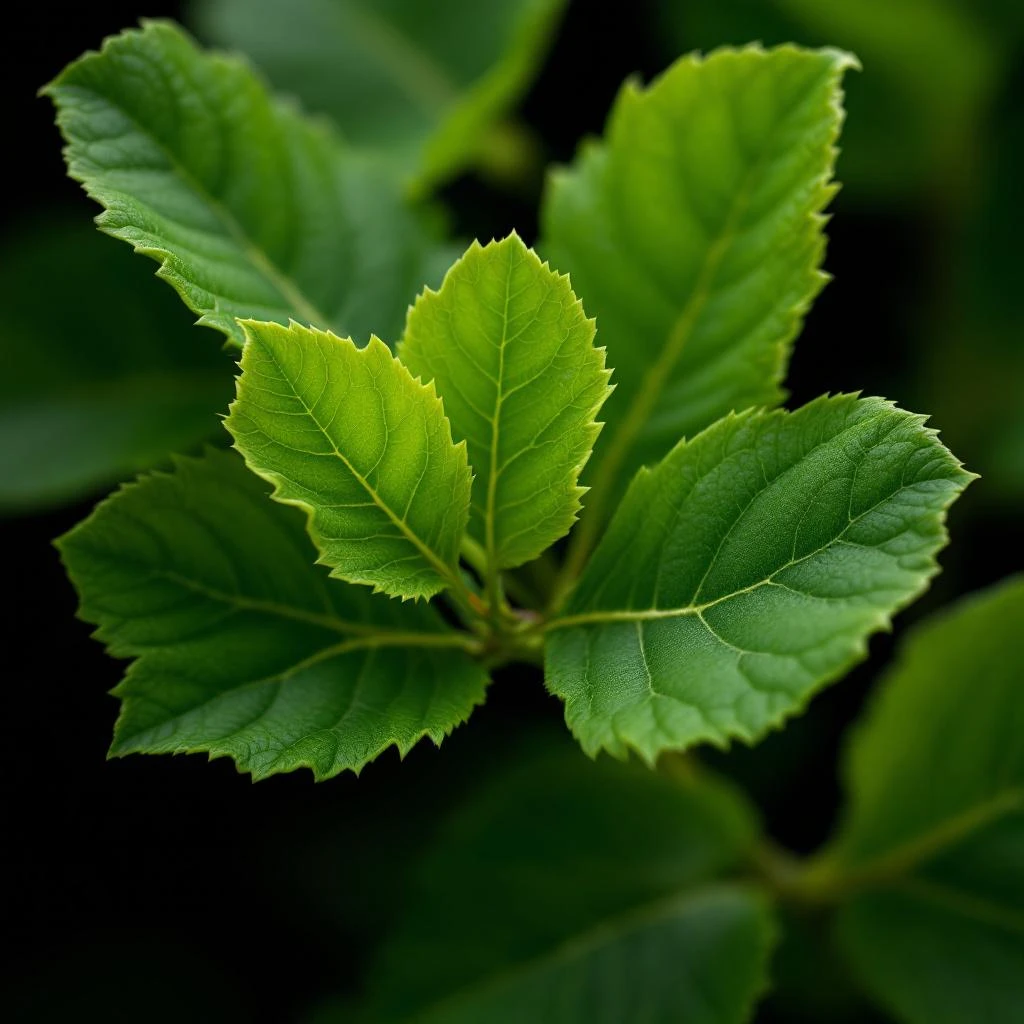
Fig leaf absolute uses sequential solvent extraction, a technique developed in France. This process separates the leaf's green, bitter notes from its honeyed, warm aromatic compounds.
Which perfumes feature Glazed Fig prominently?
Diptyque's Philosykos (1996) pioneered fig-focused perfumery, featuring the whole tree. More recently, Byredo's Bibliothèque and Jo Malone's Fig and Lotus Blossom use glazed fig elements for warmth.
Where do fig trees used in perfumery grow?
Mediterranean countries produce most perfumery-grade figs, particularly Greece, Turkey, and Sicily. The warm, dry climate concentrates the fruit's aromatic compounds and sugar content.
Does Glazed Fig work well with other notes?
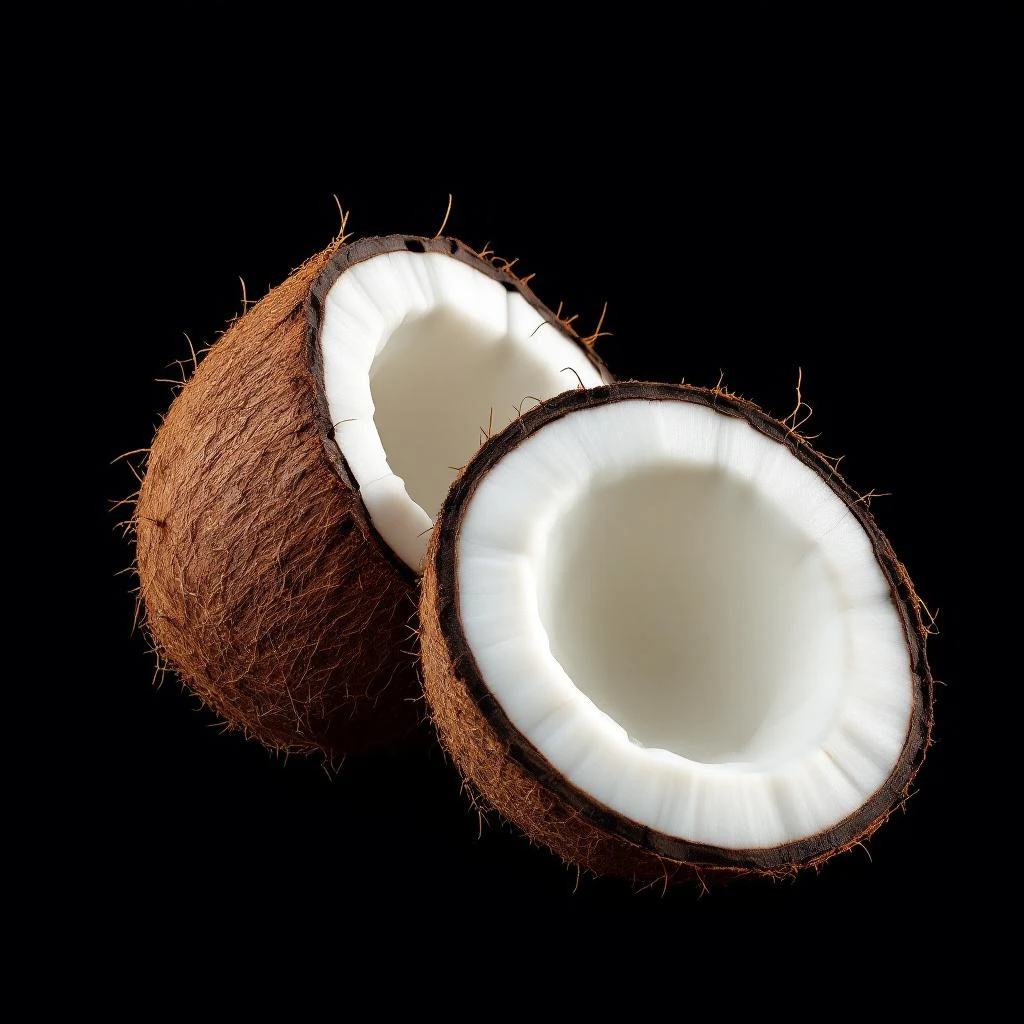
Glazed Fig pairs naturally with cedarwood, coconut, and green tea. These pairings enhance either the woody, tropical, or fresh dimensions of the fig character.
How long has fig been used in perfumery?
Fig appears in perfumery records dating to ancient Mesopotamia around 1200 BCE. Modern fig-focused fragrances emerged in the 1990s when perfumers began exploring the entire tree's aromatic potential.
What makes Glazed Fig different from fresh fig?
Fresh fig is watery and subtle; Glazed Fig emphasizes the fruit's warm, honeyed sweetness through concentrated absolutes and strategic synthetics that amplify its caramelized character.