Ginseng Tea
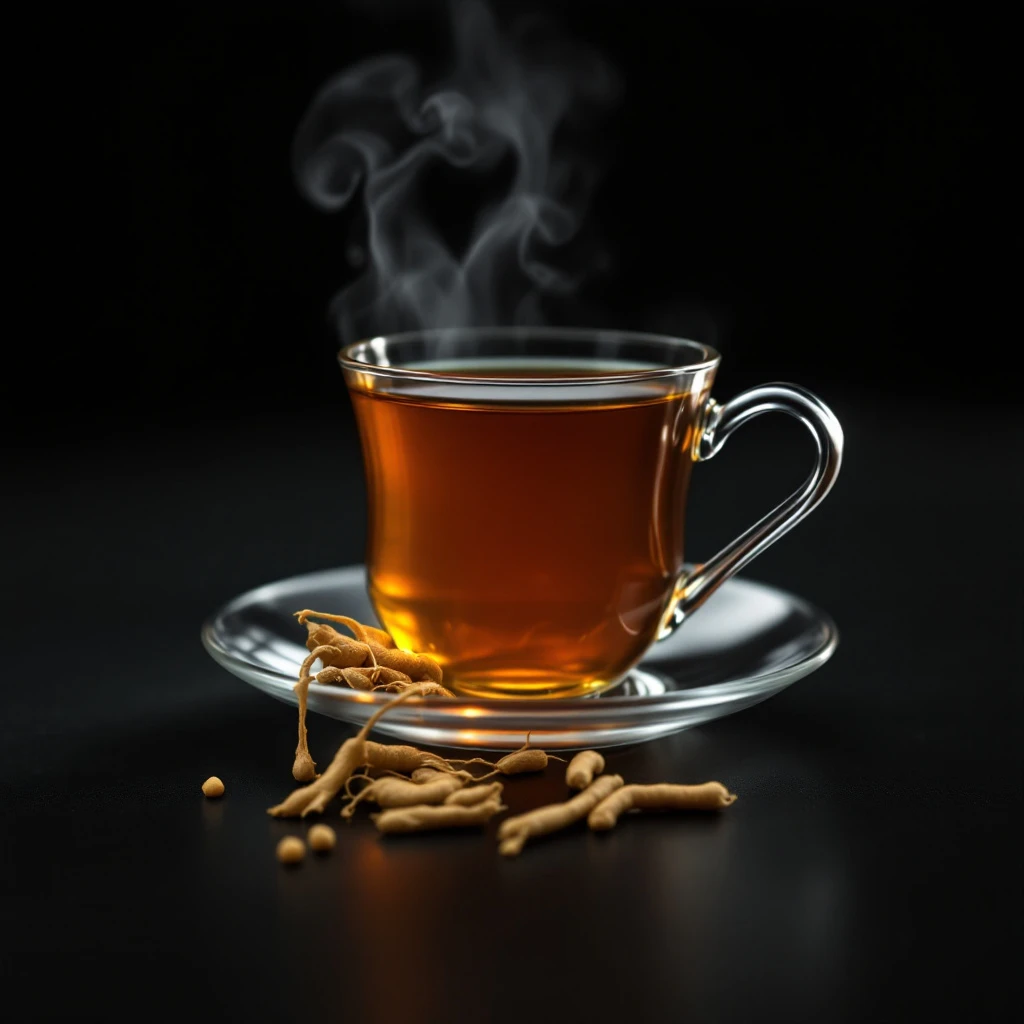
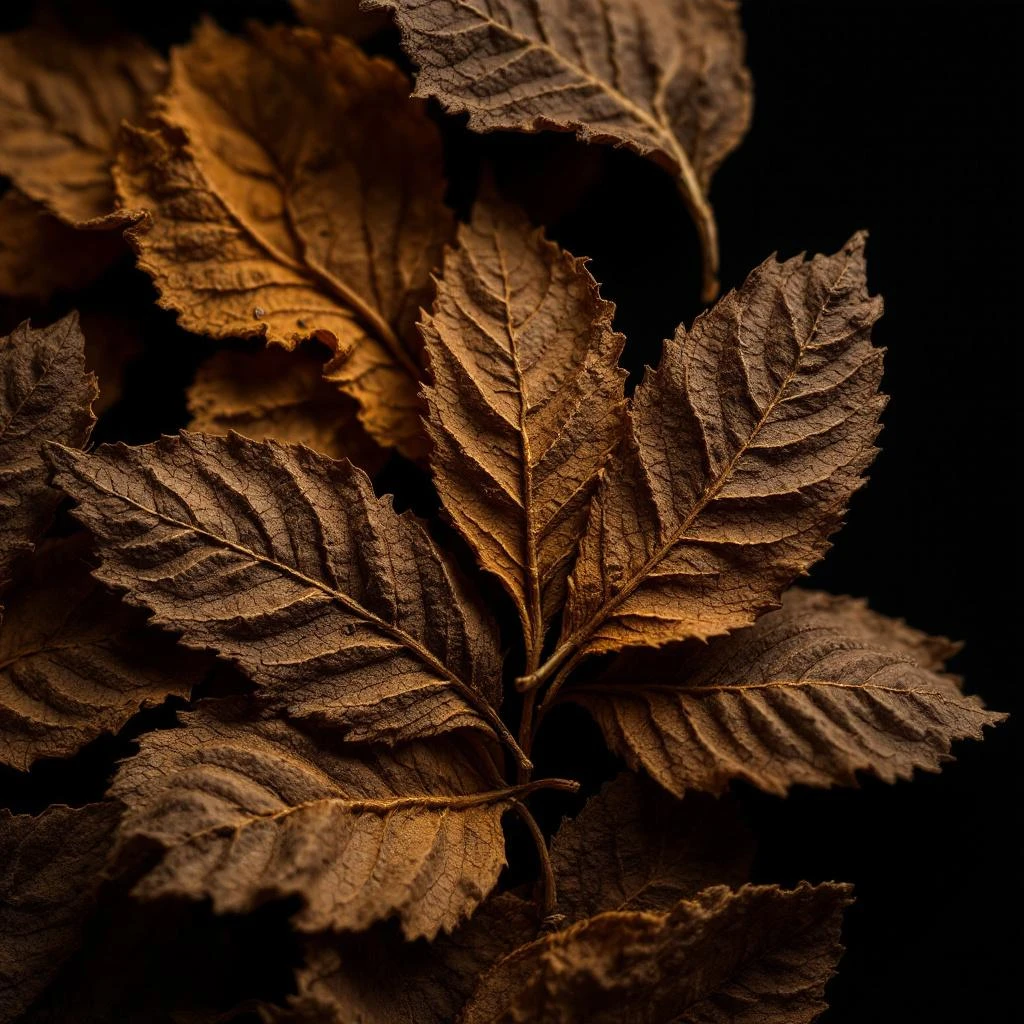
Ginseng root carries one of perfumery's most coveted earthy signatures. Beyond its celebrated medicinal heritage, this ancient ingredient delivers a grounding, mineral-rich depth that transforms fragrance compositions into something meditative.
Character
How it smells
The root that outranked silk.
During Korea's Joseon Dynasty, wild ginseng was so valuable it ranked above silk in official trade schedules, and possession of the finest specimens was a royal prerogative.
Pairs beautifully with





Origin
South Korea
Ginseng's use stretches back over two millennia in Northeast Asia. The earliest documented records appear in Chinese medical texts from the Han Dynasty, where it features as a tonic for restoring vital energy. The indigenous peoples of the Korean peninsula used wild ginseng long before written records, incorporating it into shamanic healing rituals and trading networks that reached into China and beyond.
The botanical name Panax derives from the Greek pan- (all) and akos (remedy), translating roughly as "cure-all"—a testament to its perceived versatility in traditional medicine. During Korea's Joseon Dynasty, wild ginseng held such prestige that the state monopolized its trade, with fines imposed on unauthorized harvesting. European traders encountered ginseng through Chinese markets but initially showed little interest until Jesuit missionaries reported on its ubiquity in Asian healing traditions.
Perfumery adopted ginseng much later, following the broader interest in Asian botanicals that emerged in late-twentieth-century fragrance development. Niche perfumers, particularly those exploring meditative and wellness-oriented scent profiles, first incorporated ginseng extracts in the 1990s. Today, it appears across multiple fragrance families, valued for the earthy grounding it brings to green, woody, and oriental compositions. Korea remains the primary source, though Chinese and American varieties also enter the supply chain.
Wears it best
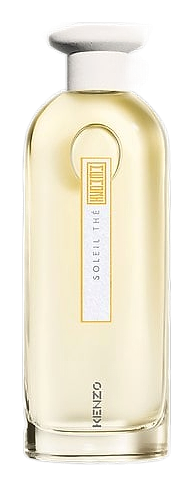
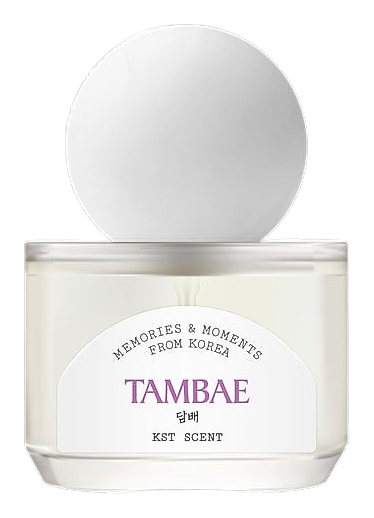
Fragrances featuring Ginseng Tea
Good to know
Questions, answered
The essentials on Ginseng Tea in perfumery: how it smells, where it comes from, and how it behaves on skin.
What is ginseng root in perfumery?
Ginseng root is an aromatic extract derived from Panax ginseng, used to add earthy, mineral, and slightly bitter depth to fragrance compositions. It appears primarily in niche and wellness-oriented perfumes.
How is ginseng root extracted for fragrance use?
Dried ginseng roots undergo solvent extraction, typically using ethanol or hexane. The process yields a concrete first, then an absolute with a characteristic earthy profile. Supercritical CO2 extraction is also used for premium products.
What does ginseng root smell like?
Ginseng root carries an earthy, mineral-rich aroma with subtle bitter undertones and faint sweet residuals. It reads as grounding and meditative in a fragrance composition, rarely dominant but highly stabilizing.
Is ginseng the same as green tea in perfumery?
No. While both originate in East Asia, tea notes come from Camellia sinensis leaves, whereas ginseng derives from Panax roots. Their aromatic profiles differ significantly: tea is fresh and grassy, ginseng is earthy and mineral.
Where does perfumery-grade ginseng originate?
Korea remains the primary source, particularly regions in the southeast where soil conditions favor slow, dense root development. Northern China and parts of Siberia also produce viable material.
How does ginseng root appear in fragrance history?
Ginseng held medicinal importance in Northeast Asian traditions for over 2,000 years before entering Western perfumery. It reached niche fragrance use in the 1990s as perfumers explored Asian botanicals for wellness-oriented scent profiles.
What notes pair well with ginseng root?
Ginseng absolute complements other Asian botanicals including green tea, ginger, and citrus. It also integrates well with woody and aromatic materials, adding depth without dominating the composition.
How do I identify quality ginseng root extract?
Ask your supplier for the extraction method and botanical Latin name. Solvent extraction is standard, but supercritical CO2 produces a cleaner result. Request the harvest year—older material degrades—and verify the origin country. Reputable suppliers provide batch-specific documentation.