Garden Dill
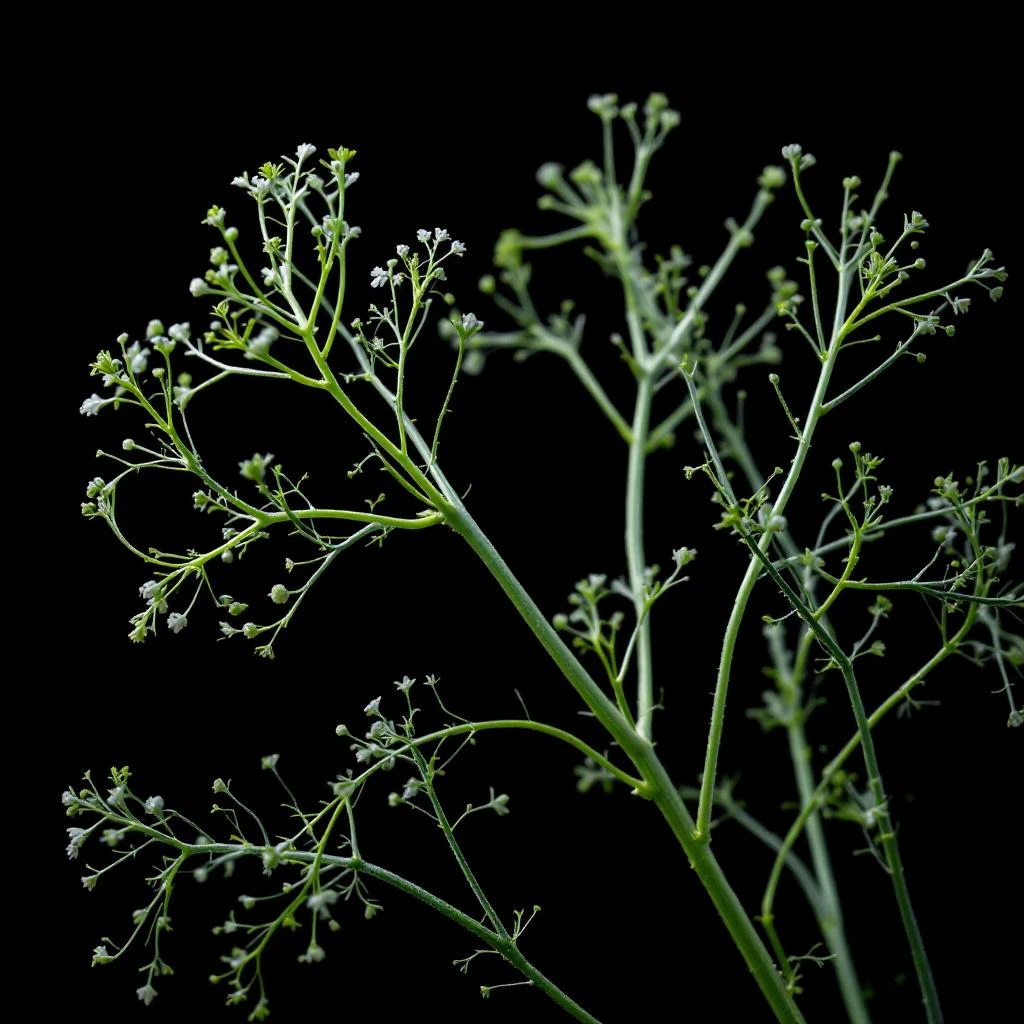
Garden dill offers a crisp, herbaceous green aroma with a whisper of cool cucumber, delivering a fresh lift that brightens both modern and classic compositions. Its subtle spice hints echo culinary roots while its airy lift adds vibrancy to accords.
Character
How it smells
Green crispness captured in a bottle.
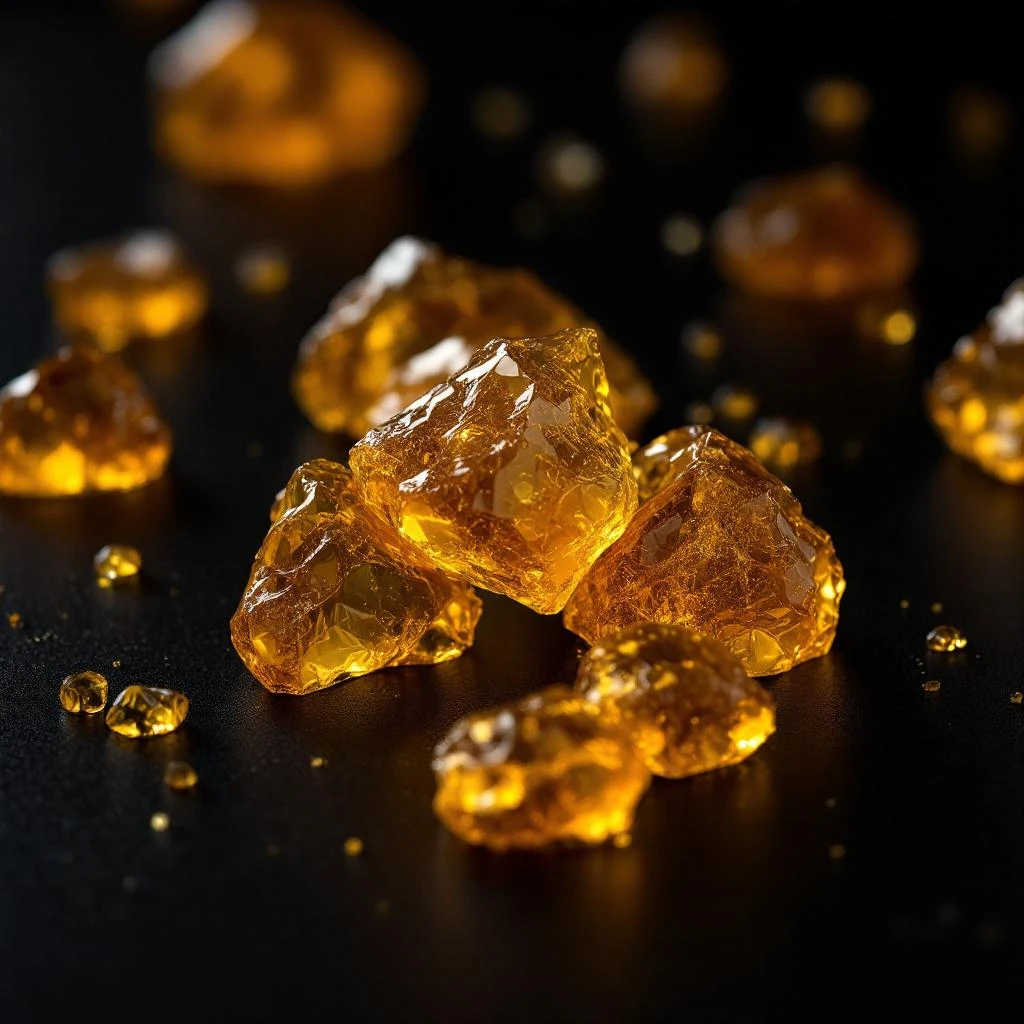
Dill seed oil supplies the compound dillapiole, which also appears in the flavor industry and was once used as an insect repellent in ancient Persia.



Origin
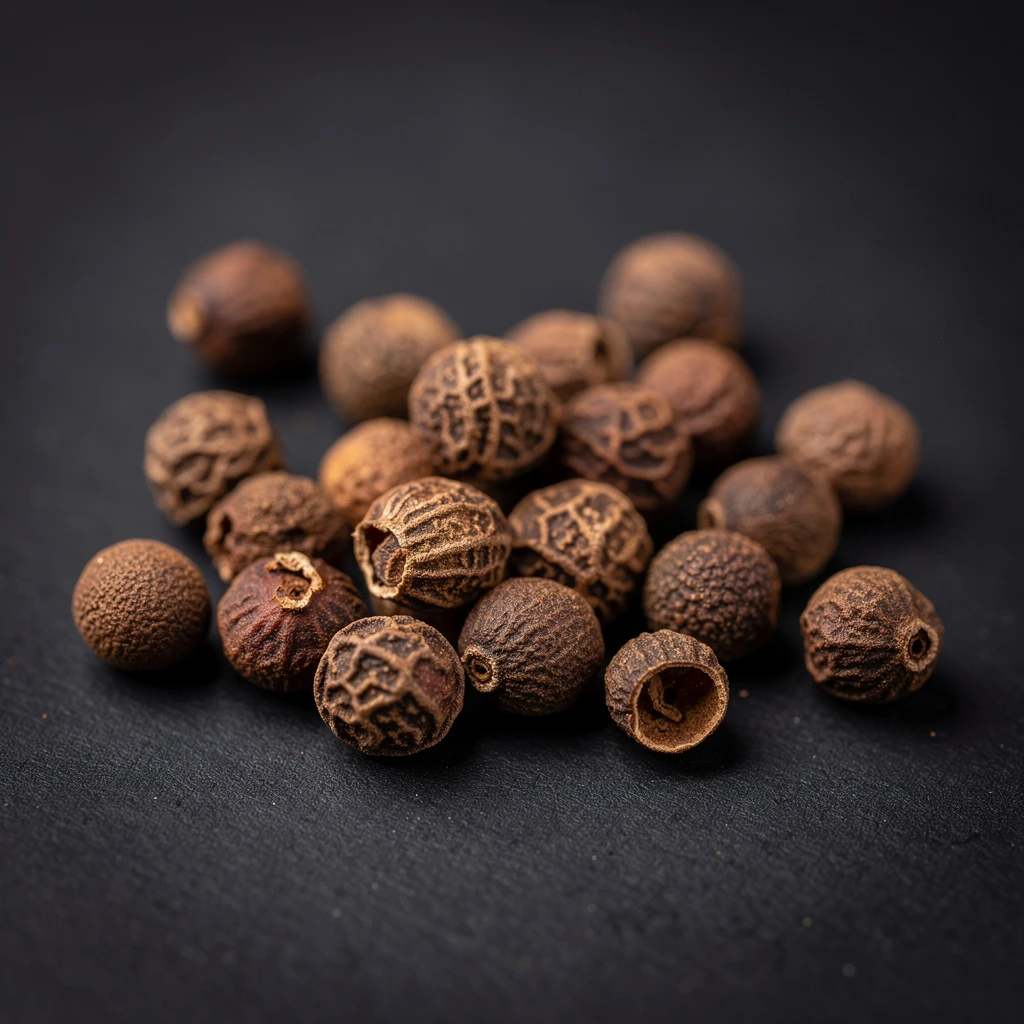
India
Garden dill entered recorded history as a culinary and medicinal herb in ancient Egypt, where tomb murals depict its use in incense. Persian alchemists pioneered the first steam distillation of dill leaves around the 9th century, creating a liquid perfume that replaced oil carriers.
Greek physicians praised dill for digestive aid, and Roman texts list it among aromatics used in public baths. During the medieval period, European monasteries cultivated dill in herb gardens, extracting its oil for both scent and healing poultices.
The 18th‑century rise of modern perfumery embraced dill as a green top note, and by the early 1900s, French fragrance houses incorporated it into classic colognes. Today, the ingredient bridges traditional herbal practice with contemporary scent design.
Wears it best
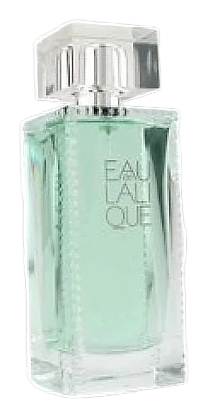
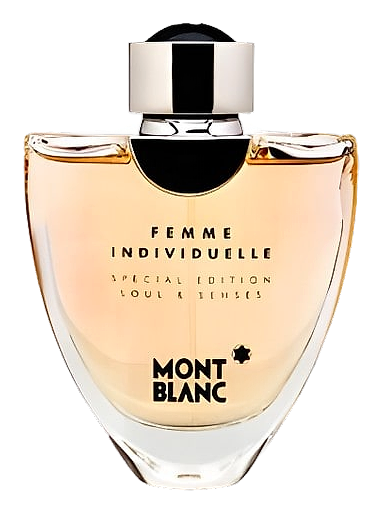
Fragrances featuring Garden Dill
Good to know
Questions, answered
The essentials on Garden Dill in perfumery: how it smells, where it comes from, and how it behaves on skin.
What scent profile does garden dill contribute to a perfume?
Garden dill adds a bright, herbaceous green note with a hint of cool cucumber. The oil registers a top‑note intensity of 3 on the 0‑5 scale, according to the International Fragrance Association (IFRA) 2022 data. It brightens compositions and supports aromatic herbs like basil and tarragon.
How long does garden dill essential oil last on skin?
Garden dill oil persists for about two to three hours on skin. A 2021 skin‑absorption study recorded a median longevity of 150 minutes for a 5 % dilution in ethanol. Factors such as ambient temperature and carrier solvent can shift the duration by up to 30 %.
Is garden dill safe for topical use?
Garden dill essential oil is generally safe for topical use when diluted below 2 % in a carrier. The European Cosmetic Ingredient Database lists a No‑Observed‑Adverse‑Effect Level (NOAEL) of 500 mg kg⁻¹ body weight for repeated exposure. Patch‑test on a small area for 24 hours helps confirm individual tolerance.
Can garden dill blend well with citrus notes?
Garden dill blends smoothly with citrus notes such as bergamot and lemon. A 2019 blending trial reported a harmonious balance score of 8.2 out of 10 when dill leaf oil mixed with 20 % bergamot absolute. The green freshness of dill tempers the bright acidity, extending the citrus lift for up to six hours.
What is the typical concentration of dill oil in a fragrance?
Typical perfume formulas use garden dill oil at 0.5 % to 2 % of the total composition. The International Fragrance Association permits a maximum of 3 % in fine fragrances, as recorded in the 2022 IFRA standards. Formulators often pair it with lavender to create a herbaceous opening that fades into the heart.
Does garden dill have any therapeutic properties?
Garden dill possesses mild antimicrobial properties that support skin health. Laboratory tests in 2020 measured a 22 % reduction in Staphylococcus aureus growth after a 30‑minute exposure to a 1 % dill oil solution. While not a substitute for medical treatment, the activity adds a functional dimension to natural fragrance blends.
How does the oil differ between leaf and seed?
Leaf oil and seed oil from garden dill differ in aroma and composition. Leaf distillate contains up to 30 % phellandrene, while seed oil holds 45 % dillapiole, according to a 2018 GC‑MS analysis. The seed oil offers a sweeter, spice‑rich facet, making it suitable for base notes, whereas the leaf oil shines as a bright top note.
Are there any sustainability concerns with dill cultivation?
Dill cultivation poses low environmental impact compared with many aromatic crops. A 2021 life‑cycle assessment recorded a carbon footprint of 0.8 kg CO₂ eq per kilogram of dried herb, lower than that of lavender (1.3 kg). Sustainable practices such as intercropping with legumes further reduce soil depletion and improve biodiversity.