Fungal Spores
Earthy, mushroom-like accords shaped from fungal spores bring a damp forest floor character to modern perfumery. These microscopic reproductive units yield surprising depth in compositions seeking raw, naturalistic realism.
Character
How it smells
Forest floor bottled
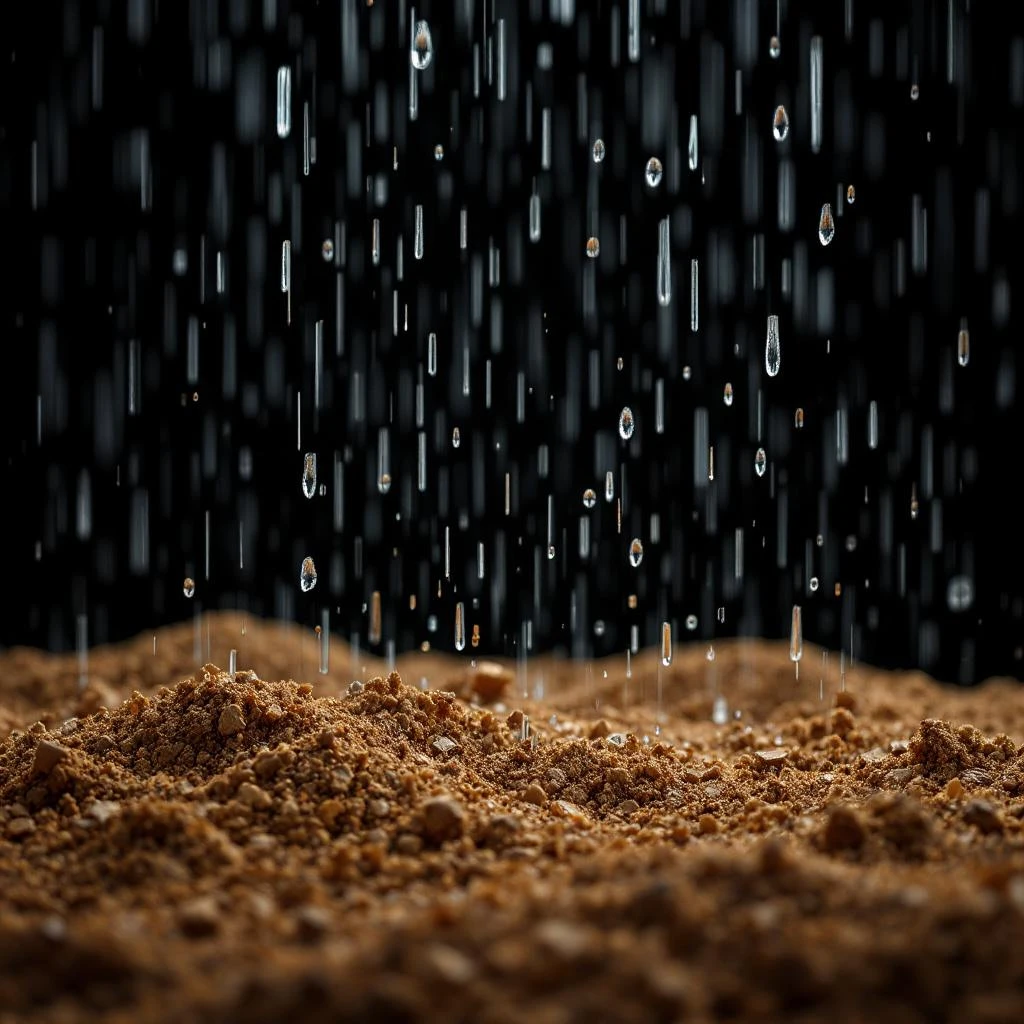
Fungi produce trillions of spores annually, and their volatile organic compounds include 1-octen-3-ol, the same molecule responsible for the smell of fresh rain on soil.
Pairs beautifully with
Origin
France
Fungal aromas entered perfumery surprisingly late. While incense burners in ancient Mesopotamia incorporated truffle and mushroom-adjacent resins over 4,000 years ago, structured use of fungal notes in fragrance compositions only emerged in the late 20th century. The 1980s saw French perfumers experimenting with mushroom extracts for naturalistic green compositions, though these early attempts were inconsistent due to the instability of fungal volatile compounds.
A breakthrough came in 2001 when a Swiss biotech firm successfully isolated and stabilized 1-octen-3-ol through fermentation, making reliable fungal notes commercially viable. Since then, niche perfumers in France and Japan have championed truffle and mushroom accords as markers of intellectual, unconventional scent design. The mushroom note became particularly prominent in 2010s avant-garde releases, often paired with oakmoss, patchouli, and geosmin to evoke petrichor and forest understory.
Today, fungal-derived ingredients represent one of the smallest but most distinctive categories in the perfumer's palette, prized for their ability to ground ethereal florals and bright citruses with an earthy anchor.
Wears it best
Fragrances featuring Fungal Spores
Brands
Brands known for Fungal Spores
Good to know
Questions, answered
The essentials on Fungal Spores in perfumery: how it smells, where it comes from, and how it behaves on skin.
What does fungal spores smell like in perfume?
Fungal spore accords produce a damp, earthy aroma reminiscent of forest floors after rain. The dominant compound, 1-octen-3-ol, delivers a distinctive mushroom-like quality that reads simultaneously green, metallic, and subtly sweet.
Are fungal notes natural or synthetic in perfumery?
Most fungal notes today are produced via biofermentation, where specific yeast or mold strains generate target aroma molecules in controlled bioreactors. This method offers consistency and sustainability compared to harvesting wild mushrooms.
When was the mushroom note first used in perfume?
Structured use of fungal accords in perfumery emerged in the 1980s through French experimentalists, but became commercially viable only after 2001, when stabilization techniques for 1-octen-3-ol were developed in Switzerland.
Which perfumes feature fungal or mushroom accords?
Several niche releases from French and Japanese houses during the 2010s prominently featured truffle and mushroom notes, typically paired with oakmoss, patchouli, and geosmin to evoke damp woodland atmospheres.
Why are fungal notes becoming more popular in fragrance?
Demand grew as perfumers sought naturalistic, unconventional ingredients that break from traditional floral and citrus paradigms. Fungal accords offer depth and grounding effects that appeal to consumers seeking intellectual, boundary-pushing compositions.
Is 1-octen-3-ol safe to use in perfume?
Yes, 1-octen-3-ol is approved for use in cosmetic and fragrance applications by major regulatory bodies including IFRA. Its strong odor means typical usage concentrations remain very low, generally below 0.5% of a formula.
How do fungal notes differ from truffle accords?
Truffle accords are a specific subset of fungal notes, usually derived from Tuber species and carrying sulfurous, garlic-like nuances. General fungal spore accords tend to read cleaner and more uniformly mushroom-like without those heavier savory edges.
Can fungal spores be harvested sustainably?
Wild harvesting is neither scalable nor sustainable. Modern production relies on cultivated mycelium farms and fermentation tanks, which produce consistent aroma compounds year-round without depleting natural fungal populations.