The Story
Why it exists.
The beginning
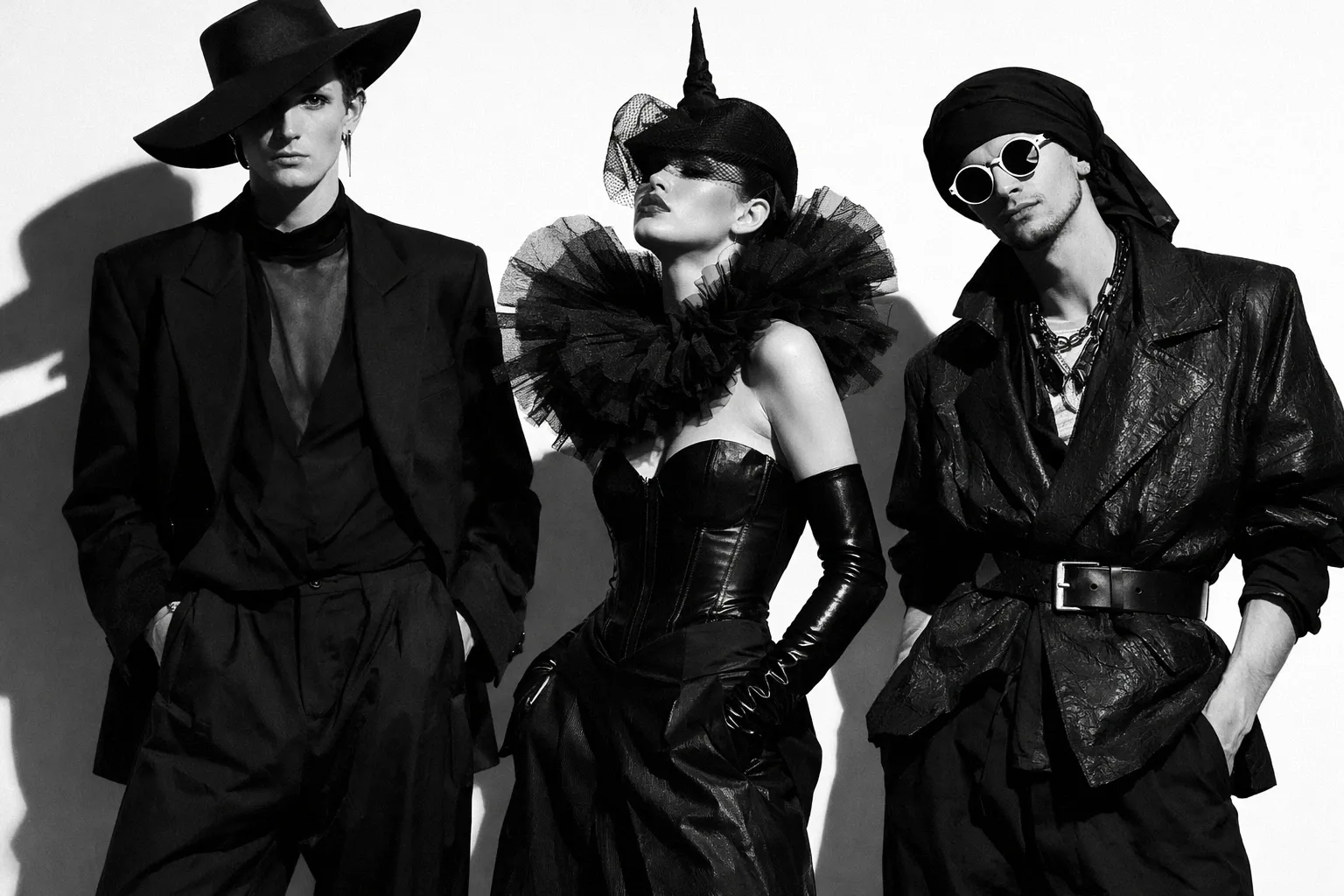
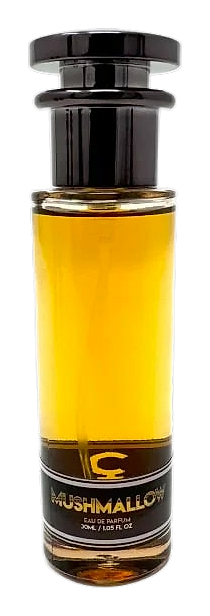
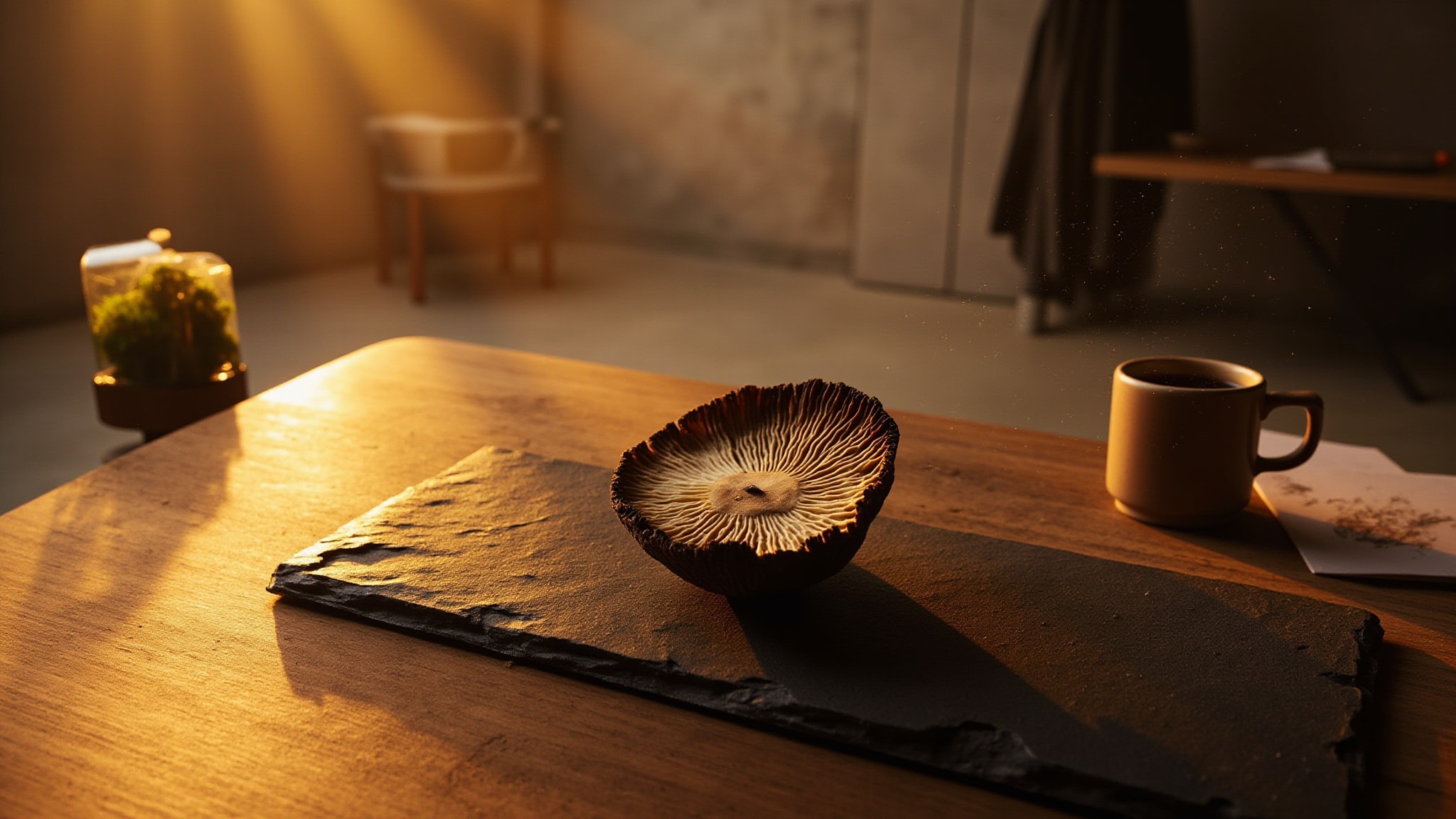
Mushmallow arrives with a specific costume: The Mushroom Hunter, The Culinary Psychonaut, The Faeries' Midwife. The name fuses mushroom and marshmallow, two words that have no business in the same sentence, and that's the point. CLST operates at the intersection of conceptual art and olfactory craft, and Mushmallow reads less like a perfume and more like a brief prose poem about waking up face down on the forest floor. The brand frames each release as a persona you step into, and J.K. Robbins built the house around one question: who do you want to be today? This bottle answers with loam and spores and a custard sweetness that's more witch's kitchen than dessert case.
What sets Mushmallow apart is its refusal to dress up the dirt. The top notes aren't a polite suggestion of forest, they're soil, moss, fungal spores, and mugwort, unapologetic and raw. The heart builds on that same material with orris root threading through, a powdery iris note that adds an almost mineral coolness rather than floral lift. Then the vanilla custard arrives in the base, but late, as if it's been underground the whole time and only now surfaces.
The evolution
The opening is a forest floor in close-up. Soil, moss, and fungal spores land immediately, and there's no soft landing. The mugwort cuts through with a bitter green sharpness that keeps things from going stagnant. It smells exactly like digging in damp earth after a rain, a little cold, a little alive. As the composition moves forward, the orris root surfaces, adding a cool, powdery quality that shifts the mood from damp to something more mineral, almost chalky. Then the vanilla custard begins its slow ascent. It doesn't burst in. It seeps. The sweetness rounds the edges of the soil and moss without ever replacing them, so the earthiness reads as warm rather than rotting. Over time, the drydown settles into a creamy, mushroom-adjacent warmth with the faintest custard sweetness threading underneath.
Cultural impact
Mushmallow sits squarely in the lane of conceptual niche perfumery where scent functions as storytelling. Wearers describe it less as a perfume and more as a costume, one that signals an interest in the strange, the earthy, the uncategorizable. It's the kind of fragrance that invites a second sniff rather than a polite compliment, the sort that sparks conversation because it refuses to blend in with whatever else is in the room. In a market full of safe signatures and polite crowd-pleasers, it's a deliberately strange choice, and the strangeness is exactly what draws people to it.