Frosted Fig
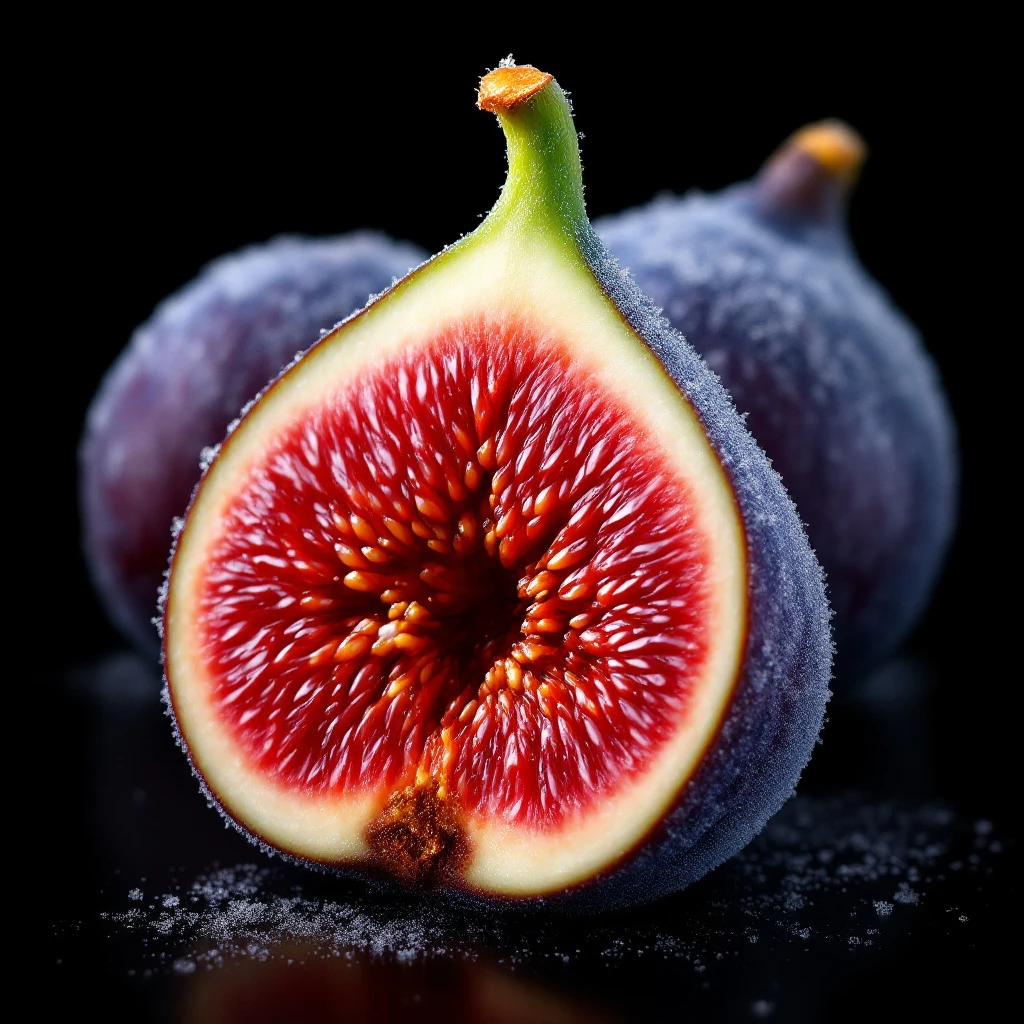
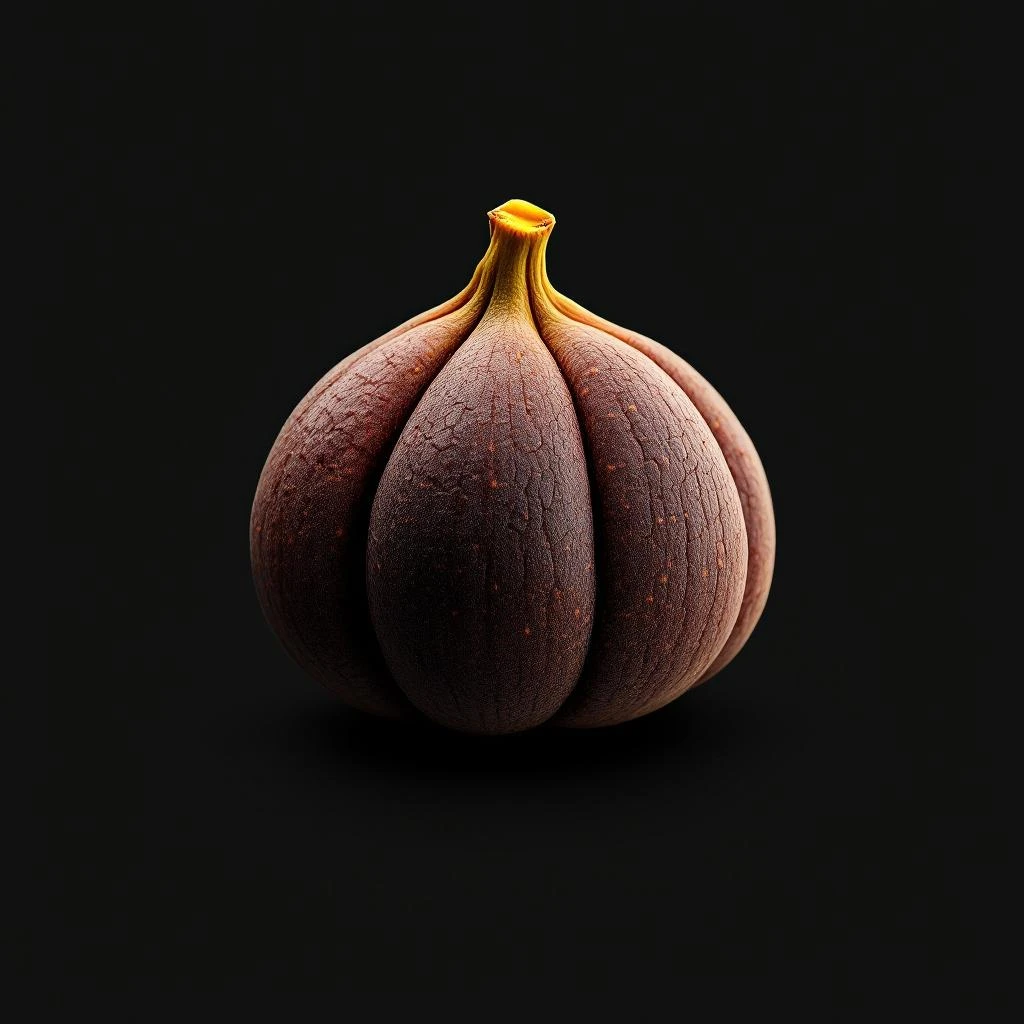
Frosted Fig captures the cool, translucent character of fig at its freshest moment: fruit barely touched by morning light, leaves glistening with dew, and the creamy white sap that rewards the first cut. A modern accord built from reconstructed lactones, green leaf molecules, and synthetic coolants that together mirror the Mediterranean grove in winter.
Character
How it smells
The cool, translucent soul of fig at first light.
Fig has no floral volatile compounds, so perfumers build its signature from scratch using lactones, leaf pyrazines, and sap-like molecules. The fruit itself provides almost nothing to the bottle.




Origin
Mediterranean Region
Fig has grown wild across the Mediterranean for thousands of years, appearing in ancient Greek mythology and Egyptian burial rites. Yet the fragrance industry largely ignored it until the 1990s. French house L'Artisan Parfumeur changed everything in 1994 with Premier Figuier, a pioneering scent that treated fig as a complete olfactory subject rather than a background accent.
Before that release, fig appeared mostly as a secondary note, its green or fruity facets tucked beneath stronger florals. The success of Premier Figuier sparked a wave of fig-focused fragrances over the following decades. Modern perfumers now reconstruct fig with remarkable precision, separating its distinct parts: the sweet fruit, the green leaf, the milky sap.
Frosted Fig represents the latest evolution of this approach, emphasizing the cool, dewy character that fig exhibits in early morning or cooler seasons rather than the warm, honeyed quality of fully ripened fruit.
Wears it best
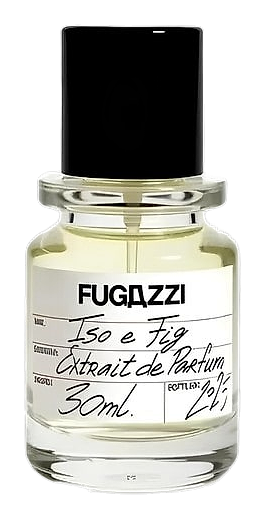
Fragrances featuring Frosted Fig
Good to know
Questions, answered
The essentials on Frosted Fig in perfumery: how it smells, where it comes from, and how it behaves on skin.
What does Frosted Fig smell like?
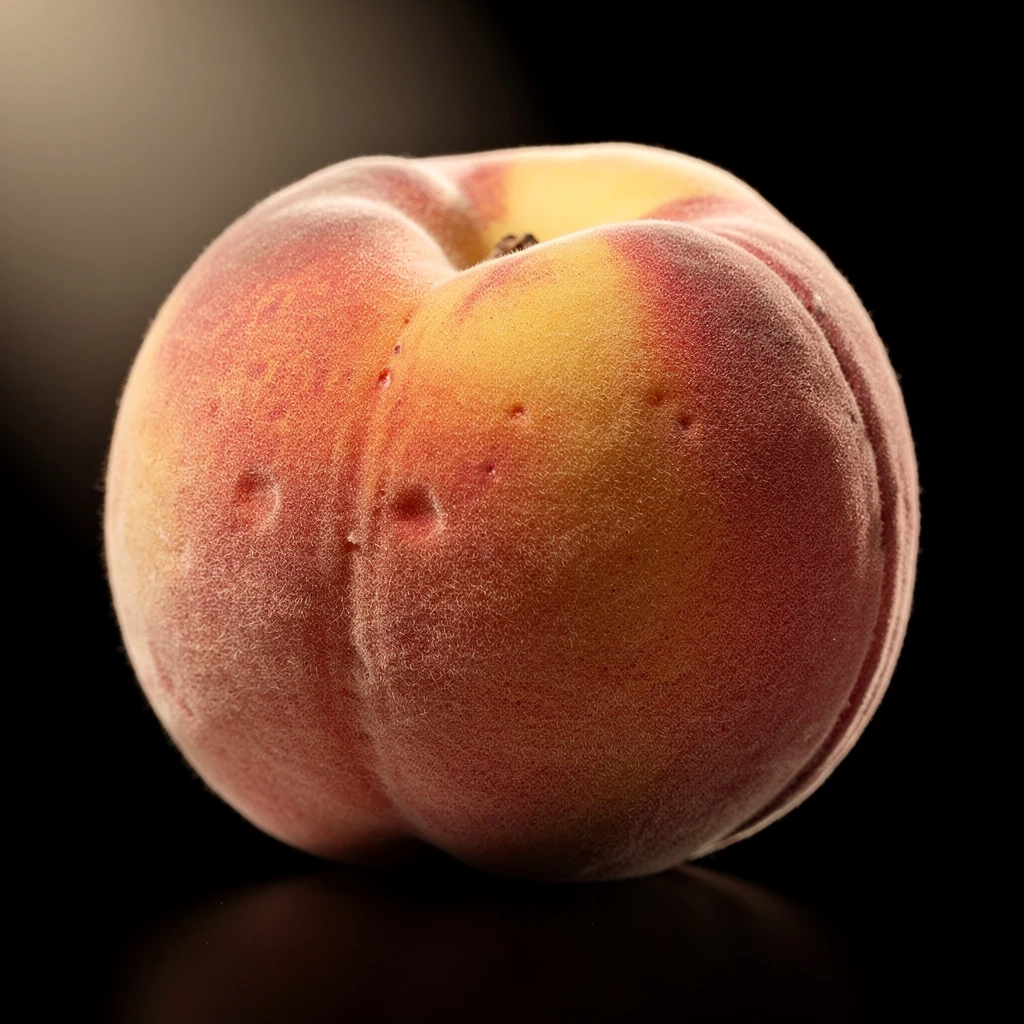
Frosted Fig opens with cool, translucent fruit notes reminiscent of fresh coconut and white peach. The heart carries a green, slightly bitter leaf quality. The base delivers creamy, lactonic warmth from reconstructed fig sap, creating a scent that feels dewy and green rather than warm or honeyed.
Is Frosted Fig a natural or synthetic ingredient?
Frosted Fig is an accord, meaning it combines both natural and synthetic aromatic materials. Perfumers layer reconstructed lactones for fruit character, natural fig leaf absolute for green depth, and synthetic molecules to capture the frosted, cool quality that natural fig alone cannot provide.
What makes Frosted Fig different from regular fig notes?
Traditional fig fragrances often emphasize warmth and honeyed sweetness. Frosted Fig inverts this by foregrounding the cool, lactonic character of unripe fruit and dewy leaves. The result smells like fig in early morning rather than fig in August heat.
When did fig become a major perfumery note?
Fig entered the fragrance mainstream in 1994 with L'Artisan Parfumeur's Premier Figuier. Before that release, fig appeared only as a supporting player. The scent's success created an entirely new category of green-fruity fragrances that continues to expand today.
Can you extract fragrance directly from fresh figs?
Fresh fig fruit contains almost no volatile aromatic compounds suitable for perfumery. Perfumers discovered that fig's recognizable scent must be built from scratch using lactones, leaf molecules, and sap-like aromatics rather than extracted from the fruit itself.
What role does fig leaf absolute play in Frosted Fig?
Fig leaf absolute, historically produced in France using sequential solvent extraction, provides the essential green, slightly honeyed backbone. It adds natural complexity and nuance that purely synthetic reconstructions cannot fully replicate, grounding the accord in botanical reality.
What fragrances feature Frosted Fig?
Frosted Fig appears in contemporary fragrances across the market, from niche houses building complex fig interpretations to designer brands offering accessible versions. The note particularly suits unisex and feminine fragrances positioned as fresh, green, or Mediterranean in character.
Does Frosted Fig work year-round?
Frosted Fig performs best in spring, summer, and early autumn. Its cool, dewy character suits warmer weather and daytime wear. In cold months, the note can feel too translucent, though it works well in climate-controlled environments or as a layering element with warmer bases.