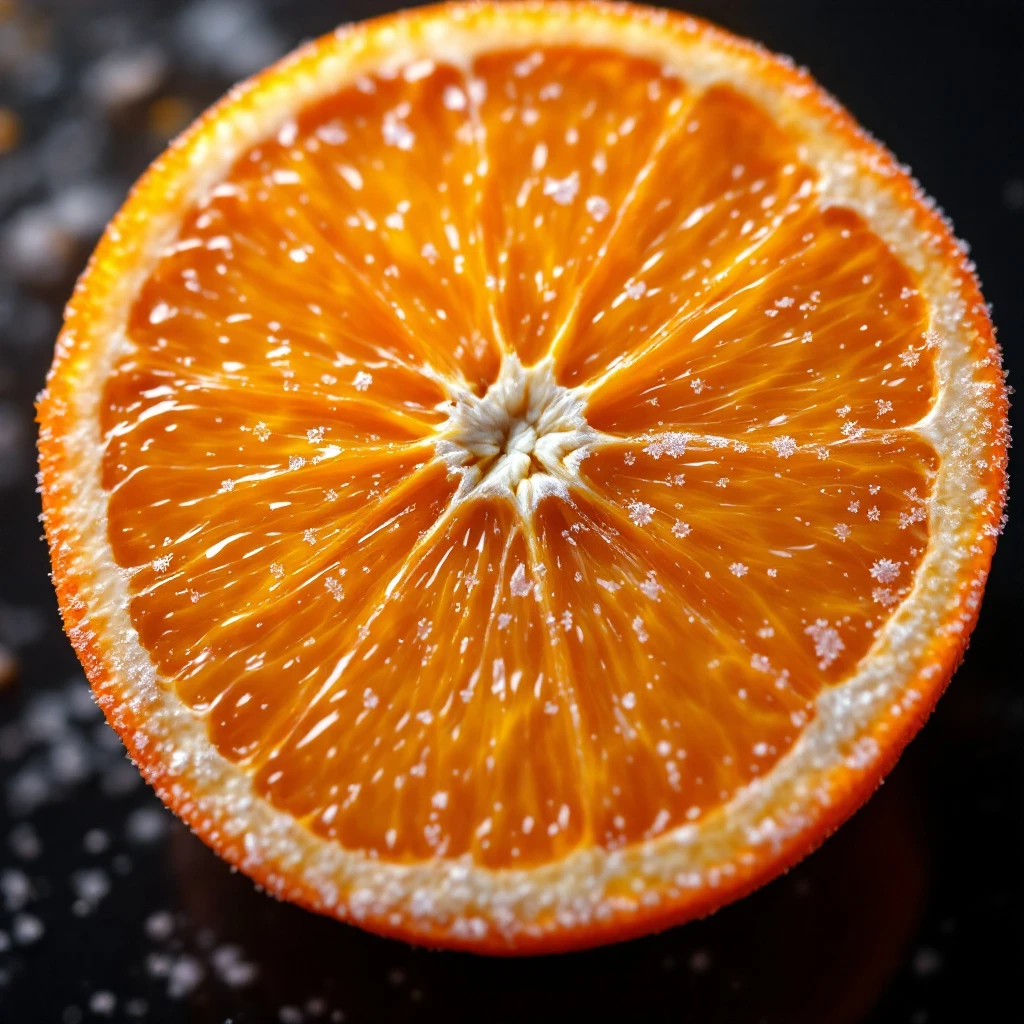
Frosted Clementine
A crisp citrus accord capturing the bright, sugary sweetness of clementines dusted with ice. This modern note blends juicy mandarin pulp with cool, crystalline facets for a sparkling effect in contemporary perfumery.
Character
How it smells
Ice-kissed citrus, crystallized
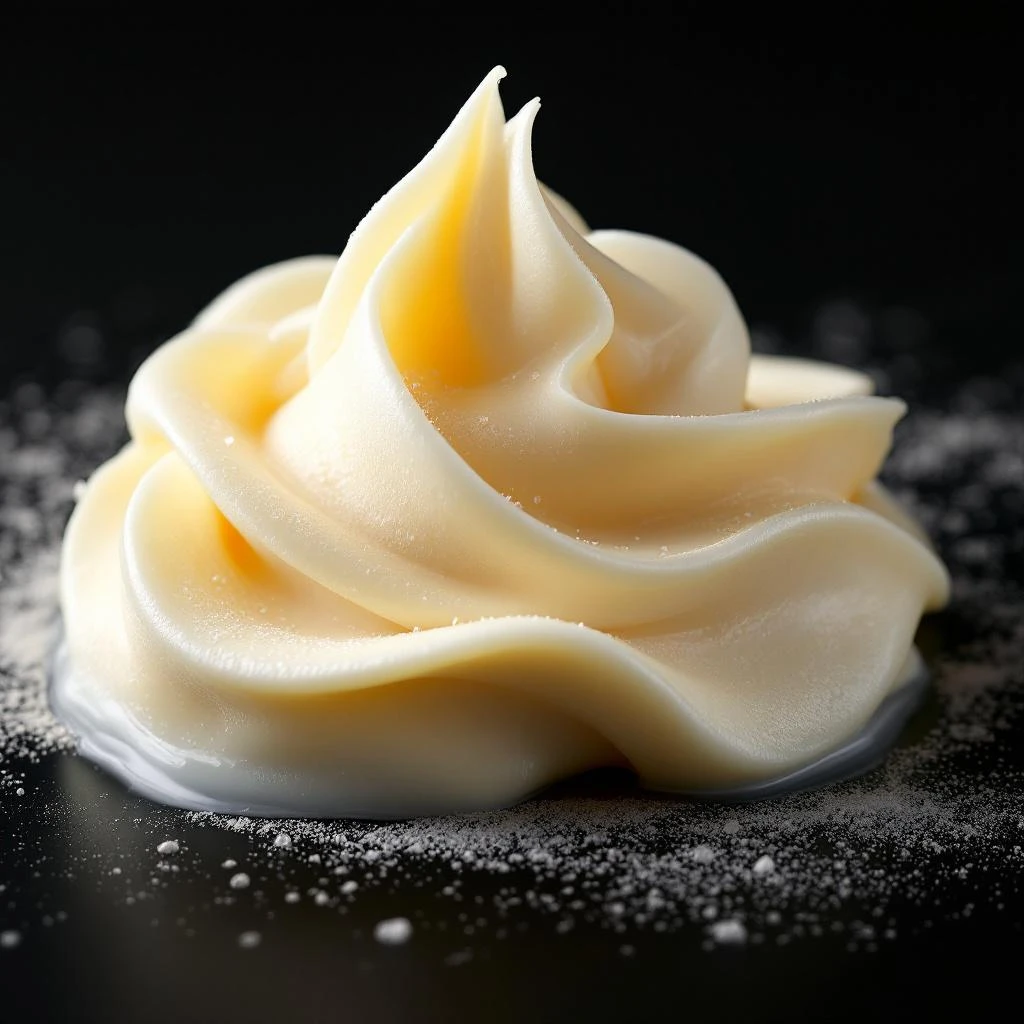
Frosted clementine is not a single natural extract but a constructed accord, combining cold-effect aroma chemicals like menthyl acetate with natural mandarin oils to simulate fruit meeting frost.




Origin
Mediterranean basin (fruit origin), accord constructed in France/Switzerland
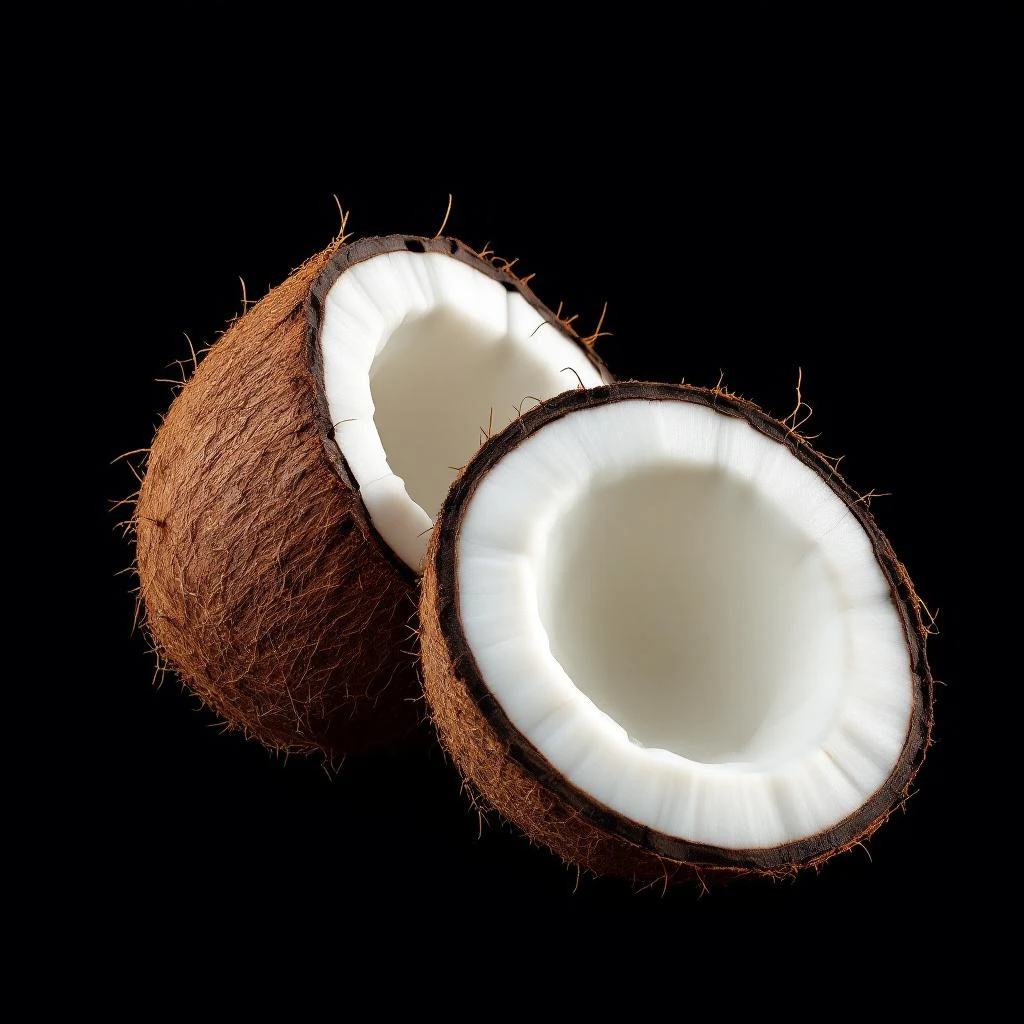
Clementines themselves are a relatively recent fruit, believed to be a hybrid of mandarin and sweet orange that emerged in the late nineteenth century, possibly in Algeria around 1902. Their arrival in European kitchens was swift, but their entry into perfumery lagged. Citrus oils have anchored colognes since the eighteenth century, yet the frosted variation is a distinctly twenty-first century invention, born from advances in aroma chemistry that gave perfumers precise access to cooling molecules previously reserved for toothpaste and confectionery.
The first prominent appearances in fine fragrance came in the 2010s, when niche houses began experimenting with 'temperature-triggered' olfactory illusions. This shift reflects a broader move away from purely naturalistic representation toward constructed sensory experiences.
Wears it best
Fragrances featuring Frosted Clementine
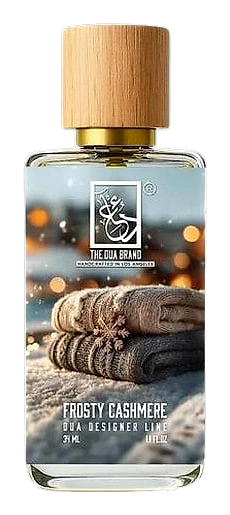
Brands
Brands known for Frosted Clementine
Good to know
Questions, answered
The essentials on Frosted Clementine in perfumery: how it smells, where it comes from, and how it behaves on skin.
Is frosted clementine a natural ingredient?
Not entirely. It is a constructed accord that pairs cold-pressed clementine peel oil with synthetic cooling molecules. The frost effect cannot be obtained from the fruit itself, so perfumers combine natural citrus with aroma chemicals like menthyl acetate to simulate the sensation of chilled fruit.
What does frosted clementine smell like?
The note opens with bright, sugary mandarin sweetness, then shifts into a cool, almost minty sparkle. The fruit character stays recognizable, but the cooling facets give it a crystalline, glass-like quality distinct from typical citrus accords.
When did frosted clementine first appear in perfumery?
The accord emerged in niche fragrance during the early 2010s. Fine perfumery's first synthetic aroma compounds, including vanillin and coumarin, appeared in the late nineteenth century, but cooling accords specifically paired with fruit required modern aroma chemistry developed decades later.
How long does frosted clementine last on skin?
Raw clementine oil evaporates within twenty minutes. Formulated frosted clementine accords often last two to four hours when anchored with musks or woody bases, considerably longer than untreated citrus oils.
Is frosted clementine the same as mandarin?
No. Mandarin oil forms the base, but frosted clementine adds a deliberate cooling sensation absent from natural mandarin. Clementines themselves are a hybrid of mandarin and sweet orange, likely originating in Algeria around 1902.
What fragrance families use frosted clementine?
It appears most often in aromatic and woody compositions, where it provides a sharp, cold top note. Some designers place it in oriental bases to contrast warm spices, while others use it as the centerpiece of clean, minimalist colognes.
Why is frosted clementine popular in winter fragrances?
The cooling facet complements cold-weather themes by reinforcing seasonal associations. Citrus notes traditionally belong to summer colognes, but the frost effect shifts this material into holiday and winter releases without losing its bright character.
Can frosted clementine be replicated at home?
Not precisely. The cooling molecules are commercially restricted in some regions, and the balance between citrus brightness and frost intensity requires professional training. Hobbyists can approximate the effect by blending mandarin oil with a trace of peppermint, though the result lacks complexity.