Fresh Aquatic
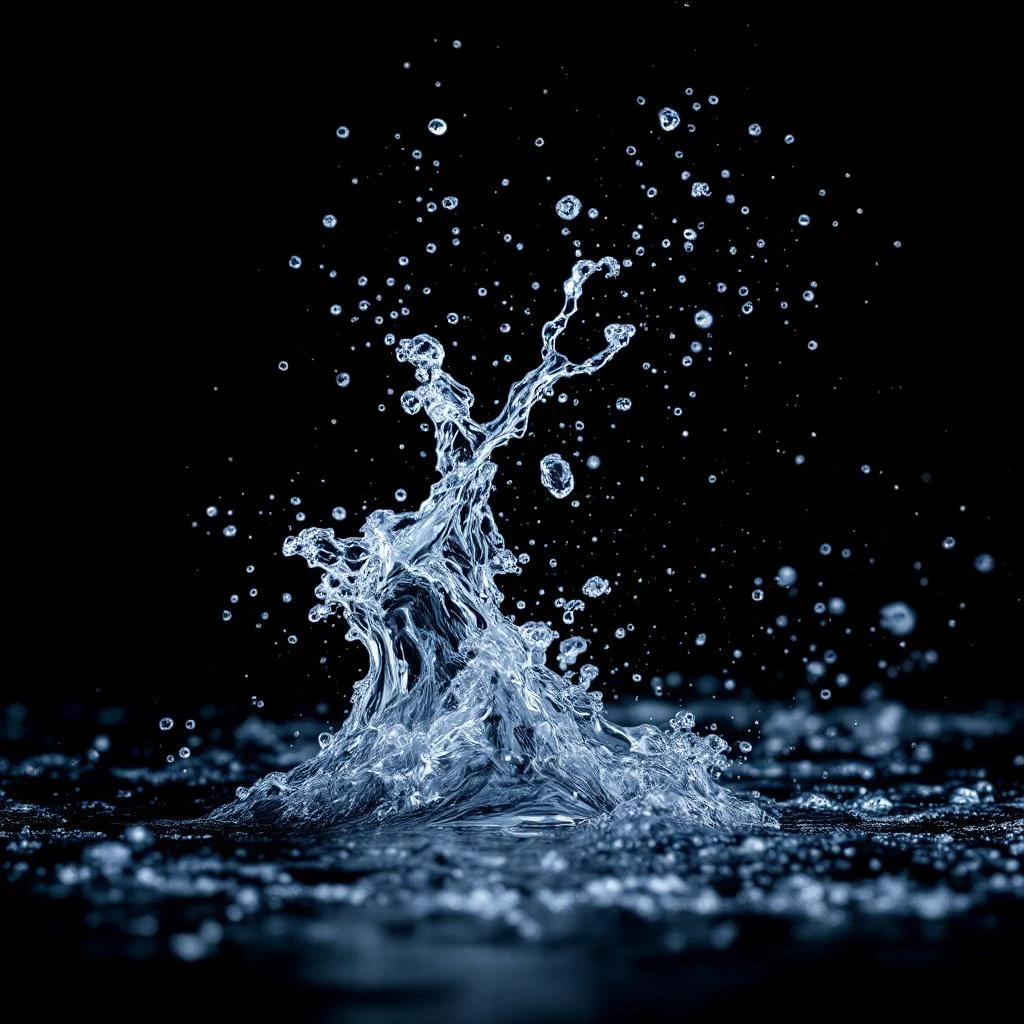
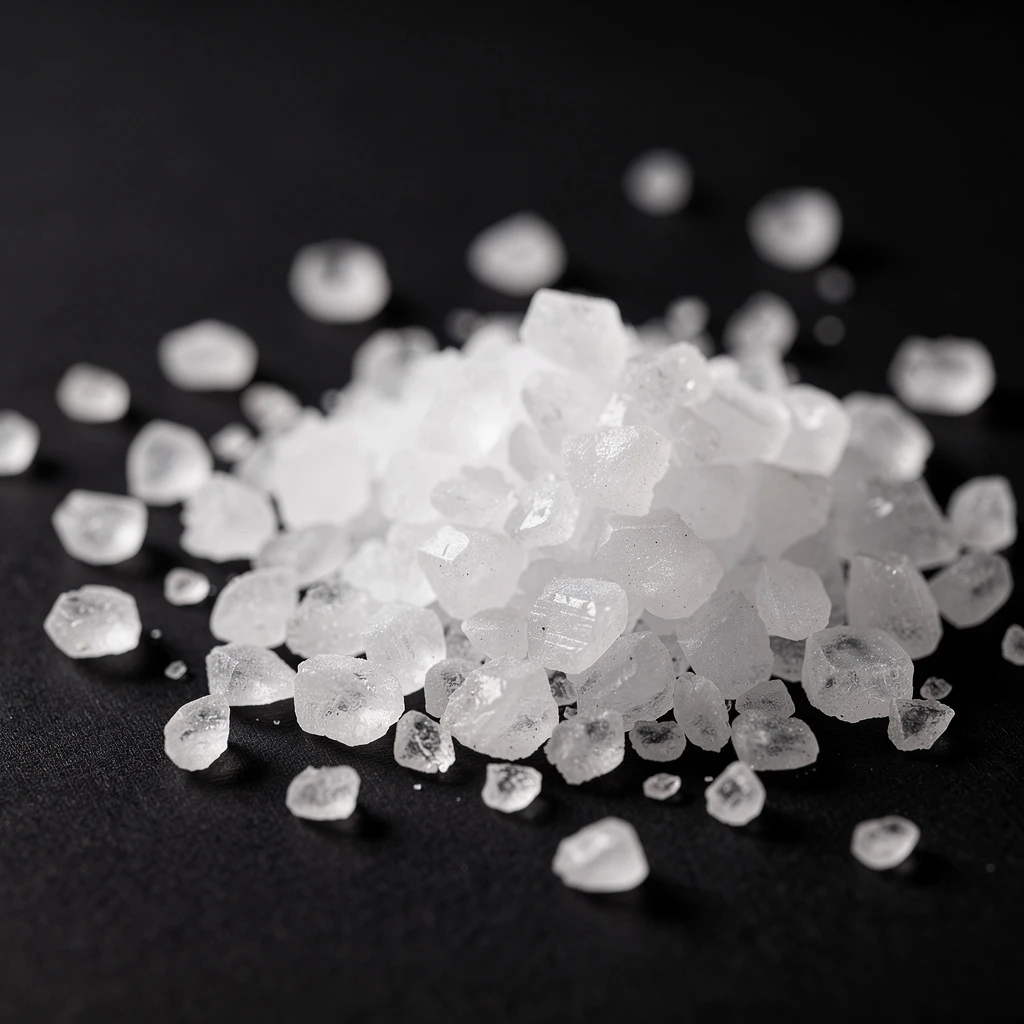
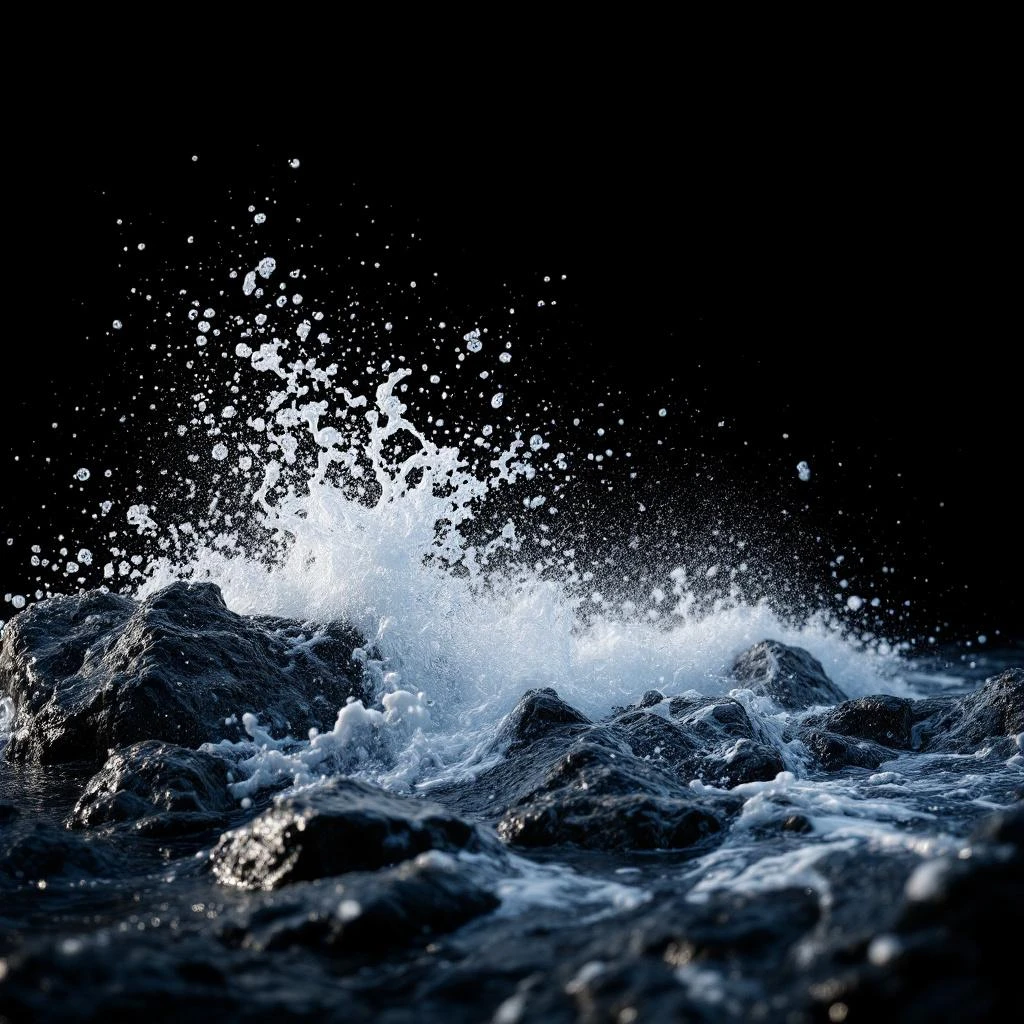
Fresh Aquatic captures the crisp, mineral clarity of open water and sea air. This note delivers the sensation of a cool ocean breeze, the freshness of morning dew on coastal stones, or the clean depth of deep water. Perfumers blend marine aromatics to create scents that feel expansive, serene, and alive.
Character
How it smells
The scent of ocean air and open water.
The iconic marine note Calone was discovered accidentally in 1966 when a chemist at Pfizer was testing a new compound for aspirin alternatives.




Origin
United States
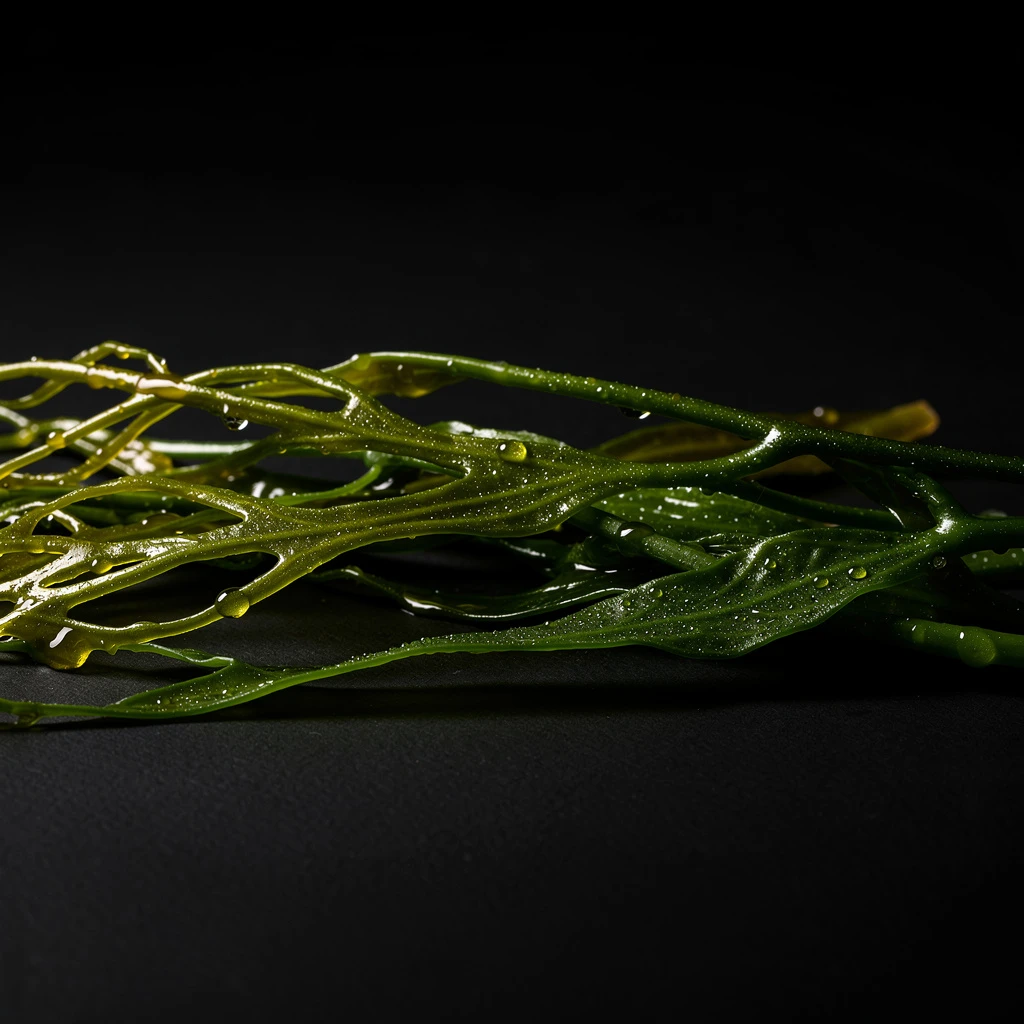
Before synthetic marine aromatics, perfumers relied on limited natural sources like seaweed absolute and marine plant extracts to add water-like qualities to fragrances. These natural materials carried earthy, vegetal undertones rather than true aquatic freshness.
The 1966 discovery of Calone at Pfizer transformed aquatic perfumery entirely. This breakthrough allowed perfumers to create authentic water and ocean scents for the first time.
Thierry Mugler's Angel in 1992 showcased marine notes as a fragrance centerpiece, proving that aquatic accords could anchor an entire perfume rather than merely support it. Contemporary marine fragrances owe their existence to this synthetic revolution, which continues to expand with new marine aromatic molecules developed each decade.
Wears it best
Fragrances featuring Fresh Aquatic

Brands
Brands known for Fresh Aquatic
Good to know
Questions, answered
The essentials on Fresh Aquatic in perfumery: how it smells, where it comes from, and how it behaves on skin.
What creates the fresh aquatic scent in perfume?
Synthetic marine aromatic compounds create fresh aquatic scent. Calone, Apiscal, and similar molecules provide the characteristic water, ozone, and sea-breeze qualities that natural ingredients cannot replicate with the same clarity.
Is fresh aquatic a natural or synthetic note?
Fresh aquatic is primarily synthetic. While trace marine materials exist, modern aquatic fragrances rely almost entirely on lab-created compounds to achieve their characteristic clean, water-like character.
When did marine notes first appear in perfume?
Marine notes emerged in 1980s designer fragrances but became a dominant force after 1992, when Thierry Mugler's Angel proved aquatic accords could anchor an entire perfume composition.
How long do fresh aquatic notes last on skin?
Fresh aquatic notes typically last 2 to 4 hours on skin. These volatile compounds evaporate quickly, which is why perfumers often pair them with longer-lasting base materials for endurance.
Which fragrance families commonly use fresh aquatic notes?
Fresh aquatic notes define the aquatic fragrance family and appear heavily in marine, ozonic, and water-themed compositions. Designers also use them to add freshness to florals, citruses, and green fragrances.
Can fresh aquatic notes be extracted from natural sources?
Natural aquatic materials like seaweed absolute and marine algae absolute exist but produce earthy, vegetal scents rather than true water freshness. Synthetic alternatives deliver the clean marine character that defines modern aquatic fragrances.
What molecules define the fresh aquatic category?
Calone (watermelon ketone), Apiscal, Melonal, Adoxal, and Triplal define the fresh aquatic category. Each molecule contributes distinct qualities ranging from ozonic freshness to watermelon's sweet watery character.
How do perfumers combine fresh aquatic with other notes?
Perfumers layer fresh aquatic with citrus, white florals, or green notes to enhance their sparkling quality. They also ground aquatic accords with wood, amber, or musk to add depth and longevity to the composition.