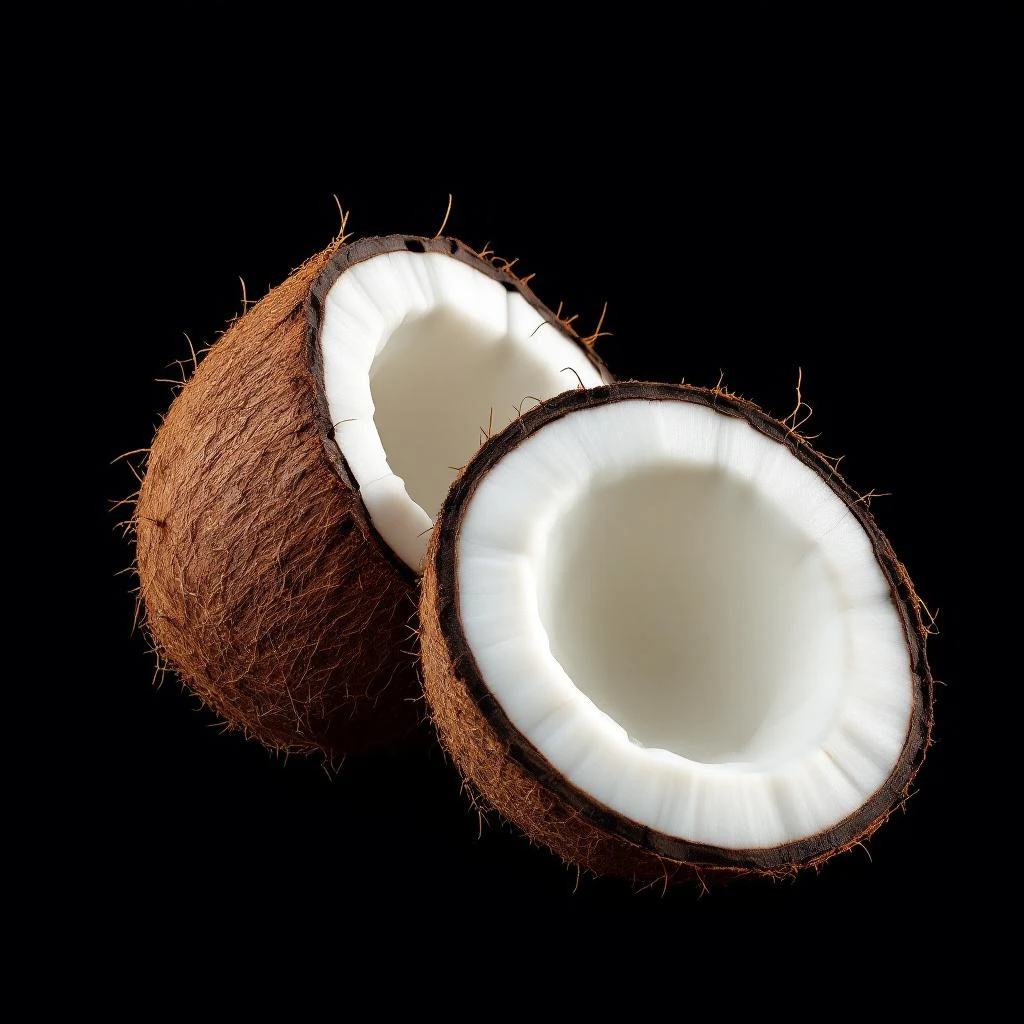
Fig Natureprint
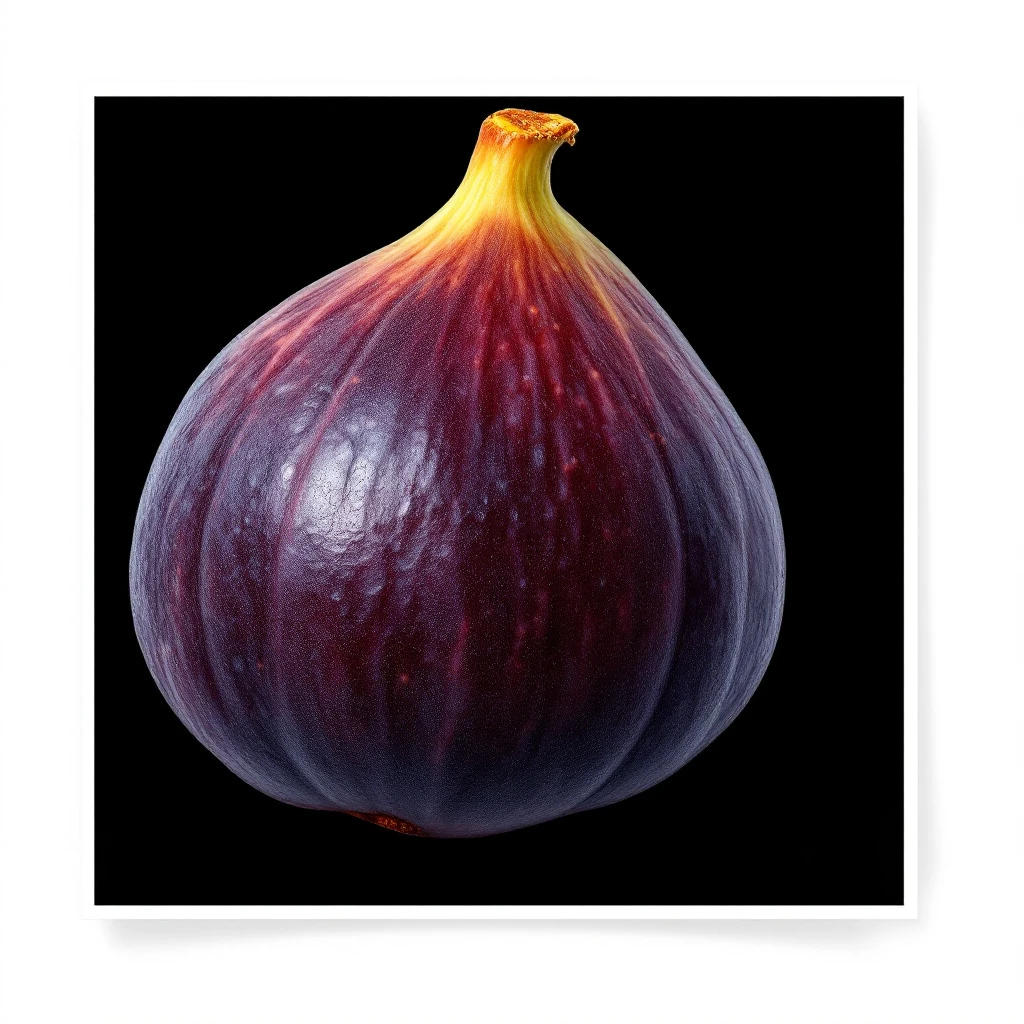
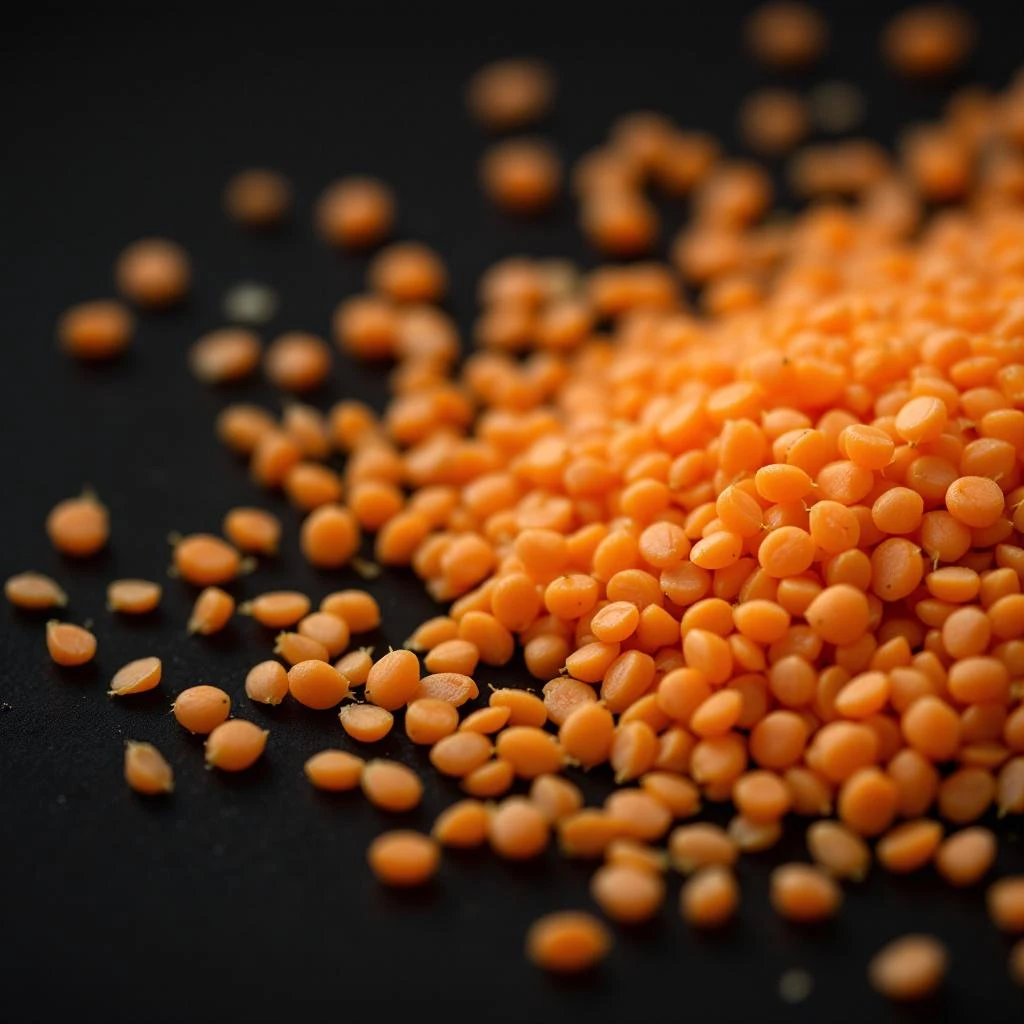
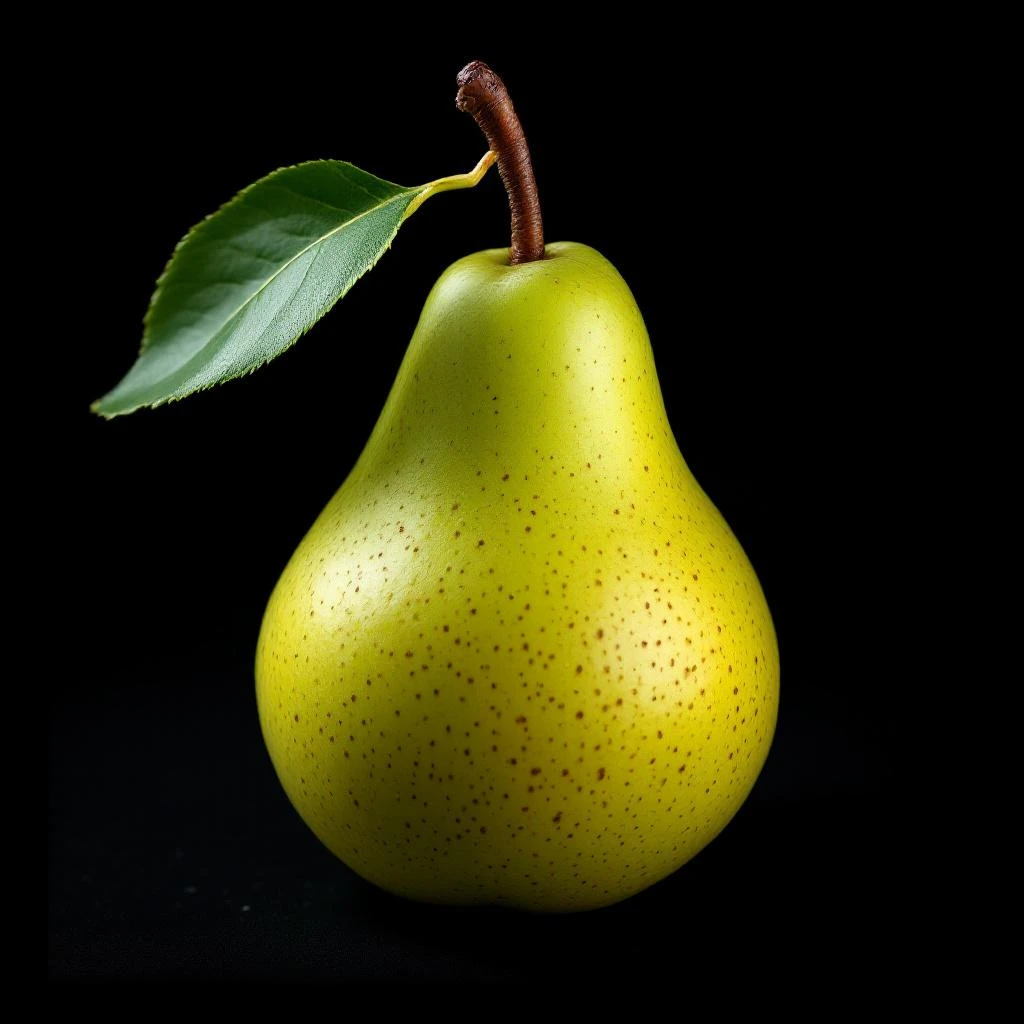
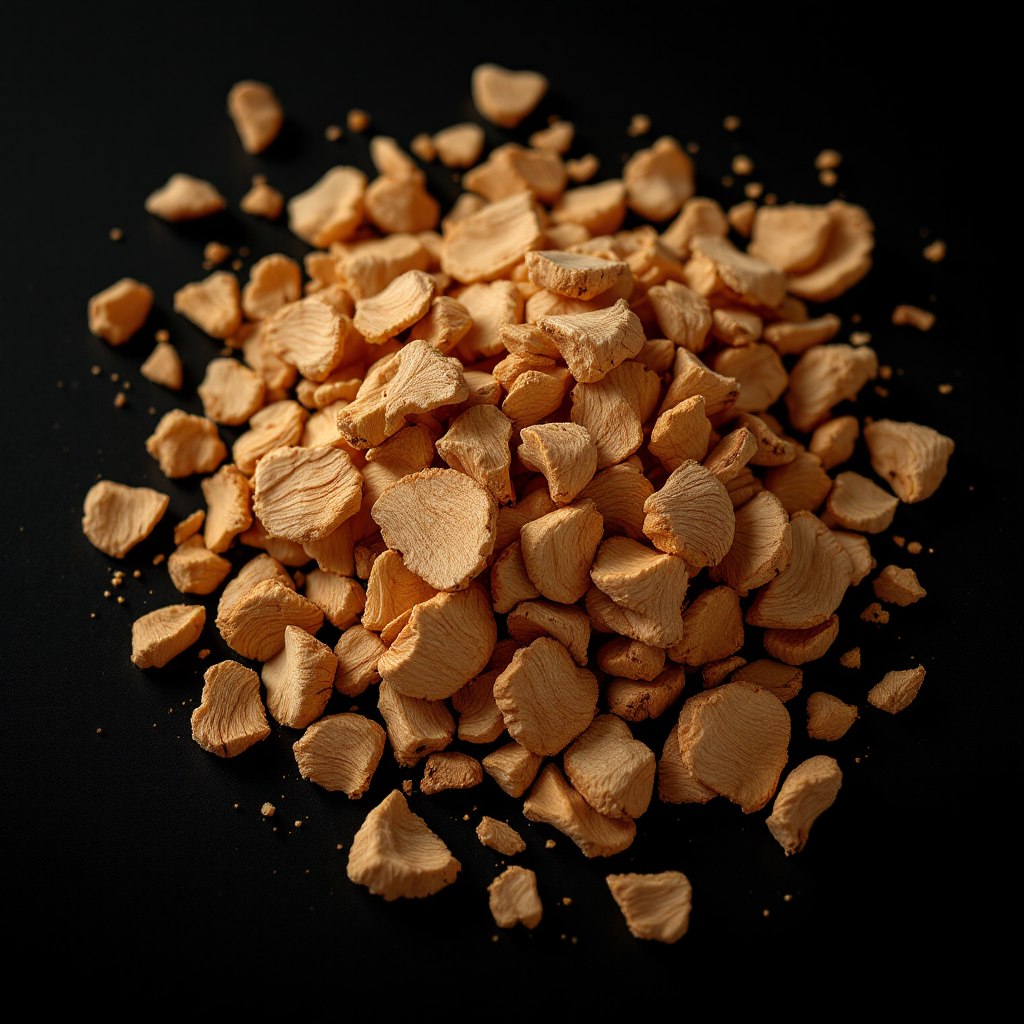
Fig captures the Mediterranean in a bottle. Its green, milky, and woody facets evoke sun-warmed leaves, ripe fruit, and the tree's own bark. Perfumers don't extract fig directly from the fruit. Instead, they build its memory from multiple botanical parts.
Character
How it smells
Green, milky, and woody. The Mediterranean distilled.
Premier Figuier by Olivia Giacobetti in 1994 became the first fragrance built entirely around the fig note, reshaping how modern perfumery approached green ingredients.


Origin
France
Ancient civilizations across the Mediterranean recognized the fig tree's aromatic potential. Egypt, Greece, Rome, and India all used fig leaves and wood in their fragrant preparations, establishing the tree as a cornerstone of early perfumery. For centuries, plants remained the primary source of fragrant compounds, and the fig tree held a special place in this tradition.
The real shift came in 1994 when perfumer Olivia Giacobetti created Premier Figuier, marking the history of modern perfumery as the first fragrance built around the fig note. This breakthrough transformed fig from a supporting player into a leading ingredient, inspiring countless interpretations that followed.
Wears it best
Fragrances featuring Fig Natureprint

Brands
Brands known for Fig Natureprint
Good to know
Questions, answered
The essentials on Fig Natureprint in perfumery: how it smells, where it comes from, and how it behaves on skin.
How do perfumers extract fig fragrance?
Fig fragrance cannot be directly extracted from the fruit alone. Perfumers collect leaves, wood, and sometimes milky sap, then use sequential extraction methods to build fig leaf absolute. They combine these natural elements with carefully crafted synthetics to reconstruct the complete fig experience.
What does fig smell like in perfume?
Fig presents green, milky, and woody facets. The leaves offer a fresh, cut-grass quality. The fruit adds subtle sweetness, while the wood brings depth and slight bitterness. Together these elements create a sun-drenched Mediterranean atmosphere.
Why is fig considered challenging to work with?
The fruit itself yields minimal usable aroma when extracted. Perfumers must build fig from multiple botanical parts and synthetic accords, reconstructing the memory of the fig tree rather than capturing it directly.
What was the breakthrough fig fragrance?
Premier Figuier by Olivia Giacobetti in 1994 marked the first fragrance built entirely around the fig note. This creation reshaped modern perfumery and established fig as a leading ingredient rather than a supporting element.
Which parts of the fig tree are used in perfumery?
Perfumers use the leaves, wood, and occasionally the milky sap. The leaves provide green, herbaceous notes. The wood contributes earthy, slightly bitter undertones. Each part adds a different dimension to the final accord.
Did ancient cultures use fig in fragrance?
Yes. Egypt, Greece, Rome, and India all used fig leaves and wood in their aromatic preparations. Plants served as the primary source of fragrant compounds for centuries, with fig holding particular significance in Mediterranean traditions.
What is fig leaf absolute?
Fig leaf absolute is a concentrated extract produced through sequential extraction, primarily developed in France. This process pulls successive qualities from dried fig leaves, creating a rich, green material used in fine fragrance.
Where do fig trees used in perfumery grow?
Ficus carica thrives across the Mediterranean region, particularly in France, Italy, and Greece. The warm, dry climate of these areas produces the aromatic compounds that perfumers seek. France has historically led fig leaf absolute production.