Exotic Red Fruits
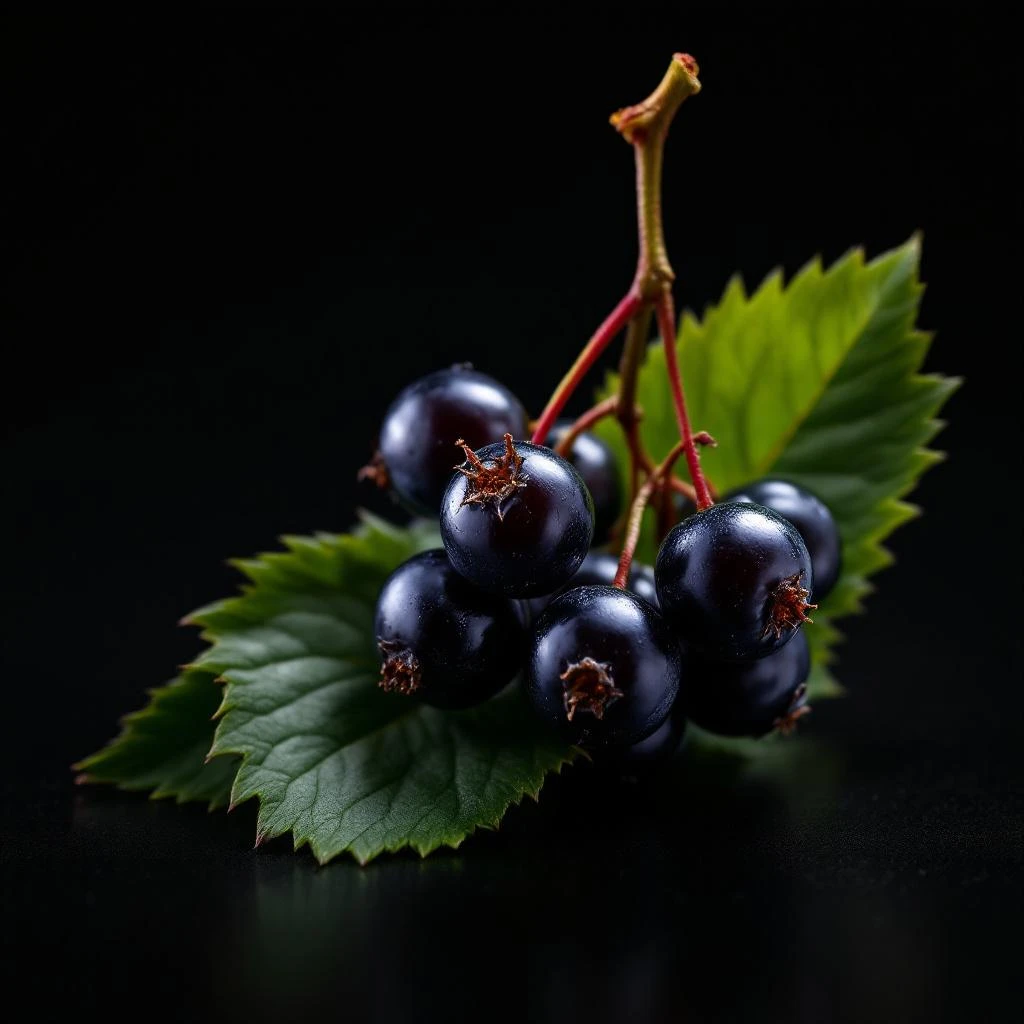
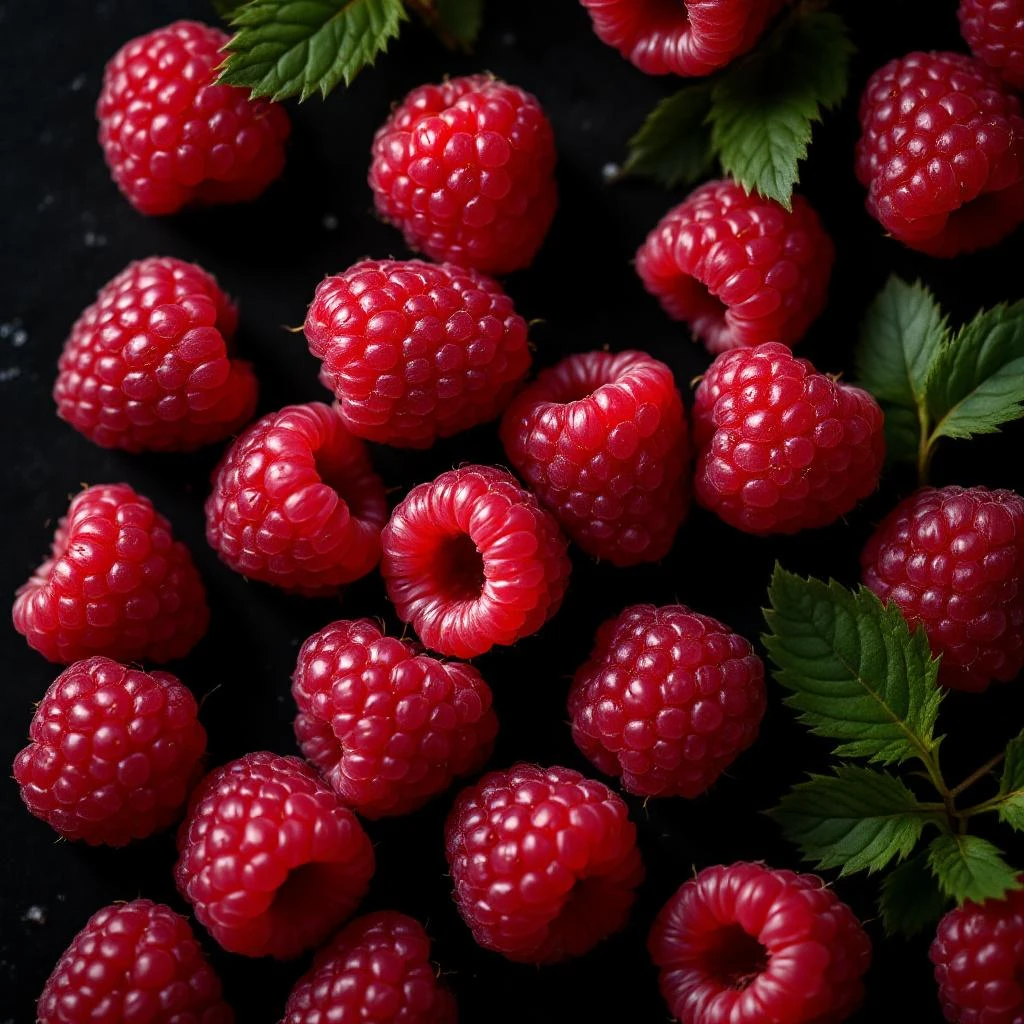
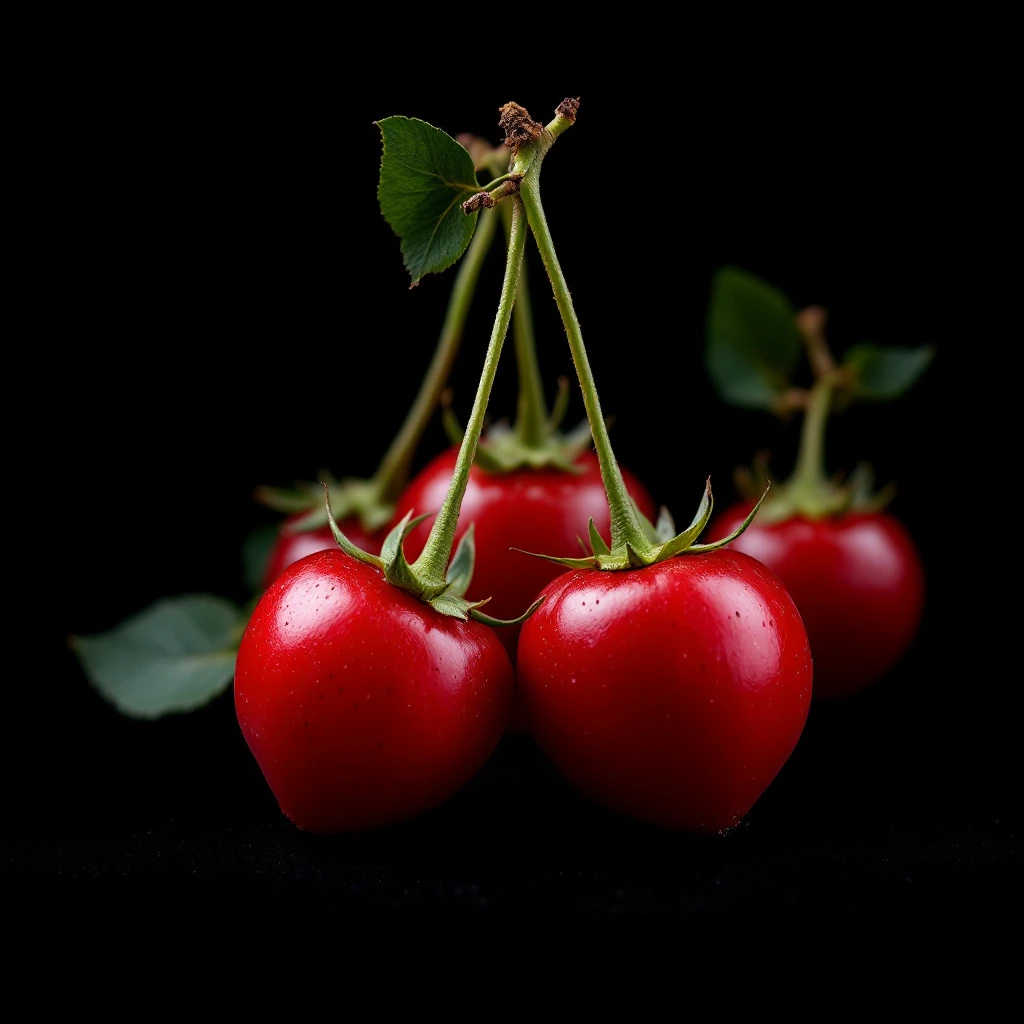
Tropical red berries bring a vivid, juicy accent to fragrance, balancing sweet pulp with tart skins, bright acidity, and the faint leafy notes of fresh stems.
Character
How it smells
Juicy berries, bright acidity, and a dark tropical pulse.
Many red-fruit perfume accords rely on aroma molecules rather than extracted berries, allowing perfumers to shape a consistent tropical profile.
Pairs beautifully with
Origin
Brazil
Fruit has appeared in perfumery for centuries, beginning with aromatic oils, balms, and scented preparations made in the ancient Mediterranean world. Such materials offered perfume makers a vivid route into the scent of plants, although many fruits were difficult to preserve and reproduce with consistency. The commercial synthesis of aromatic compounds in the late nineteenth century changed this history.
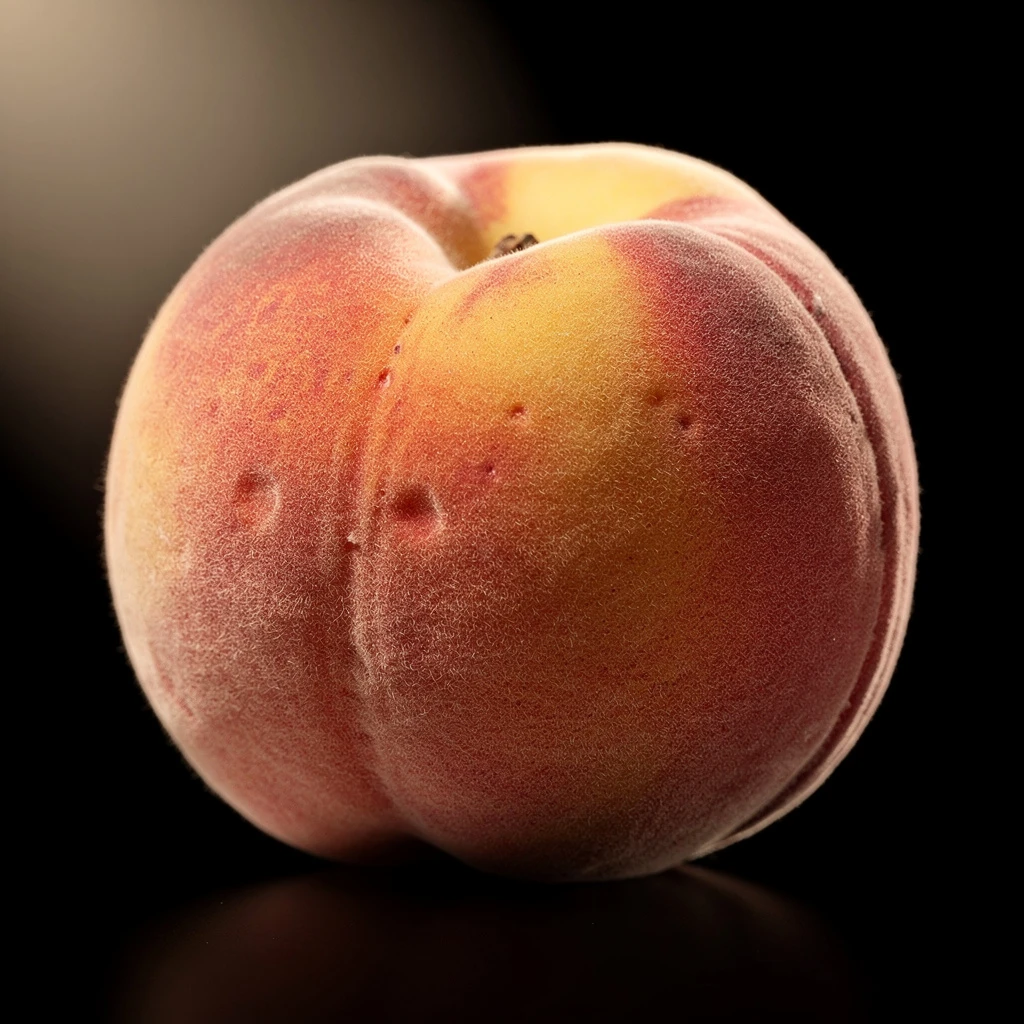
Compounds associated with fruits allowed perfumers to build stable accords that could suggest familiar fruits beyond the reach of local harvests. Blackcurrant bud became an important natural source of a catty, green-fruity effect, while aldehyde C14, introduced in 1905, helped perfumers create a distinct peach and yellow-fruit impression. “Exotic Red Fruits” follows this tradition by describing a modern tropical profile assembled from natural extracts and synthetic aroma materials.
Its history is therefore less about one fruit and more about the development of a versatile, reproducible fruity language in perfumery.
Wears it best
Fragrances featuring Exotic Red Fruits
Brands
Brands known for Exotic Red Fruits
Good to know
Questions, answered
The essentials on Exotic Red Fruits in perfumery: how it smells, where it comes from, and how it behaves on skin.
What does exotic red fruit smell like in perfume?
It often smells juicy, sweet-tart, and tropical, with berry-like depth and a faint leafy or seed note. The profile depends on the fruits and aroma materials selected for the accord.
Is exotic red fruit a natural ingredient?
It is usually a fragrance accord, not one natural substance. It can combine berry extracts, fruit-peel oils, and synthetic aroma molecules to create a stable tropical fruit effect.
Which fruits are associated with exotic red fruit notes?
The family can include cranberry, raspberry, strawberry, cherry, acerola, guava, and other vivid berries or tropical fruits. No single fruit defines the note in every composition.
How are red fruit accords made for perfumery?
Perfumers combine natural extracts with molecules that reproduce specific fruit qualities, such as juicy flesh, tart acidity, or leafy freshness. One benchmark is aldehyde C14, introduced in 1905 for its peach and yellow-fruit character.
Why do synthetic fruit molecules matter in perfumery?
They give perfumers greater consistency than fresh fruit alone, which varies with ripeness, harvest, and storage. They also make unusual tropical effects possible without relying on scarce harvests.
What does exotic red fruit pair well with?
It pairs naturally with citrus, florals, woods, and spices. Citrus sharpens its acidity, while woods and spice give the bright fruit accord a warmer, more structured base.
Does natural extraction capture the smell of fresh berries?
Partly. Solvent extraction can preserve richer fruit qualities, while cold pressing suits aromatic peels and distillation captures selected volatile components. A finished accord often blends these methods with synthetics.
Is exotic red fruit the same as a single fruit note?
No. It is a broader perfumery description for a vivid red or tropical fruit profile. A composition may emphasize one berry while adding acidity, pulp, and green notes to create depth.