Euphorbia Honey
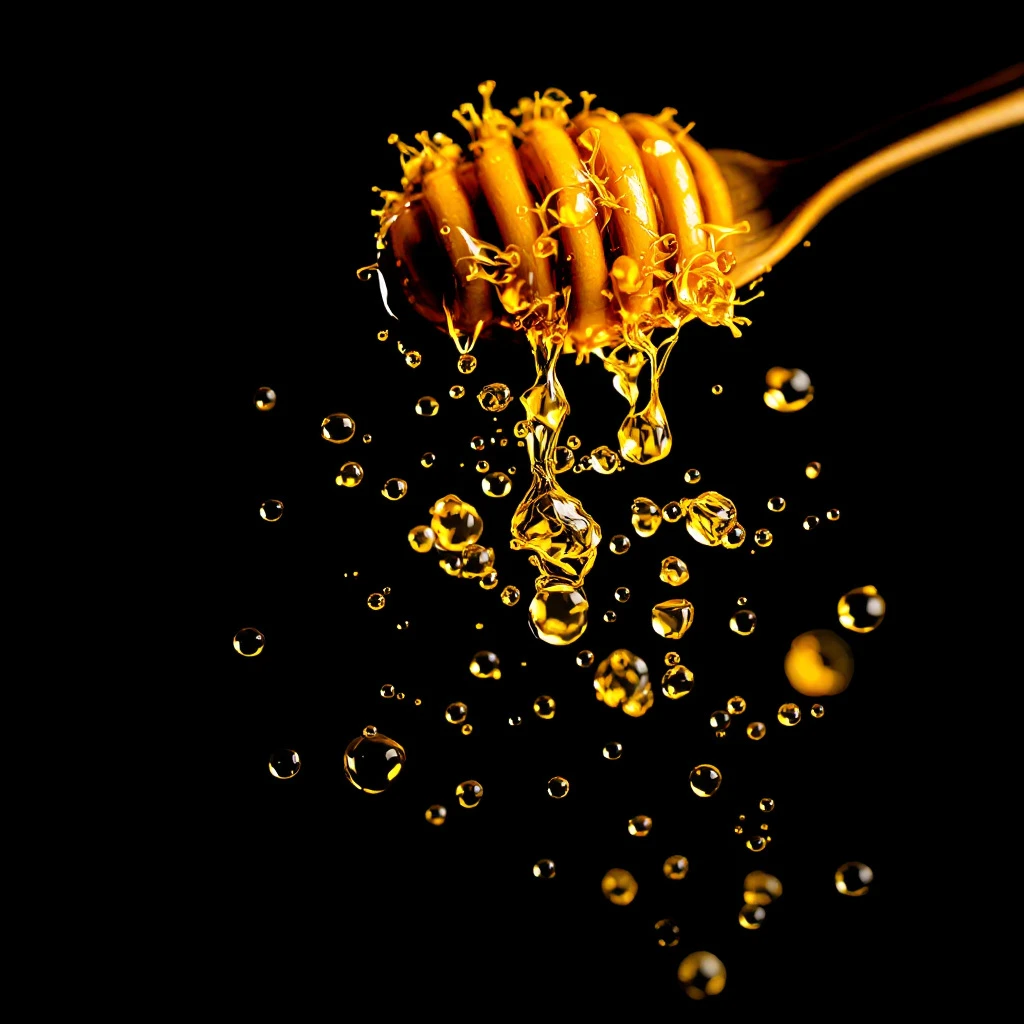
A rare amber honey produced when bees forage on Euphorbia plants in Mediterranean scrubland. Boasts warm caramel notes with subtle herbaceous undertones and a lingering finish. A treasure for those who seek ingredients that tell a story of land and season.
Character
How it smells
Mediterranean amber, distilled by bees.
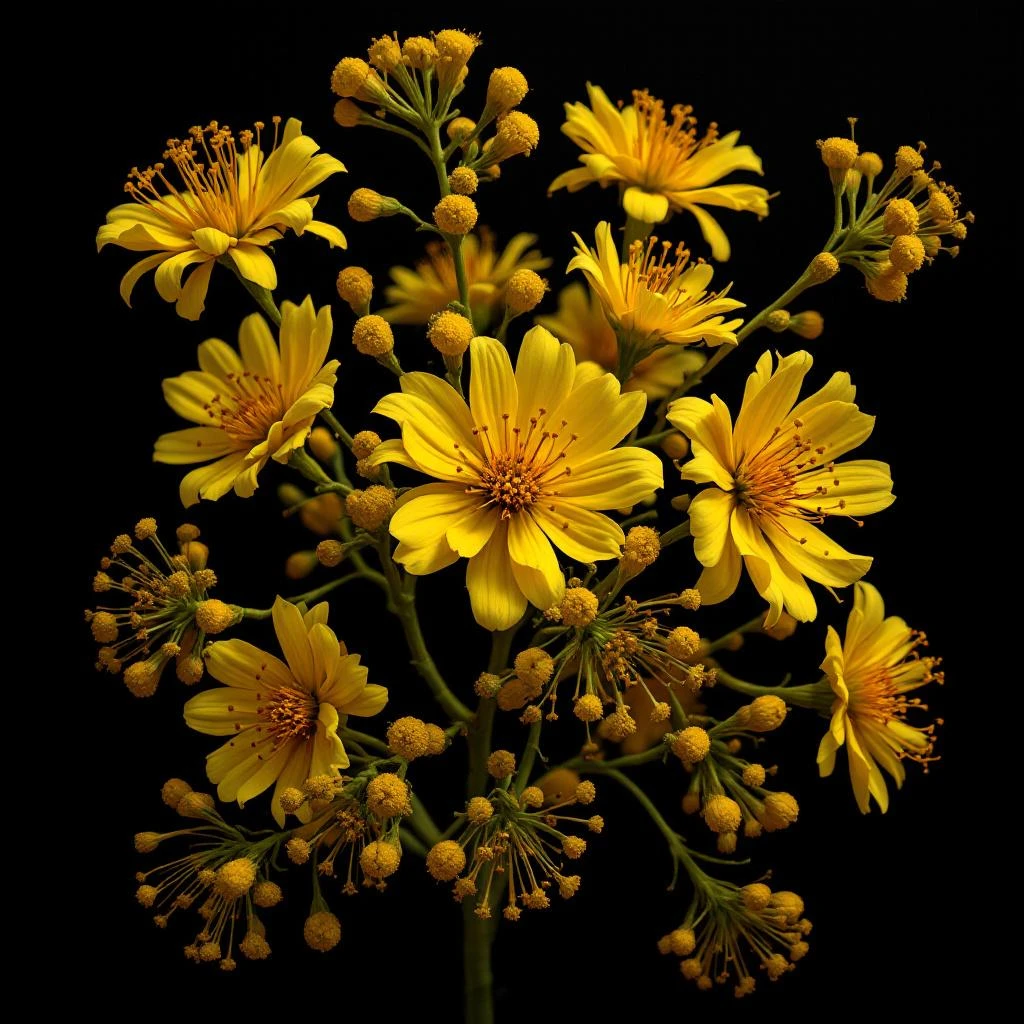
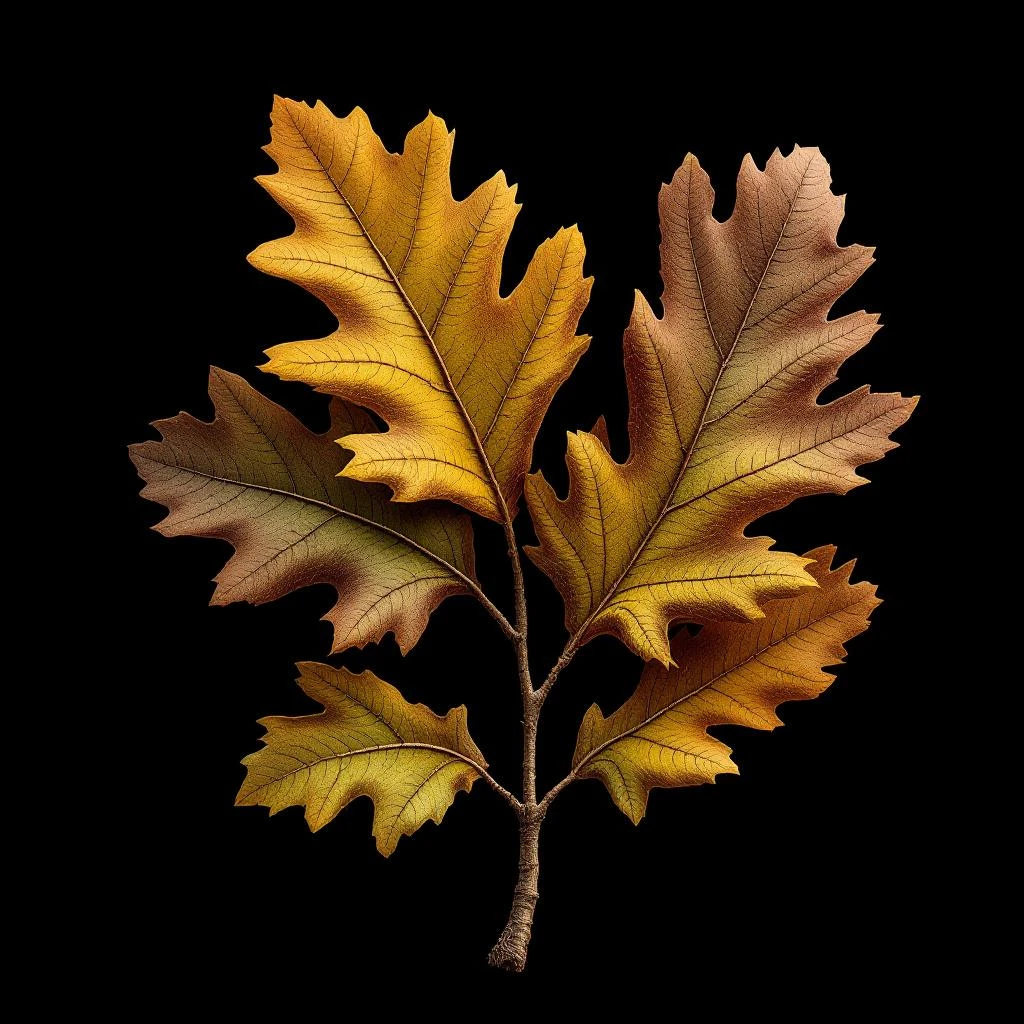
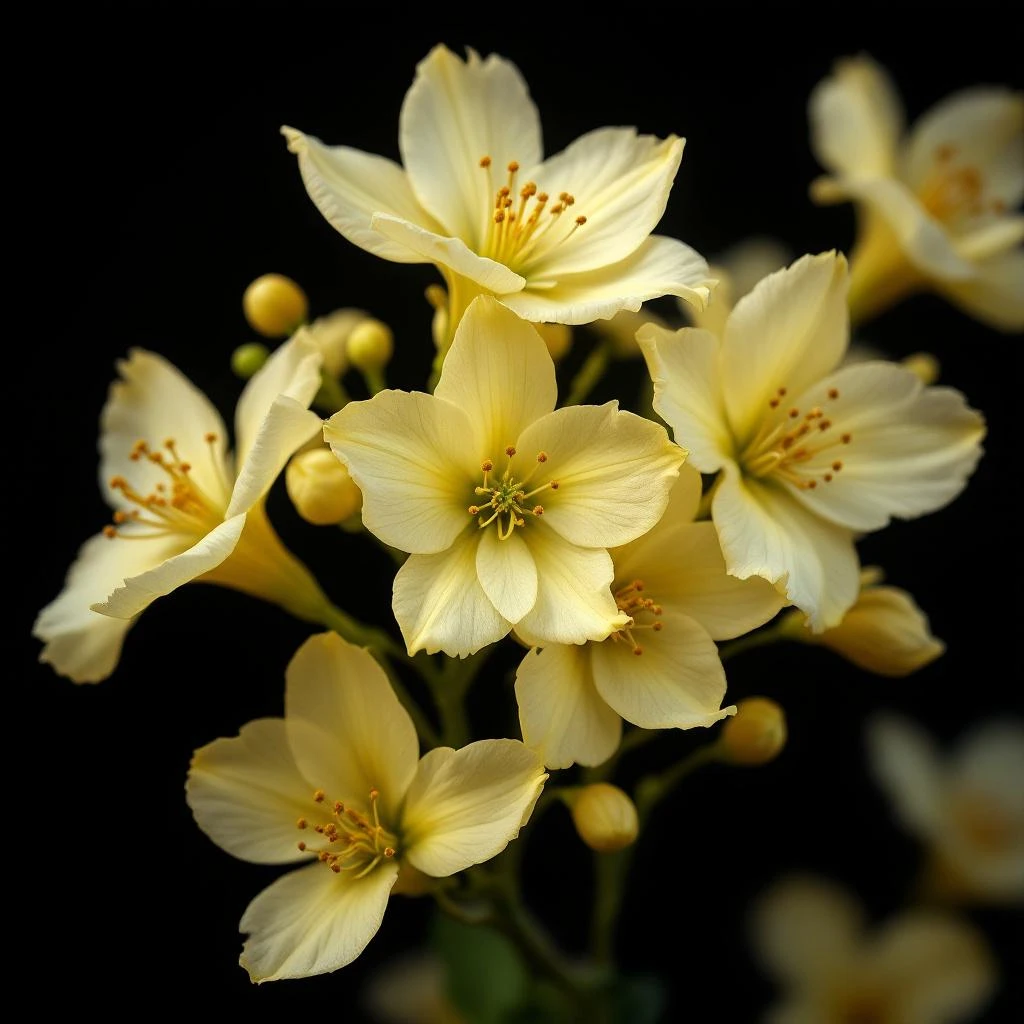
In Malta, beekeepers harvest Euphorbia honey during a narrow spring window when the plant blooms after winter rains.




Origin
Malta
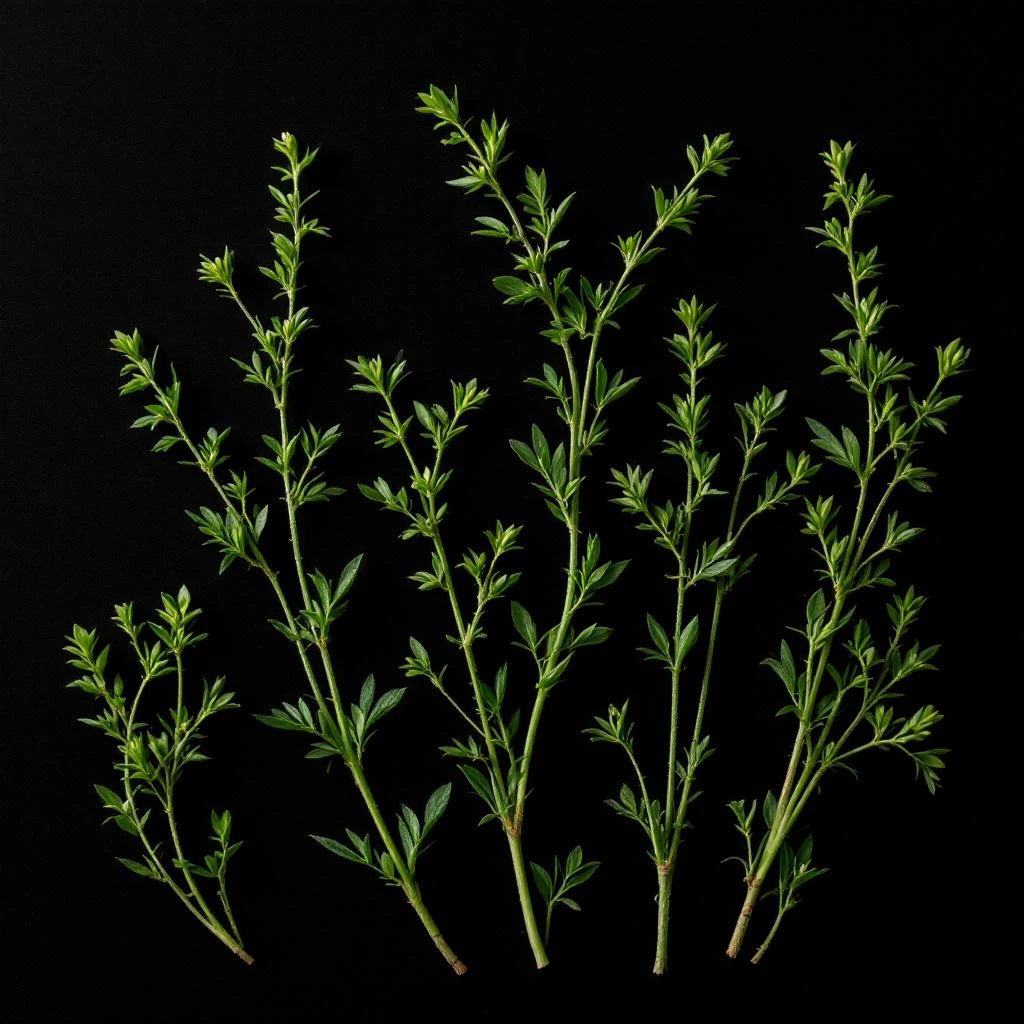
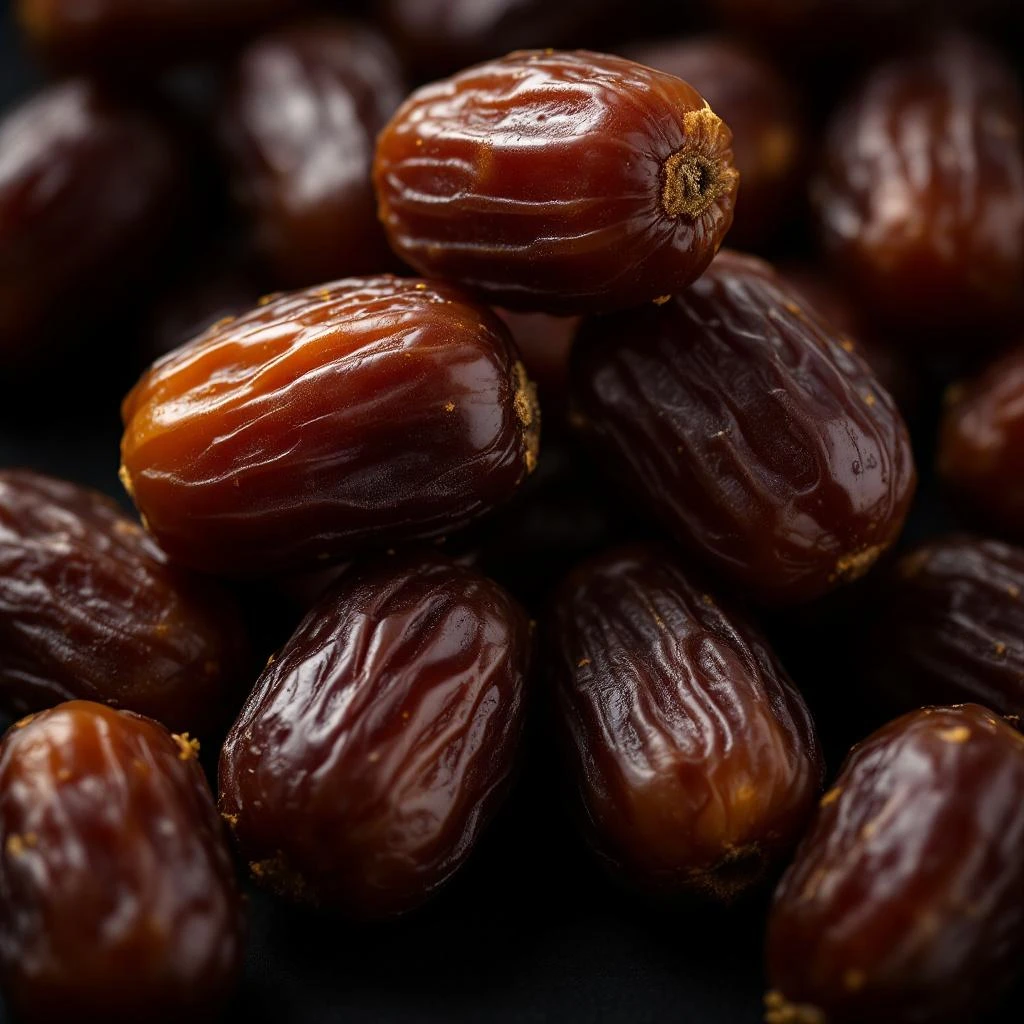
Ancient Mediterranean civilizations valued honey derived from Euphorbia foraging, though historical records remain fragmentary compared to those for thyme or sage honey. The Euphorbia plant itself held symbolic weight in Greco-Roman culture, associated with purification and ritual protection. Bees in Sicily and Malta naturally turned to Euphorbia nectar during early spring when competing flora had not yet bloomed, and local beekeepers learned to time their harvests accordingly.
Maltese records from the Knights of St. John period (16th-18th century) reference Euphorbia honey as a regional specialty traded within the island. Greek island communities similarly developed seasonal practices around this particular bloom, integrating the honey into traditional desserts and preserves.
Today, Euphorbia honey remains a niche product tied to specific geographies, preserved by beekeepers who maintain traditional transhumance routes through Euphorbia-rich terrain.
Wears it best
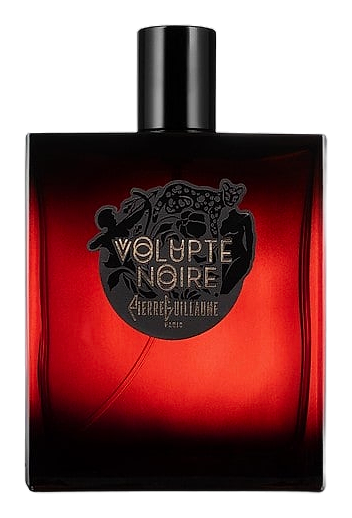
Fragrances featuring Euphorbia Honey
Brands
Brands known for Euphorbia Honey
Good to know
Questions, answered
The essentials on Euphorbia Honey in perfumery: how it smells, where it comes from, and how it behaves on skin.
What is Euphorbia honey?
Euphorbia honey is a specialty honey produced when bees forage on flowering Euphorbia plants, primarily in Mediterranean regions. It features warm caramel notes with herbaceous undertones.
Is Euphorbia honey safe to eat?
Yes. While some Euphorbia plants produce toxic latex, the nectar bees collect is processed into honey and becomes safe through the bees' enzymatic transformation. Euphorbia honey is fully edible.
Where does Euphorbia honey come from?
It originates from Mediterranean regions including Malta, Sicily, and parts of Greece, where Euphorbia dendroides and related species grow abundantly in coastal scrubland.
How does Euphorbia honey taste?
Expect warm amber color, caramel sweetness, and a subtle herbaceous finish that differs from common blossom honeys. The flavor reflects the specific terroir of Mediterranean scrubland.
When is Euphorbia honey harvested?
Beekeepers harvest it during a narrow window between February and April, coinciding with the Euphorbia bloom after winter rains when other nectar sources remain limited.
How rare is Euphorbia honey?
It is highly niche. Small-scale producers in Malta, Sicily, and Greek islands supply most of the market, and annual output depends entirely on seasonal flowering conditions.
What does 'Euphorbia' refer to in perfumery?
In perfumery, Euphorbia typically means Euphorbia resinoid extracted from certain species like E. resinifera. Euphorbia honey is a different material from apiculture, not a synthetic aromatic compound.
Can Euphorbia honey be used in fragrance?
Beeswax and propolis from Euphorbia-foraging hives carry aromatic complexity. Some natural perfumers incorporate these materials to add Mediterranean botanical character to fragrance compositions.





