English Blackcurrant
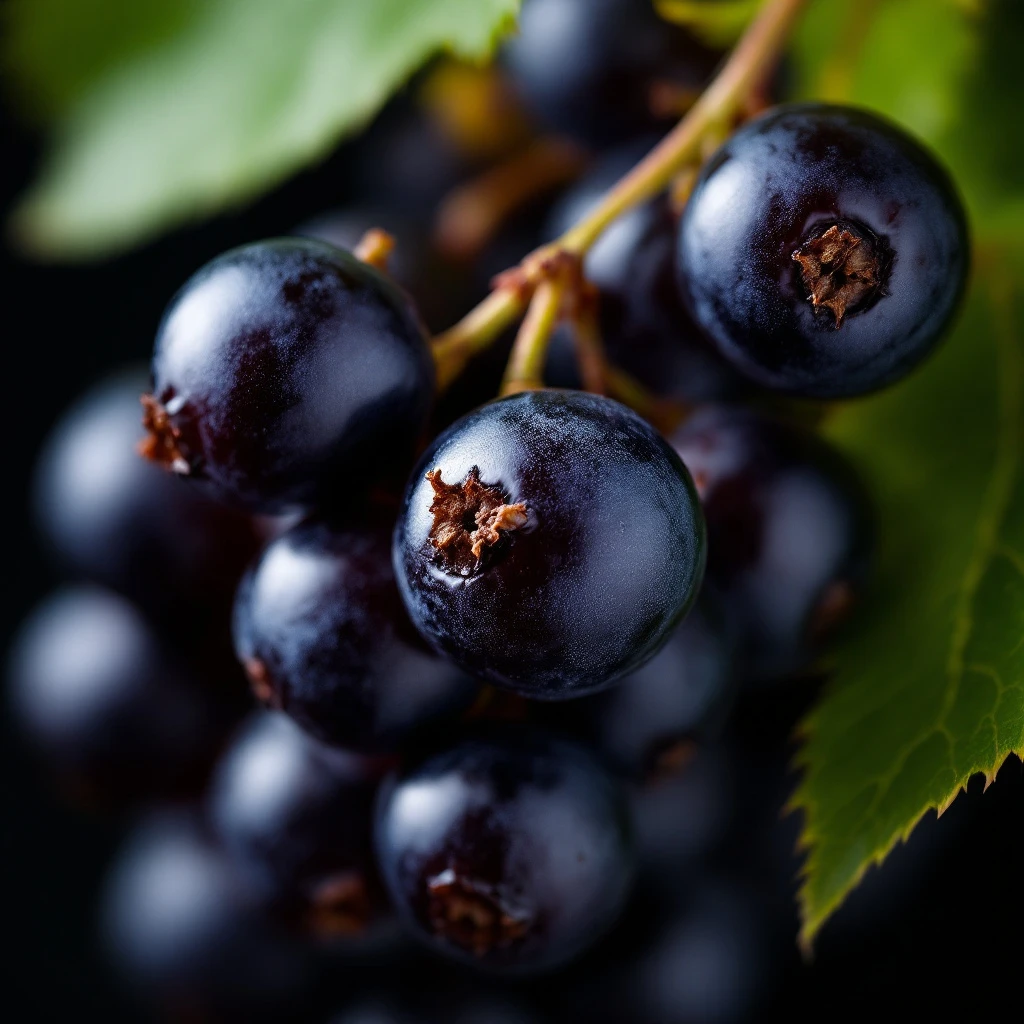
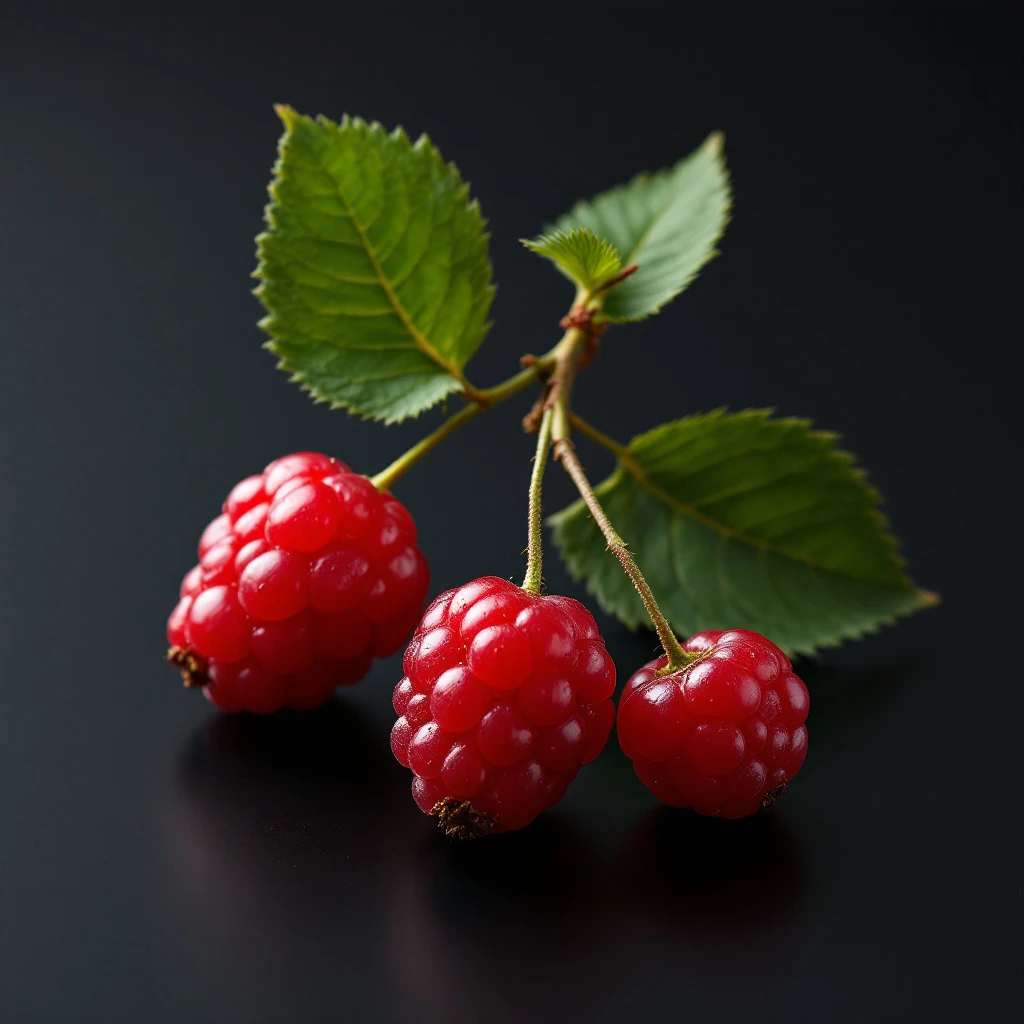
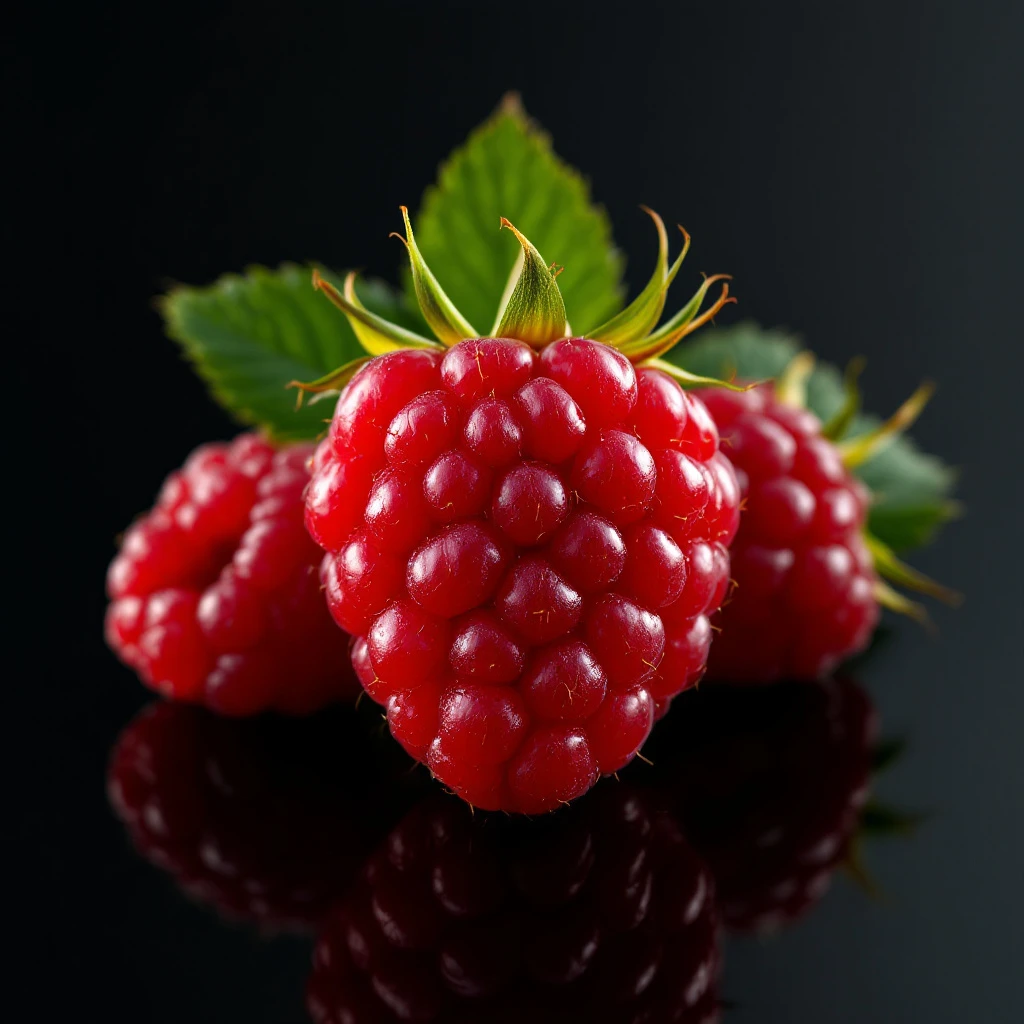
Tart, jammy, and unmistakably green—English Blackcurrant brings a sharp berry brightness to fragrance. Native to the British Isles, this note captures the moment you bite into a perfectly ripe, sun-warmed currant straight from the bush. Its distinctive character sits somewhere between green leaf and dark fruit, lending unexpected depth to compositions.
Character
How it smells
Sharp berry with a green, jammy soul.
One compound called 4-methoxy-2-methylbutane-2-thiol creates over 80% of the characteristic blackcurrant scent.

Origin
United Kingdom
Blackcurrant, or cassis as the French call it, has grown wild across northern Europe since antiquity. The ancient Greeks and Romans prized the berry for its medicinal qualities, though perfumery applications came much later. British horticulturists began systematic cultivation in the 19th century, establishing England as a premier growing region.
However, blackcurrant remained largely a culinary ingredient until the 1960s, when perfumers finally cracked the code on extracting its volatile aroma compounds. The breakthrough arrived with Chanel No. 19 in 1970, which placed blackcurrant bud absolute at its heart.
That bold choice transformed how perfumers viewed fruity notes—suddenly they could achieve genuine berry character without relying on simple sweeteness. English blackcurrant found its rightful place among the great natural ingredients of perfumery.
Wears it best
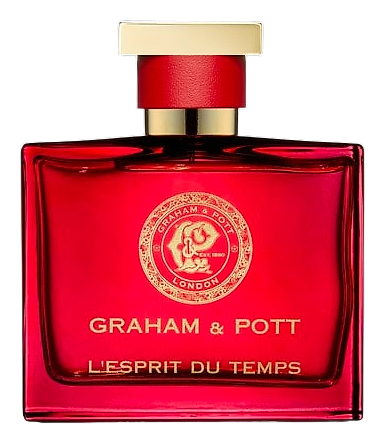
Fragrances featuring English Blackcurrant
Brands
Brands known for English Blackcurrant
Good to know
Questions, answered
The essentials on English Blackcurrant in perfumery: how it smells, where it comes from, and how it behaves on skin.
What does English Blackcurrant smell like in perfume?
English Blackcurrant delivers a tart, jammy berry aroma with strong green and leafy undertones. It combines sweetness with a sharp, almost catty edge that distinguishes it from sweeter fruits. The note reads as both fresh and dark, depending on concentration and accompanying ingredients.
Is English Blackcurrant a natural or synthetic ingredient?
Both forms exist in modern perfumery. Natural blackcurrant absolute comes from solvent extraction of buds or leaves. Synthetics like blackcurrant lactone and specific thiols replicate the scent profile consistently and affordably. Most contemporary fragrances rely primarily on synthetic versions.
When did blackcurrant become important in perfumery?
Blackcurrant bud absolute gained perfumery prominence in the 1960s and 1970s. The landmark 1970 launch of Chanel No. 19, built around genuine blackcurrant bud absolute, demonstrated the ingredient's potential for high-end fragrance and sparked wider industry adoption.
Which parts of the blackcurrant plant are used for fragrance?
Fragrance production uses the dormant winter buds and the green leaves. Bud absolute offers superior complexity and the characteristic green-fruity intensity. Leaf absolute provides a more economical option with lighter, greener character.
Where does English Blackcurrant grow?
The United Kingdom, particularly Kent and East Anglia, represents the heart of commercial blackcurrant cultivation. The British climate suits the plant's need for cold winters and cool summers, producing berries with intense aromatic concentration.
What fragrance families use English Blackcurrant?
English Blackcurrant appears most often in floral, chypre, and green fragrance families. It adds bright fruitiness to white florals, provides unexpected top-note lift in woody chypres, and reinforces green themes in aromatic compositions.
Why is blackcurrant sometimes called cassis in perfumery?
Cassis is simply the French word for blackcurrant. French perfumery led early development of the ingredient, and the terminology stuck industry-wide. English Blackcurrant and cassis refer to the same aromatic material.
Does English Blackcurrant have culinary connections?
Blackcurrants have deep roots in British cooking, appearing in pies, jams, and cordials for centuries. The fragrance note evokes these familiar flavors while adding sophisticated green and slightly animalic dimensions that only emerge through careful extraction.