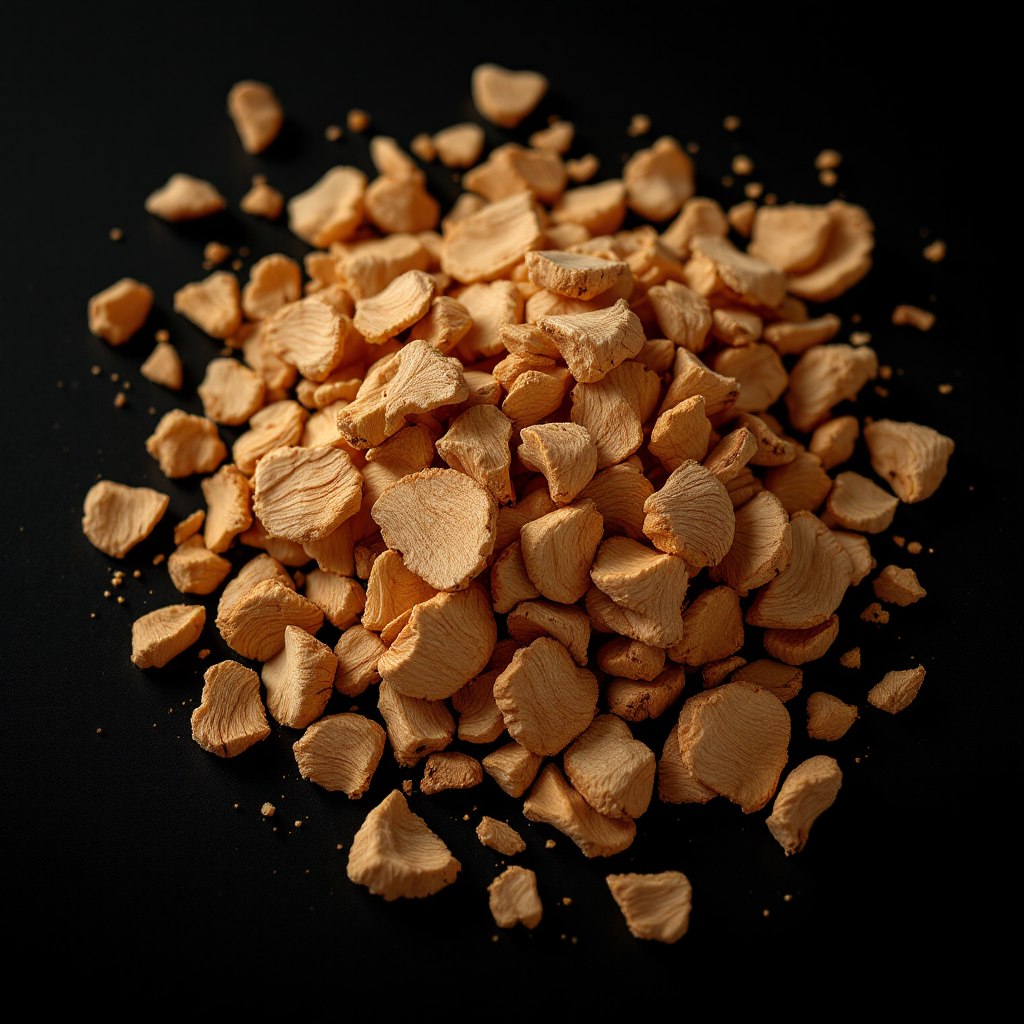
American Balsam Fir
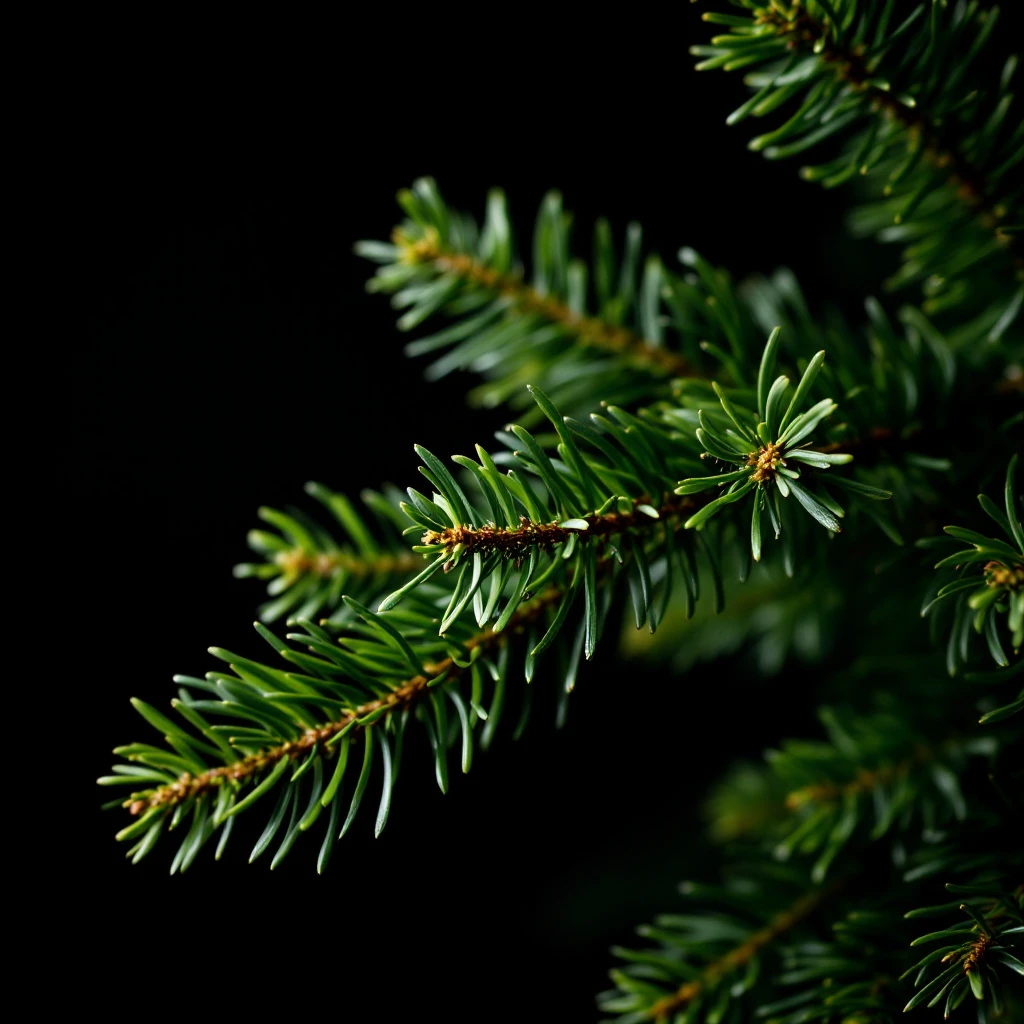
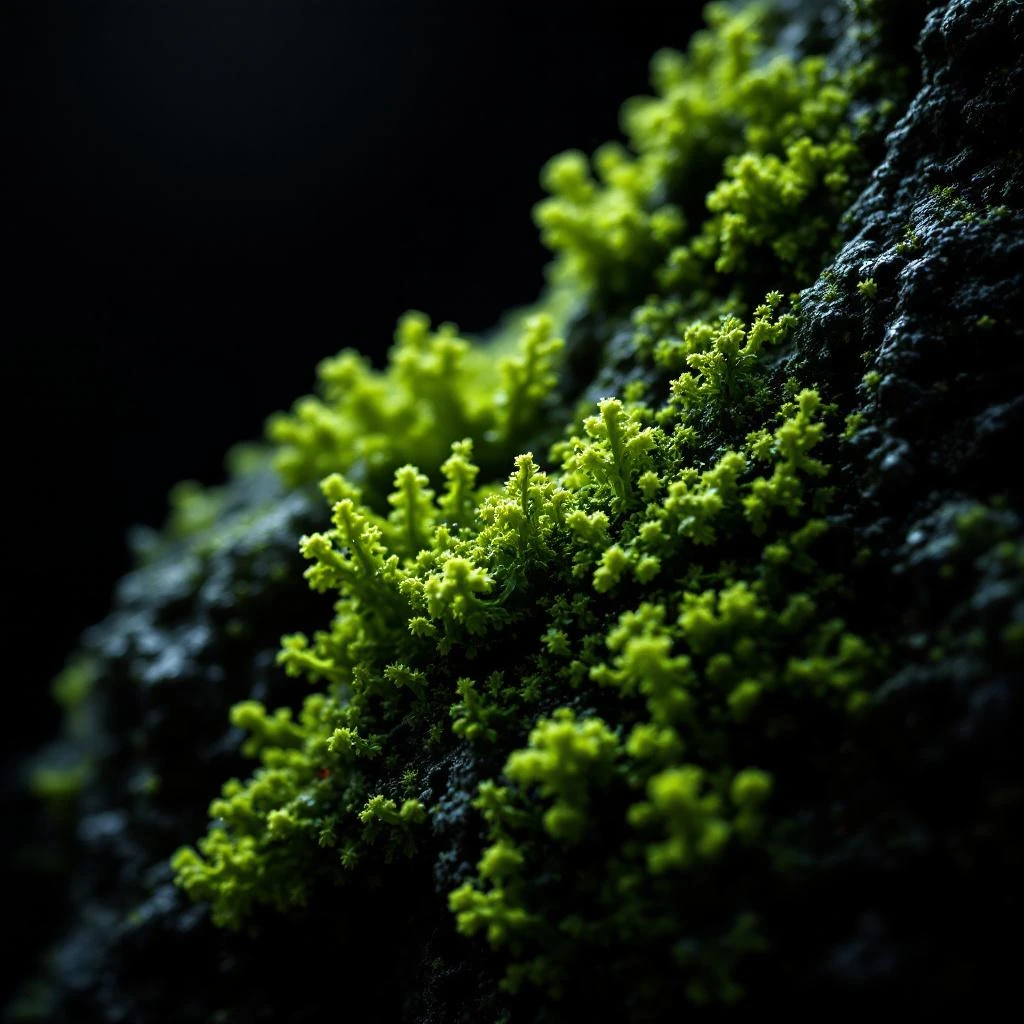
A crisp, resinous snapshot of evergreen forests in winter. American Balsam Fir captures the piercing freshness of pine needles crushed underfoot, balanced by warm, ambery depth from its natural oleoresins. This North American conifer brings authentic woodland atmosphere to fragrance compositions.
Character
How it smells
The sharp, clean scent of northern evergreen forests
Abies balsamea resin was historically used as a healing balm for wounds, giving the tree its 'balsam' name long before perfumery adopted it.

Origin
Canada
American Balsam Fir holds a distinct place among conifer materials because its commercial extraction began in North America rather than Europe. In the 1880s, producers in Canada and the northeastern United States pioneered solvent extraction methods specifically for Abies balsamea needles, establishing a domestic supply chain for perfumery ingredients. Indigenous peoples of the region had long valued the tree's resin for medicinal purposes, using it as a healing salve for wounds and respiratory applications.
The commercial adoption by early American and Canadian fragrance material suppliers created a supply chain independent of European imports, a significant development during an era when most perfumery raw materials originated from the Old World. This North American conifer became valued for its ability to bring transparent, authentic evergreen character to fragrance compositions, particularly in colognes and forest-themed perfumes where its crisp, clean profile creates immediate woodland atmosphere.
Wears it best
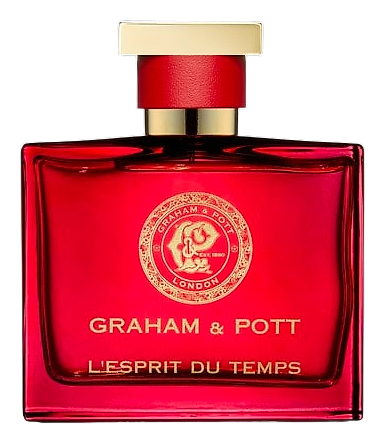
Fragrances featuring American Balsam Fir
Brands
Brands known for American Balsam Fir
Good to know
Questions, answered
The essentials on American Balsam Fir in perfumery: how it smells, where it comes from, and how it behaves on skin.
What does American Balsam Fir smell like?
American Balsam Fir delivers a crisp, clean conifer aroma with fresh pine needle top notes, subtle camphoraceous facets, and warm resinous undertones. The scent evokes standing among evergreen trees in cold northern air.
Is American Balsam Fir natural or synthetic?
American Balsam Fir is a natural ingredient. Steam distillation of needle-bearing twigs or solvent extraction of needles produces the aromatic material used in perfumery.
When did Balsam Fir first enter perfumery?
Commercial extraction of Balsam Fir for perfumery began in the 1880s, first in Canada and the northeastern United States, marking one of the few conifer materials with North American commercial origins.
What fragrance families use Balsam Fir?
Balsam Fir appears primarily in woody, fougere, and fresh cologne compositions. Its transparent evergreen character works well in men's fragrances and forest-themed perfumes.
Which countries produce Balsam Fir essential oil?
Canada and the northeastern United States remain the primary producers of Balsam Fir oil. Quebec and Ontario are significant production regions.
Does Balsam Fir contain any allergens?
Like many conifer materials, Balsam Fir oil contains naturally occurring terpenes including pinene, limonene, and bornyl acetate. These compounds may trigger sensitivities in some individuals.
What is the difference between Balsam Fir absolute and essential oil?
Balsam Fir absolute from solvent extraction carries richer, more tenacious resinous and ambery notes. Steam-distilled essential oil offers a lighter, fresher conifer character better suited to top note applications.
Is Balsam Fir sustainable to harvest?
Balsam Fir regenerates readily from sustainable branch harvesting. The tree's fast growth and widespread distribution in northern forests support responsible sourcing practices.