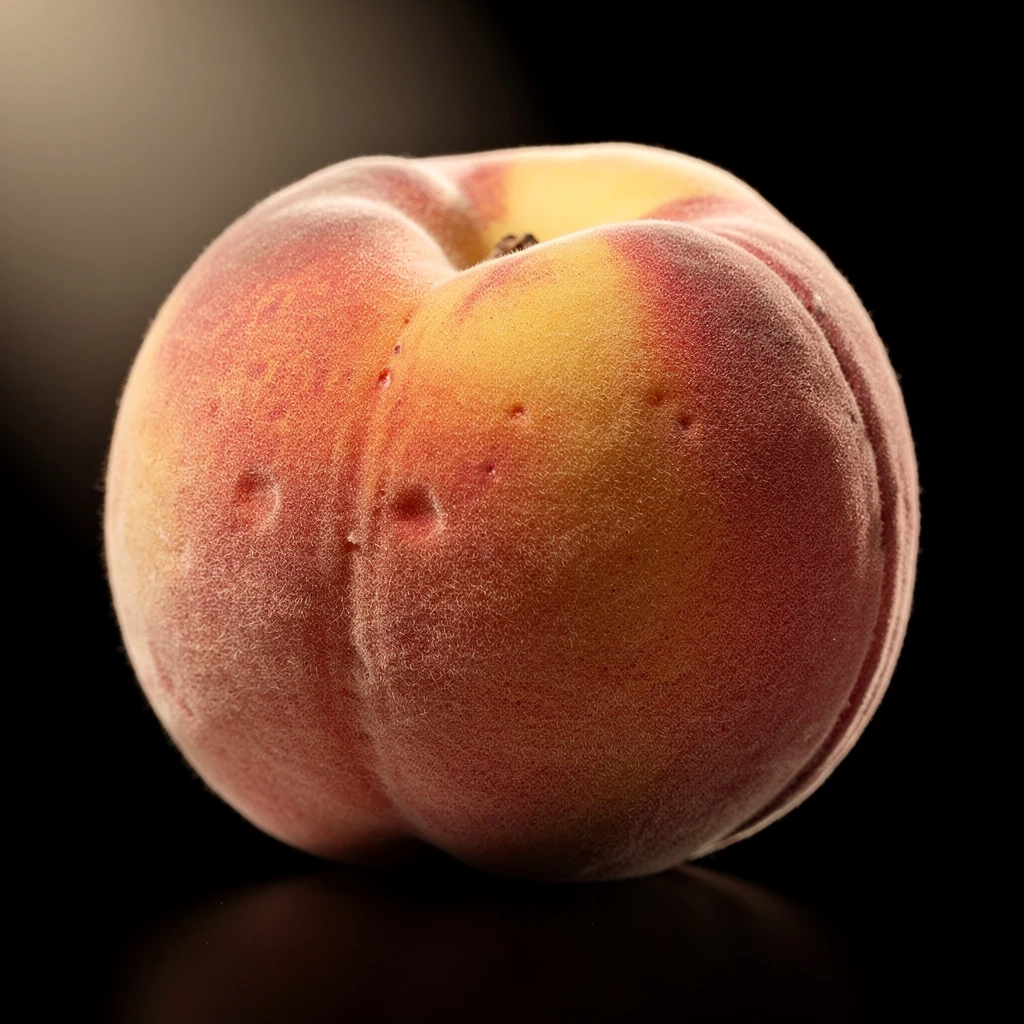
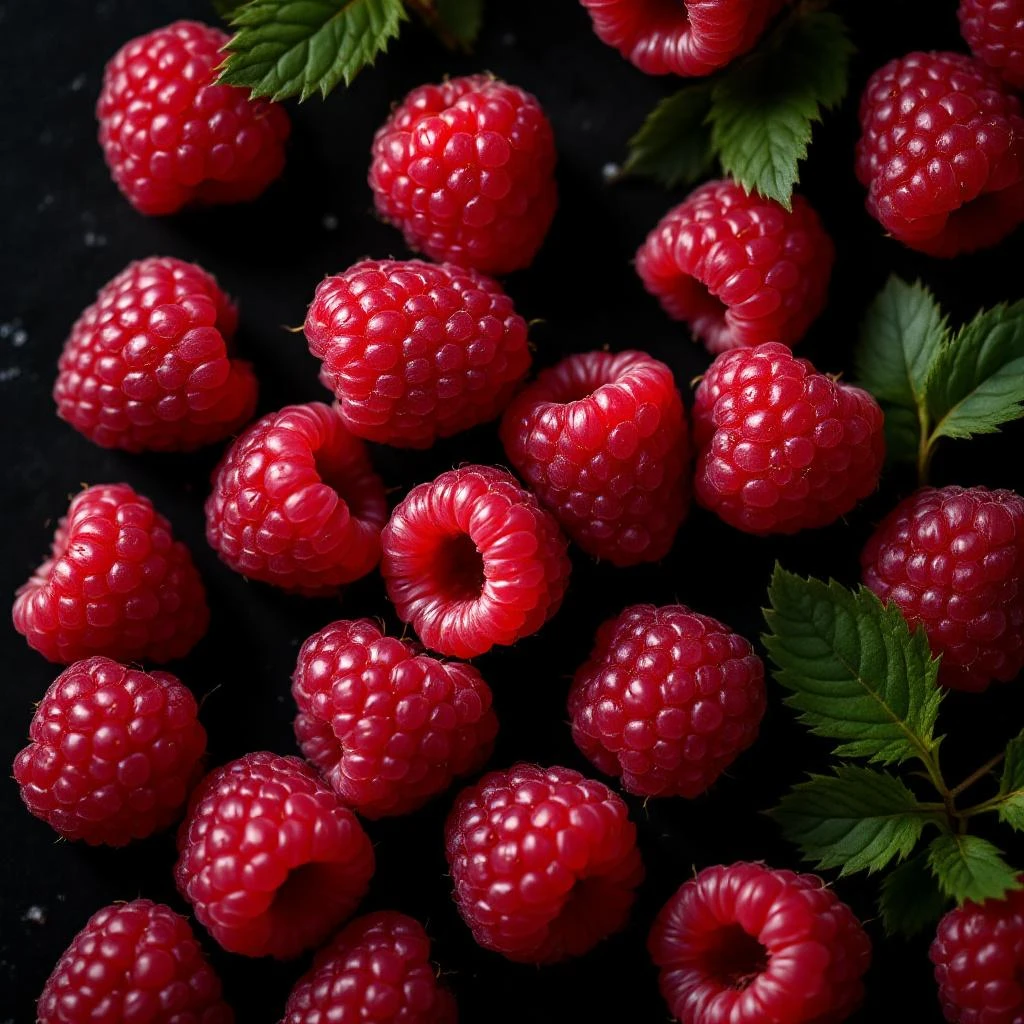
American Cranberry
A bold North American fruit note prized in perfumery for its tart, bright character. Discover how this bog-dwelling berry moves from wetland to fragrance bottle.
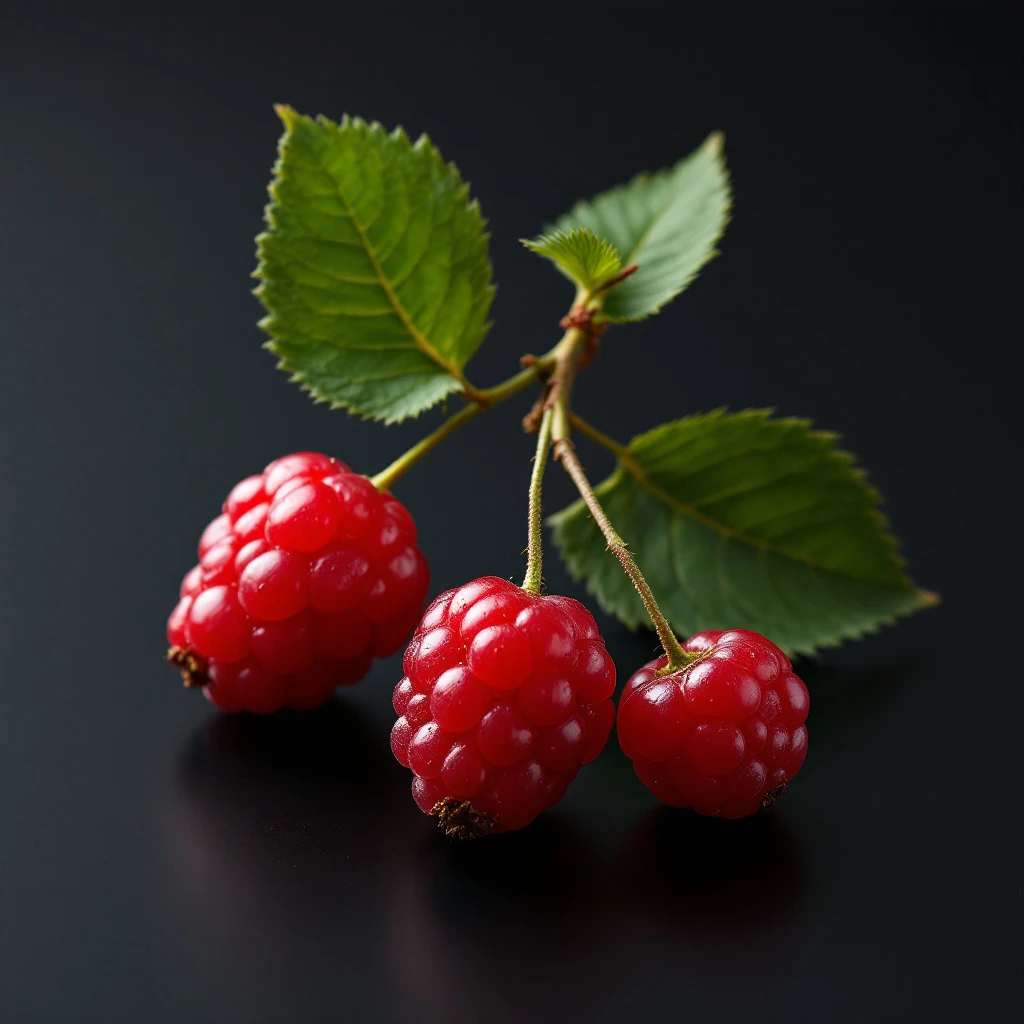
Character
How it smells
Bog-grown brilliance in a bottle.
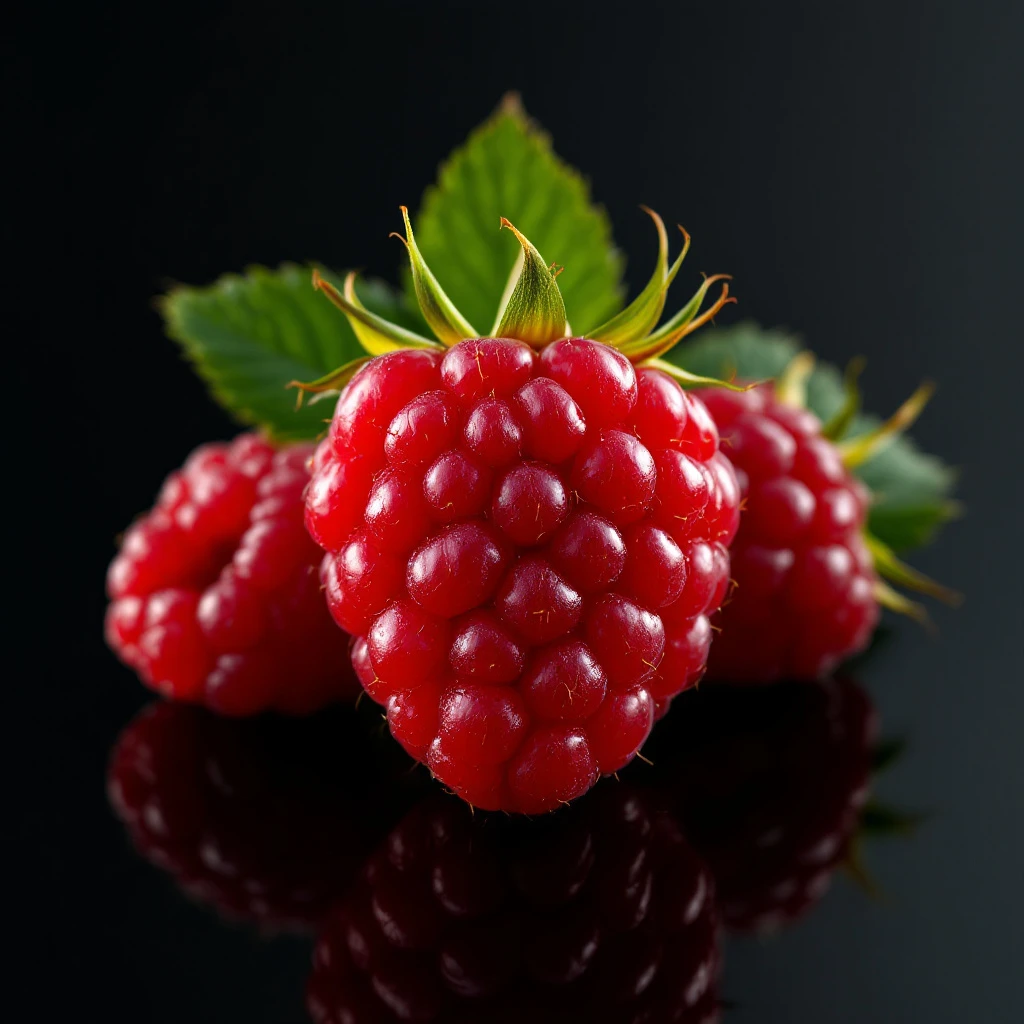
Cranberry farmers flood the bogs during harvest. The berries float, making them easy to gather, just as they do in the wild when the vines spread across standing water.

Origin
United States
Vaccinium macrocarpon traces back to the wetlands of northeastern North America, where indigenous peoples harvested the bright red berries for food and medicine long before European contact. Commercial cultivation began in Massachusetts in the 1820s, when farmers learned to replicate the acidic, boggy conditions the plant requires. François Coty helped popularize solvent-extracted absolutes in the late 1800s, opening possibilities for fruits previously difficult to capture.
Today, cranberry absolute represents a niche pursuit in modern perfumery, valued for bringing a distinctly American character to fragrance compositions. Its tart brightness works especially well in autumn and winter collections, where it cuts through heavier base notes with clean, fruity energy.
Wears it best
Fragrances featuring American Cranberry
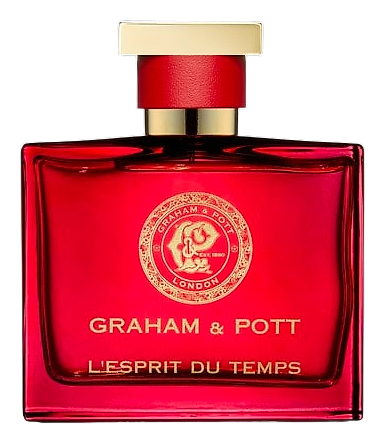
Brands
Brands known for American Cranberry
Good to know
Questions, answered
The essentials on American Cranberry in perfumery: how it smells, where it comes from, and how it behaves on skin.
What does cranberry absolute smell like?
Cranberry absolute has a tart, sharp, fruity scent reminiscent of unsweetened cranberry juice. It carries subtle wine-like and slightly sweet undertones that give it complexity. Perfumers value it for adding bright, acidic top notes that cut through heavier compositions.
Is cranberry a natural or synthetic ingredient?
Cranberry absolute is a natural ingredient. Perfumers obtain it through solvent extraction of the fruit, though this process remains extremely rare in commercial fragrance production.
What type of fragrance note is cranberry?
Cranberry functions as a fruity top note. Its bright, volatile character means it registers quickly upon application but fades faster than heart or base notes, making it ideal for initial impact in a fragrance composition.
What fragrances feature cranberry as a main ingredient?
Cranberry appears most often in autumn and winter perfumes, typically in the fresh or gourmand fragrance families. Niche and limited-edition fragrances use it more frequently than mass-market products because of its rarity and extraction cost.
Where do cranberries used in perfumery come from?
The fruit comes from North American bogs, primarily in Massachusetts, Wisconsin, and parts of Canada. These regions replicate the cool, acidic, peat-rich conditions that Vaccinium macrocarpon requires to thrive.
How rare is cranberry absolute in perfumery?
Cranberry absolute is extraordinarily rare. Unlike rose or jasmine, which appear in thousands of fragrances, cranberry absolute remains a specialty material that few perfumers include due to extraction complexity and limited availability.
What pairs well with cranberry in fragrance?
Cranberry blends well with spices like cinnamon and clove, other fruits such as apple and plum, and woody base notes including cedar and sandalwood. These pairings enhance its fruity brightness while adding depth.
Why is cranberry so uncommon in commercial fragrances?
The solvent extraction process for cranberry absolute is technically demanding and yields relatively little material. Combined with seasonal harvesting constraints, this makes the ingredient expensive and impractical for large-scale fragrance production.