Elmleaf Blackberry
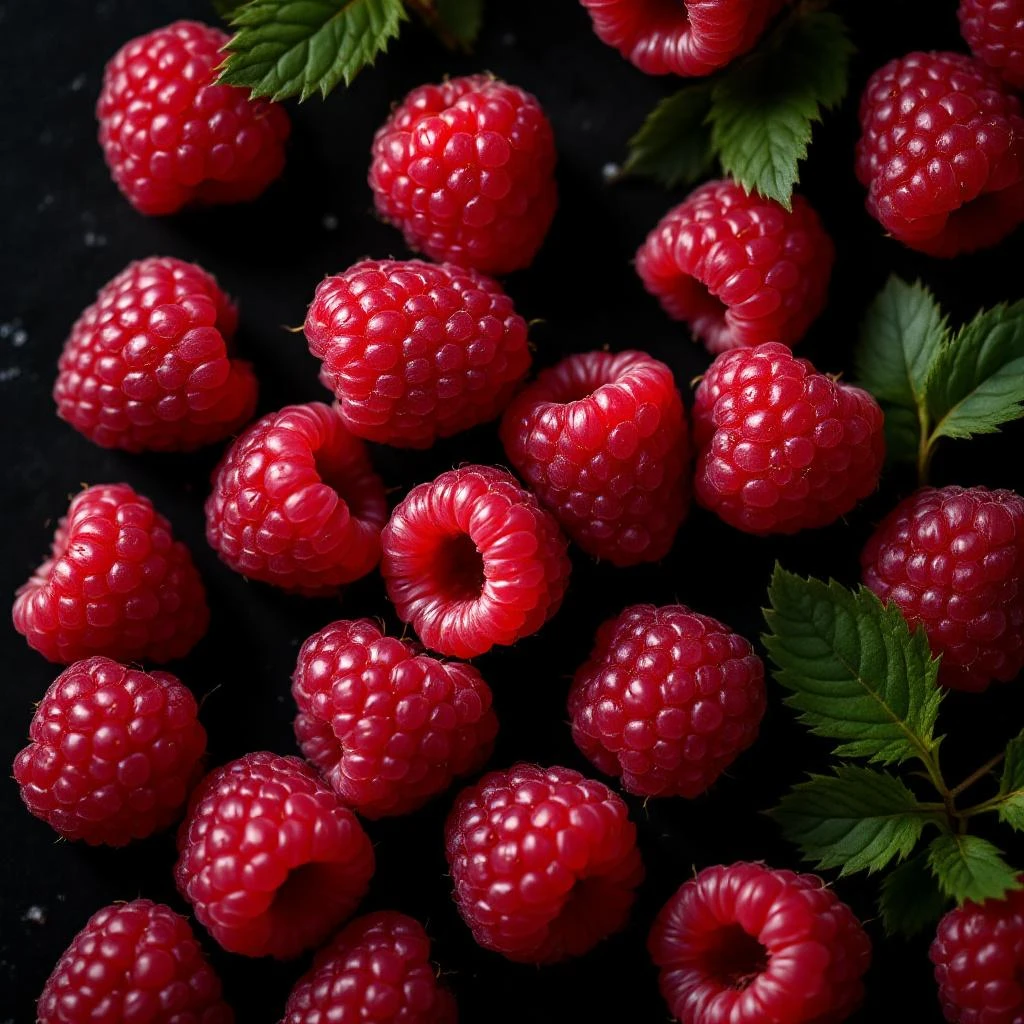
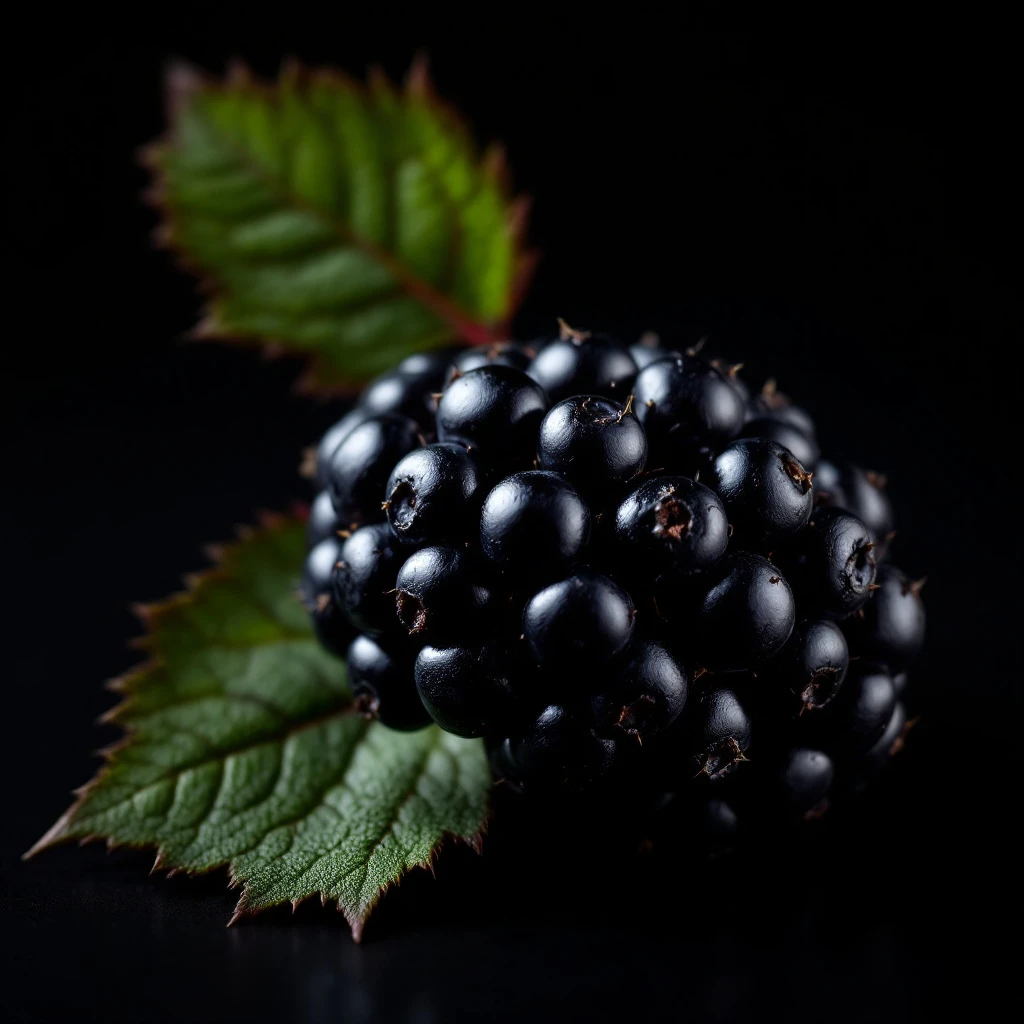
Elmleaf blackberry (Rubus ulmifolius) brings a tart, jammy depth to perfumery that few fruits can match. Native to European hedgerows, this wild cousin of the cultivated blackberry captures the essence of summer in full bloom.
Character
How it smells
Wild, tart, and beautifully untamed.
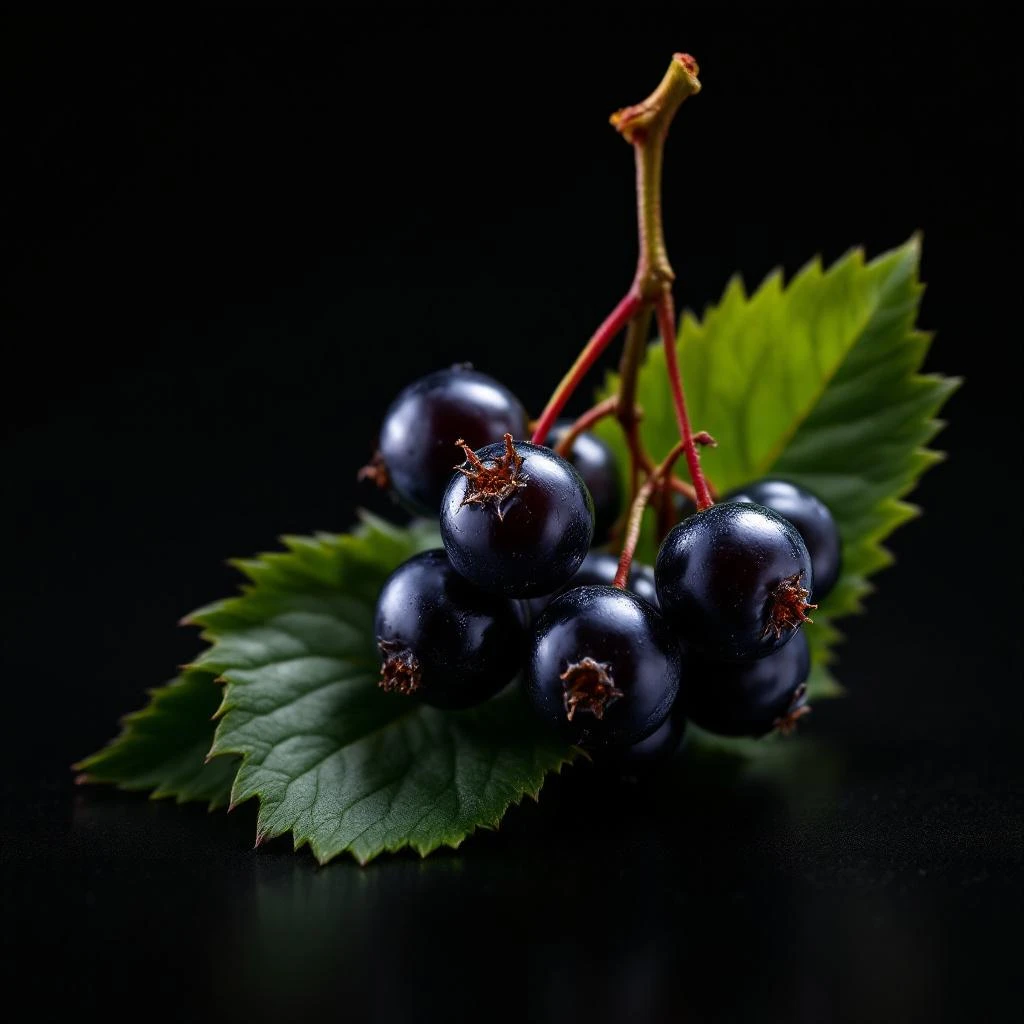
Elmleaf blackberry leaves take their name from their distinctive shape, which closely resembles elm foliage but belongs to an entirely different plant family.



Origin
France
Rubus ulmifolius has grown wild across European hedgerows for millennia, woven into the agricultural fabric of the continent long before perfumery existed. Ancient herbalists gatheredelmleaf blackberry for medicinal preparations, valuing its astringent properties. The plant's journey into fine fragrance began in the late 20th century when perfumers sought to capture more authentic fruit characters beyond traditional rose and jasmine bases.
European wild-foraging traditions influenced perfumers' interest in hedgerow ingredients, bringing botanicals like elmleaf blackberry into the laboratory. Today the species grows throughout temperate Europe, the Mediterranean Basin, and has naturalized in parts of North America and Australia.
Wears it best
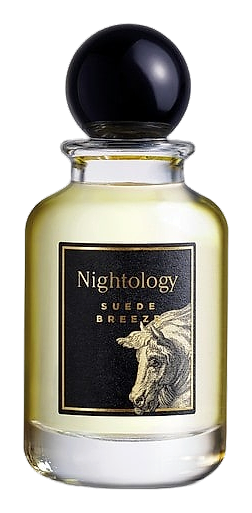
Fragrances featuring Elmleaf Blackberry
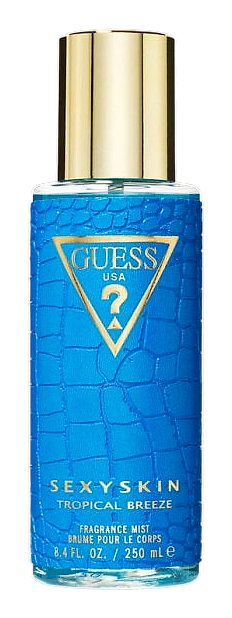
Brands
Brands known for Elmleaf Blackberry
Good to know
Questions, answered
The essentials on Elmleaf Blackberry in perfumery: how it smells, where it comes from, and how it behaves on skin.
What does elmleaf blackberry smell like in perfume?
Elmleaf blackberry brings a tart, jammy fruit character with green undertones. It reads as darker and more complex than cultivated blackberry, with subtle wine-like depth and herbaceous freshness from the leaves.
Is elmleaf blackberry used in men's or women's fragrances?
It appears across both genders, though designers often use it prominently in feminine fragrances. The note bridges fruit and nature, making it versatile for contemporary gender-neutral compositions.
What compounds create blackberry's signature aroma?
The characteristic blackberry scent comes from ionones, which provide the fruity character, combined with linalool for florality and sulfur compounds for authentic fruit authenticity. No single molecule captures blackberry; perfumers layer multiple aromatics.
Can natural blackberry extract replace fresh blackberry in perfumery?
Natural extracts cannot fully replicate fresh fruit. Blackberry absolute captures tartness and depth but lacks the immediate brightness of crushed berries, which is why perfumers often combine natural and synthetic materials.
What fragrances feature elmleaf blackberry as a main note?
Many contemporary fragrances list blackberry, particularly in the fruity chypre and floral fruity categories. The note gained mainstream popularity in the 1970s and has since become a perennial perfumery ingredient.
Does elmleaf blackberry grow differently from cultivated varieties?
Yes. As a wild species, Rubus ulmifolius produces smaller, more aromatic berries with higher tannin content. The leaves contain distinct volatile compounds not present in cultivated hybrids.
How does terroir affect blackberry fragrance in perfume?
Like wine grapes, blackberry's aromatic profile shifts with growing conditions. Soil composition, rainfall timing, and sun exposure all influence the fruit's balance of sweetness, tartness, and aromatic complexity.
What other ingredients pair well with blackberry in fragrance compositions?
Blackberry harmonizes with musk for warmth, bergamot for brightness, and patchouli for depth. Florals like rose and violet often accompany it, while oakmoss provides textural contrast.