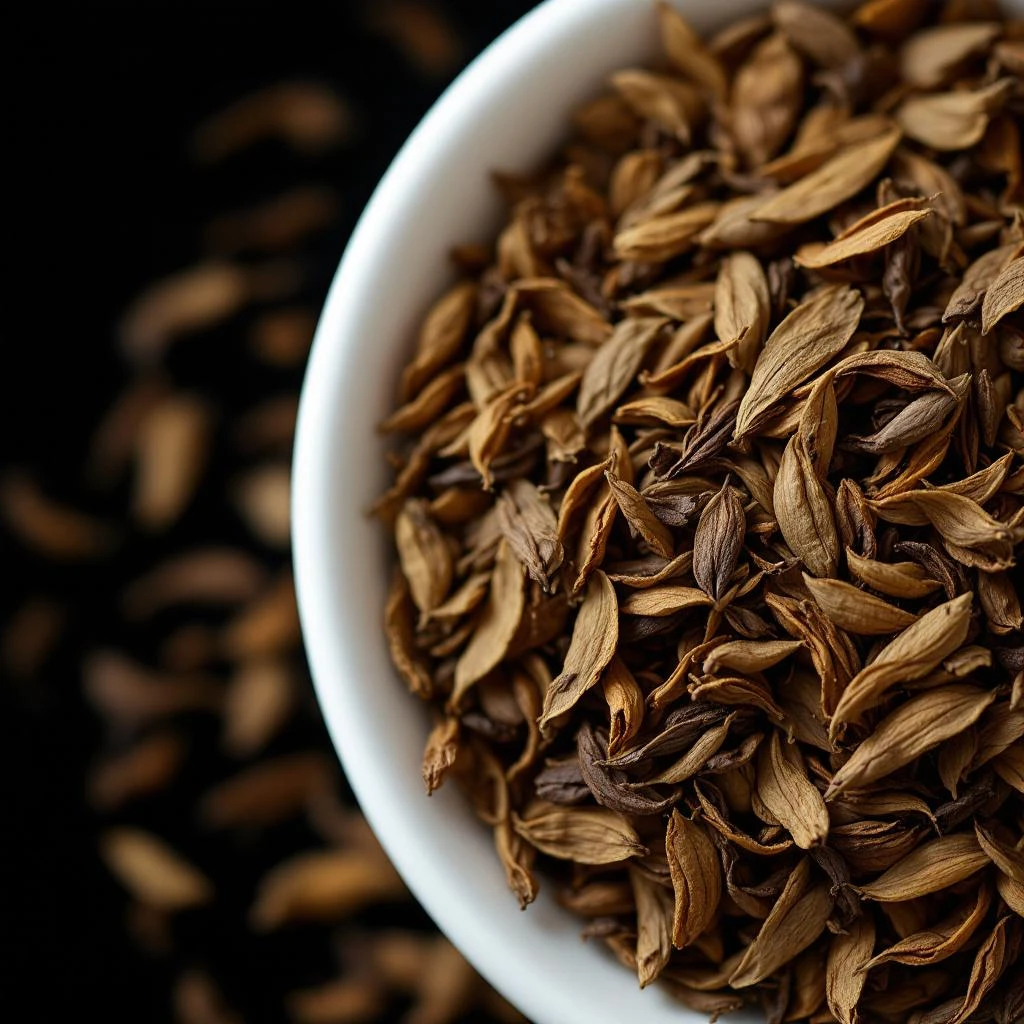
Elm Leaf
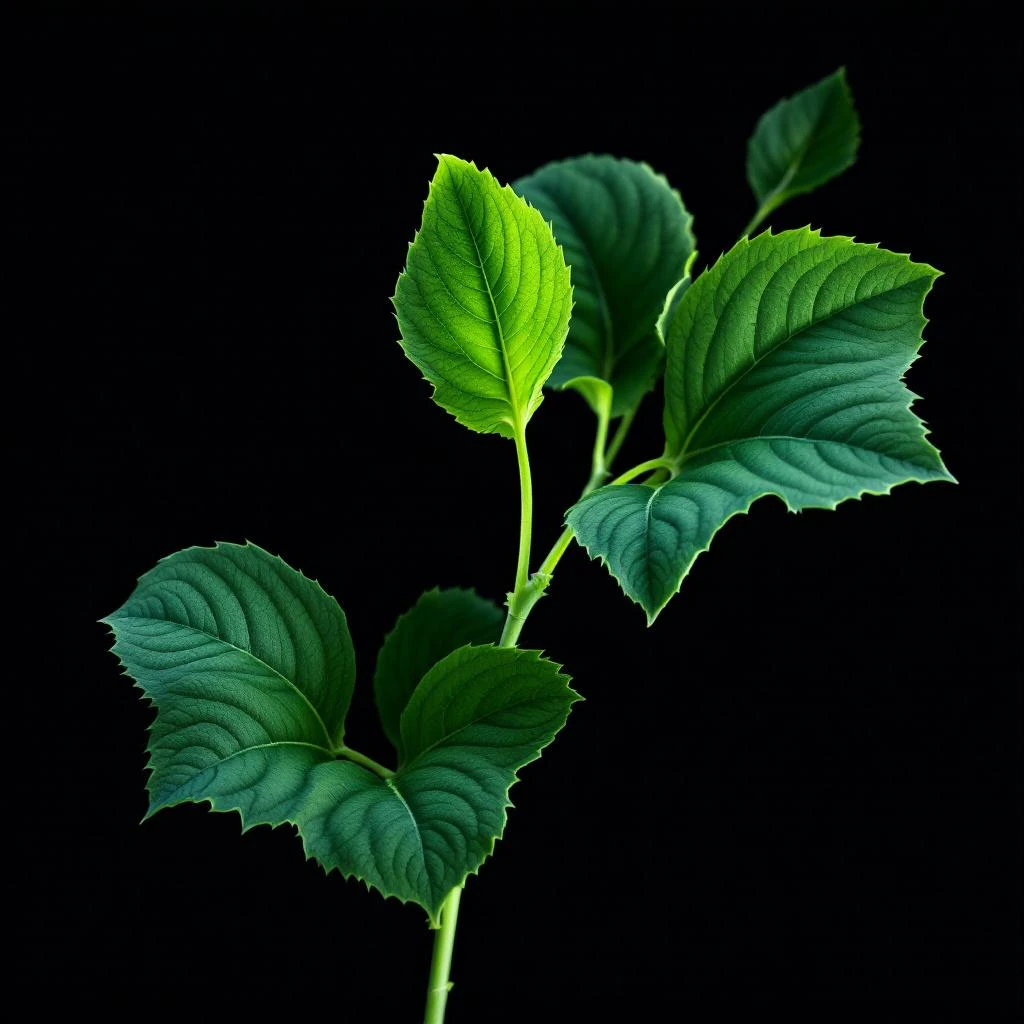
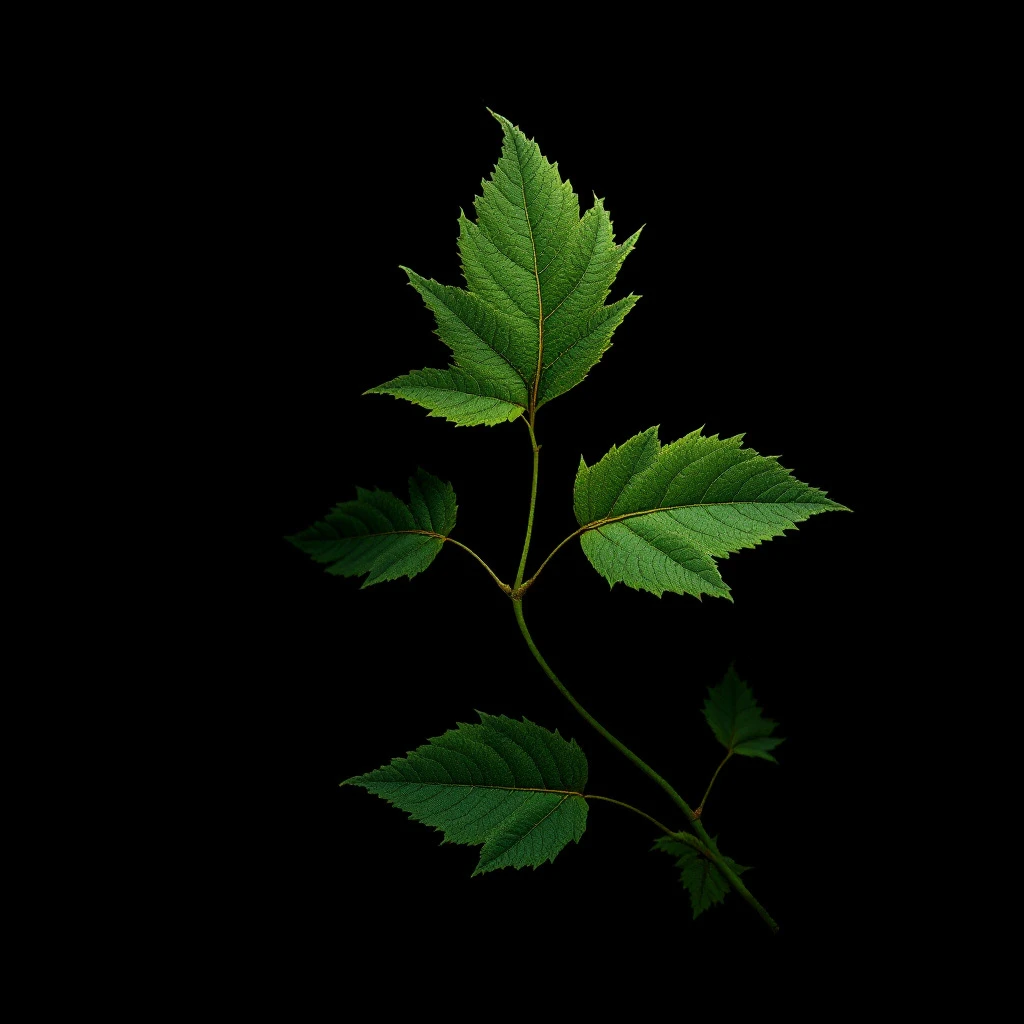
Elm leaf brings a crisp, green vibrancy to perfumery, capturing the fresh cut and slightly bitter essence of spring foliage. This underused ingredient adds an authentic natural greenery that grounds top notes with earthy authenticity.
Character
How it smells
Crisp green foliage with bitter undertones
Elm leaves contain the same leaf alcohol (cis-3-hexen-1-ol) responsible for the scent of fresh-cut grass.

Origin
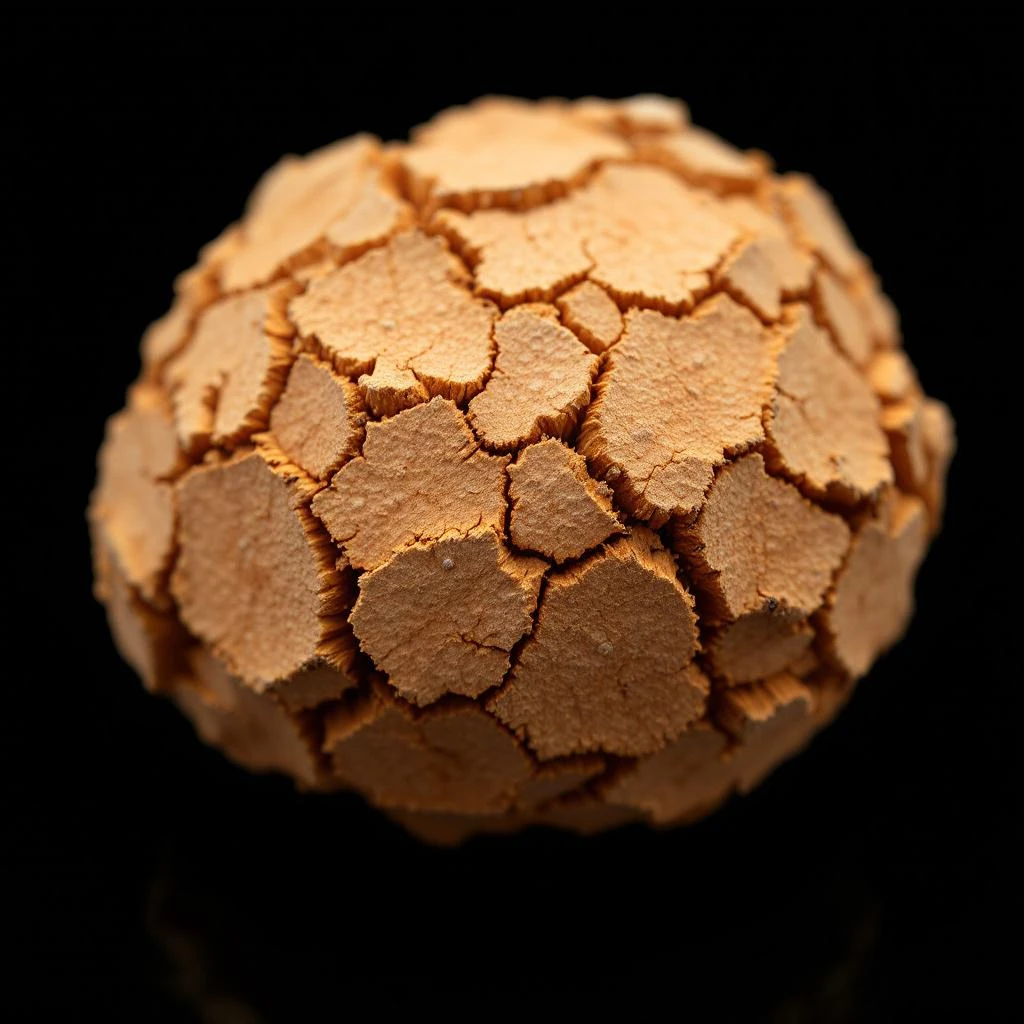
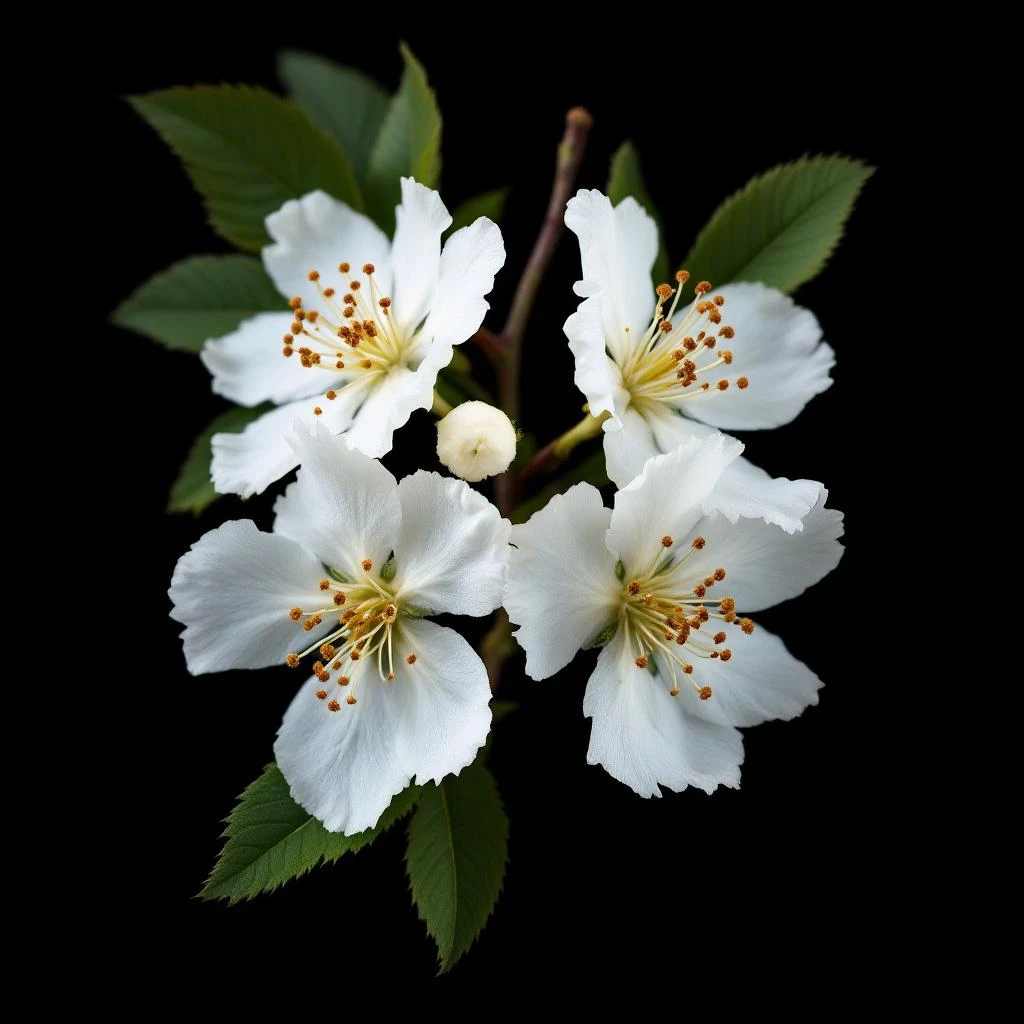
Temperate regions of Europe and North America
Elm trees held significant practical value throughout European history before their devastating decline from Dutch elm disease in the 20th century. Ancient Romans documented using elm leaves in medicinal preparations, and European folk traditions employed them in poultices and teas.
The English elm (Ulmus procera) dominated countryside hedgerows for centuries. While perfumers have long appreciated green notes, elm leaf absolute remains uncommon in commercial fragrances due to supply challenges and the disease that decimated elm populations globally.
Before the pandemic of Dutch elm disease, mature elms were common features of European landscapes, and their leaves would have been readily available as a perfumery material. Today, sustainable harvesting requires careful sourcing to avoid overharvesting from stressed populations.
Wears it best
Fragrances featuring Elm Leaf
Brands
Brands known for Elm Leaf
Good to know
Questions, answered
The essentials on Elm Leaf in perfumery: how it smells, where it comes from, and how it behaves on skin.
What does elm leaf smell like in perfume?
Elm leaf absolute has a fresh, intensely green aroma reminiscent of cut grass, cucumber, and apple peel with subtle bitter undertones. It conveys authentic natural greenery rather than synthetic green accord.
Is elm leaf a natural or synthetic ingredient?
Elm leaf absolute is a natural ingredient extracted from fresh leaves of elm trees (Ulmus species) through solvent extraction.
What fragrance families use elm leaf?
Elm leaf absolute appears primarily in green and chypre compositions, and occasionally in spring or summer fragrances seeking an authentic herbal green note.
How much elm leaf is typically used in a fragrance formula?
Elm leaf absolute functions as a modifier or supporting note, typically comprising less than 5% of a fragrance formula due to its concentrated intensity.
What compounds give elm leaf its characteristic aroma?
The signature green scent comes from leaf alcohols like cis-3-hexen-1-ol, along with aldehydes, sesquiterpene alcohols, and chlorophyll-derived compounds.
Why is elm leaf not more commonly used in perfumery?
Dutch elm disease devastated elm populations globally, making sustainable sourcing challenging. The extraction process is also more complex than for more readily available green notes like galbanum.
What other ingredients pair well with elm leaf?
Elm leaf blends well with other green notes including galbanum, violet leaf, and oakmoss, as well as with fresh citruses and lighter florals in green compositions.
When are elm leaves harvested for perfumery?
Leaves are harvested in spring through early summer when new growth is most aromatic and chlorophyll content reaches its peak, usually within a specific window to capture optimal fragrance compounds.