Elderflower Wine
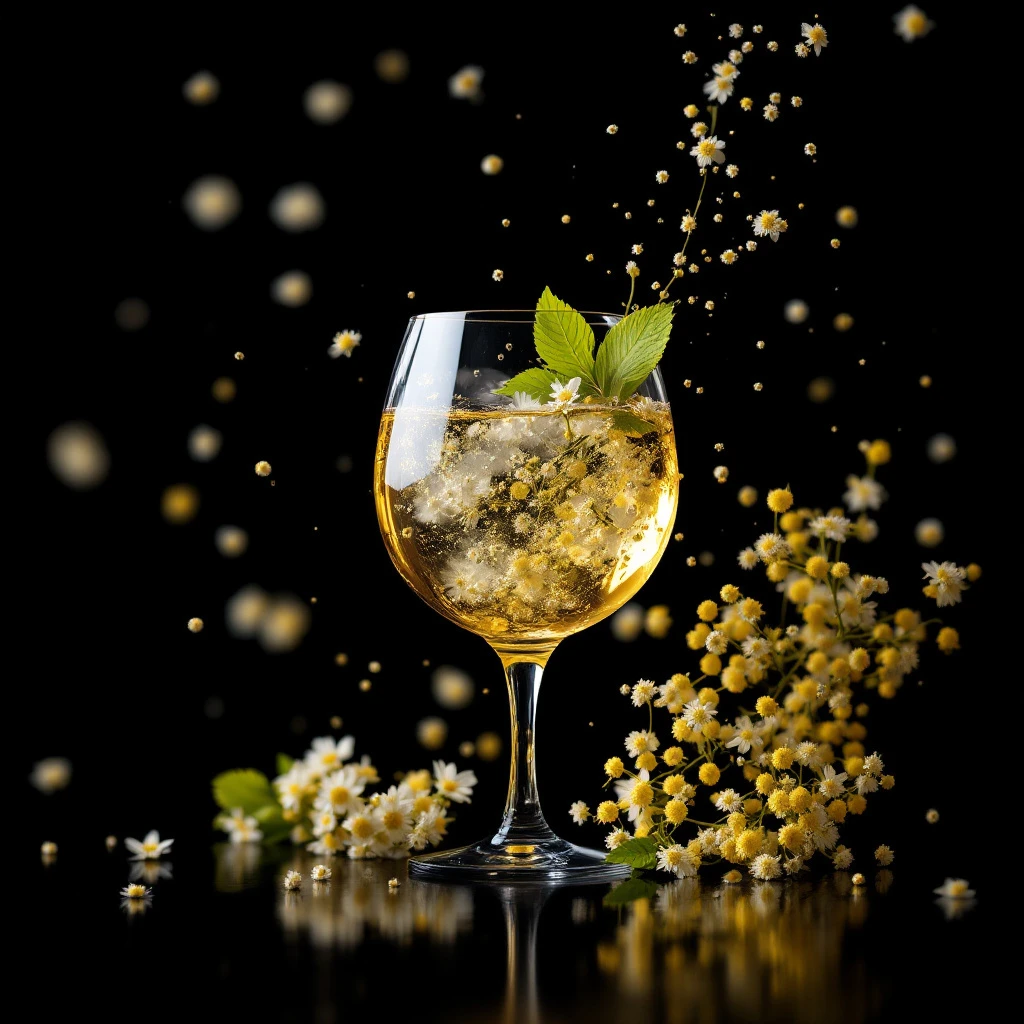
Elderflower wine lends perfume a bright, honeyed floral note, pairing the creamy freshness of elderflowers with wine-like depth and a soft celebratory richness.
Character
How it smells
Floral freshness with a sparkling, honeyed finish
Elderflower wine is traditionally made by fermenting elderflowers with sugar and citrus, creating a fragrant drink long associated with summer gatherings.
Pairs beautifully with
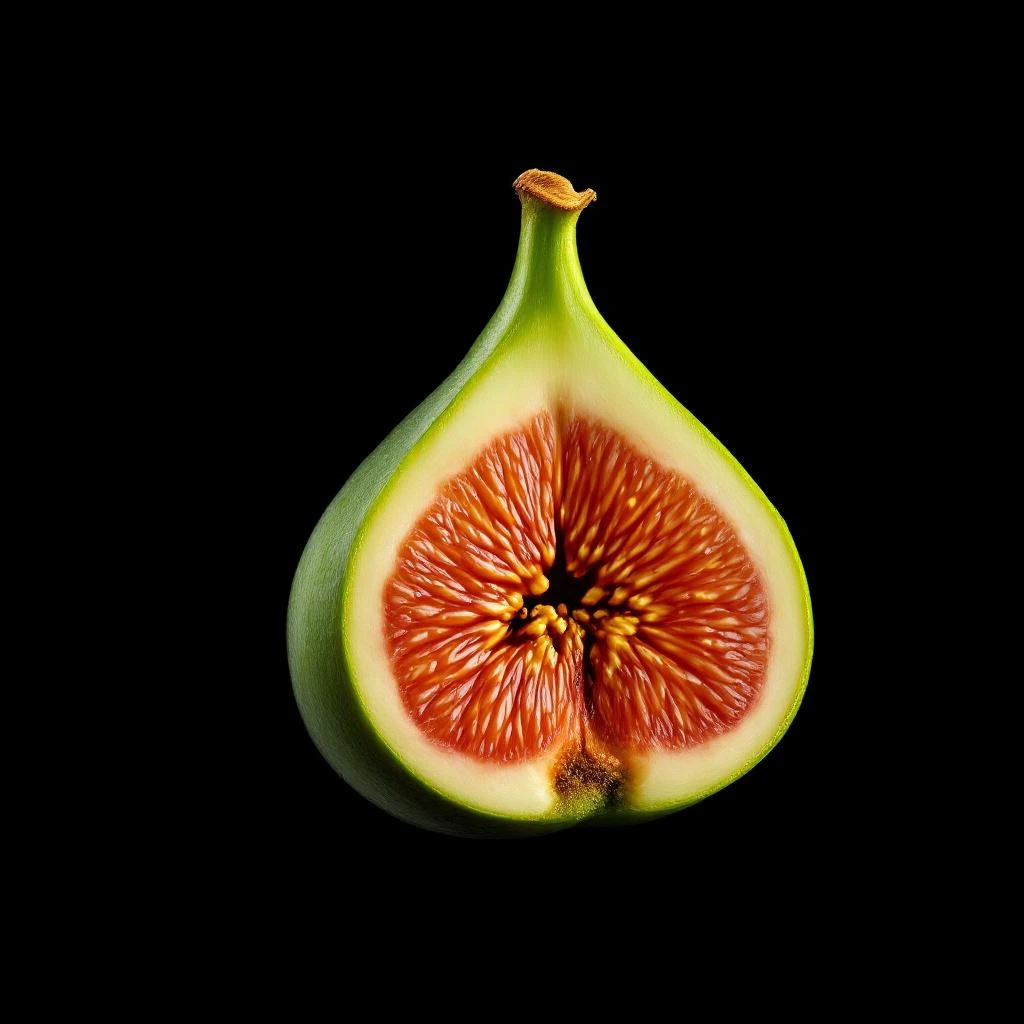
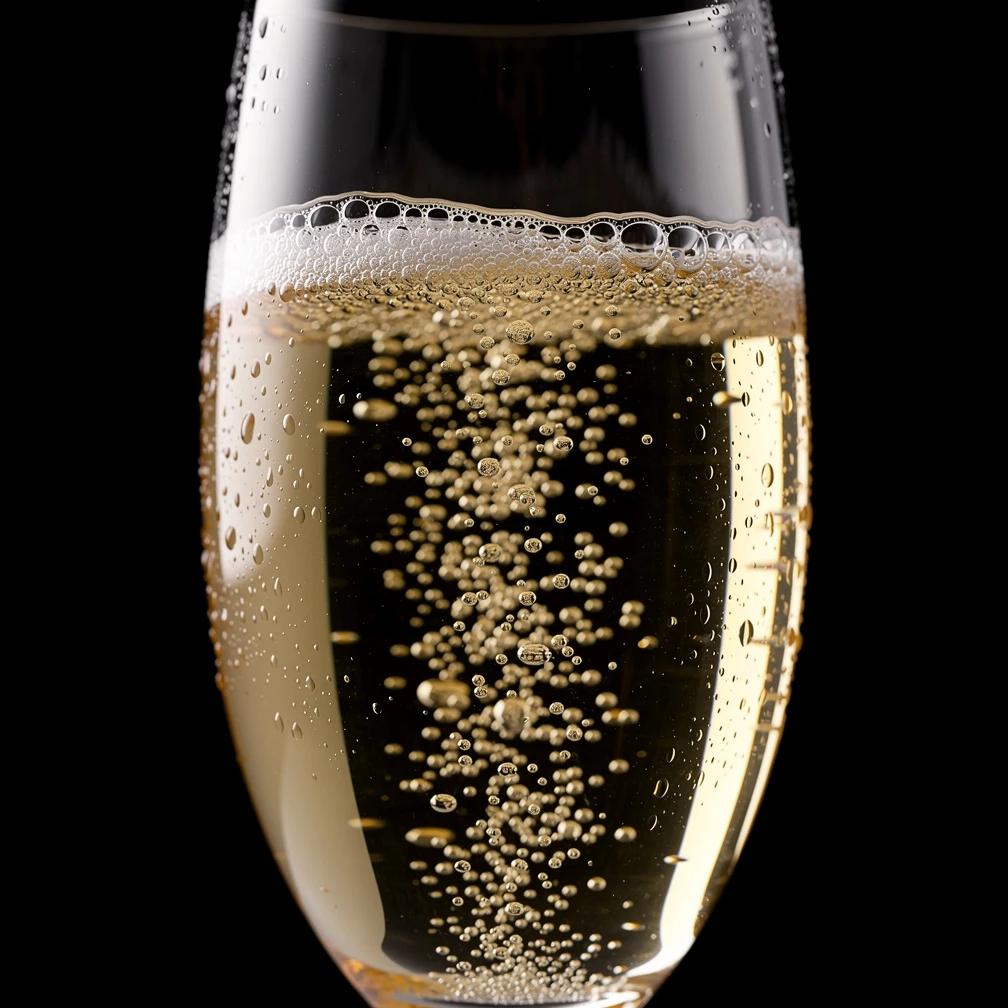


Origin
United Kingdom
Elderflowers have a long history in European folk preparations, where their blossoms are used for cordials, syrups, wines, and celebratory drinks. Elderberry wine is especially associated with traditional household and seasonal production, but the use of elderflower in aromatic preparations reaches back further into the history of botanical perfumery.
The flower carries a fine, creamy scent that suited the floral materials valued in European apothecary and early fragrance practices. Long before modern perfumers had access to precisely calibrated synthetic aroma compounds, makers relied on flowers, fruits, resins, and aromatic liquids to create impressions of freshness, richness, and occasion.
The modern idea of elderflower wine as a fragrance note brings together these two traditions: the blossom’s soft floral character and the rounded, slightly fruity profile of wine. It does not reproduce a historic perfume in strict terms, but it continues an old sensory association between elderflowers, hospitality, and festive drink.
Wears it best
Fragrances featuring Elderflower Wine
Brands
Brands known for Elderflower Wine
Good to know
Questions, answered
The essentials on Elderflower Wine in perfumery: how it smells, where it comes from, and how it behaves on skin.
What does elderflower wine smell like in perfume?
It smells lightly floral, honeyed, and fruity, with a soft wine-like depth. Its profile is usually fresher and less boozy than a spirit note, making it useful as a lifted middle-note accent.
Is elderflower wine a natural perfume ingredient?
It can be made with natural-derived and synthetic aroma materials. The final composition depends on the supplier and formula, so the label alone does not confirm whether every component is botanical.
Which part of the elderflower is used?
The blossoms provide the clearest floral reference, while wine-like aroma compounds create the fermented, fruity impression. The berries are not usually the defining source of this fragrance note.
Where does elderflower wine come from?
The note has strong historical roots in the United Kingdom, where elderflowers have long been used in cordials, syrups, and traditional drinks. Commercial fragrance versions are now made internationally.
When should the note appear in a perfume?
It most often works as a middle note, placed between brighter opening materials and deeper base notes. This lets its floral softness connect citrus, green, fruit, and woody accords.
Is elderflower wine similar to elderberry?
Not exactly. Elderberry tends to read darker, darker-fruited, and more wine-like, while elderflower emphasizes a pale, creamy blossom character with lighter sweetness.
Can elderflower wine overpower a fragrance?
Yes, if used too heavily, it can become excessively sweet or conspicuous. Experienced perfumers use it as a supporting accent and balance it with structure and drier materials.
How is elderflower wine produced for perfumery?
Producers combine carefully selected floral and fermentation-related aroma materials, often including synthetic components for consistency. The material is blended and standardized so its scent remains stable across batches.