Egg-nog
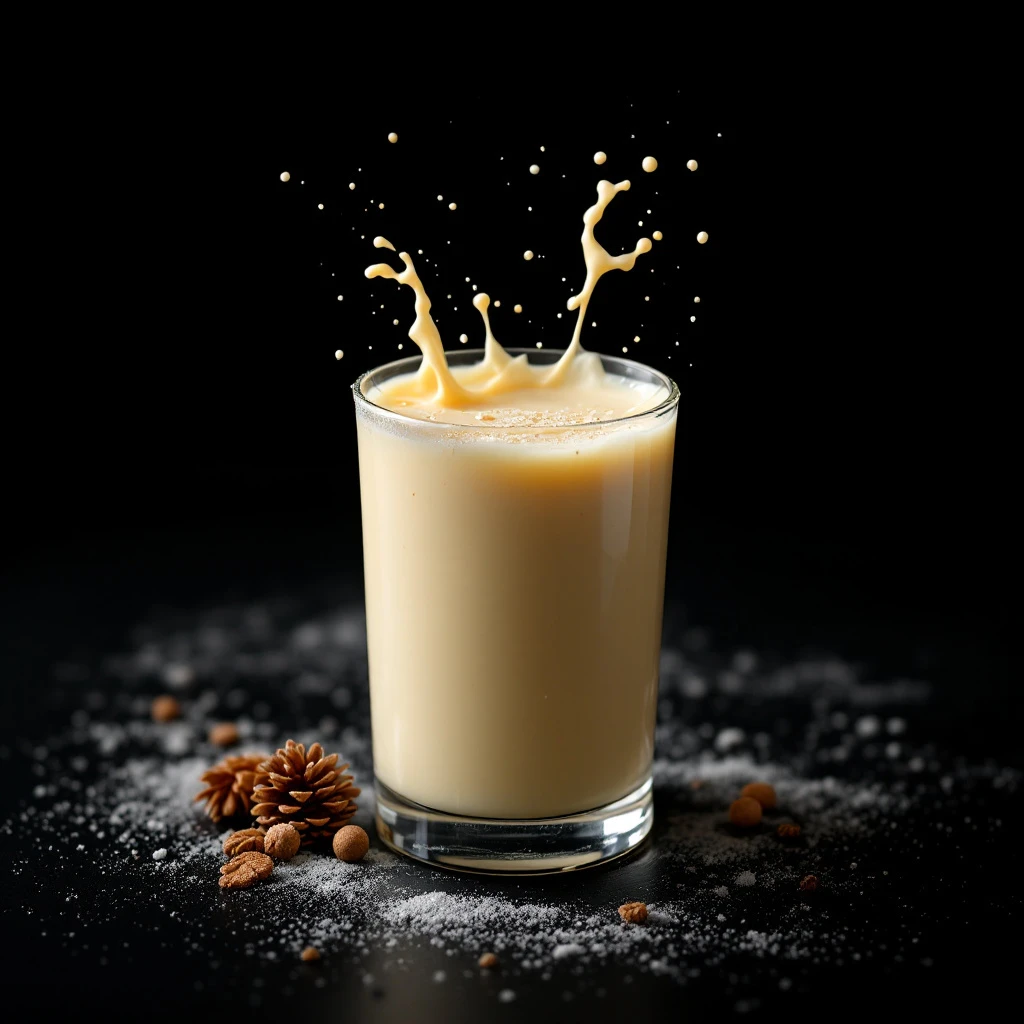
Egg-nog is a warm, edible fragrance note that captures the essence of the classic holiday beverage: rich cream, vanilla, and a whisper of festive spice. Perfumers construct this accord to evoke comfort and seasonal indulgence.
Character
How it smells
Warm holiday indulgence in liquid form
The egg-nog fragrance note requires no cows or distillation. Perfumers build it entirely from aromatic chemicals that recreate dairy creaminess, vanilla warmth, and spice without any animal products.






Origin
United States
Egg-nog as a beverage traces to medieval Britain, where monks drank posset, a warm milk drink spiked with spices and sometimes eggs. The drink evolved through centuries, gaining popularity in American colonial era when wealthy households mixed it with rum imported from the Caribbean.
The term nog likely referred to a type of strong ale once used in egg-based drinks. By the 19th century, egg-nog had become synonymous with winter celebrations across North America.
When perfumers began exploring edible and gourmand fragrance territories in the late 20th century, egg-nog emerged as a natural candidate for reconstruction. The note captures nostalgia and seasonal warmth, making it a staple in winter seasonal fragrances and comfort-focused designer scents.
Wears it best
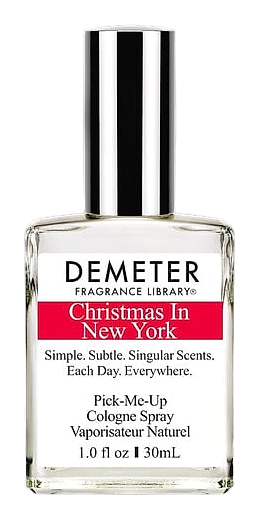
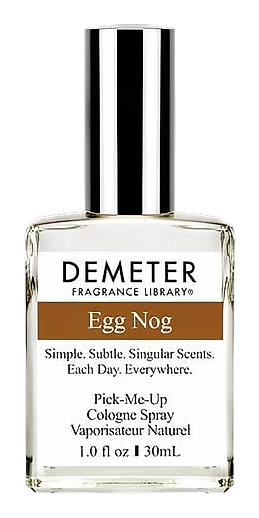
Fragrances featuring Egg-nog
Brands
Brands known for Egg-nog
Good to know
Questions, answered
The essentials on Egg-nog in perfumery: how it smells, where it comes from, and how it behaves on skin.
What does egg-nog smell like as a fragrance note?
Egg-nog smells like warm cream infused with vanilla and subtle spice. The dominant impression is sweet, rich, and comforting, with buttery dairy notes and hints of nutmeg. Actual rum or brandy notes are usually subtle, allowing the creamy-vanilla character to lead.
Is egg-nog a natural fragrance ingredient?
Egg-nog is not a natural ingredient. Perfumers construct this note from synthetic aroma chemicals and natural materials like vanillin, tonka bean absolute, and lactones that together recreate the beverage's scent profile.
Which fragrances feature egg-nog notes?
Egg-nog appears primarily in winter seasonal releases and gourmand-oriental fragrances. Many mainstream brands use this note in holiday collections to evoke warmth and festive indulgence.
How do perfumers create the creamy dairy note in egg-nog accord?
Perfumers use lactone chemicals like gamma-decalactone to create creamy, buttery impressions. These materials mimic dairy fat without any actual animal products, achieving the signature richness of the egg-nog scent.
Does egg-nog contain any animal-derived materials?
Egg-nog fragrance accords contain no animal products. The creamy character comes entirely from synthetic lactones, while vanilla, tonka, and spice materials provide the other signature notes.
When did egg-nog become a fragrance note?
Egg-nog entered perfumery as the gourmand and edible fragrance trend grew in the 1980s and 1990s. Perfumers began reconstructing comfort-food scents as seasonal and comfort-oriented fragrances gained popularity.
What fragrance families pair well with egg-nog?
Egg-nog works well in oriental fragrances, where warm resins and vanilla support its richness. It also appears in gourmand compositions with chocolate or caramel, and in winter seasonal lines where spices like cinnamon and nutmeg dominate.
How long does egg-nog last on skin?
Egg-nog note performs as a heart-to base-layer element. In fragrance concentrations like eau de parfum, expect 4 to 6 hours of noticeable presence, with the creamy warmth lingering as a drydown note.