Egg
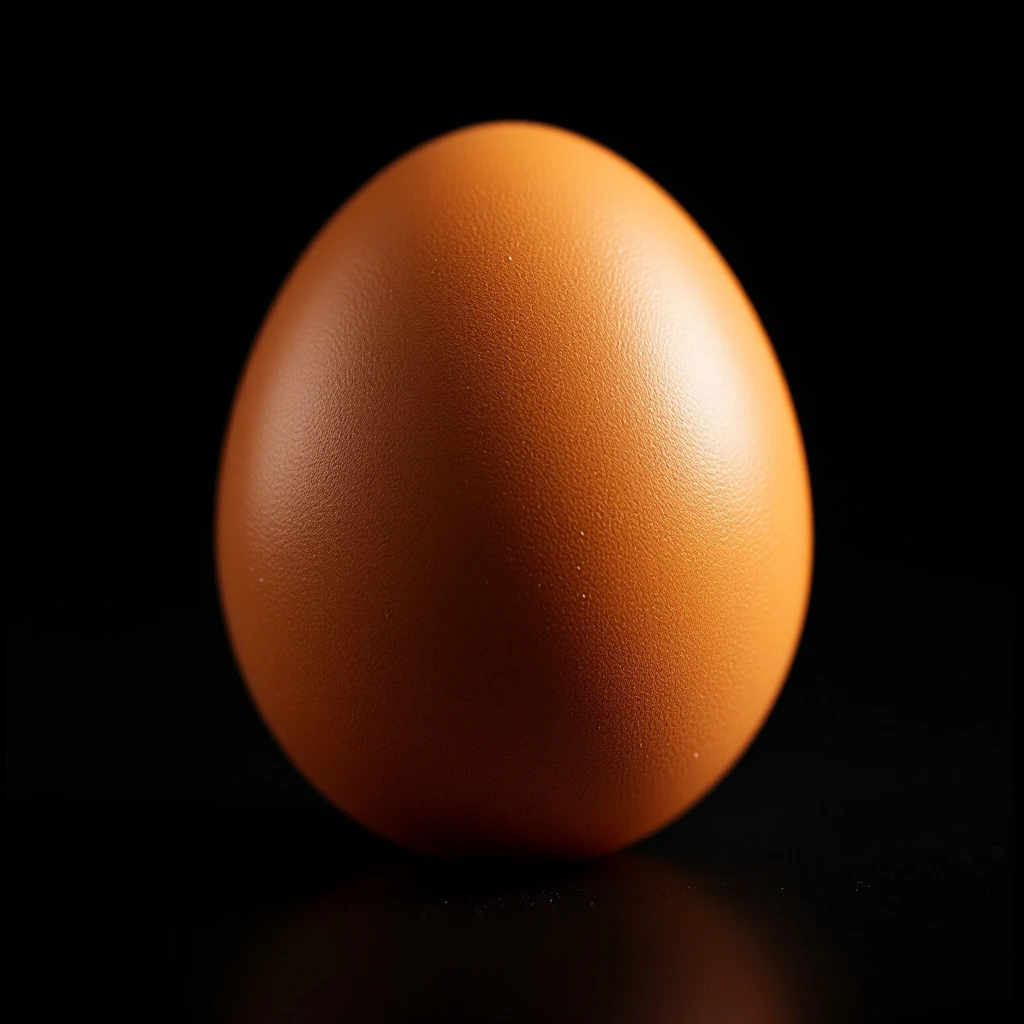
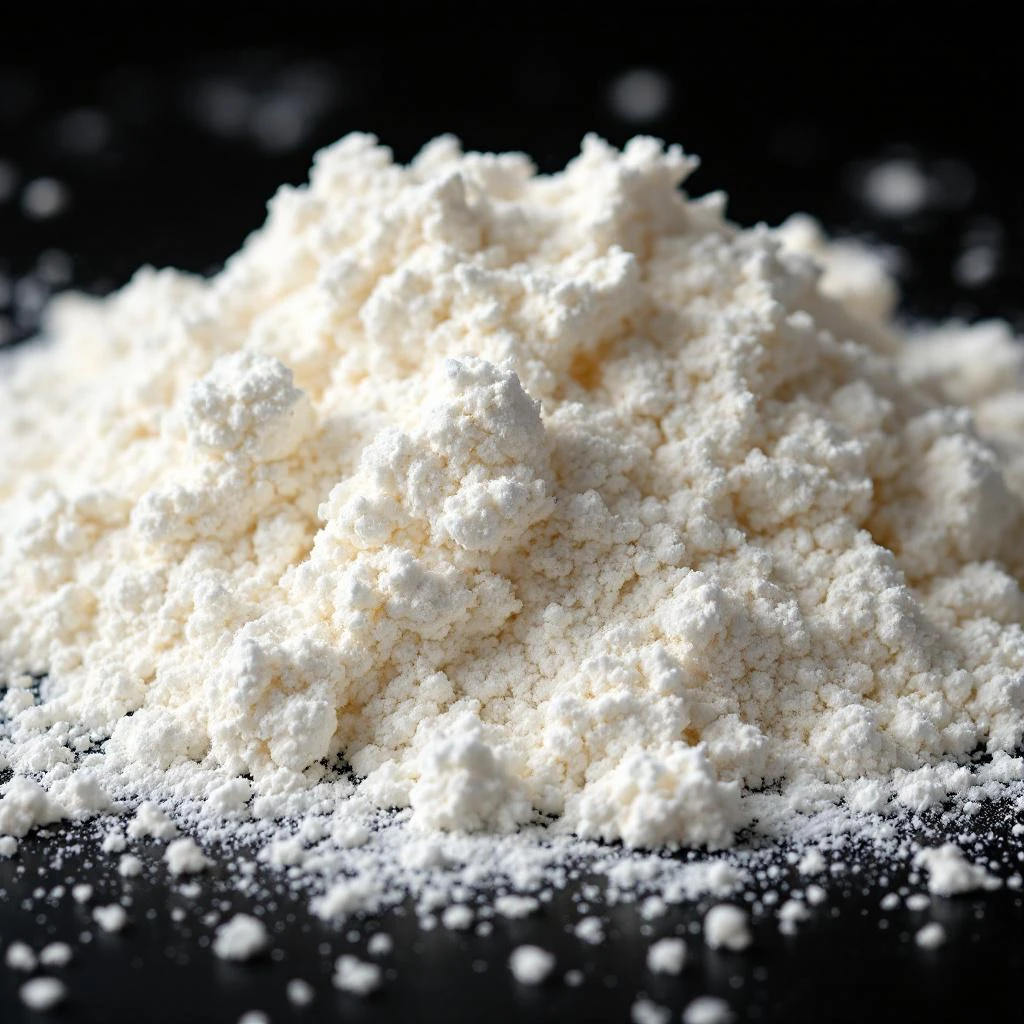
Egg in perfumery refers to egg yolk absolute and the albumen-based enfleurage technique. The yolk provides a fatty, sulfurous material prized in classical perfumery; the albumen acted as the unsung medium that captured floral scent in 18th-century French ateliers.
Character
How it smells
Perfumery's overlooked aromatic and ancient process tool.
Egg albumen, not the yolk, played the hidden role in classical enfleurage, absorbing floral scents over 24-48 hours per layer.




Origin
France
Egg has played a dual role in perfumery: as an aromatic material and as a processing tool. Ancient Egyptians and Romans incorporated egg into ceremonial perfumery practices. In classical French perfumery of the 18th and 19th centuries, egg albumen was central to the enfleurage process.
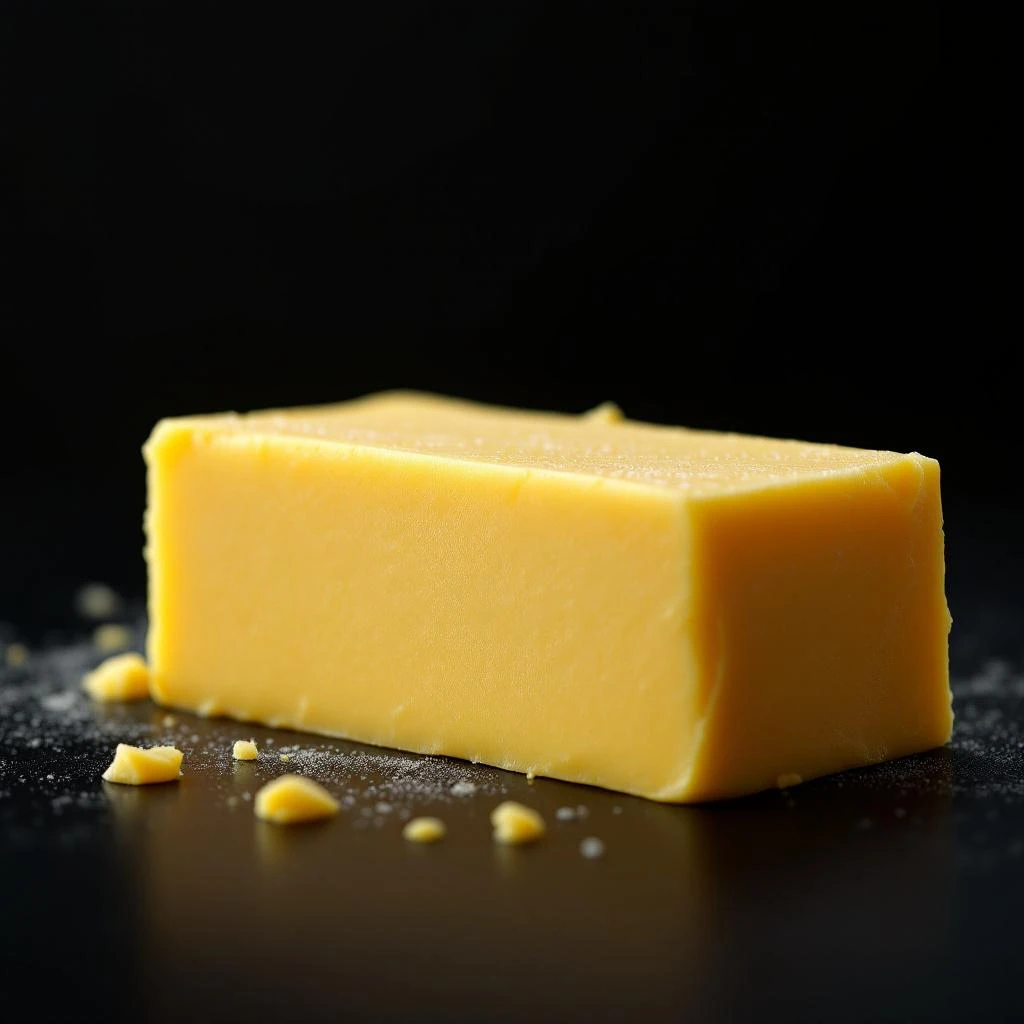
Ateliers coated a frame with albumen-infused fat, then layered fresh flowers like jasmine, tuberose, or rose on top. The albumen absorbed volatile aromatic molecules over several days before the saturated fat was processed into pomade. Egg albumen was also used for fining and clarifying fragrance oils, helping remove suspended particles.
This technique gradually gave way to maceration and solvent extraction as perfumery industrialized. Natural egg absolute fell out of common use in the 20th century as synthetic aroma chemistry advanced, though perfumers continue to work with egg-like aroma molecules inspired by the original material.
Wears it best
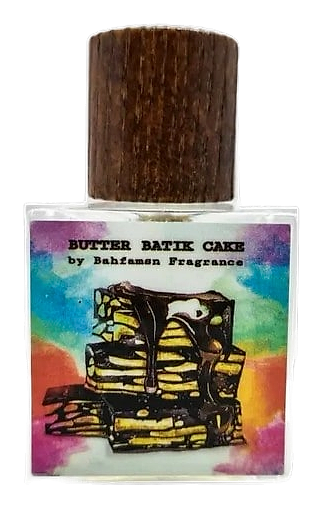
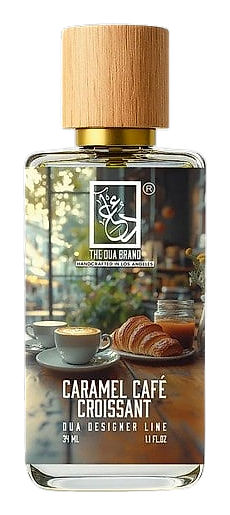
Fragrances featuring Egg
Brands
Brands known for Egg
Good to know
Questions, answered
The essentials on Egg in perfumery: how it smells, where it comes from, and how it behaves on skin.
What is egg absolute in perfumery?
Egg absolute is a rare perfumery material derived from egg yolk via solvent extraction. It is prized for its fatty, sulfurous odor profile and fixative properties. Natural egg absolute is uncommon today; most perfumers work with synthetic molecules that reproduce these characteristic notes.
How is egg absolute produced?
Modern egg absolute is produced through solvent extraction of egg yolk. The yolk contains lipids and volatile sulfur compounds responsible for the characteristic odor. Traditional enfleurage used egg albumen as a fatty medium to capture floral scents, not the yolk itself.
Is egg a natural or synthetic fragrance ingredient?
Egg absolute is animal-derived, making it a natural material. However, modern perfumery relies primarily on synthetic aroma molecules to reproduce egg-like notes due to stability concerns with the natural material. Natural egg absolute oxidizes quickly and has limited shelf life.
What does egg absolute smell like?
Egg absolute has a fatty, sulfurous, and slightly animalic odor profile. Volatile sulfur compounds like methanethiol and hydrogen sulfide contribute the characteristic egg smell. These same compounds appear in other animalic perfumery materials at trace levels.
Is egg used in modern perfume formulations?
Natural egg absolute remains rare in contemporary perfumery due to ethical considerations and stability issues. Perfumers more commonly work with synthetic aroma compounds that capture egg-like facets for use in chypre, leather, and oriental fragrance families.
What role does egg play as a fixative?
The fatty components in egg absolute function as fixatives, slowing the evaporation of more volatile fragrance materials. This property made egg yolk valuable in classical perfumery, though synthetic fixatives have largely replaced it in modern formulations.
Is egg absolute vegan?
No, egg absolute is not vegan as it is derived from egg yolk. Perfumers seeking vegan alternatives use synthetic aroma molecules that replicate the fatty, sulfurous character of egg notes without animal-derived ingredients.
Is egg used as a primary or supporting note in perfumery?
Egg functions as a supporting note rather than a primary fragrance focus. Its fatty, sulfurous facets typically appear in small quantities within base note compositions, contributing depth and fixative properties to chypre, oriental, and leather fragrance structures.