Dutch Cumin
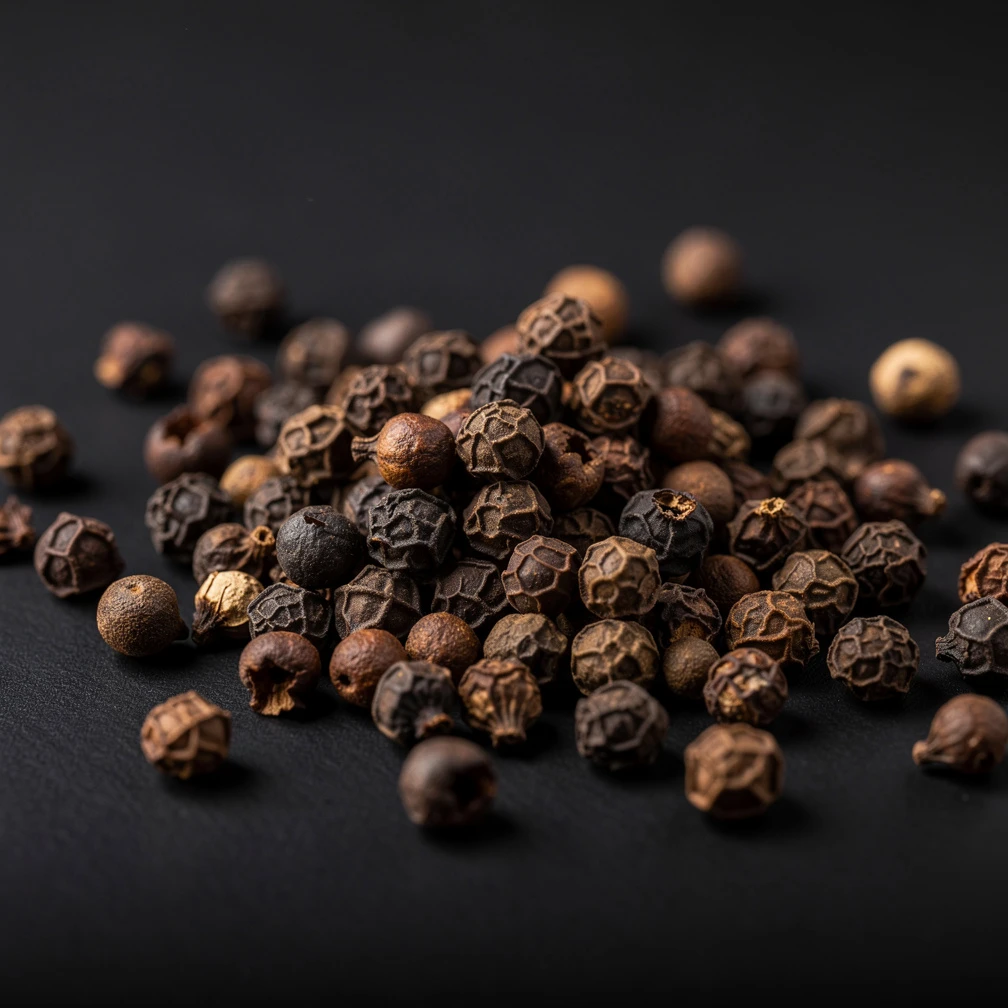
Dutch Cumin brings a distinctive warmth to perfumery through a traditional Dutch curing process that deepens and animalizes the familiar spice. This specially prepared cumin note carries roasted, earthy depth alongside its signature warmth, creating a scent that feels both ancient and refined.
Character
How it smells
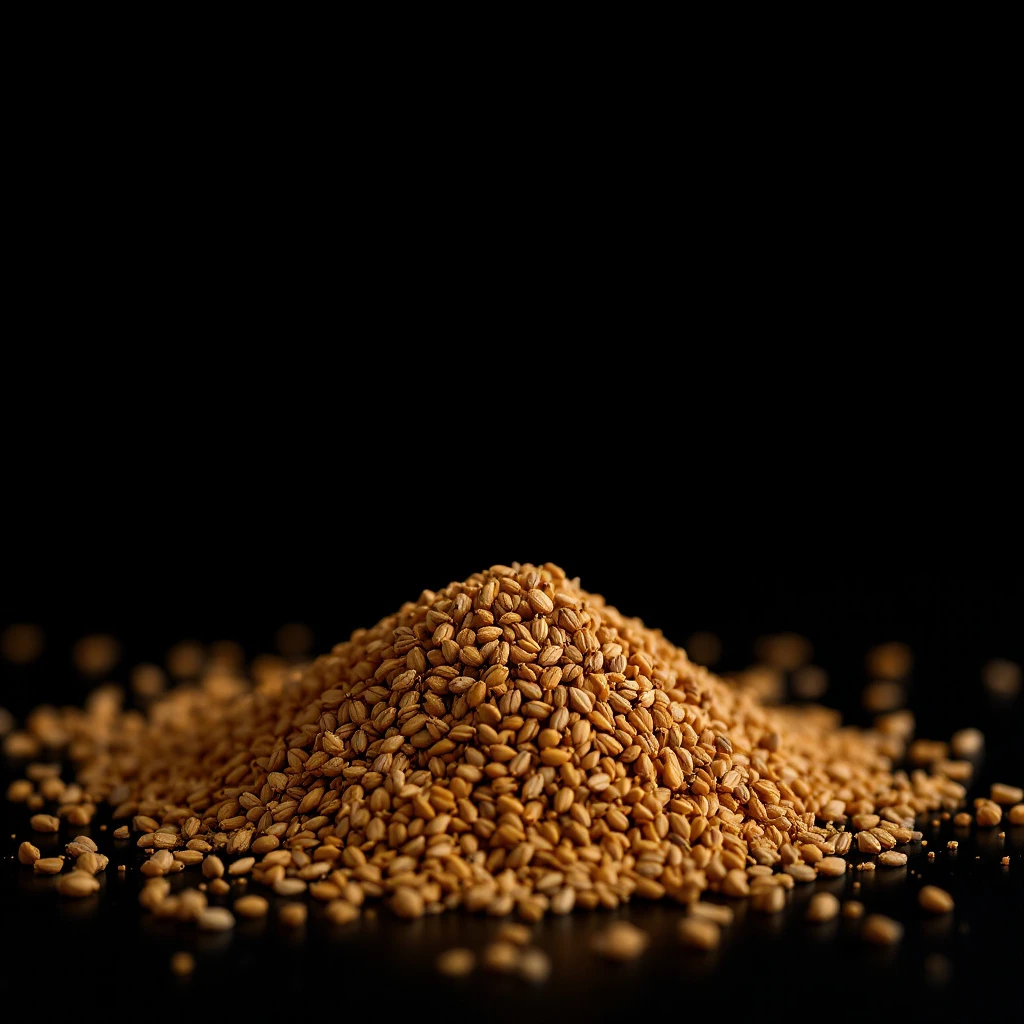
Roasted spice with an animalic soul.
The Dutch East India Company developed proprietary curing techniques for cumin specifically to compete in the European luxury goods market.




Origin
Netherlands
The 17th century marked the height of the Dutch East India Company's dominance in global spice trade. As merchants controlling the flow of exotic ingredients into Europe, Dutch traders sought ways to add value and distinguish their offerings. The company invested in processing facilities where spices received specialized treatments before reaching European markets.
For cumin, this meant developing the roasting technique that would become their signature preparation. Perfumers of the period quickly recognized that Dutch Cumin offered something their raw counterparts could not. The roasted variety provided greater depth and persistence, with subtle animalic undertones that elevated fragrance compositions.
This preparation became particularly valued in heavier, oriental-style fragrances and remained a specialty ingredient through the 18th and 19th centuries before synthetic aroma chemicals began reshaping perfumery.
Wears it best
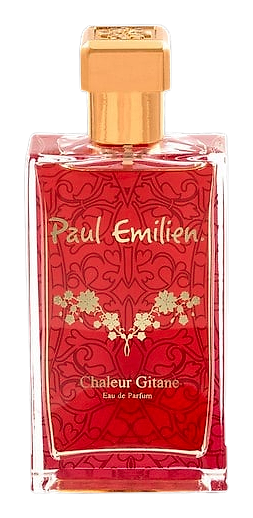
Fragrances featuring Dutch Cumin
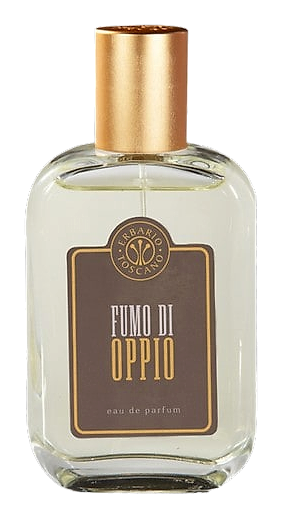
Brands
Brands known for Dutch Cumin
Good to know
Questions, answered
The essentials on Dutch Cumin in perfumery: how it smells, where it comes from, and how it behaves on skin.
What makes Dutch Cumin different from regular cumin in perfume?
The Dutch curing process caramelizes the seeds, adding warm, smoky undertones and increasing aromatic depth. This creates a more complex, animalic character compared to the bright,辛辣 quality of untreated cumin.
Is Dutch Cumin a natural or synthetic ingredient?
Dutch Cumin is a natural ingredient derived from roasted cumin seeds. The preparation method is traditional rather than synthetic, though modern extraction techniques like solvent extraction may be used to concentrate the aromatic compounds.
What fragrance families use Dutch Cumin most often?
Dutch Cumin appears primarily in oriental and chypre fragrances. Its warm, slightly animalic quality pairs well with amber, leather, and woody notes, adding depth and Oriental character to compositions.
How much Dutch Cumin is typically used in a fragrance formula?
Dutch Cumin functions as a modifier rather than a dominant note. In fragrance formulations, it typically appears in small concentrations between 0.5% and 3%, where its warmth supports other spices without overwhelming the composition.
Does Dutch Cumin have culinary origins in perfumery?
Yes, the ingredient traces directly to the culinary spice trade. During the 17th century, Dutch spice traders developed the roasting technique to enhance their cumin offerings, and perfumers adopted the resulting material for its superior aromatic properties.
What does Dutch Cumin smell like?
Dutch Cumin presents warm, earthy spice with roasted undertones and subtle animalic warmth. Unlike sharp culinary cumin, the roasted version offers deeper, more persistent character with hints of caramelized sweetness beneath the spice.
Are there alternatives to natural Dutch Cumin in perfumery?
Synthetic cumin aldehyde replicates the primary aromatic compound but lacks the complex undertones from the traditional roasting process. Some perfumers use cumin essential oil as an alternative, though it lacks the characteristic depth of Dutch Cumin.
Is Dutch Cumin still commonly used today?
Dutch Cumin remains a specialty ingredient rather than a mainstream note. It appears in artisan and niche fragrances, particularly those pursuing vintage oriental styles or exploring historical perfumery traditions.