Dried Apple
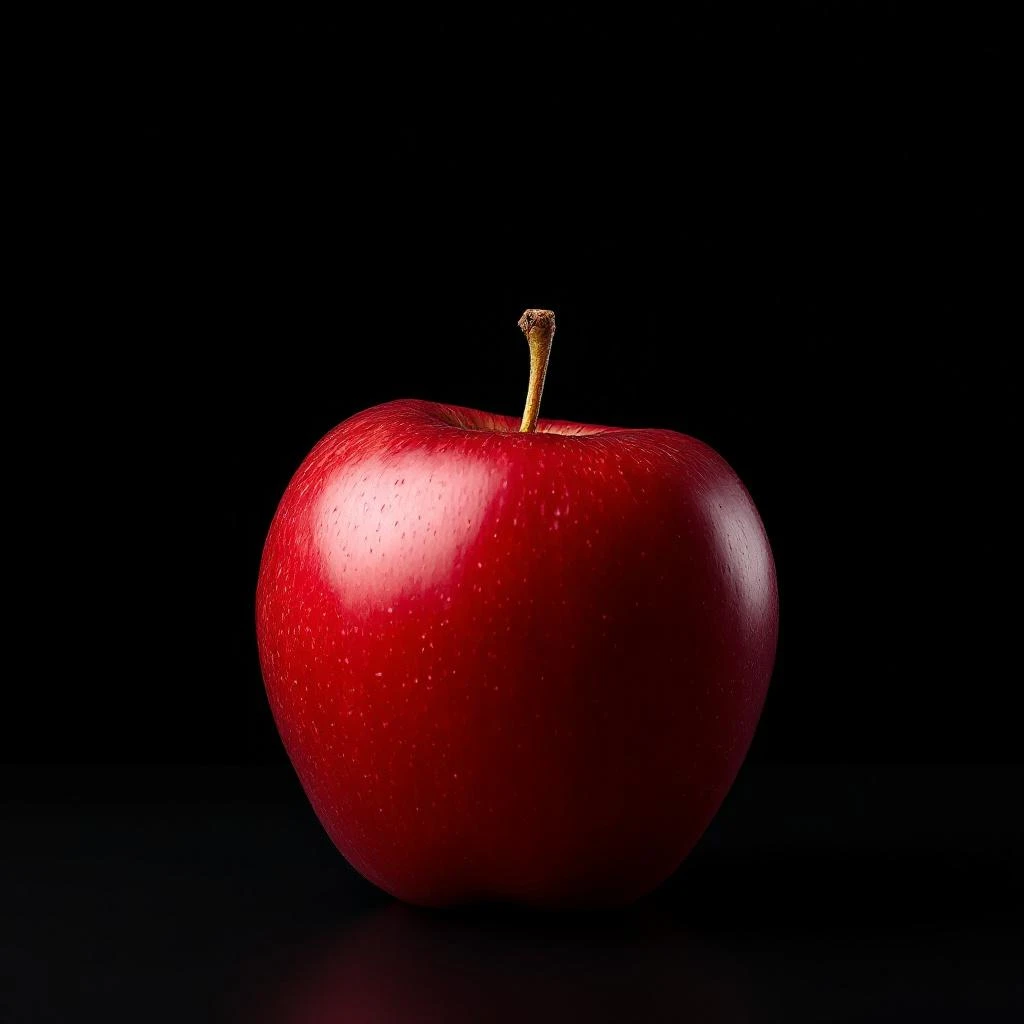
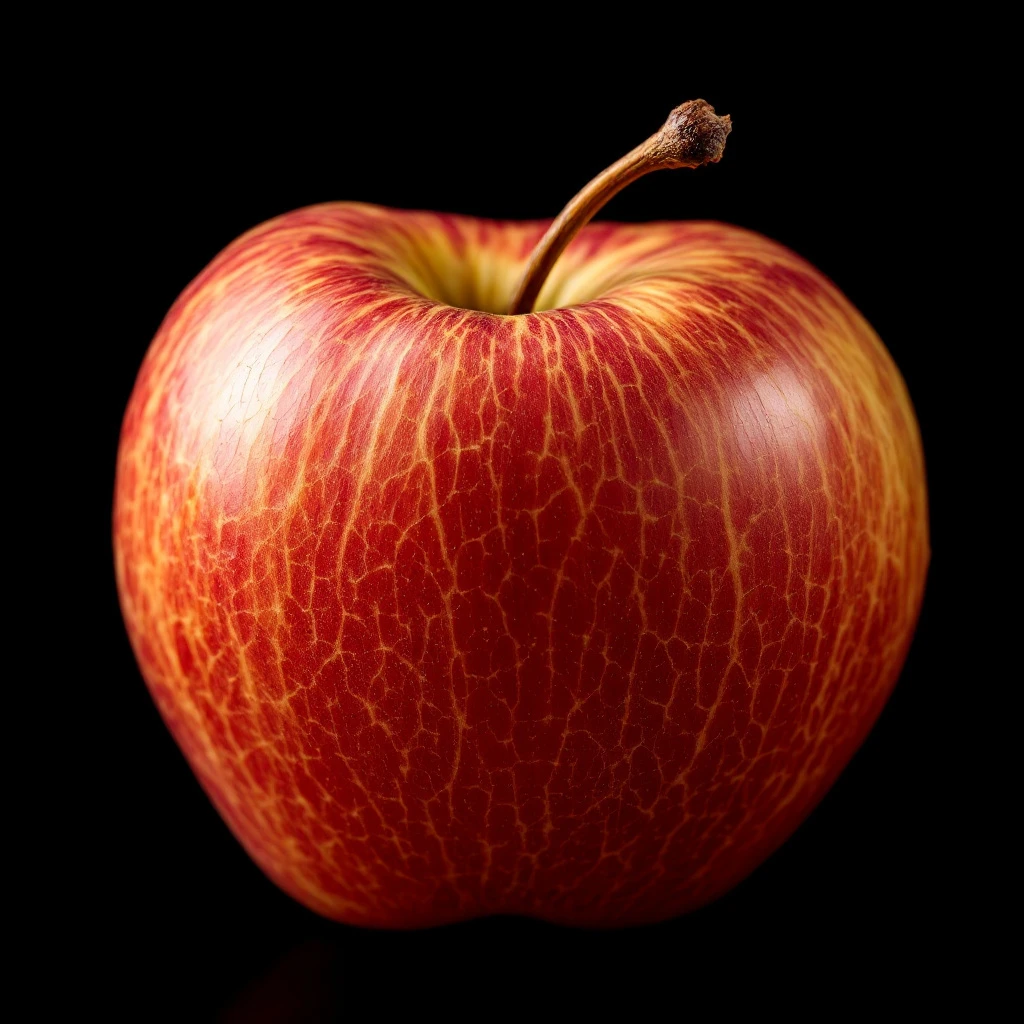
Dried apple in perfumery captures the warm, sun-shrunken sweetness of fruit at rest. It evokes orchard memories, baked desserts, and cozy autumn kitchens. The note bridges fresh fruity top accords with deeper gourmand bases.
Character
How it smells
Orchard warmth bottled in a single breath
Dried apple contains nearly four times the aromatic concentration of fresh apple because water loss intensifies its fruity esters and aldehydes.
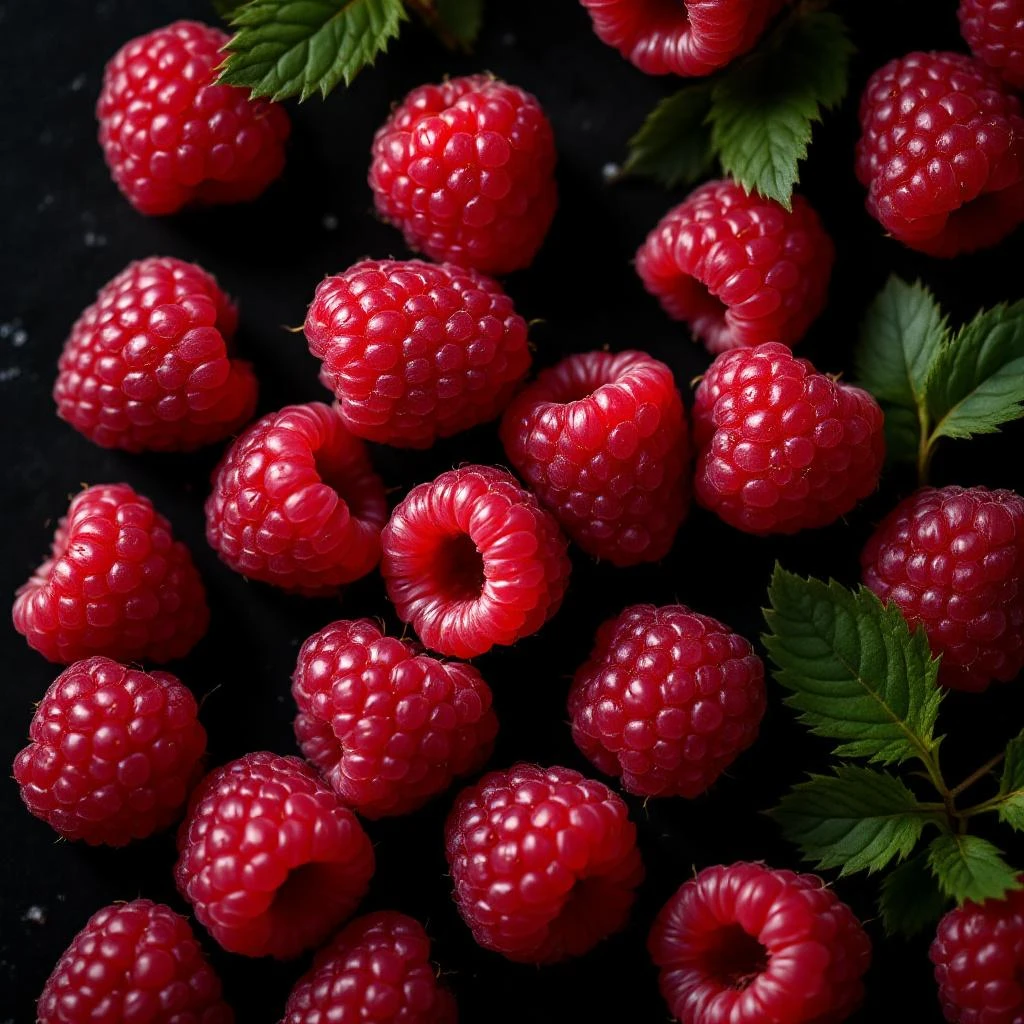
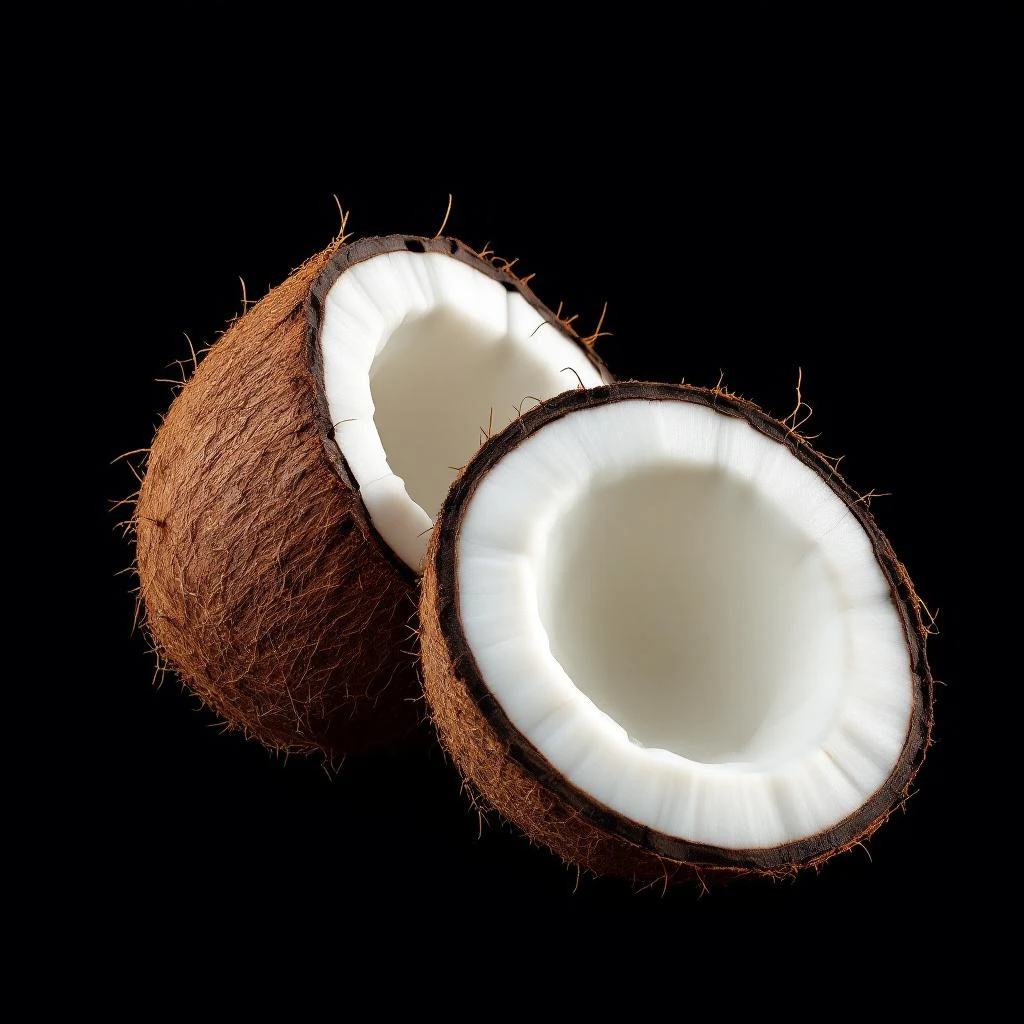
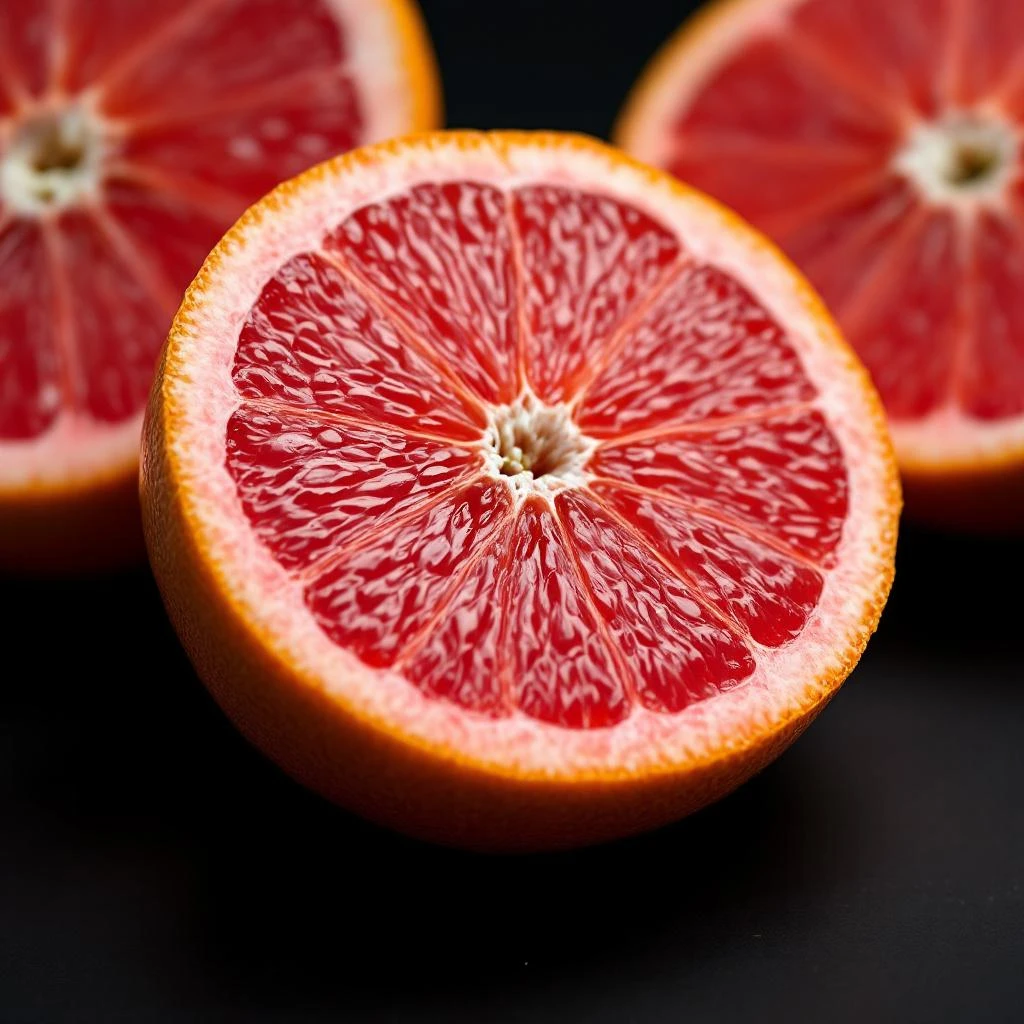
Pairs beautifully with



Origin
Turkey
Applеs have perfumed human spaces since ancient times, when pomanders and dried fruit sachets scented closets and ceremonial halls across Europe and the Near East. The practice of drying apples for preservation, documented in medieval monastery gardens, accidentally concentrated their fragrance into something richer and more complex than fresh fruit.
By the 18th century, dried apple peel found its way into potpourri blends and sachet powders favored in French and English aristocratic households. The modern perfumery interpretation emerged in the late 20th century as gourmand compositions gained traction.
Rather than using whole dried fruit, perfumers began reconstructing the scent through individual aroma chemicals identified during gas chromatography studies of dehydrated apples. Today the note appears across niche and mainstream launches, valued for its nostalgic warmth and its ability to soften sharper green or citrus top notes.
Wears it best
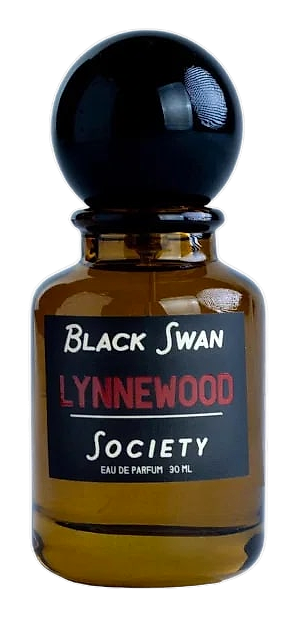
Fragrances featuring Dried Apple
Brands
Brands known for Dried Apple
Good to know
Questions, answered
The essentials on Dried Apple in perfumery: how it smells, where it comes from, and how it behaves on skin.
What does dried apple smell like in perfume?
Dried apple smells warm, sweet, and slightly jammy, with hints of baked fruit and faint woody undertones. It carries more depth than fresh apple because dehydration concentrates its natural esters and aldehydes.
Is dried apple a natural or synthetic note in perfumery?
Most dried apple notes are reconstructed using nature-identical aroma molecules like ethyl 2-methylbutyrate. True dried-fruit essential oil exists but remains rare and costly due to low extraction yields.
What fragrance families use dried apple?
Dried apple appears most often in gourmand compositions, alongside vanilla, cinnamon, and caramel. It also appears in fruity-floral and woody-amber structures where its warmth adds a soft, edible sweetness.
How is dried apple different from fresh apple in perfume?
Fresh apple reads bright, green, and crisp with sharp aldehydes. Dried apple is deeper, sweeter, and carries a faintly fermented or baked quality because water loss concentrates sugars and changes the fruit's volatile profile.
Can dried apple essential oil be extracted directly?
Yes, through steam distillation of dehydrated apple slices or pomace, though yields are extremely low. Most commercial perfumers prefer solvent extraction of the dried fruit or synthetic reconstruction for consistency and scale.
When did dried apple become a perfumery note?
The modern note gained prominence in the late 1990s and early 2000s during the rise of gourmand perfumery. Traditional dried fruit sachets, however, have scented European homes since at least the medieval period.
Which perfumes feature dried apple prominently?
Several niche and mainstream launches use dried apple within gourmand or fruity-woody compositions. It typically supports spiced, vanillic, or tobacco-driven bases rather than serving as a standalone star note.
Does dried apple pair well with other fragrance notes?
Dried apple blends especially well with cinnamon, tonka bean, vanilla, sandalwood, and tobacco. Its warm sweetness also balances tart berries, bright citrus, and resinous materials like benzoin or labdanum.