Dragee
Dragee is a historical perfumery technique where aromatic materials are encapsulated within sugar or wax coatings, creating scented beads that slowly release fragrance over time. This ancient method bridges the worlds of confectionery and perfumery, producing elegant, long-lasting scent vehicles used in sachets, solid perfumes, and decorative aromatic objects.
Character
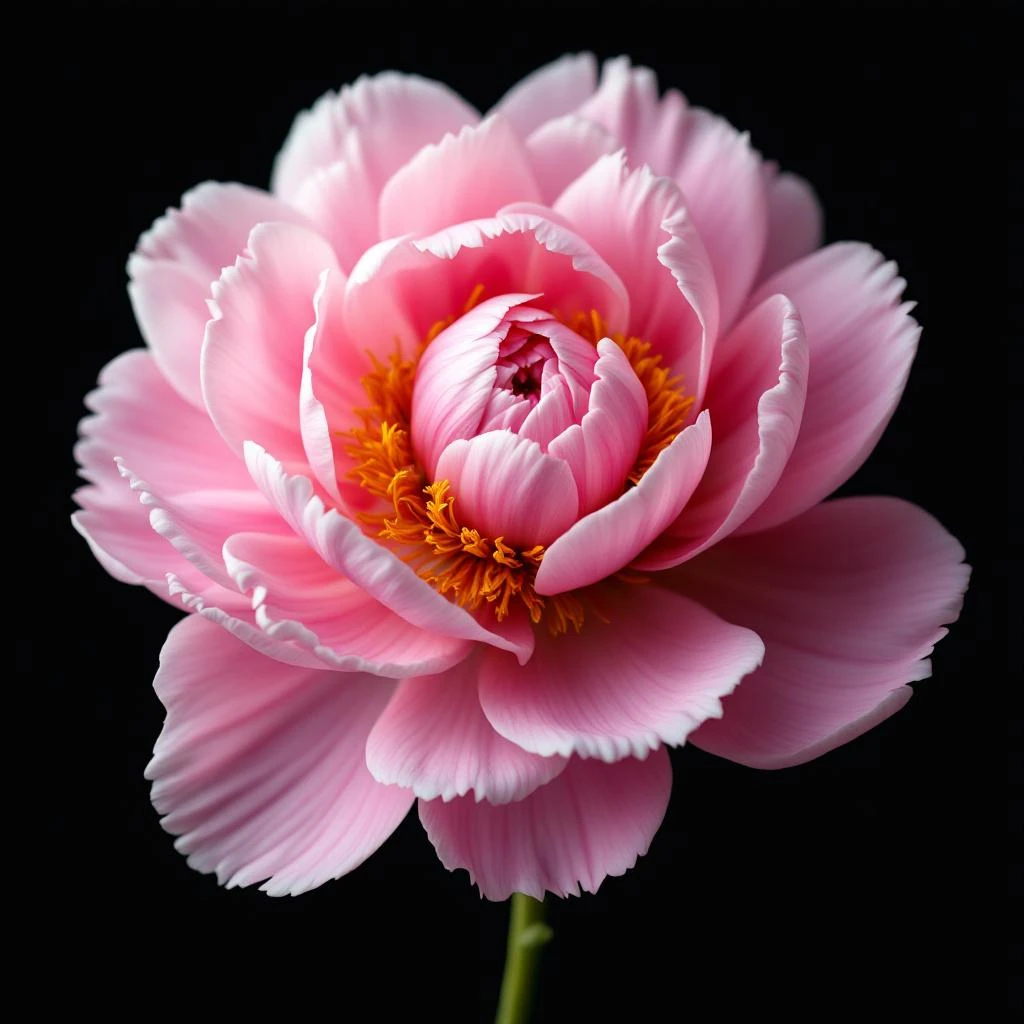
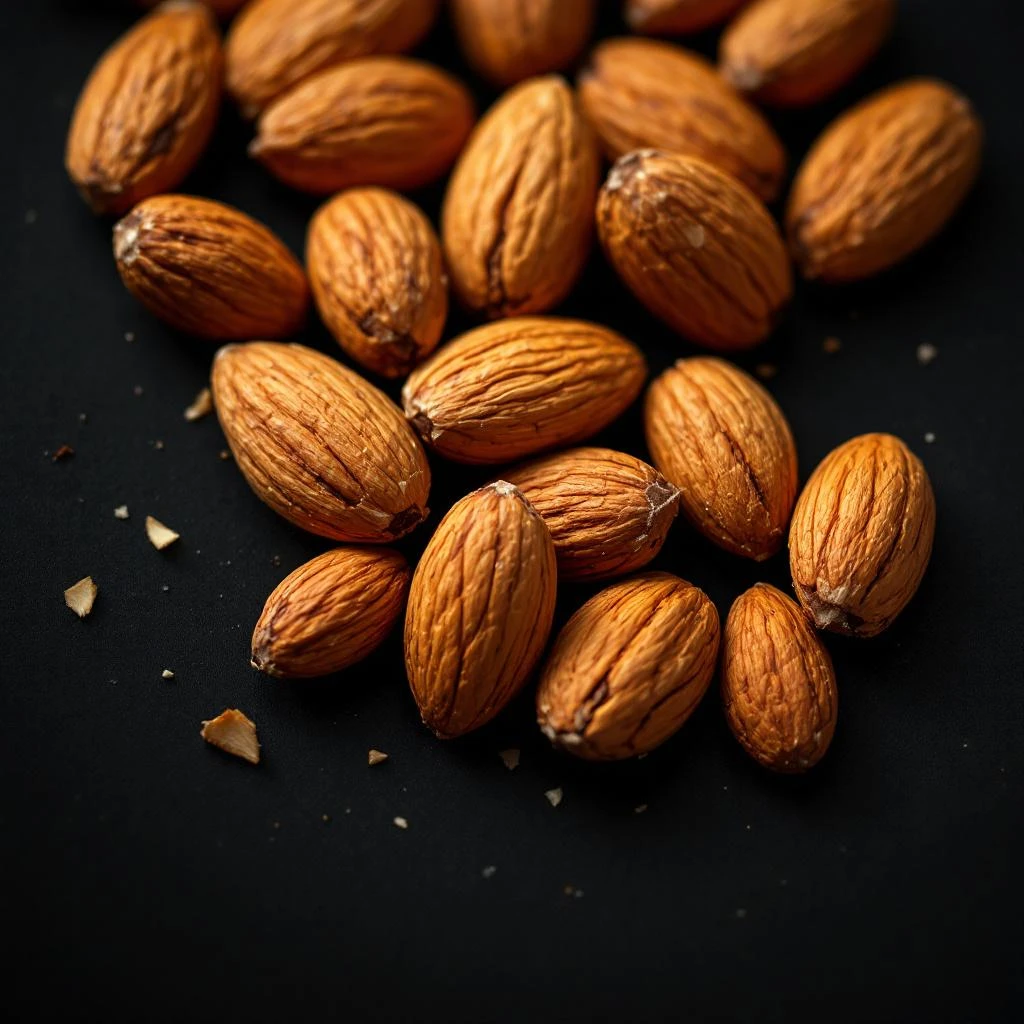
How it smells
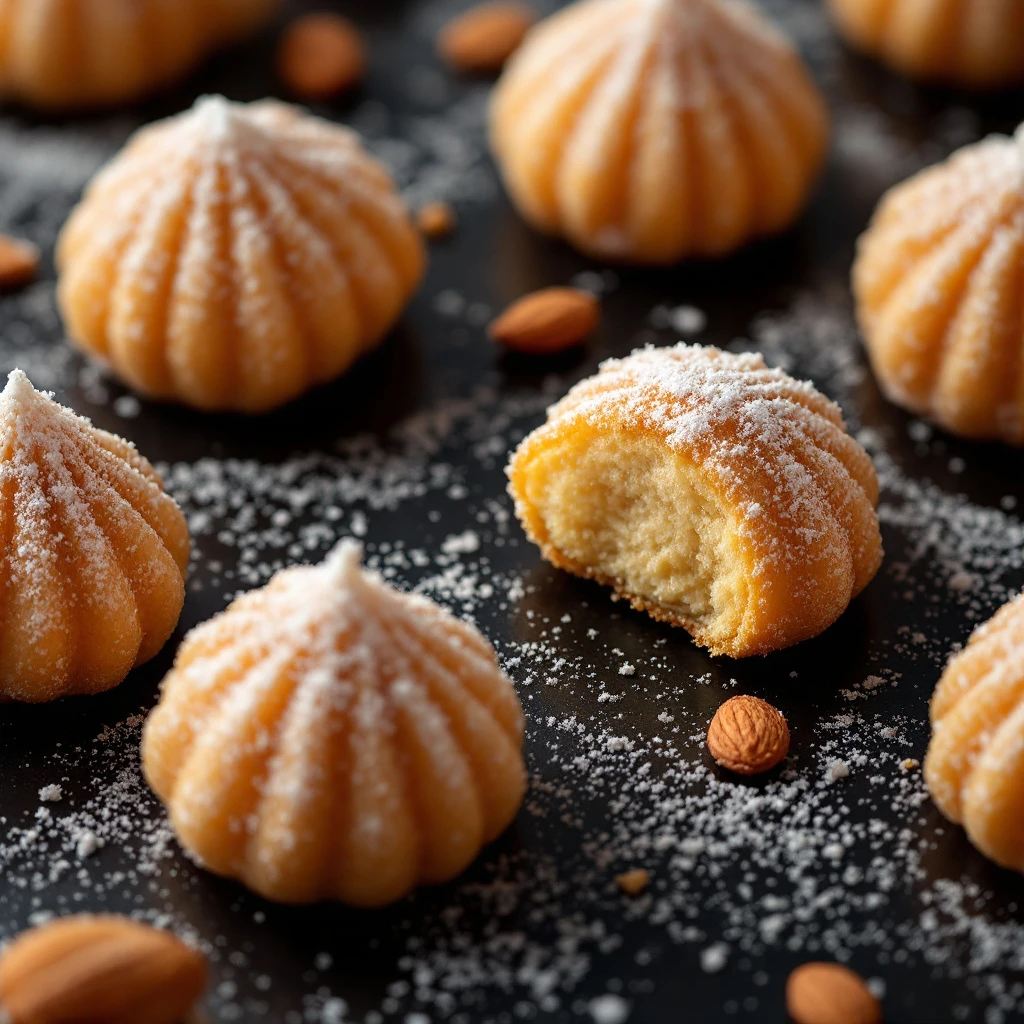
Scented beads born from perfumery and confectionery artistry.
The dragee technique originated in medieval France, where perfumers borrowed sugar-coating methods from confectioners to create scented candy-like beads.




Origin
France
The dragee technique emerged in 17th and 18th century France, where perfumers worked alongside confectioners in the same guilds. Sugar-coated scented beads originated as luxury items, combining edible perfumery with decorative arts.
French court perfumers, particularly those serving Versailles, created dragee as scented sachets for drawers and closets, leveraging the fixative properties of sugar coatings to extend fragrance longevity. As perfumery industrialized in the 19th century, dragee production shifted from confectionery partnerships to dedicated fragrance houses.
The technique found renewed purpose in the solid perfume revival of the 1980s and 1990s, when perfumers sought alternatives to traditional alcohol-based sprays. Today, artisan perfumers in Grasse and small ateliers across Europe continue producing dragee by hand, preserving a craft that connects perfumery to its artisanal confectionery roots.
Wears it best
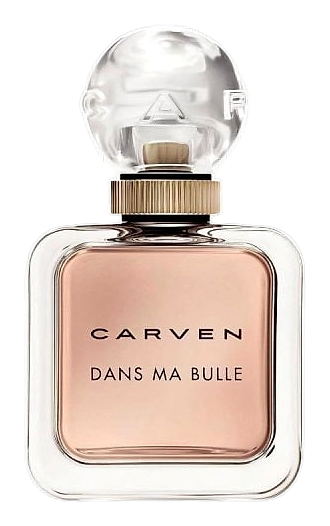
Fragrances featuring Dragee
Brands
Brands known for Dragee
Good to know
Questions, answered
The essentials on Dragee in perfumery: how it smells, where it comes from, and how it behaves on skin.
What exactly is dragee in perfumery?
Dragee refers to scented beads created by coating small cores with concentrated fragrance materials. The coating binds perfume oils or absolutes to an inert core, producing slow-release aromatic beads used in sachets and solid perfumes.
Where did the dragee technique originate?
The technique developed in 17th century France, where perfumers and confectioners shared guild membership. French court perfumers adapted sugar-coating methods from confectionery to create scented decorative beads for courtly accessories.
How long does dragee fragrance last compared to spray perfumes?
Dragee typically outperforms spray perfumes in longevity. The coating acts as a fixative shell, and fragrance can release continuously for several weeks to months depending on the concentration of aromatic materials used.
What fragrance families work best with dragee?
Rich, resinous fragrance families suit dragee production most effectively. Oriental compositions using benzoin, storax, vanilla, and labdanum adhere well to coating processes and maintain stable fragrance release over extended periods.
Is dragee considered natural or synthetic?
Dragee can be either. Traditional dragee uses natural absolutes and resinous materials as coatings. Modern industrial versions may incorporate synthetic aroma chemicals combined with natural fixatives, depending on the perfumer's formulation approach.
How is dragee different from solid perfume?
Solid perfume uses a waxy or balm-like base that your skin contacts directly. Dragee operates passively, releasing fragrance into surrounding air without direct touch. Dragee serves primarily as a room or textile scent, while solid perfume is designed for skin application.
What are the main ingredients in dragee coating?
Coating mixtures typically combine concentrated perfume oils or absolutes with powdered fixatives such as benzoin, storax, orris root powder. A binding agent, historically sugar syrup and now often alternatives, helps the aromatic layers adhere to the core beads.
Where can I find dragee products today?
Artisan perfumers in Grasse, France produce handcrafted dragee alongside their fragrance lines. Small ateliers in Italy and Switzerland also offer dragee products. Most major fragrance houses do not publish dragee-specific lines, so specialty or natural perfumery shops remain the primary retail sources.