Dextramber
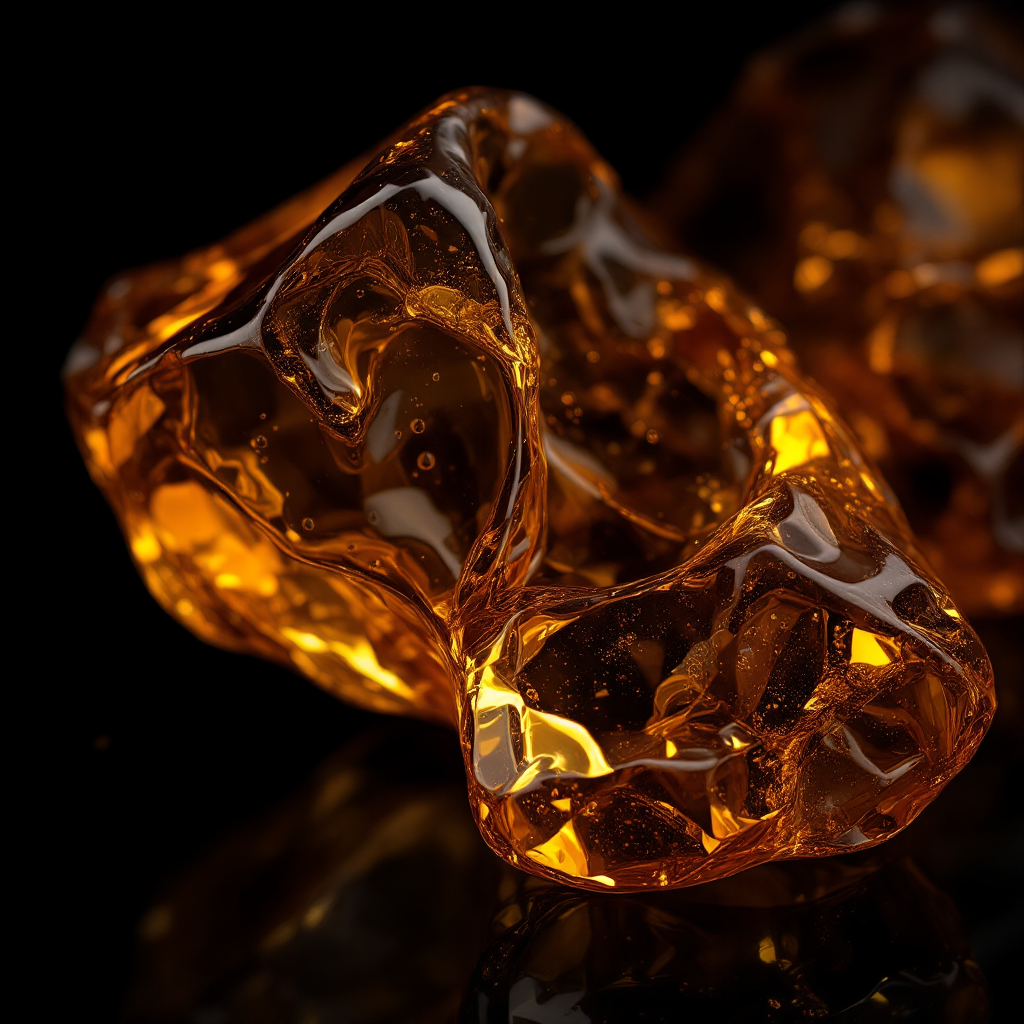
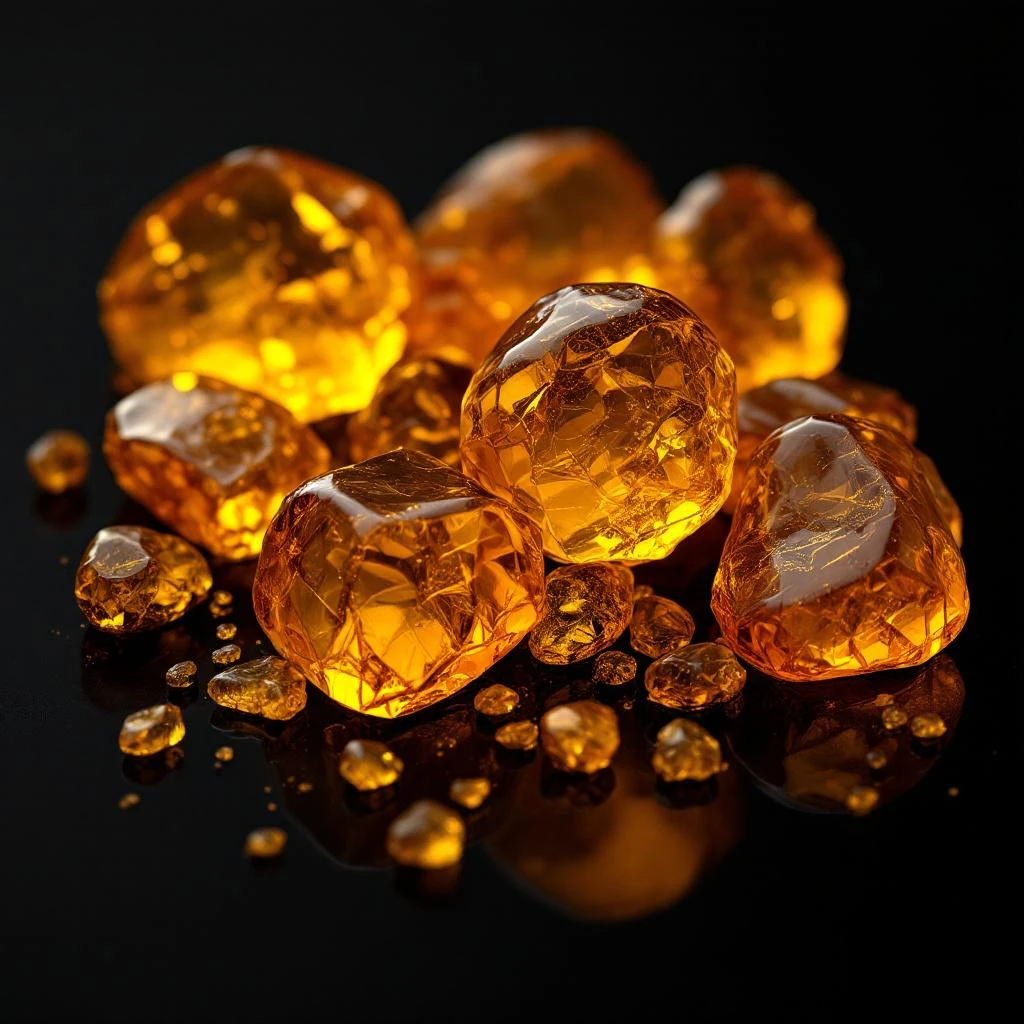
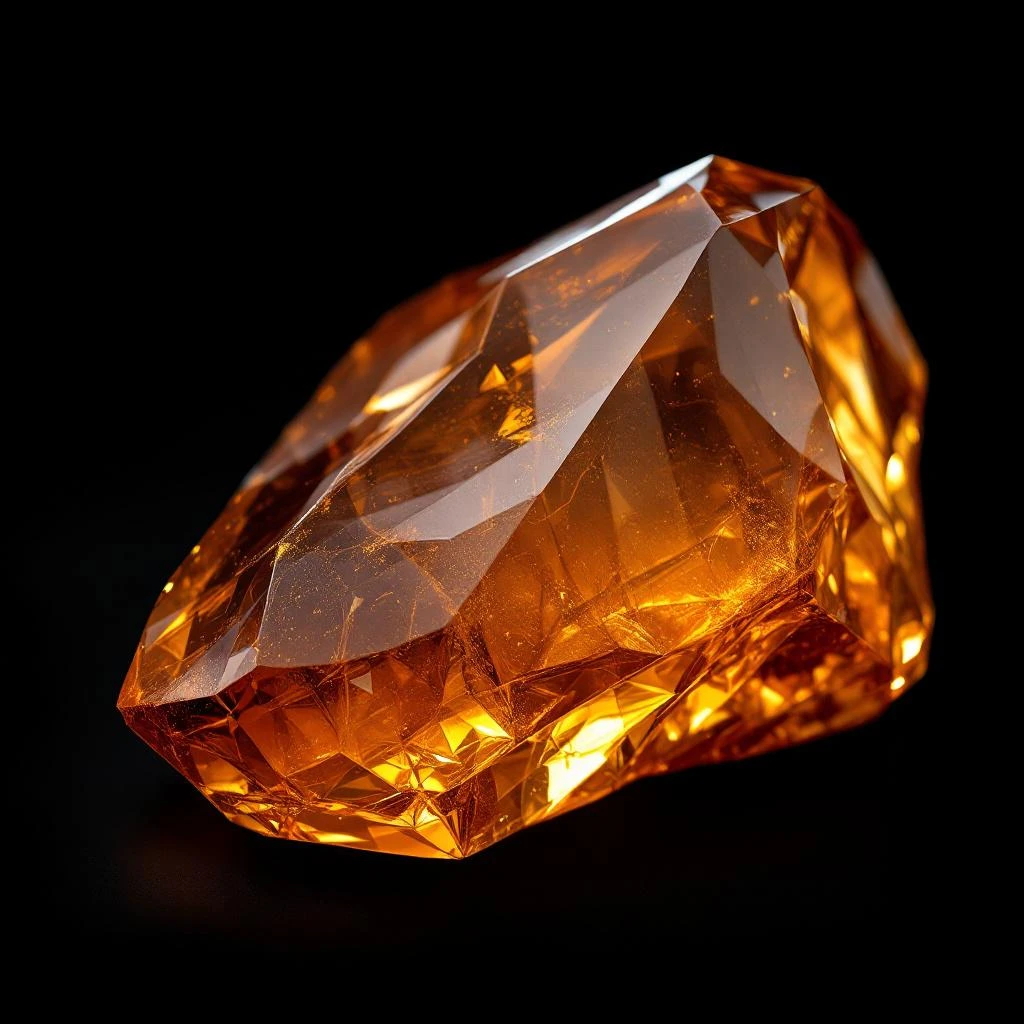
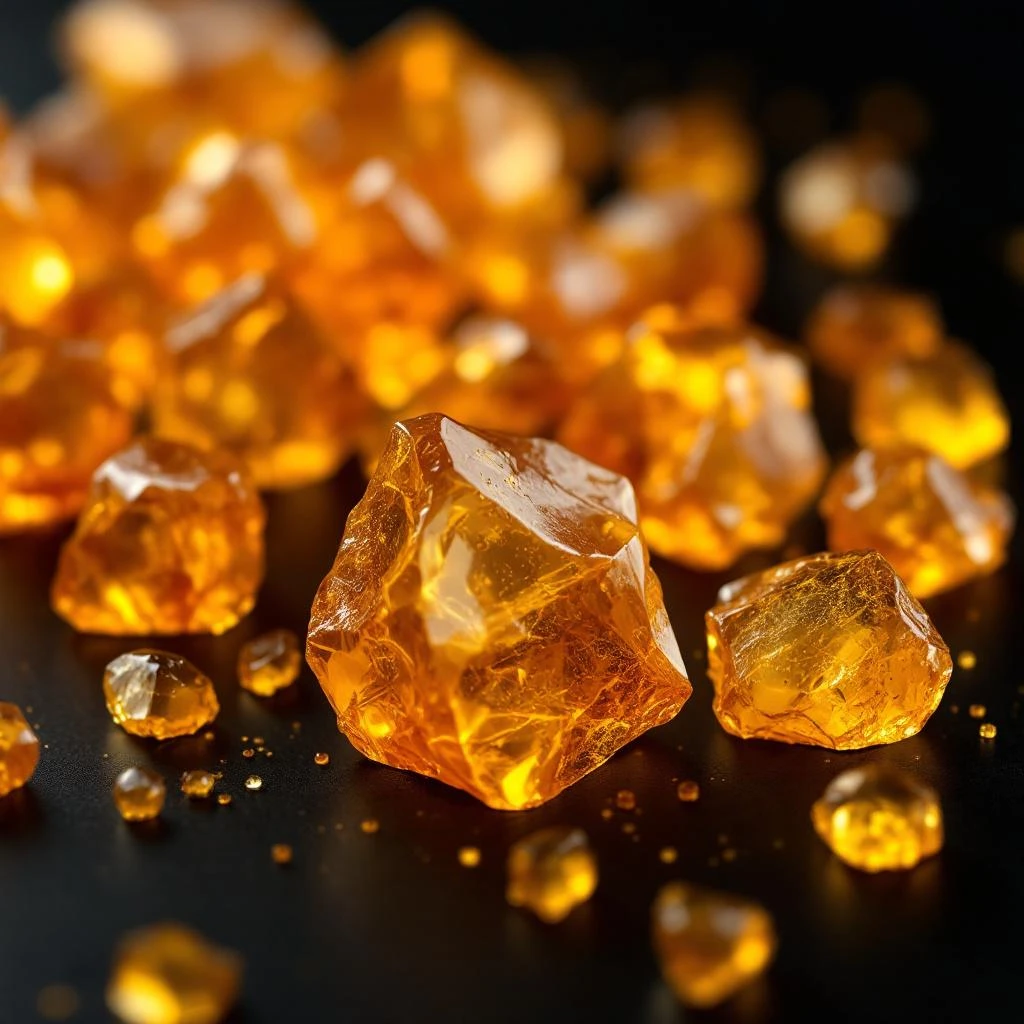
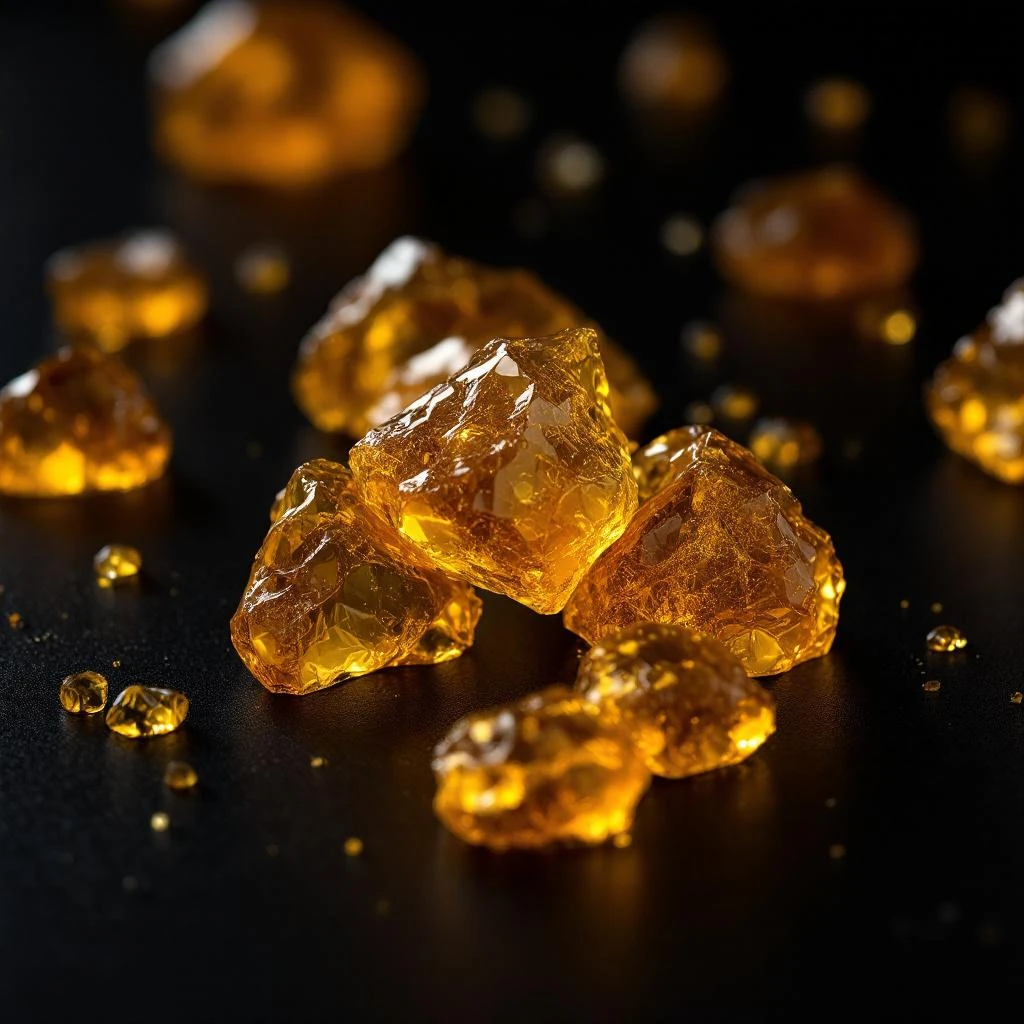
Dextramber is a modern captive aroma-chemical prized for its warm, amber-wood scent with subtle mineral facets. Its presence adds depth without heaviness.

Character
How it smells
Amber warmth, engineered with precision
Dextramber was developed by IFF as an Isobionics natural alternative, produced via fermentation rather than petrochemical routes.
Origin
Netherlands
Ambergris, the gray waxy substance that forms in the digestive systems of sperm whales, has been prized in perfumery for over a thousand years. Records from 10th-century Andalusia describe its use as an incense and fixative. By the early 20th century, synthetic Ambrox emerged from Firmenich's lab, giving perfumers a reliable replacement.
The deeper amber facet, the warm, resinous quality that underpins countless oriental fragrances, remained harder to capture. Chemists spent decades searching for molecules that replicate this warmth without the constraints of clary sage harvests or marine supply.
In the late 2010s, IFF's Isobionics division introduced Dextramber, a fermentation-derived alternative to traditional amber bases. The launch marked a turning point: biotechnology had matured enough to compete with decades of synthetic routes, offering perfumers a renewable ingredient rooted in 21st-century production methods.
Wears it best
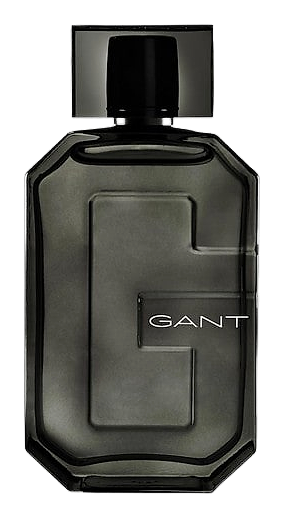
Fragrances featuring Dextramber
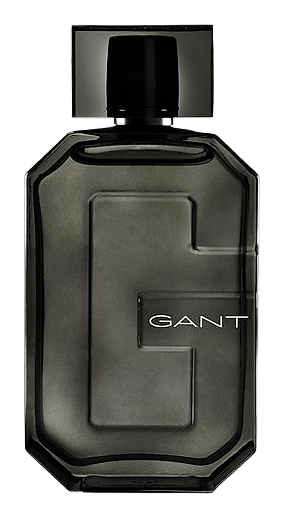
Brands
Brands known for Dextramber
Good to know
Questions, answered
The essentials on Dextramber in perfumery: how it smells, where it comes from, and how it behaves on skin.
What does Dextramber smell like?
Dextramber smells like warm amber with woody undertones, carrying subtle mineral facets and a smooth, almost saline edge. It reads drier and more crystalline than traditional Ambrox, lending lift to heavy compositions.
Is Dextramber natural?
Yes, Dextramber qualifies as a natural aroma ingredient. IFF produces it via fermentation of plant sugars, earning it 'natural' labeling under ISO 9235 standards in many regulatory frameworks.
How is Dextramber different from Ambrox?
Dextramber shares warmth with Ambrox but offers a brighter, more mineral profile. It also lacks sclareol sourcing constraints, since it derives from microbial fermentation rather than clary sage (Salvia sclarea).
Is Dextramber sustainable?
Dextramber is considered sustainable because it avoids both traditional ambergris harvesting and large-scale clary sage cultivation. Fermentation uses renewable plant feedstocks and standard industrial bioreactors.
What perfumes use Dextramber?
Dextramber appears in several niche and mainstream launches from the early 2020s, particularly in oriental and amber-focused compositions where perfumers seek a biotech-certified amber heart.
When was Dextramber created?
Dextramber was commercially introduced around 2019 by IFF's Isobionics brand, positioned as a natural alternative to decades-old synthetic amber bases.
Does Dextramber contain animal ingredients?
No. Dextramber is entirely plant-derived via fermentation. It carries none of the ethical or regulatory concerns associated with traditional ambergris.
Is Dextramber safe for skin?
Dextramber meets IFRA safety standards with no restrictions at typical use levels. The molecule shows low sensitization potential in dermatological testing, making it suitable for fine fragrance concentrations.