Detarium Senegalense
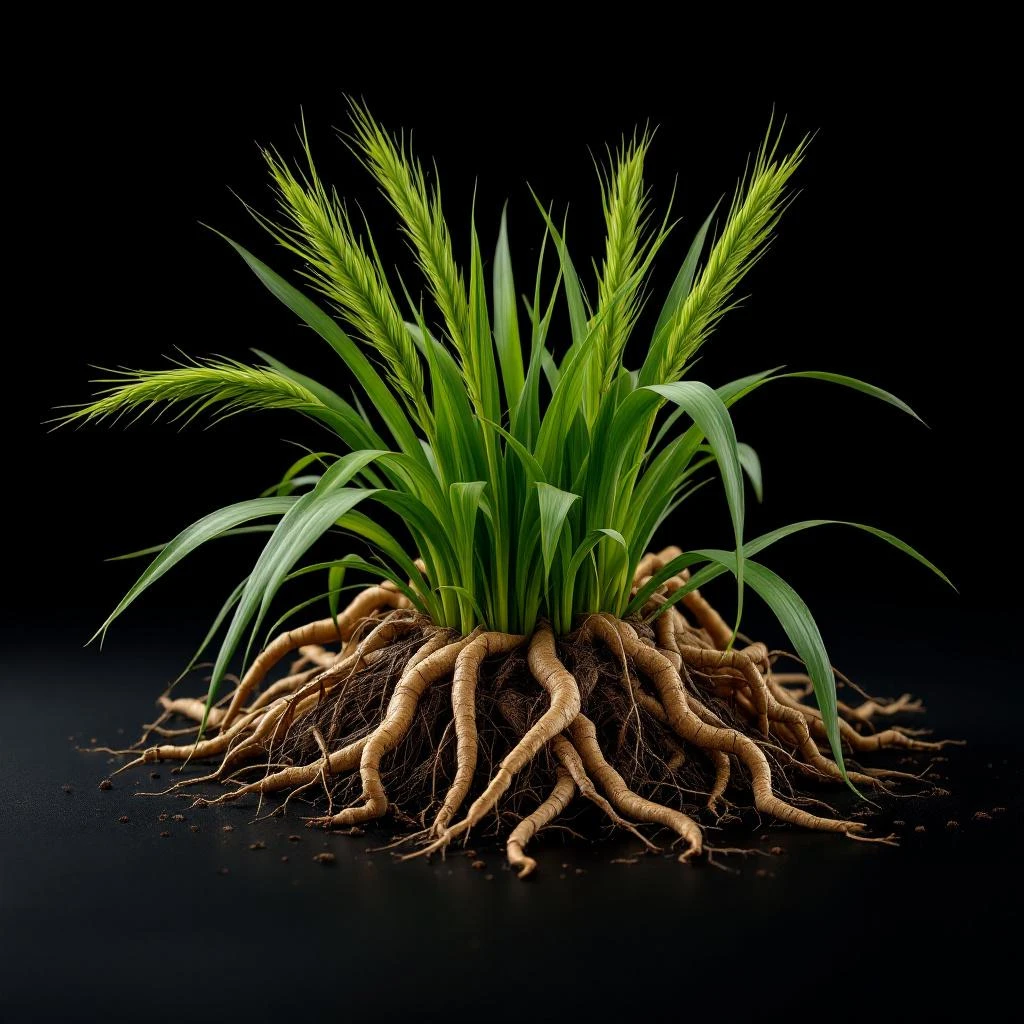
From the savannas of West Africa, Detarium senegalense is a hardy legume tree whose roots delve deep into traditional medicine and cultural practice. Its aromatic bark and resinous heartwood have long interested local healers, and now attract perfumers seeking to expand African botanical repertoires.
Character
How it smells
West African botanical with ancient healing roots.
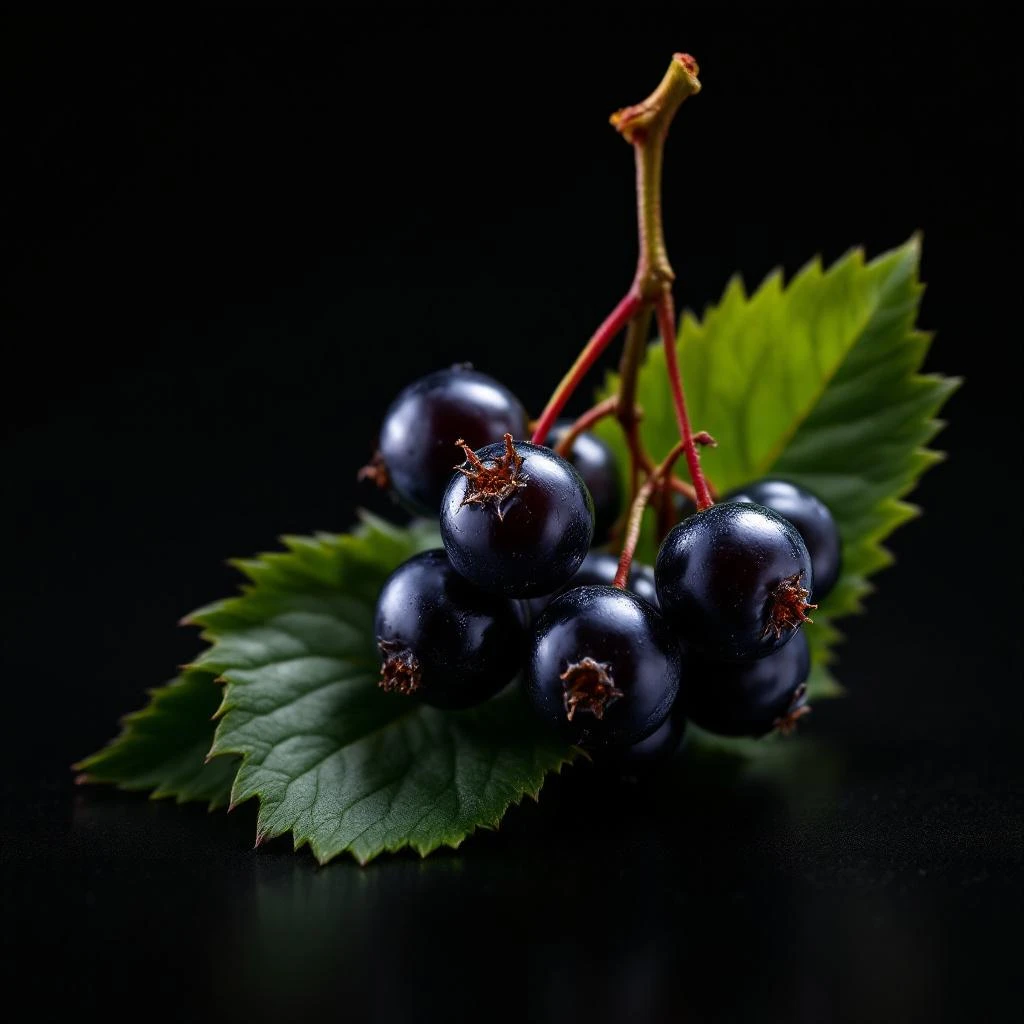
The tree produces edible fruit prized by local communities across Senegal and Mali for centuries.
Origin
Senegal
Detarium senegalense holds deep roots in West African traditional practice, documented across Senegal, Mali, Guinea, and surrounding nations. Local communities have utilized virtually every part of this legume tree for centuries. The bark features prominently in traditional medicine, where healers prepare decoctions for various ailments.
The edible fruit provides seasonal nutrition, while the durable hardwood serves construction and tool-making purposes. The tree's presence in sacred sites and ceremonial contexts reflects its cultural significance beyond practical applications. Colonial-era botanical surveys first catalogued the species scientifically in the 18th century, though indigenous knowledge systems had documented its uses long preceding European contact.
West African healers particularly valued the bark for its purported anti-inflammatory and antimicrobial properties, knowledge transmitted through oral tradition across generations. The fragrance industry's discovery of this ingredient represents a relatively recent chapter, as perfumers increasingly seek ingredients with authentic geographical origins and cultural narratives. Contemporary interest reflects broader trends in tracking perfume ingredients to specific landscapes and communities, connecting wearers to specific places through scent.
Wears it best
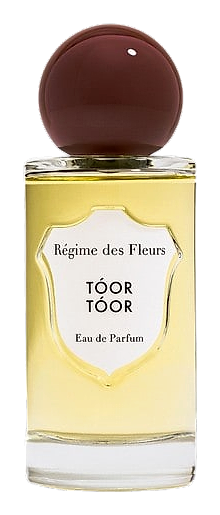
Fragrances featuring Detarium Senegalense
Brands
Brands known for Detarium Senegalense
Good to know
Questions, answered
The essentials on Detarium Senegalense in perfumery: how it smells, where it comes from, and how it behaves on skin.
What does Detarium senegalense smell like?
Detarium senegalense bark and wood produce woody, slightly resinous aromatic compounds with amber undertones. The scent profile remains relatively undocumented in Western perfumery literature as commercial use is still emerging.
Where does Detarium senegalense grow?
This woody legume tree thrives across West Africa's semi-arid savanna regions, with significant populations in Senegal, Mali, Guinea, and surrounding nations between latitudes 10-15°N.
Is Detarium senegalense used in mainstream perfumes?
Commercial fragrance use remains limited. The ingredient appears primarily in niche and artisanal compositions focused on African botanicals, with broader market availability expected to grow as extraction methods improve.
What parts of the tree are harvested for fragrance?
Harvesting focuses on inner bark shavings and heartwood sections. Sustainable collection involves selective harvesting from mature specimens, allowing regeneration over subsequent growing seasons.
Does Detarium senegalense have traditional medicinal uses?
West African traditional medicine documents extensive bark use in decoctions for anti-inflammatory and antimicrobial purposes. These applications predate modern documentation by centuries.
What other names is Detarium senegalense known by?
Known commonly as detar or tallow tree in English-speaking regions, the species carries various local names across its West African range reflecting its cultural importance to different communities.
How is Detarium senegalense material extracted for perfumery?
Solvent extraction yields concentrated aromatic material from bark and wood. Research continues optimizing this process, balancing yield efficiency with preservation of the botanical's distinctive character.
What makes Detarium senegalense significant for fragrance?
The ingredient offers perfumers rare geographical authenticity from West Africa, meeting growing consumer interest in traceable, culturally meaningful botanical ingredients beyond traditional European perfumery materials.