Deadnettle
Deadnettle absolute captures the quiet complexity of a plant that whispers rather than shouts. Its honeyed, hay-like warmth brings unexpected depth to fragrance compositions, offering perfumers a subtle green-floral dimension that bridges the gap between fresh herbs and delicate florals.
Character
How it smells
A honeyed whisper from hedgerow to heart.
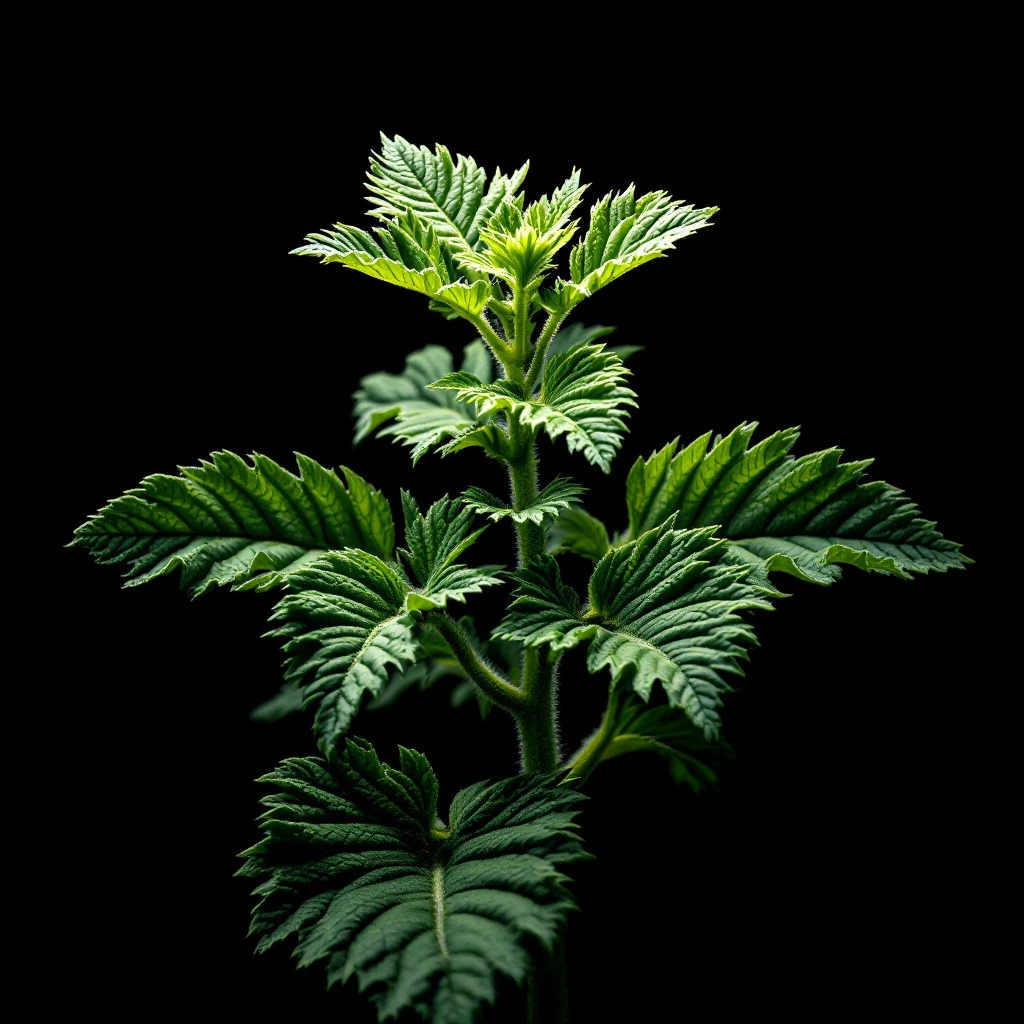
Despite its name, deadnettle lacks the stinging hairs of its namesake, earning its 'dead' designation from its harmless appearance to uninformed foragers.




Origin
Europe
Deadnettle has quietly accompanied European herbal traditions for centuries, valued more for its gentle medicinal properties than any ornamental appeal. Its flowers were gathered by rural communities for herbal teas and folk remedies, though perfumery applications emerged much later. The plant belongs to the Lamiaceae family, sharing relatives like lavender and mint, yet its aromatic profile diverges significantly from its more celebrated cousins.
Fragrance use of deadnettle absolute developed primarily in the late 20th century as natural perfumers sought unconventional materials that could add green-floral complexity without the obvious floral signatures of roses or jasmines. Today, it remains a niche ingredient, valued by natural perfumers committed to expanding the palette beyond traditional naturals.
Wears it best
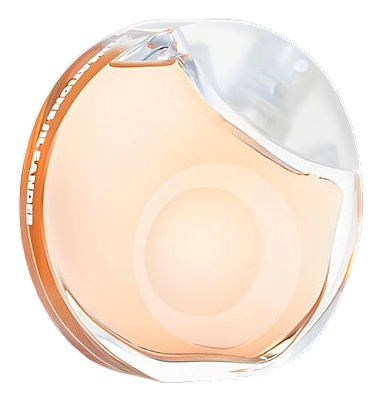
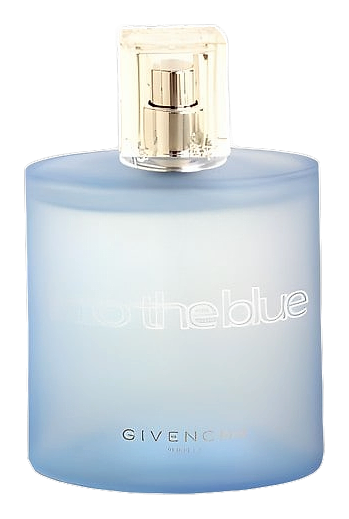
Fragrances featuring Deadnettle
Brands
Brands known for Deadnettle
Good to know
Questions, answered
The essentials on Deadnettle in perfumery: how it smells, where it comes from, and how it behaves on skin.
What does deadnettle absolute smell like?
Deadnettle absolute presents a honeyed, slightly sweet floral scent with green hay-like undertones. It lacks the sharp sting of true nettles, instead offering a warm, ambery quality that works well as a bridge between herbaceous and floral notes.
Is deadnettle used in mainstream perfumes?
Deadnettle appears primarily in artisanal and natural fragrance lines rather than mass-market products. Its scarcity and subtle character make it a signature ingredient for perfumers seeking unconventional botanical materials.
Where does deadnettle grow?
The plant thrives across temperate Europe and Asia, growing readily in hedgerows, woodland edges, and disturbed ground. It prefers partial shade and damp soils, flowering from spring through autumn.
Why is it called 'dead' nettle?
The name distinguishes it from stinging nettles. Deadnettle resembles its namesake in leaf shape but lacks the stinging trichomes, making it safe to touch. The 'white' designation refers to its pale flower color.
How is deadnettle absolute different from essential oil?
Solvent extraction produces an absolute with a more complete aromatic profile than steam-distilled essential oil. The process captures heavier molecular weight compounds that give deadnettle its characteristic honey-like warmth.
Can deadnettle be synthesized?
No synthetic equivalent exists for deadnettle's specific honey-hay character. While individual aromatic compounds can be isolated, the complex mixture of natural materials creates an effect that synthesis has not replicated.
What fragrance families pair well with deadnettle?
Deadnettle complements chypre compositions, green fragrances, and oriental bases. It adds unexpected depth to rose or jasmine-focused florals without overwhelming the primary notes.
Does deadnettle have traditional perfumery uses?
Unlike rose or sandalwood, deadnettle lacks centuries of documented perfumery tradition. Its use emerged primarily in the late 20th century as natural perfumers explored botanical materials beyond conventional choices.