Saint Germain Pear
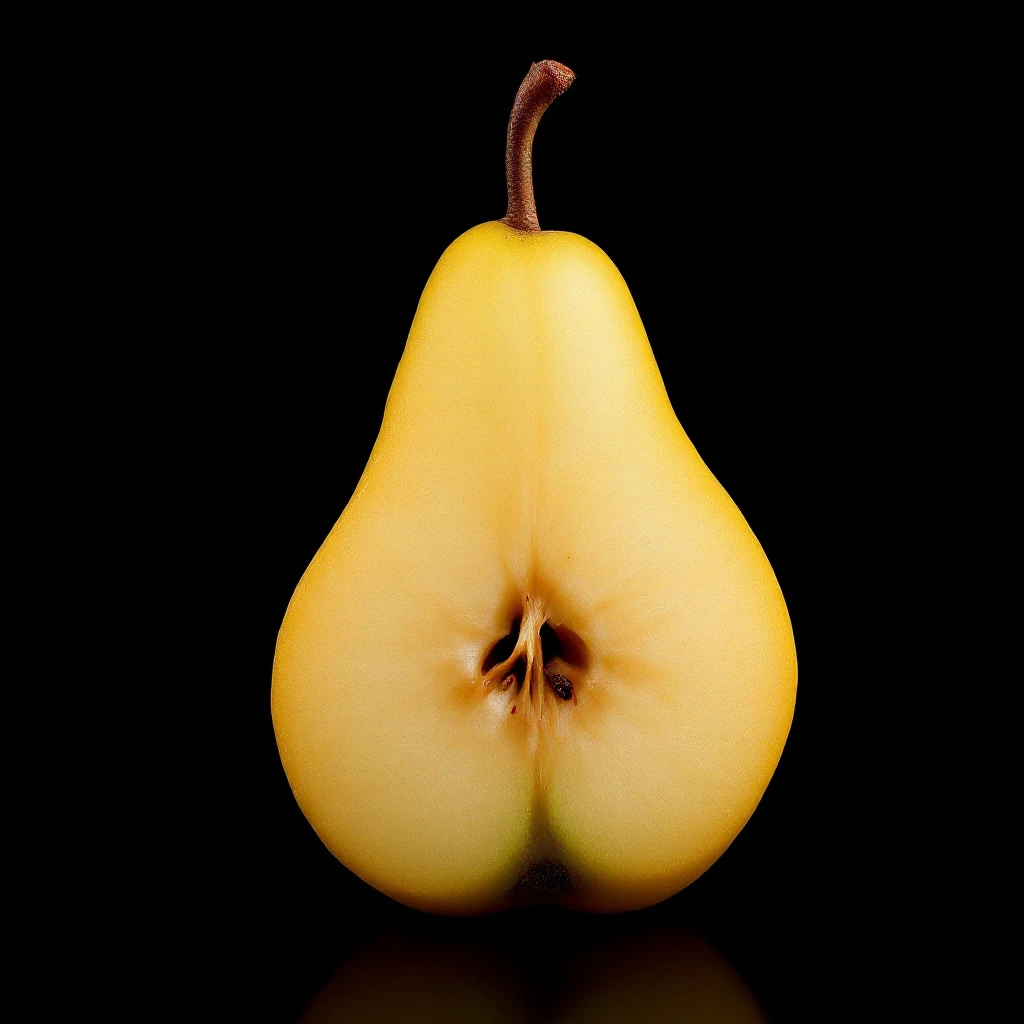
A luminous pear note infused with the refined spirit of Paris's legendary Saint-Germain district, capturing the crisp sweetness of ripe orchard fruit with an unmistakable French elegance.
Character
How it smells
Crisp orchard fruit meets Left Bank sophistication.
Real pear scent is nearly impossible to extract from the fruit itself, making authentic pear notes in fine fragrance a delicate blend of nature and molecular artistry.
Pairs beautifully with



Origin
France
The pear has accompanied European civilization since antiquity, with cultivated varieties appearing in ancient Greek and Roman texts. However, the pear's transition into perfumery remained elusive for centuries because traditional extraction methods failed to capture its delicate volatile compounds.
The modern pear note emerged in the late twentieth century as fragrance houses gained access to synthesized aroma chemicals capable of replicating this notoriously difficult scent. The Saint-Germain association evokes the legendary Paris district that became a creative nexus for artists, writers, and artisans from the 1920s onward.
This neighborhood's influence on French luxury culture, from liqueurs to leather goods, has shaped how we perceive Parisian elegance in scent. Today, the pear note carries both this sophisticated heritage and a contemporary freshness that makes it a staple in modern fine fragrance.
Wears it best
Fragrances featuring Saint Germain Pear
Brands
Brands known for Saint Germain Pear
Good to know
Questions, answered
The essentials on Saint Germain Pear in perfumery: how it smells, where it comes from, and how it behaves on skin.
Is Saint Germain Pear a natural or synthetic ingredient?
Saint Germain Pear is primarily synthetic, crafted from nature-identical aroma compounds. Real pear scent cannot be effectively extracted using traditional methods, so perfumers use carefully formulated synthetic materials to achieve the characteristic green, fruity effect.
What does Saint Germain Pear smell like?
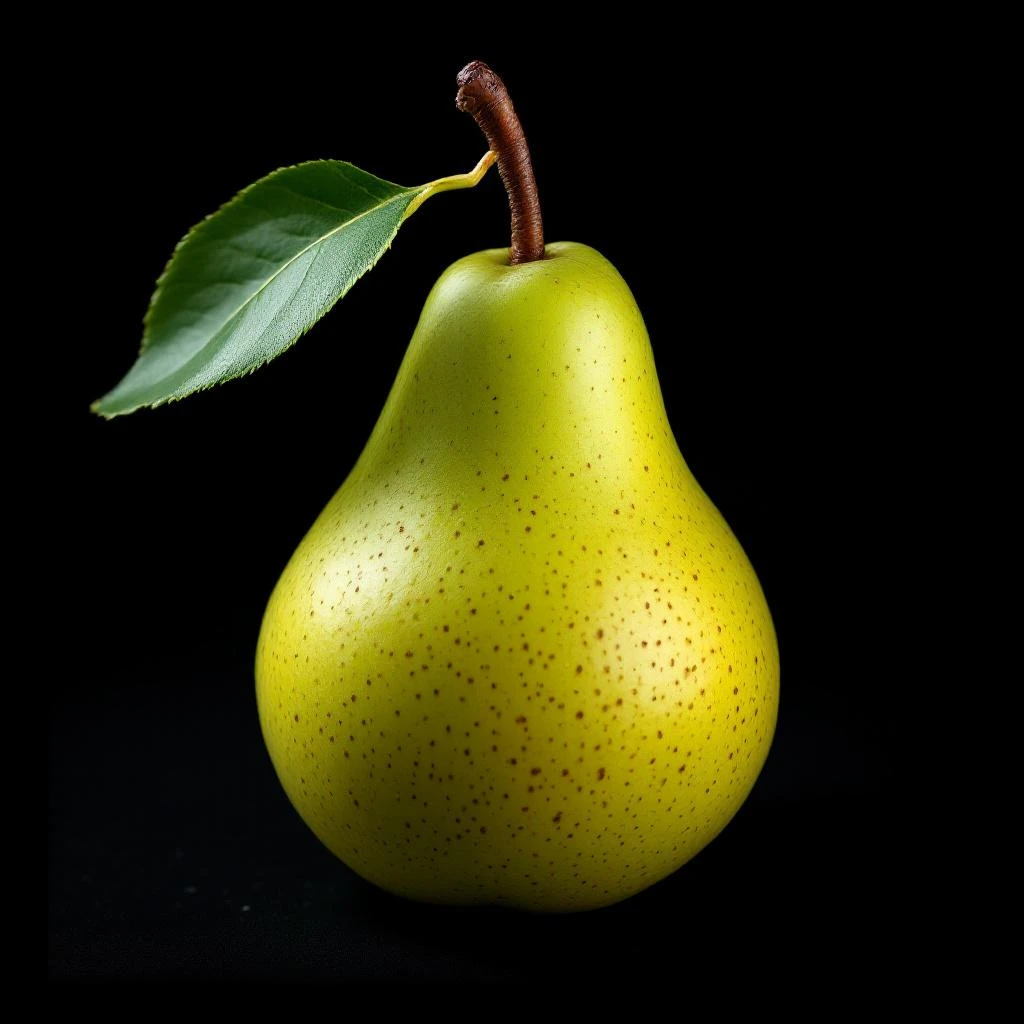
This note opens with crisp, green apple-like freshness before revealing the honeyed sweetness of ripe orchard pears. The scent has an aqueous quality, like biting into a perfectly ripe Comice pear on a summer morning.
Which fragrance families commonly use this pear note?
Pear notes appear most frequently in fruity chypres, fresh florals, and modern gourmand compositions. They add brightness and natural sweetness without the heaviness of heavier fruit notes like plum or peach.
Why is real pear so difficult to extract for perfumery?
Pear skin and flesh contain highly volatile aroma compounds that begin degrading immediately upon extraction. Standard methods like steam distillation destroy these delicate molecules, making synthetic replication the only viable option for consistent fragrance use.
What gives pear its distinctive green, fresh character in fragrance?
Green pear facets in fragrance come from aldehydic compounds, particularly hexenal, which create that characteristic unripe apple skin sensation. These notes provide structure and prevent the fruit scent from becoming overly sweet or jammy.
Does the Saint-Germain name refer to a specific perfume brand?
The name evokes the Parisian Saint-Germain-des-Prés district, known for its cultural legacy in French luxury and artisan traditions. This association adds a sophisticated, unmistakably Parisian dimension to the pear note.
How does Saint Germain Pear perform in fragrance compositions?
Pear notes typically function as top or heart notes, providing an immediate burst of freshness that evolves over two to four hours. They blend exceptionally well with florals like peony and rose, adding natural sweetness without overwhelming delicate petals.
Are there different types of pear used in perfumery?
Fragrance chemists reference various pear varieties, from the crisp Williams pear to the buttery Comice. Each brings slightly different qualities: green apple-like sharpness versus honeyed richness, allowing perfumers to calibrate the exact character they need.