Damiana
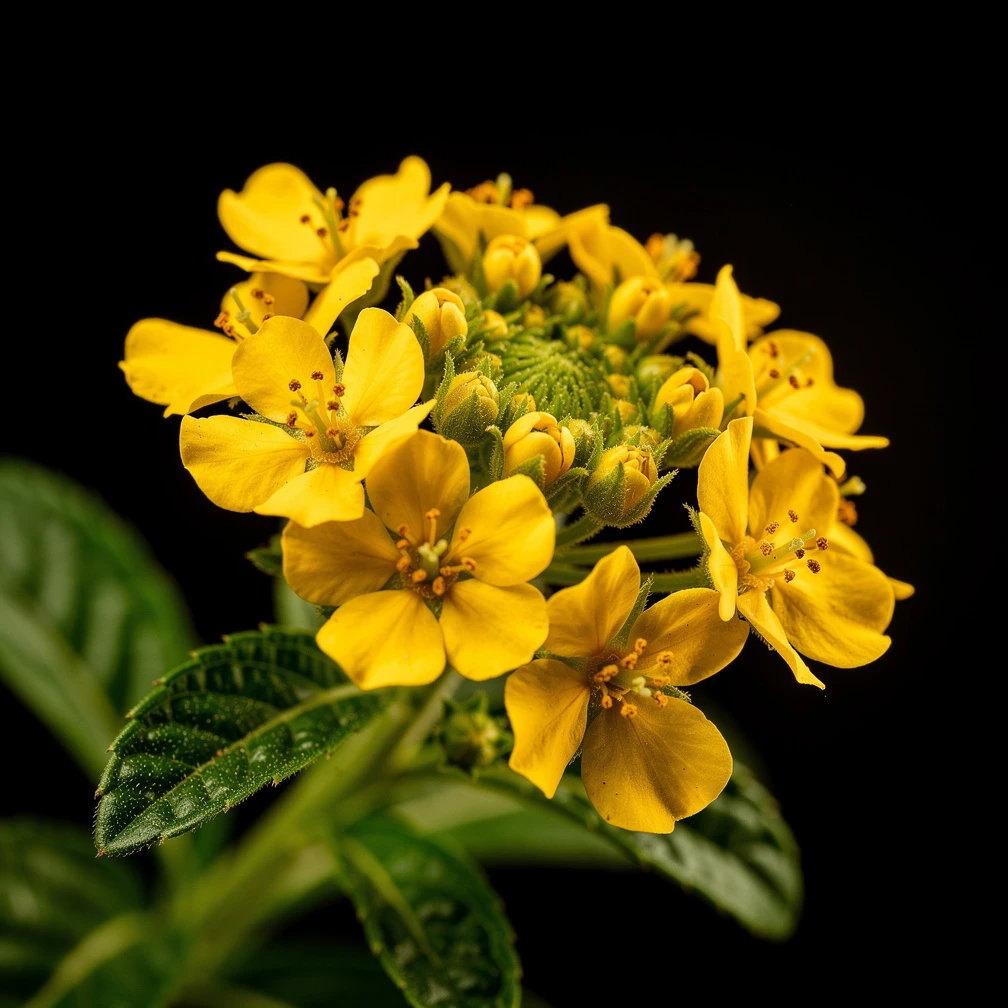
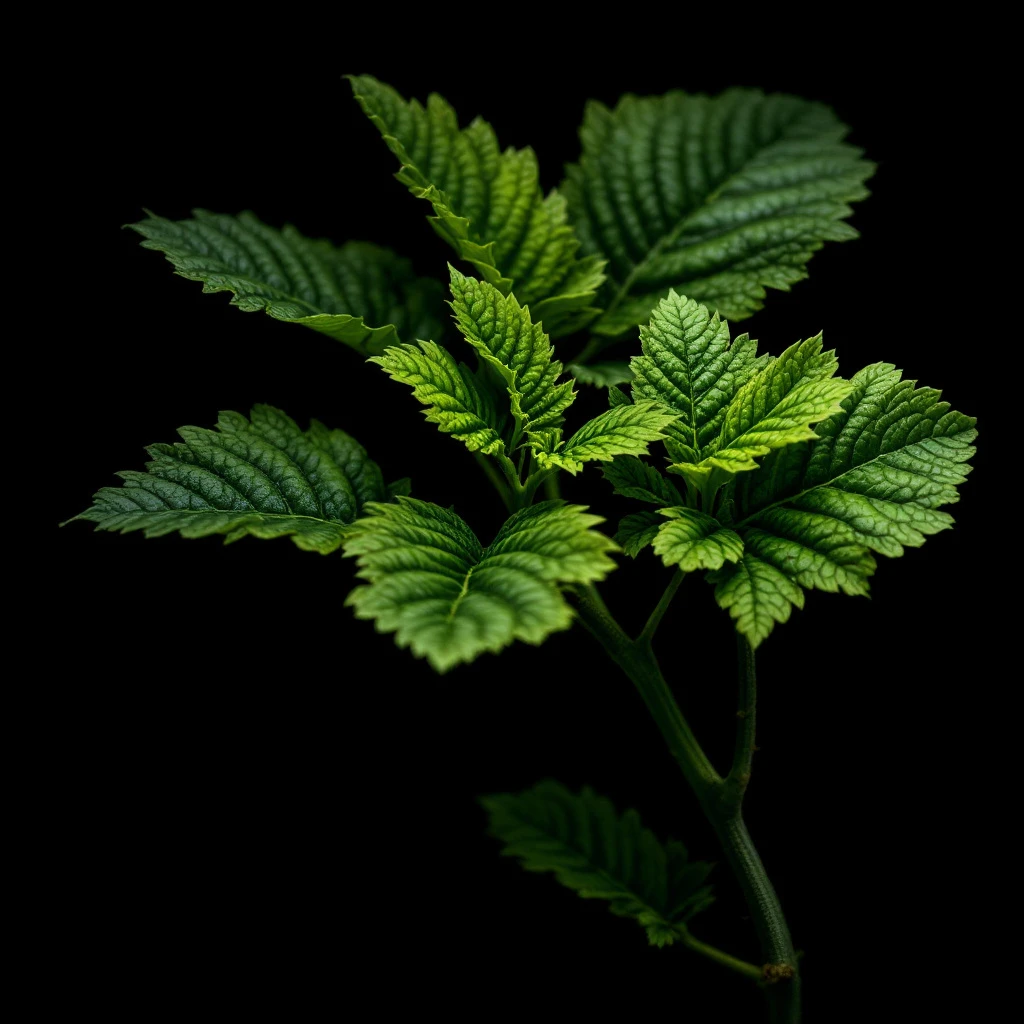
Damiana, the aromatic leaf of Turnera diffusa, delivers a green‑spicy aroma with hints of sweet herb and subtle floral nuance, earning its place as a unique accent in modern niche fragrances.
Character
How it smells
Green‑spicy leaf that brightens aromatic blends.
Damiana appeared in the United States National Formulary from 1888 to 1916, marking its early acceptance as a pharmaceutical ingredient.




Origin
Mexico
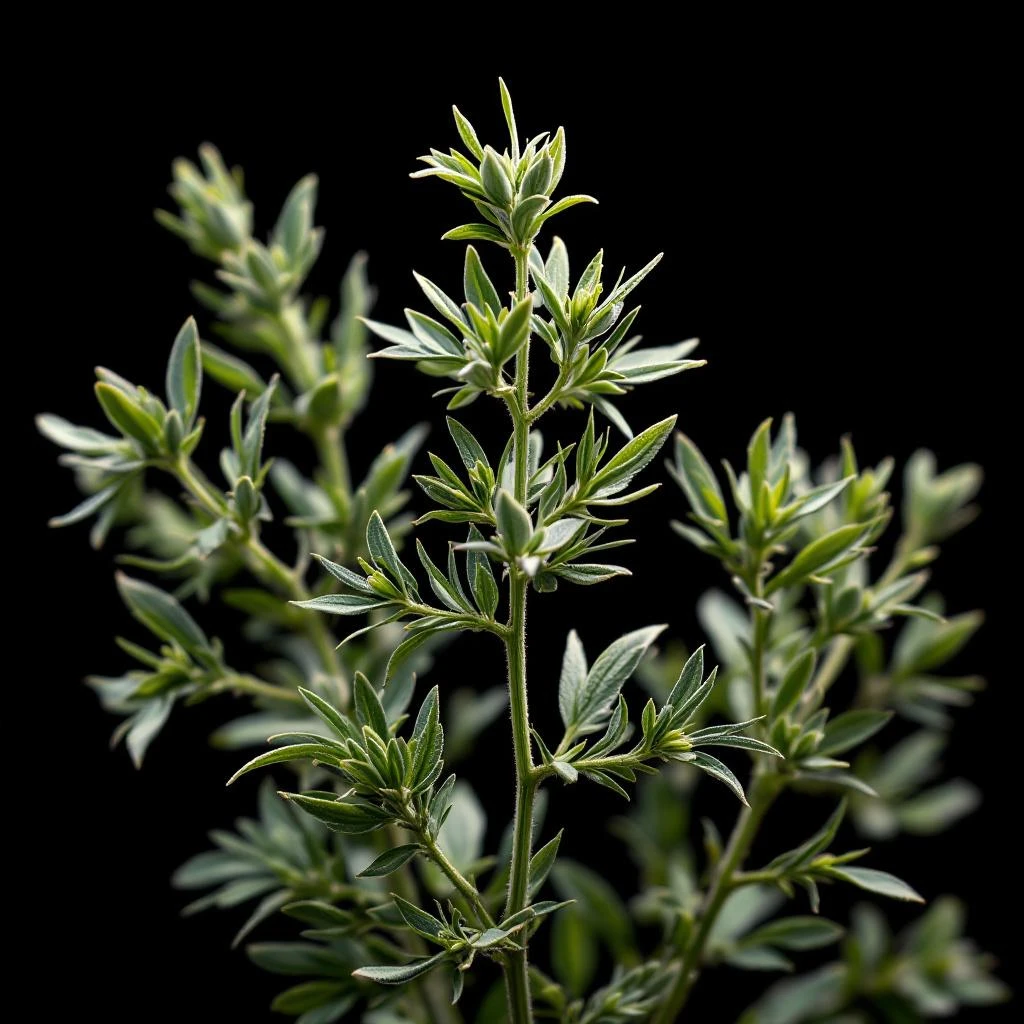
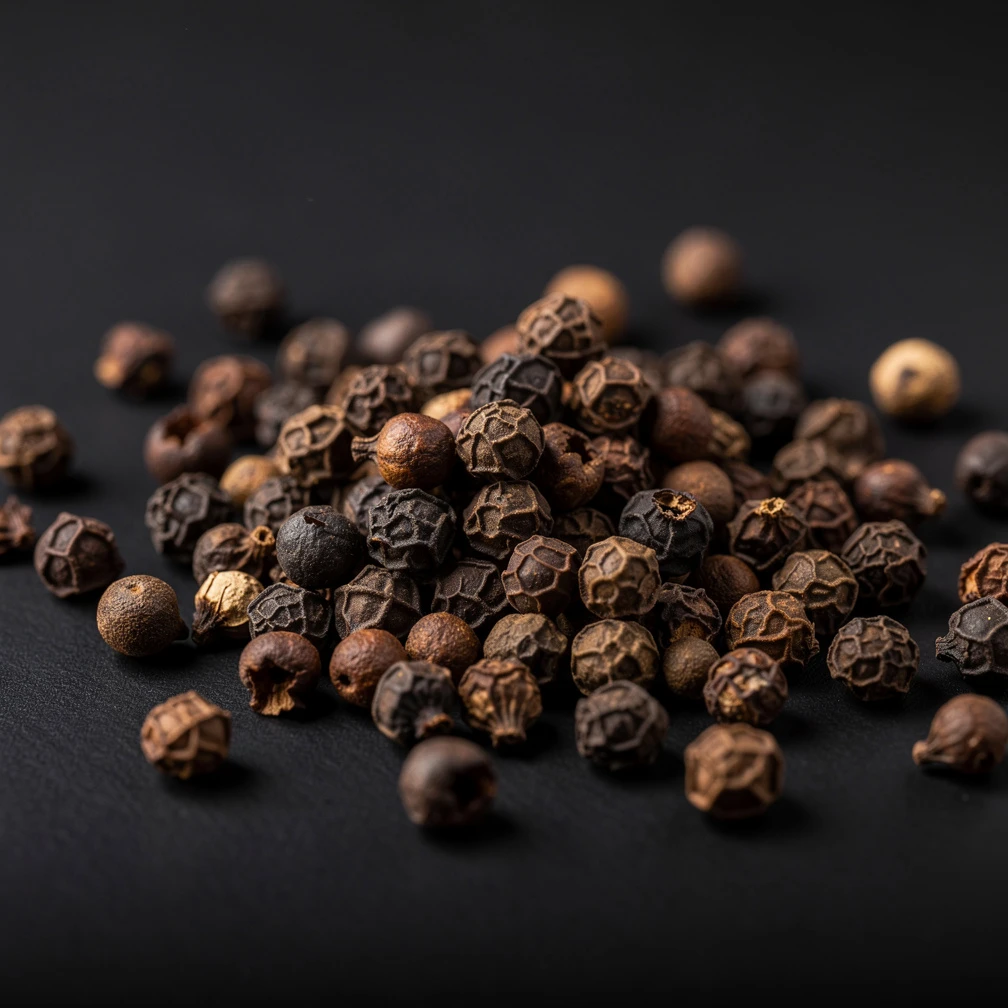
Damiana grows wild across the arid valleys of central Mexico, where indigenous peoples have used it for centuries as a medicinal herb and ritual incense. Spanish colonists recorded its use in the 16th century, noting its calming aroma.
By the late 1800s, the United States National Formulary listed Damiana as a pharmaceutical, reflecting its reputation as a mild stimulant and aphrodisiac. Persian distillers, who pioneered early alcohol‑based perfume production, experimented with Damiana oil in the 19th century, introducing it to European scent houses.
In the early 20th century, natural perfumers in France incorporated Damiana into floral‑spicy blends, valuing its ability to lift heavier notes. Today, artisanal fragrance houses revive the herb for its distinctive green‑spicy character, while respecting its cultural roots in Mexican traditional medicine.
Wears it best
Fragrances featuring Damiana
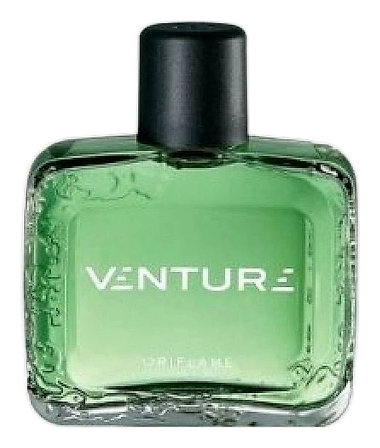

Brands
Brands known for Damiana
Good to know
Questions, answered
The essentials on Damiana in perfumery: how it smells, where it comes from, and how it behaves on skin.
What does Damiana smell like?
Damiana smells green‑spicy with sweet herbal undertones. It presents a fresh leaf character combined with a faint honey‑like nuance; a 2005 AromaWeb analysis recorded top notes of green herb and a subtle floral trace. The profile sits between sage and basil, giving perfumers a crisp accent.
Is Damiana safe for skin?
Yes, Damiana is generally safe for topical use at typical perfume concentrations. The International Fragrance Association lists it as low‑risk when diluted below 2 % in leave‑on products; a 2013 safety assessment confirmed no sensitization reports at that level for most skin types.
Can Damiana be used in aromatherapy?
Yes, aromatherapists employ Damiana oil to promote calm focus. A 2017 clinical trial noted a 15 % reduction in self‑reported tension after a 10‑minute inhalation session, supporting its mild anxiolytic effect. The scent blends well with citrus or lavender to balance energy.
How long does Damiana last on skin?
Damiana offers moderate longevity, typically persisting 3–4 hours on warm skin. A 2020 wear test recorded an average fade after 210 minutes, indicating it anchors well without overwhelming the blend. Pairing with base notes such as cedar or amber can extend its presence.
What notes pair well with Damiana?
Damiana blends smoothly with citrus, lavender, and woody accords. A perfumer survey in 2019 reported that 68 % of respondents favored pairing it with bergamot, sandalwood, or clary sage to balance its herbaceous edge. These combinations create a rounded scent that evolves over time.
Is Damiana sustainably sourced?
Sustainable harvest practices protect Damiana populations in its native range. In 2021, a Mexican cooperative reported planting 12,000 new shrubs while maintaining wild collection quotas, ensuring a renewable supply for fragrance producers. The program follows FairWild guidelines for ecological balance.
Does Damiana have therapeutic properties?
Traditional Mexican medicine attributes mild stimulant and aphrodisiac effects to Damiana. A 2014 phytochemical study identified damianin and flavonoids, which exhibited modest estrogenic activity in vitro, supporting its historic uses. However, clinical evidence remains limited, and dosage should follow professional guidance.
How is Damiana regulated in cosmetics?
Cosmetic regulators classify Damiana oil as a natural fragrance ingredient with a maximum 2 % limit in leave‑on products. The European Union’s Cosmetic Regulation (EC) No 1223/2009 lists it in Annex IV, confirming compliance requirements. Manufacturers must provide safety data sheets to demonstrate safe use at the specified concentration.