Currant Liqueur
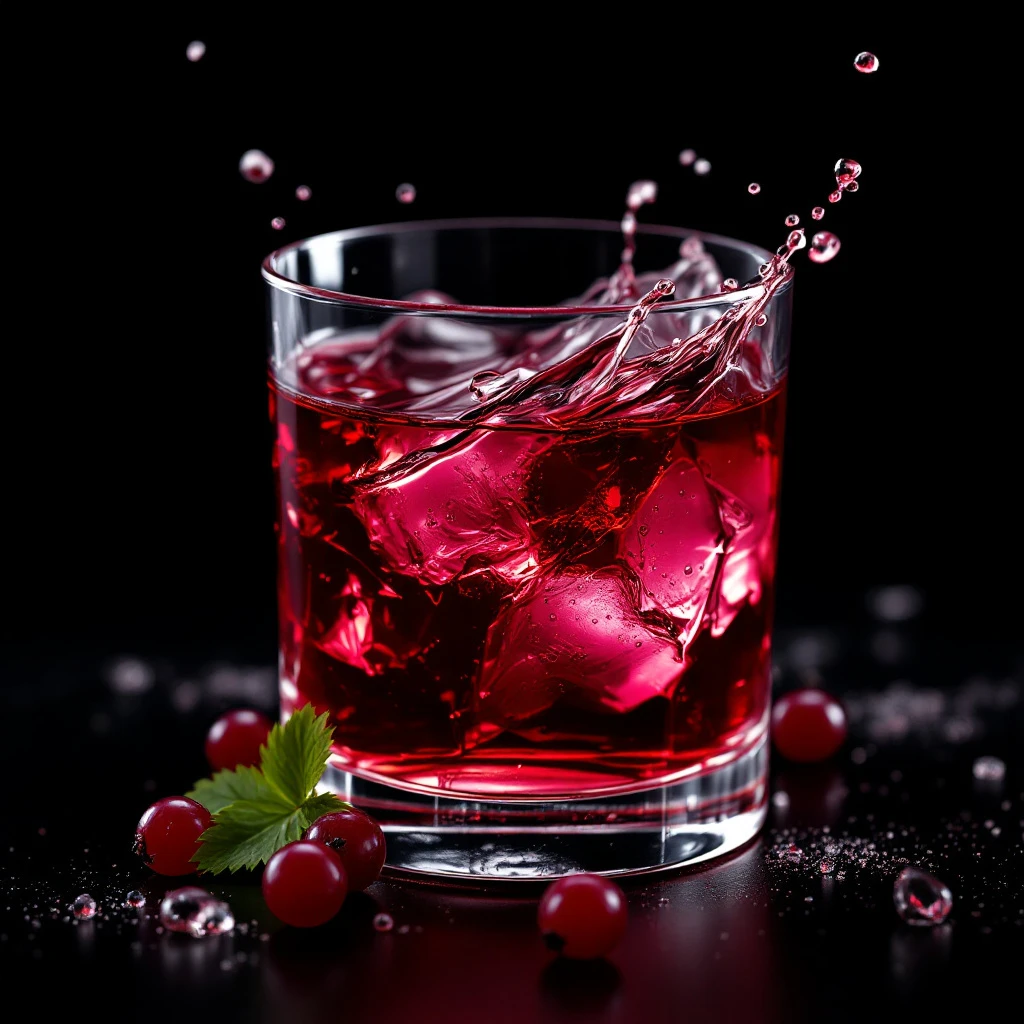
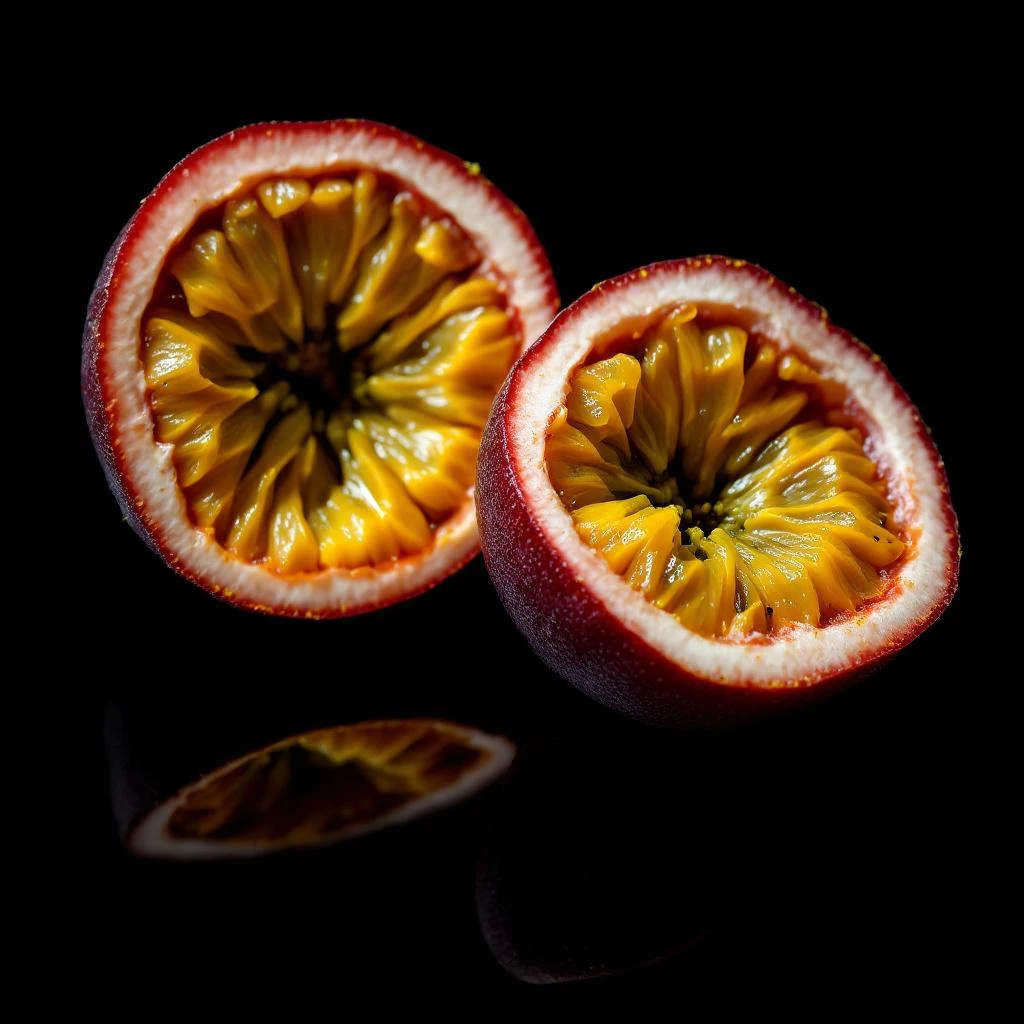
Capturing the deep, wine-like essence of black currant transformed into spirits, this note brings together the fruit's natural tartness with warm, jammy undertones. It evokes late-summer orchards and candlelit cellar doors.
Character
How it smells
The deep, jammy soul of cassis in liquid form.
Blackcurrant buds contain up to 200 times more aromatic intensity than the berries themselves, making them the true treasure of the plant.



Origin
France
Black currant has been cherished since ancient Greece, where physicians documented its medicinal properties. The fruit traveled slowly across Europe, finding its spiritual home in France, where crème de cassis became a celebrated liqueur by the 19th century.
French distillers perfected the art of macerating blackcurrants in spirits, creating deep burgundy elixirs prized for their intense sweetness and tart finish. Perfumers took note of this aromatic tradition, recognizing that the liqueur captured something essential about the fruit that fresh berries alone could not express.
By the 1960s and 1970s, perfumers began systematically developing blackcurrant absolute for fragrance use, while aromatic chemists worked to synthesize the key compounds responsible for cassis character. Today, Currant Liqueur represents a marriage of these approaches, honoring centuries of European appreciation for this deeply colored, intensely flavored fruit.
Wears it best
Fragrances featuring Currant Liqueur
Brands
Brands known for Currant Liqueur
Good to know
Questions, answered
The essentials on Currant Liqueur in perfumery: how it smells, where it comes from, and how it behaves on skin.
What does Currant Liqueur smell like?
Currant Liqueur combines the natural tartness of blackcurrant with warm, jammy, slightly fermented undertones. It recalls cassis liqueur with wine-like depth, green freshness from the buds, and a sweet-tart balance that adds complexity to fragrance compositions.
Is Currant Liqueur a natural or synthetic ingredient?
It is a hybrid. Perfumers combine natural blackcurrant absolute extracted from buds using solvents with carefully selected synthetic aroma molecules that enhance and stabilize the liqueur-like character.
When did blackcurrant become important in perfumery?
Blackcurrant absolute emerged as a perfumery ingredient in the 1960s-1970s, though the fruit itself had been cultivated across Europe since ancient Greek times. French breeders developed varieties optimized for aromatic use.
What fragrance families use Currant Liqueur?
This note appears primarily in fruity and chypre compositions. It adds depth and sensuality to berry-forward fragrances, enriches oriental perfumes with wine-like warmth, and provides a sophisticated twist in modern floral arrangements.
Which countries produce blackcurrant for perfumery?
France leads in cultivating aromatic blackcurrant varieties, followed by Poland, the United Kingdom, and several Eastern European nations. French cassis production has been particularly influential in developing perfumery-grade material.
What makes blackcurrant buds special for fragrance?
Blackcurrant buds contain extraordinarily concentrated aromatic compounds, with some estimates suggesting up to 200 times more intensity than the berries themselves. This makes them the most prized part for absolute production.
Can Currant Liqueur note stand alone in a fragrance?
It functions best as a heart or base note that provides warmth and depth. On its own it would be too concentrated; paired with bright top notes and supporting base materials, it creates rich, lingering dry-downs.
What key aroma compounds define blackcurrant character?
The signature blackcurrant smell comes from thiol compounds like p-menthene-8-thiol, combined with various esters and sesquiterpenes. These molecules create the characteristic sulfury, fruity, and green facets that define cassis.





