crayon
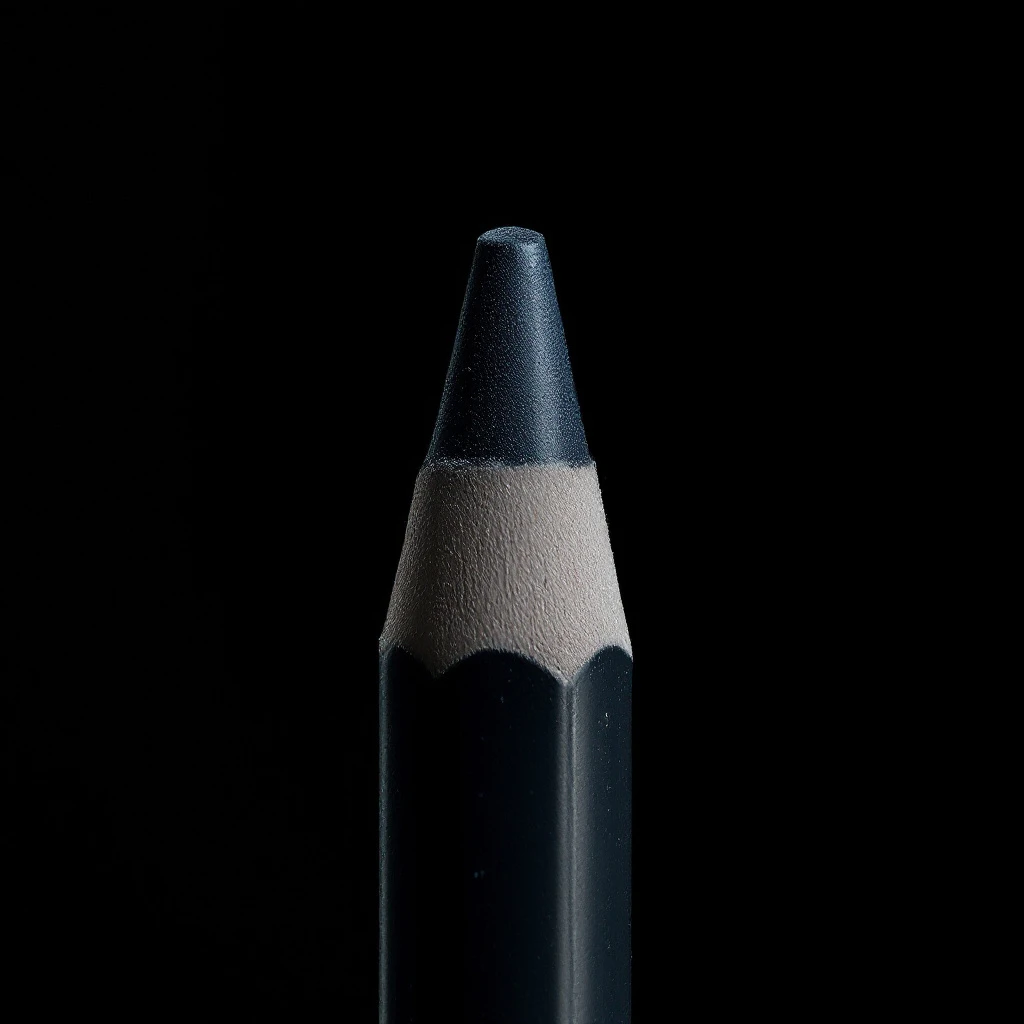
A playful, nostalgic accord that captures the waxy, slightly sweet scent of childhood crayons. Synthetic aroma chemicals recreate that unmistakable paper-and-cream scent found in modern niche perfumery.
Character
How it smells
Waxy, nostalgic, and unexpectedly wearable
The first crayon-scented fragrance note appeared in niche perfumery in the 2000s, built almost entirely from synthetic aldehydes and lactones rather than any natural wax source.






Origin
France
The crayon accord belongs entirely to contemporary perfumery and has no presence in classical fragrance traditions. Its emergence reflects a broader movement beginning in the late 20th century when perfumers started exploring conceptual, memory-driven scents inspired by everyday objects.
The early 2000s saw a wave of niche houses experimenting with gourmand and synthetic-only compositions that mimicked materials outside the natural perfumer's palette. Crayon fit naturally into this trend, alongside notes like plastic, bubblegum, and freshly opened books.
French and American indie perfumers led the experimentation, treating scent as a vehicle for autobiographical storytelling. This approach marked a departure from the floral-chypre orthodoxy that had dominated fine fragrance for decades, prioritizing emotional resonance over traditional raw materials.
Wears it best
Fragrances featuring crayon
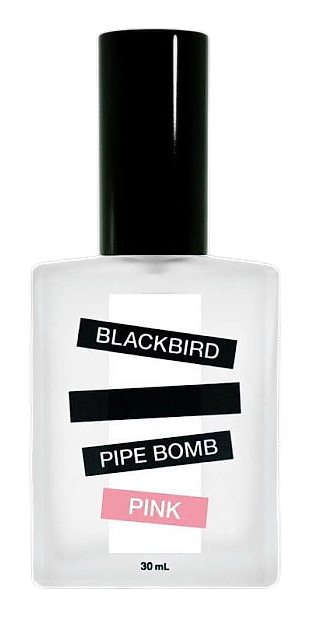
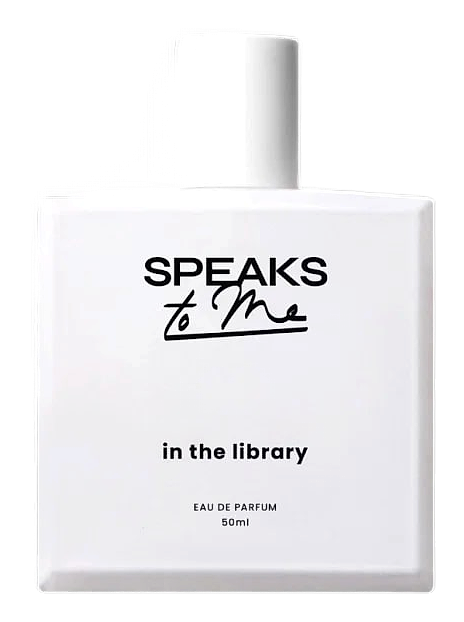
Brands
Brands known for crayon
Good to know
Questions, answered
The essentials on crayon in perfumery: how it smells, where it comes from, and how it behaves on skin.
What does the crayon fragrance note smell like?
The crayon note smells waxy, creamy, and faintly sweet, reminiscent of unwrapped children's crayons. It carries a soft powdery warmth rather than a sharp chemical edge, built from carefully balanced synthetic lactones and aldehydes.
Is the crayon note made from real wax?
No. The crayon note is constructed entirely from synthetic aroma chemicals. No actual paraffin or natural wax is used; perfumers recreate the scent using lactones, aldehydes, and traces of vanillin to mimic that familiar waxy smell.
When did crayon first appear in perfumery?
The crayon note emerged in niche perfumery during the early 2000s, alongside other conceptual accords like plastic and bubblegum. French and American indie perfumers pioneered this memory-driven approach to fragrance design.
What type of fragrance is the crayon note used in?
Crayon is typically featured in gourmand and conceptual niche fragrances, where unexpected synthetic notes take center stage. It pairs especially well with vanilla, iris, and soft musks that reinforce its creamy character.
Is the crayon note safe to wear on skin?
Yes. When used at standard perfumery concentrations, the synthetic materials forming the crayon accord are safe for skin application. All components fall within IFRA guidelines for finished fragrance products.
Why do perfumers use the crayon note?
Perfumers use the crayon note to evoke nostalgia and childhood memory within a wearable composition. It adds an emotional, playful dimension that traditional floral or woody accords cannot achieve on their own.
Does the crayon note smell like actual crayons?
In high-quality compositions, the crayon note reads as a softened, idealized version of real crayons rather than a literal reproduction. Skilled perfumers tone down any plasticky harshness to create something both recognizable and pleasant.
Can the crayon note be combined with floral ingredients?
Yes. The crayon note pairs beautifully with powdery florals like iris and violet, as well as with heliotrope and mimosa. These combinations create a creamy, slightly retro aesthetic found in many contemporary niche releases.