Crambe
Crambe: the Ethiopian oilseed and Mediterranean ornamental whose high-erucic seed oil drives industrial applications and whose flowers contribute to perfumery.
Character
How it smells
Ancient Ethiopian cultivation meets modern industrial and aromatic uses.
The genus name Crambe derives from the Greek word for cabbage, reflecting its Brassicaceae family heritage and distinctive cabbage-like foliage.





Origin
Ethiopia
Cultivated for centuries in the Ethiopian highlands, Crambe abyssinica adapted to the region's high altitude, volcanic soils and seasonal rainfall patterns. Local farmers selected the crop for its oil-rich seeds and relative drought tolerance.
The species gained broader recognition during the 20th century when agricultural researchers investigated alternative oilseed crops beyond the dominant soybean and rapeseed. Interest intensified as industrial users sought renewable feedstocks for lubricants and chemical intermediates.
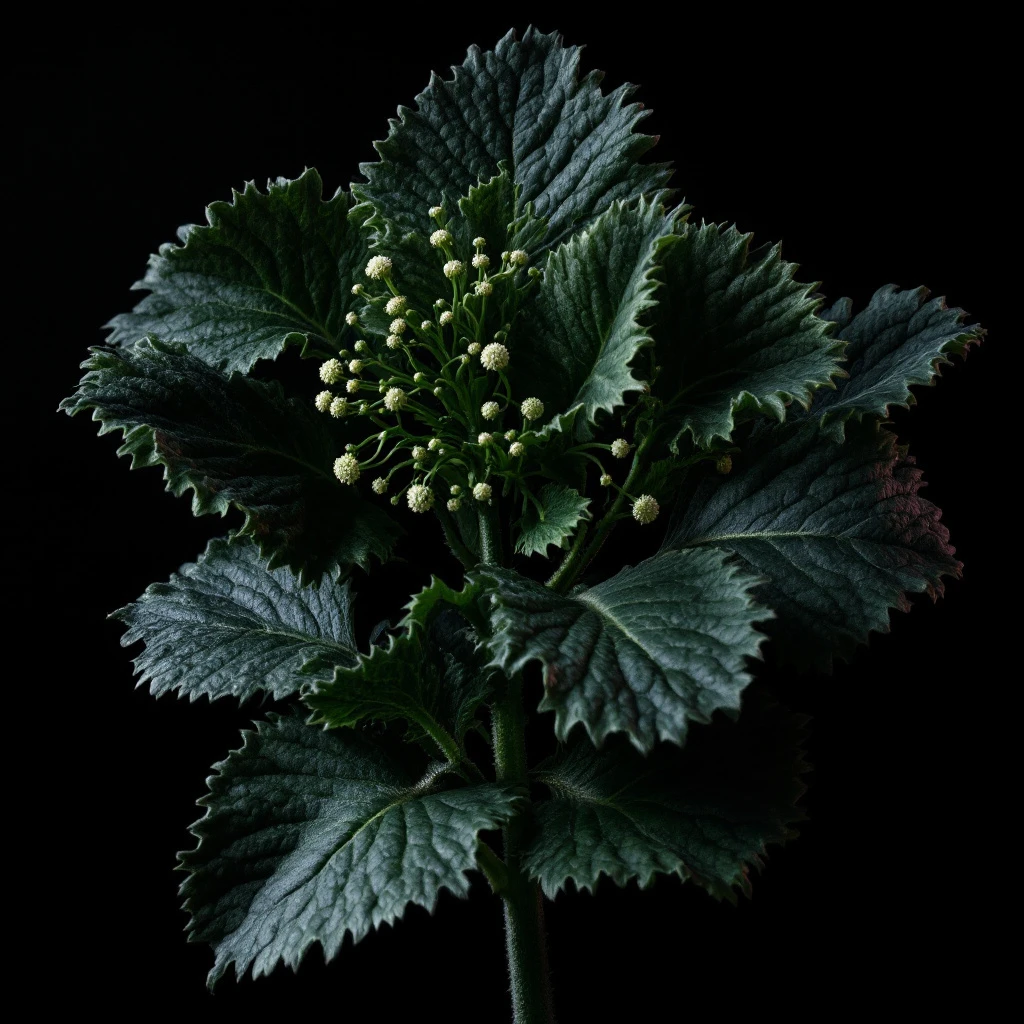
The genus Crambe itself originates from Mediterranean regions and the Black Sea coast, where wild relatives like Crambe cordifolia grow in coastal and rocky habitats. These ornamental species attracted attention in botanical gardens across Europe before perfumers began exploring their aromatic potential in modern natural fragrance work.
Wears it best
Fragrances featuring Crambe
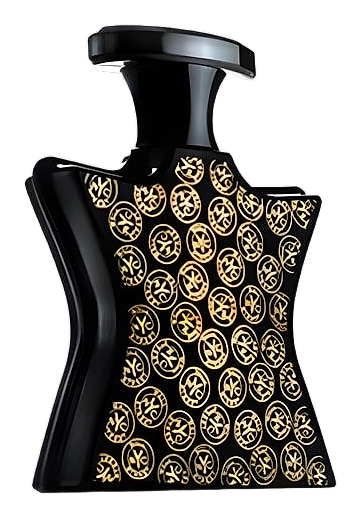
Brands
Brands known for Crambe
Good to know
Questions, answered
The essentials on Crambe in perfumery: how it smells, where it comes from, and how it behaves on skin.
What is Crambe in perfumery?
Crambe is a genus of plants in the Brassicaceae family. In perfumery, it refers to Crambe cordifolia, a Mediterranean ornamental whose flowers and foliage yield aromatic materials. The industrial species is Crambe abyssinica, cultivated for its oil-rich seeds.
Where does Crambe originate?
Ethiopia is the primary origin for cultivated Crambe abyssinica, grown in the Ethiopian highlands for centuries. The genus Crambe originates from Mediterranean regions and the Black Sea coast, where wild relatives thrive in coastal and rocky habitats.
Which parts of Crambe are used?
The seeds serve as the primary material for Crambe abyssinica oil extraction, yielding 38-45% oil by weight. For perfumery applications involving Crambe cordifolia, the flowers and foliage provide aromatic material through extraction processes.
How is Crambe oil produced?
Seeds undergo mechanical pressing followed by solvent extraction to maximize oil recovery. The crude oil then requires refining to remove glucosinolates and other anti-nutritional compounds before industrial use.
What does Crambe smell like?
Refined Crambe seed oil has a neutral, colorless profile suitable for industrial applications. The flowering plant Crambe cordifolia produces clusters of small white flowers with a mild, green-vegetable aroma occasionally used in natural perfumery.
Is Crambe used as a fixative in fragrance?
Crambe cordifolia and related species contribute mild fixative qualities in natural perfumery compositions. However, Crambe remains uncommon compared to traditional fixative materials like benzoin or labdanum.
What are the industrial uses of Crambe oil?
The high erucic acid content (55-60% of fatty acids) makes Crambe oil valuable for lubricants, nylon precursors, and industrial polymers. Its erucic acid concentration ranks among the highest of any commercial oilseed crop.
Is Crambe the same as sea kale?
Crambe cordifolia is often called sea kale, though Crambe and sea kale (Crambe maritima) are separate species within the Brassicaceae family. Crambe abyssinica is a distinct Ethiopian oilseed crop unrelated to sea kale.