Corylopsis
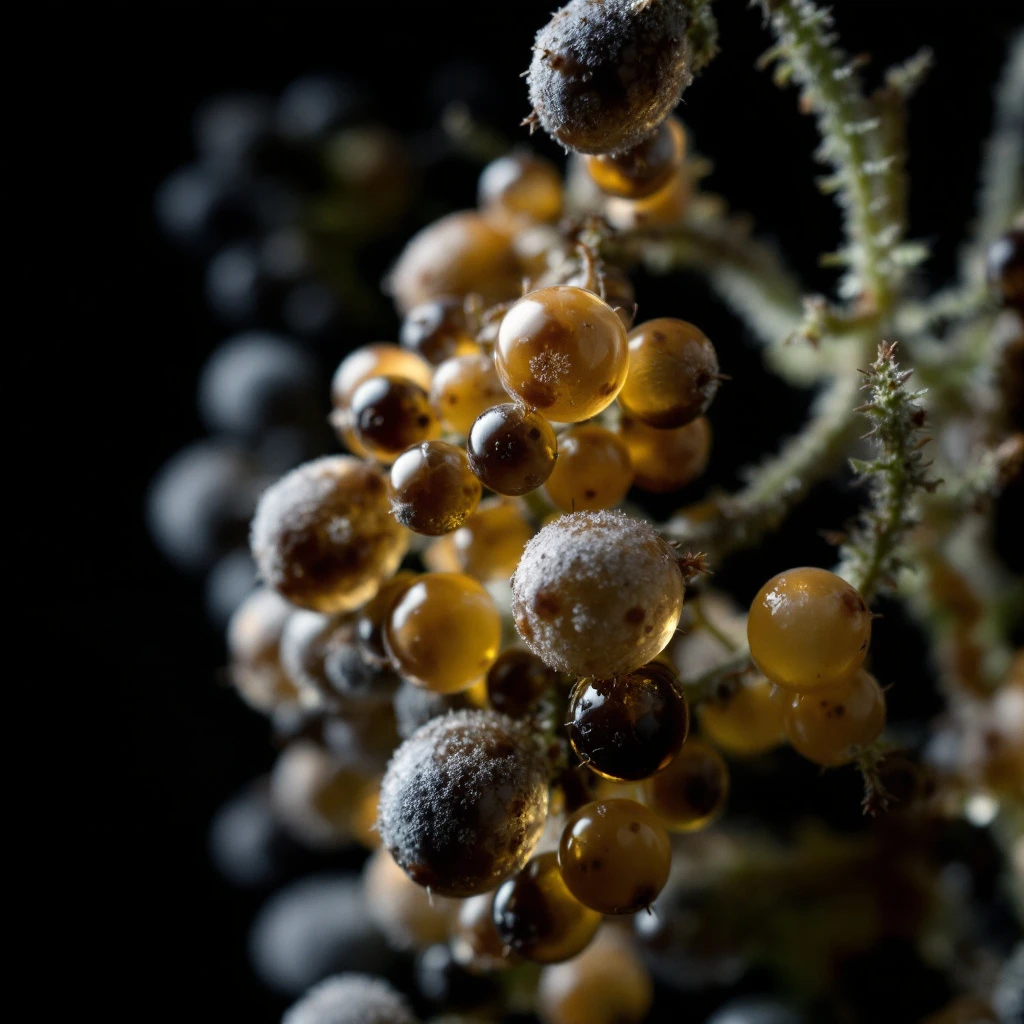
Corylopsis brings the delicate, almond-sweet scent of winter hazel blossoms to perfumery. Its pale yellow flowers release a soft, green floralcy prized for adding airy luminosity to compositions.
Character
How it smells
Winter hazel in bloom
Corylopsis blooms on bare branches before its leaves emerge, making its fragrance one of the earliest signals of spring in its native Asian woodlands.
Pairs beautifully with



Origin
Japan
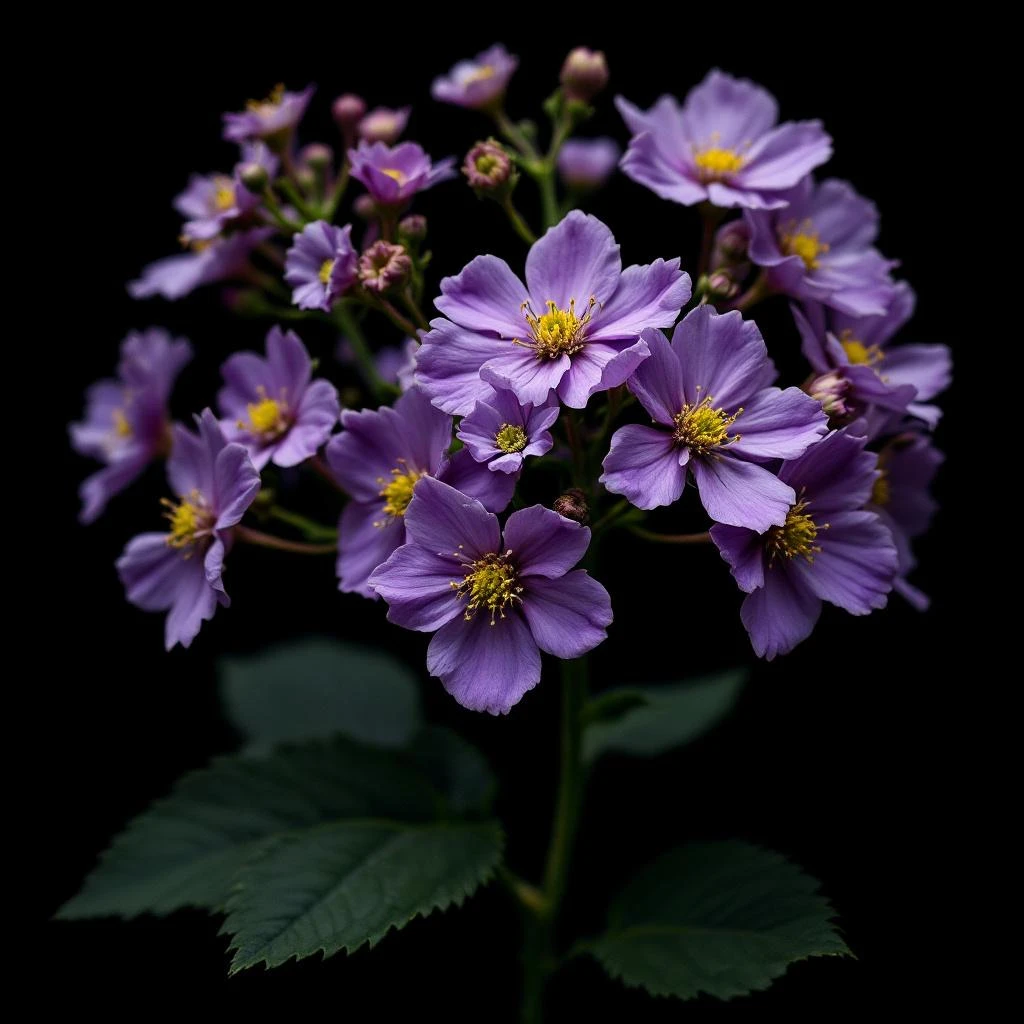
Corylopsis species grow natively across the Himalayas, China, Korea, and Japan, where they have long featured in horticultural and cultural traditions. Japanese gardeners have cultivated varieties like Corylopsis pauciflora for centuries, valuing the shrub's early, abundant flowering as a seasonal marker. The plant entered Western botanical record in the 19th century through plant hunters working in East Asia, including introductions by Robert Fortune during his mid-1800s expeditions.
In perfumery, Corylopsis remains a niche ingredient rather than a mainstream commodity, appearing more often in artisanal and naturalistic fragrance work than in mass-market compositions. Its delicate almond-floral character connects it thematically to the larger family of spring-blooming shrubs that have shaped Eastern garden culture, including witch hazel relatives, while offering Western perfumers a less common route to soft, green floral accords.
Wears it best
Fragrances featuring Corylopsis
Brands
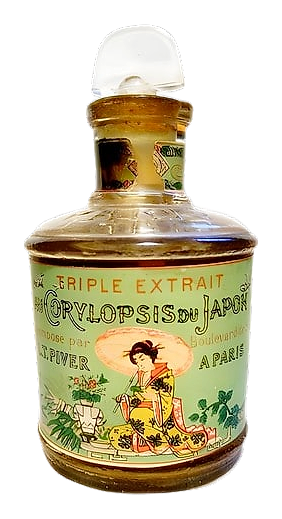
Brands known for Corylopsis
Good to know
Questions, answered
The essentials on Corylopsis in perfumery: how it smells, where it comes from, and how it behaves on skin.
What does Corylopsis smell like?
Corylopsis absolute carries a soft, sweet floralcy with green undertones and a distinct almond-like sweetness. It reads lighter and airier than cherry blossom, with a cooler, more watery edge that suits early-spring compositions.
How is Corylopsis extracted for perfumery?
Producers primarily use solvent extraction on freshly harvested winter hazel blossoms to create a concrete, then alcohol washing yields the absolute. Steam distillation is possible but often degrades the fragile aromatic compounds, making solvent methods the standard.
Where does Corylopsis grow naturally?
Corylopsis species originate in East Asia, spanning the Himalayas, China, Korea, and Japan. Japanese gardens have cultivated varieties like Corylopsis pauciflora for centuries, both ornamentally and for seasonal display.
Is Corylopsis a common fragrance ingredient?
Corylopsis remains rare in mainstream perfumery due to low extraction yields and limited commercial cultivation. It appears more frequently in artisanal and naturalistic fragrances where its delicate almond-floral character adds distinctive springtime nuance.
What other ingredients pair well with Corylopsis?
Corylopsis blends naturally with green notes like violet leaf and galbanum, soft florals such as mimosa and lily of the valley, and light musks. Its almond sweetness also complements vanilla and heliotrope in gentle, airy compositions.
When does Corylopsis bloom?
Corylopsis flowers in late winter to early spring, typically February through April depending on species and climate. The pale yellow blossoms appear on bare branches before leaves emerge, making them visible and harvestable.
How did Corylopsis reach Western gardens?
Nineteenth-century plant hunters introduced Corylopsis to Europe and North America, notably Robert Fortune during his mid-1800s expeditions through East Asia. These introductions shaped Western horticultural interest in winter-blooming shrubs.
What is the difference between Corylopsis and witch hazel?
Both belong to the Hamamelidaceae family and share similar winter blooming habits, but Corylopsis produces pale yellow, almond-scented flowers while Hamamelis witch hazel typically offers yellow to red spidery blooms with a sharper, more astringent scent.





