Corsican Peach
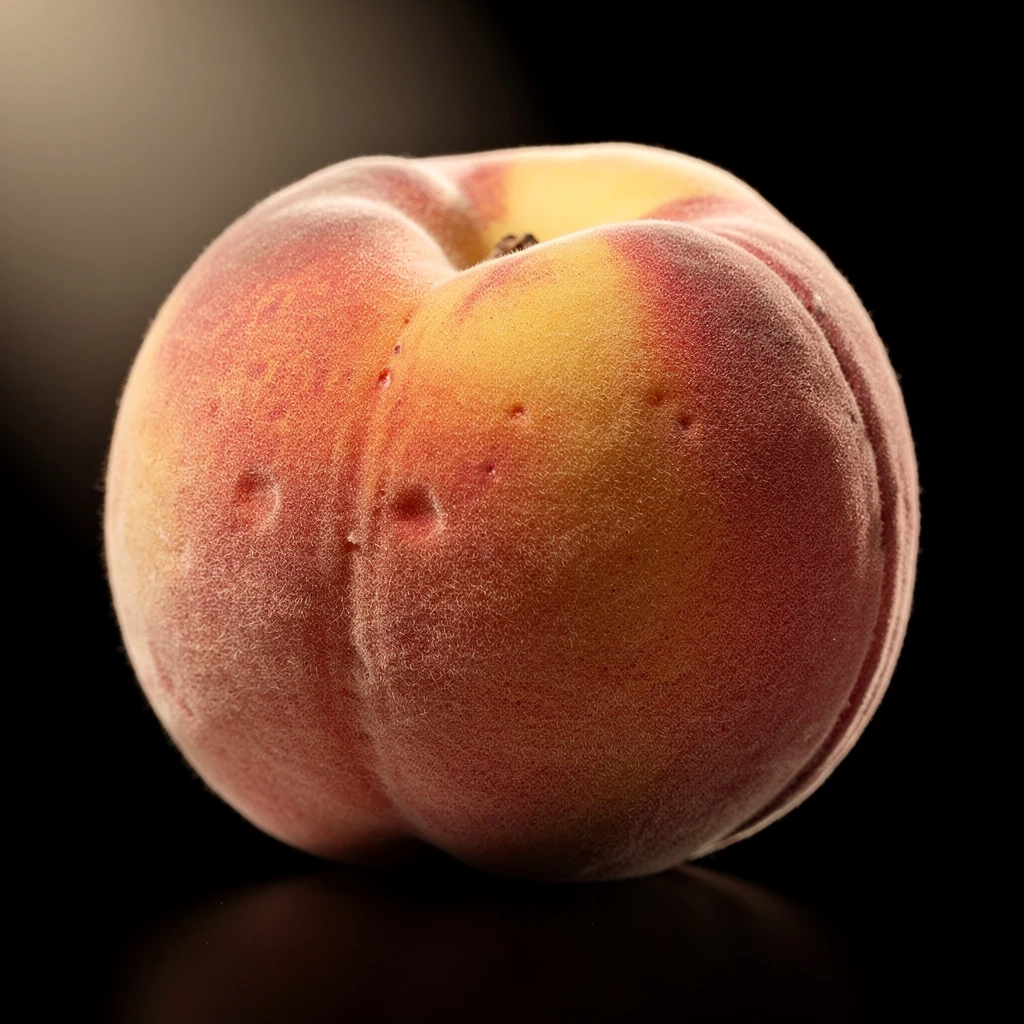
Corsican Peach brings Mediterranean sunshine to fragrance. Grown on the island where mountains meet the sea, these peaches develop an intensely aromatic character prized by perfumers seeking authentic fruit expression.
Character
How it smells
Mediterranean fruit at its most aromatic
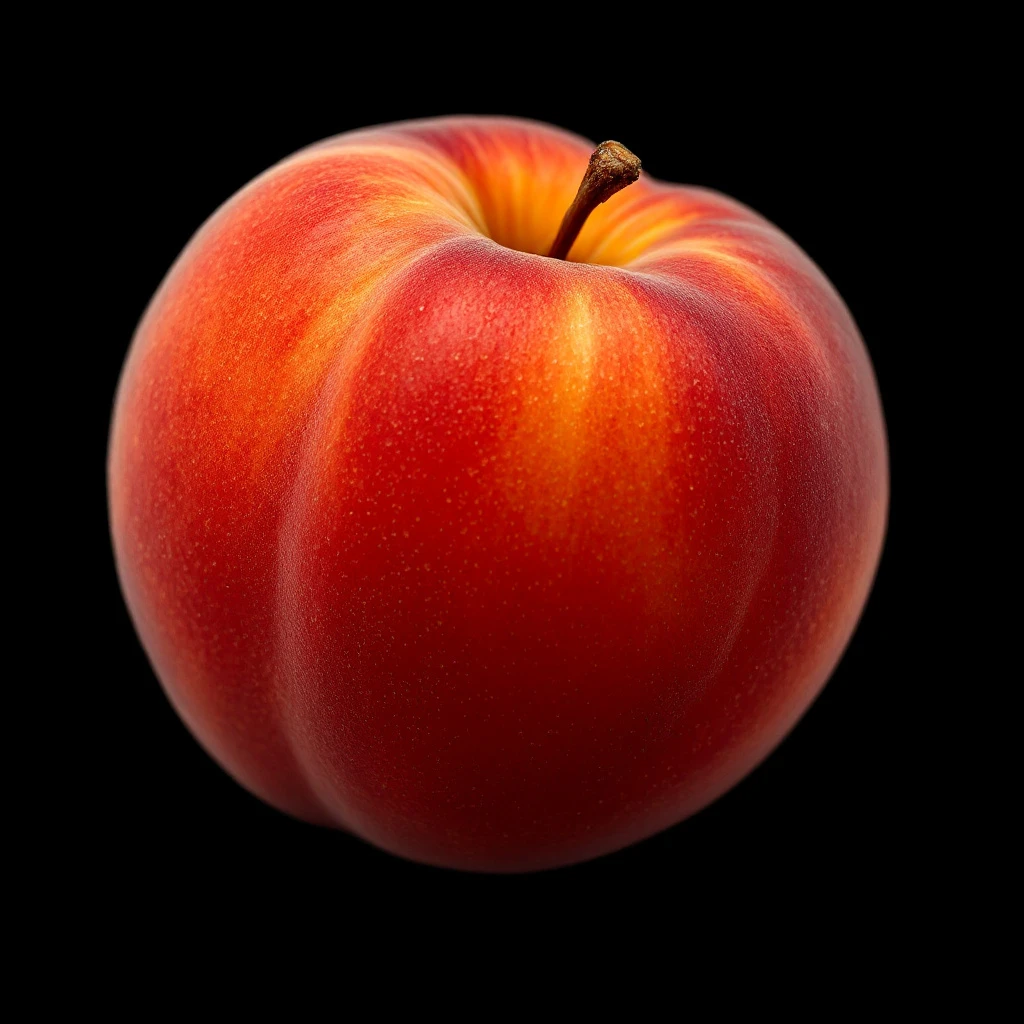
Corsican peaches grow at higher altitudes than most European orchards, developing more aromatic compounds in the mountain air.



Origin
France
Peaches traveled an extraordinary path to reach Corsica. Native to Northwest China, the fruit spread to Persia where Alexander the Great encountered it during his campaigns.
European cultivation began after Greek conquests introduced the fruit to the Mediterranean. Corsica's unique geography created ideal conditions: volcanic soil, dramatic elevation changes, and Mediterranean sun combine to produce peaches with exceptional aromatic intensity.
The island became a source for premium fruit during the 18th century when French nobility sought Corsican produce for court tables. Perfumery adopted Corsican Peach as a marker of quality, associating the origin with authentic fruit character rather than synthetic approximation.
Wears it best
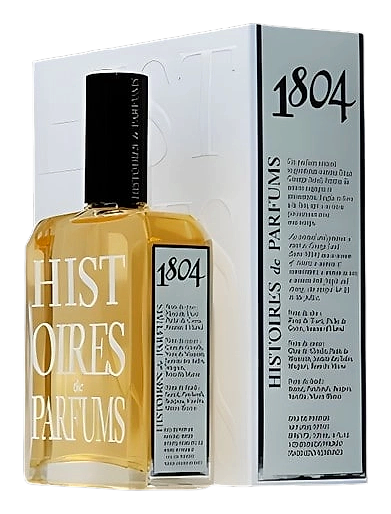
Fragrances featuring Corsican Peach
Brands
Brands known for Corsican Peach
Good to know
Questions, answered
The essentials on Corsican Peach in perfumery: how it smells, where it comes from, and how it behaves on skin.
How do perfumers obtain Corsican Peach extract?
Solvent extraction yields Corsican Peach absolute from the fresh fruit. This captures the lactonic sweetness and fruity depth. Natural extract remains expensive and rare, so most perfumers blend it with synthetic peach lactones like gamma-decalactone for cost consistency.
What makes Corsican peaches different for perfumery?
Corsican peaches grow at higher altitudes with volcanic soil and Mediterranean sun exposure. This combination produces fruit with 20-30% higher aromatic compound concentration compared to standard varieties. The terroir creates distinct sweetness and velvety texture in the final extract.
What does Corsican Peach smell like?
Corsican Peach delivers warm, jammy fruit with velvety texture and sweet skin character. The note carries lactonic richness alongside subtle green undertones from the fruit stem. It reads as ripe and sun-drenched without artificial brightness.
When did peach first appear in fragrance?
Jacques Guerlain created one of the first peach fragrances in 1919, combining natural and synthetic materials. This perfume marked the beginning of fruity notes in modern perfumery, establishing peach as a legitimate fragrance ingredient rather than a culinary reference.
How is Corsican Peach used in perfumery?
Perfumers position Corsican Peach as a heart or base note to add warmth and gourmand character. It combines well with florals like rose and peony, or with musks and woods for depth. The note works particularly well in summer fragrances seeking authentic fruit expression.
What country produces the best peaches for perfumery?
France produces premium peach extracts, with Corsica standing out for its unique microclimate. The island's volcanic soil and mountain elevation create conditions that intensify aromatic compounds in the fruit, producing extracts with exceptional character depth.
Is natural Corsican Peach sustainable?
Natural Corsican Peach absolute remains limited because peach fruit yields very little extractable material. Sustainable sourcing requires careful harvest timing and relationship with local growers. Synthetic peach lactones provide an alternative for larger-scale production without depleting agricultural resources.
Why choose Corsican Peach over synthetic peach?
Corsican Peach captures nuanced terroir character that synthetic peach lacks. The natural extract delivers complex undertones from the island's volcanic soil and mountain climate, creating depth that single-molecule synthetics cannot replicate. This complexity justifies the higher cost for perfumers seeking authentic fruit representation.