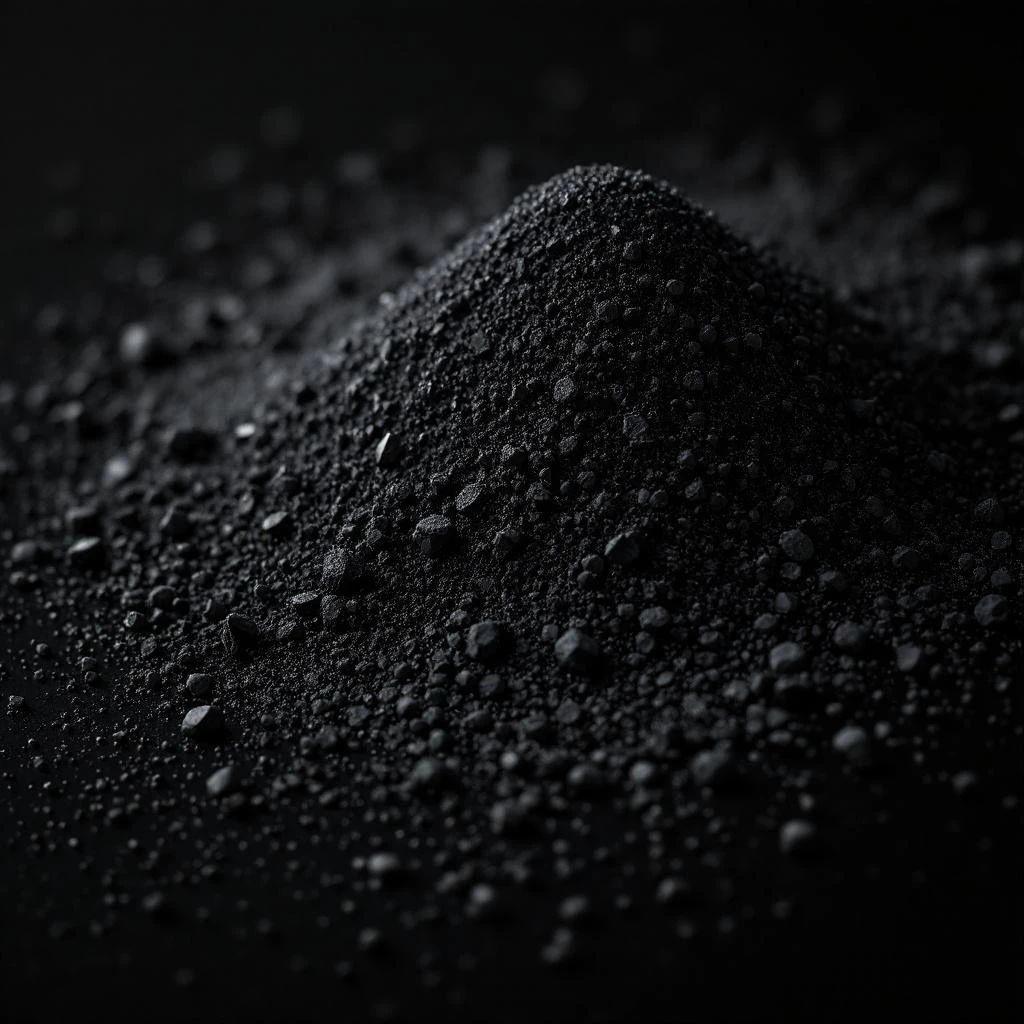
Copper
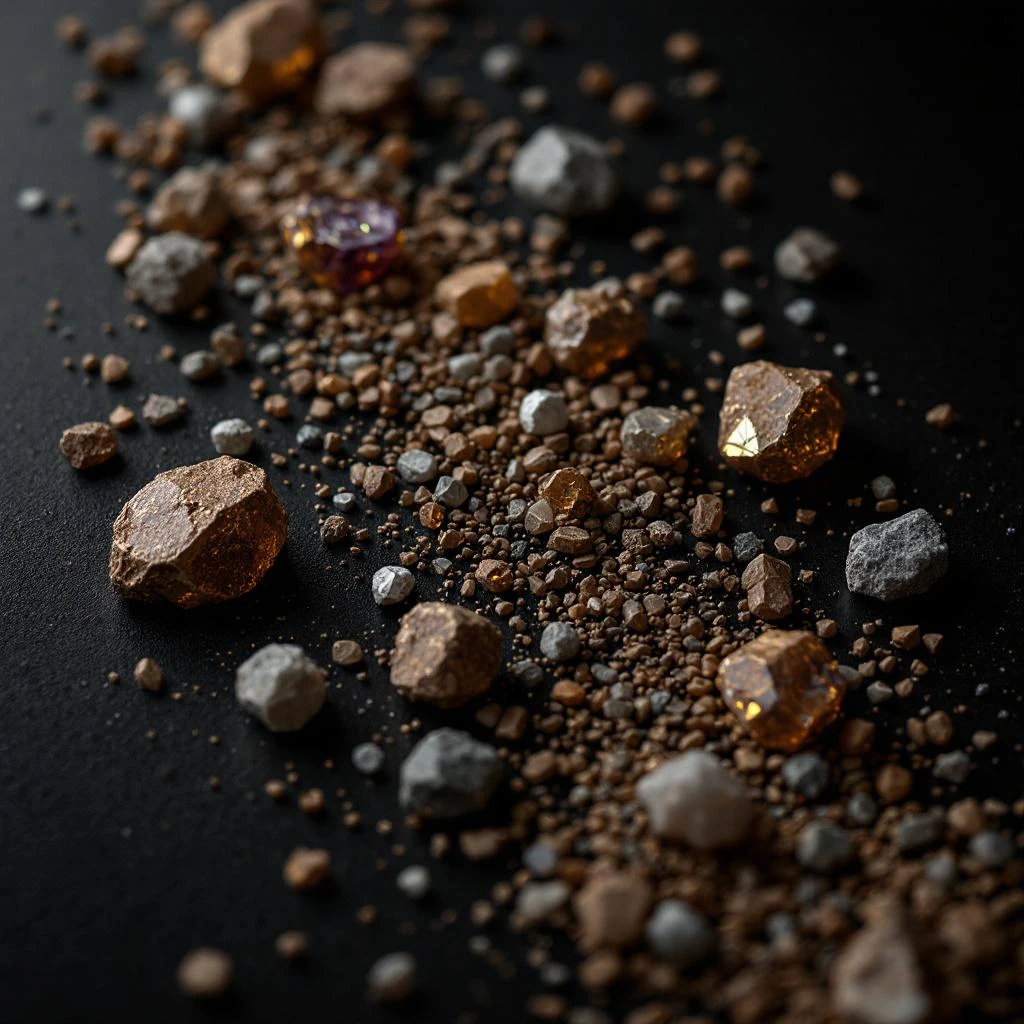
Copper in perfumery evokes a cool, sharp character often found in modern fragrances. These metallic notes capture the scent of rain on metal, creating an unexpected yet compelling dimension in contemporary compositions.

Character
How it smells
The modern accord that captures rain on metal.
Copper stills have been used for centuries because they conduct heat evenly and contain natural antimicrobial properties that preserve the purity of extracted oils.







Origin
Global
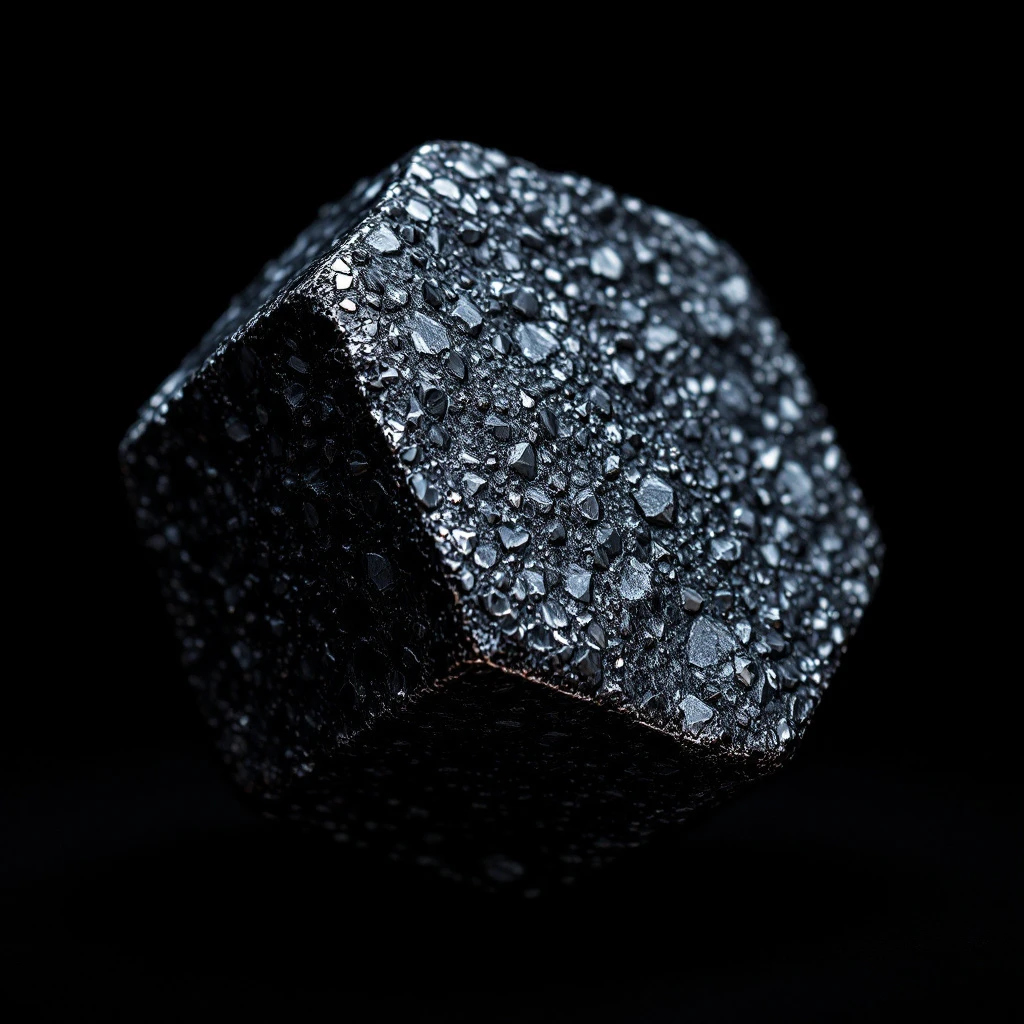
While copper itself has no historical precedent as a fragrance ingredient, copper vessels have shaped perfumery since antiquity. Ancient Egyptian and Mesopotamian perfumers used copper basins for holding and mixing aromatic oils. The metal's role expanded during the Arabic Golden Age when copper alembics became essential to the development of distillation techniques.
Persian and Indian perfumers of the Mughal era relied on hand-hammered copper stills, believing the metal enhanced the therapeutic properties of attars. This centuries-long association between copper and fine fragrance eventually inspired perfumers to recreate the metal's scent itself as a modern accord.
Wears it best
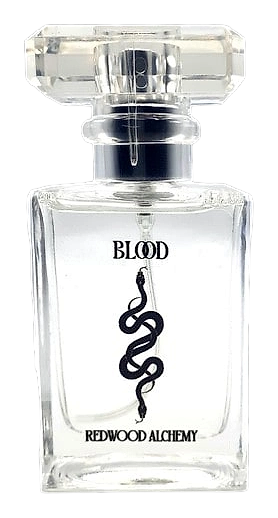
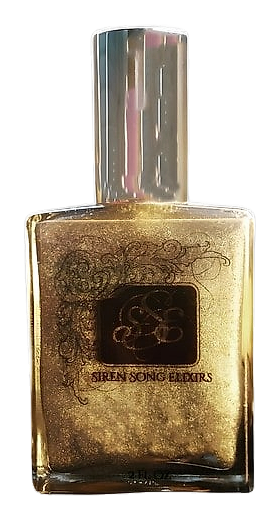
Fragrances featuring Copper
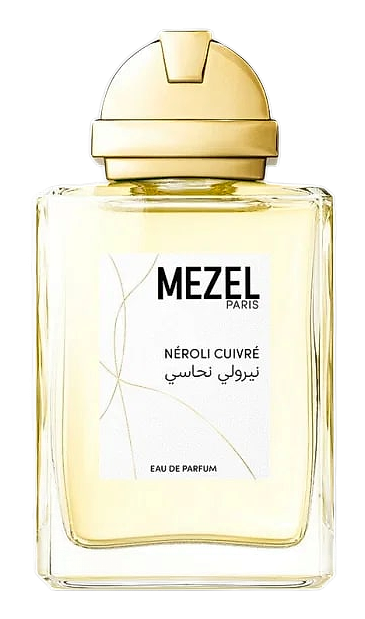

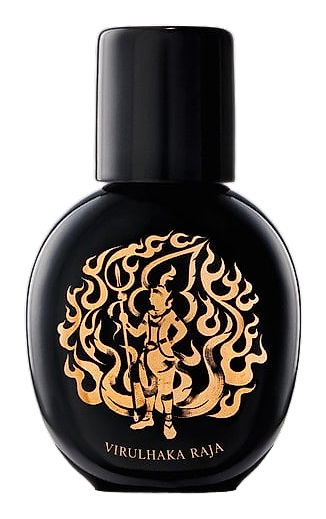
Brands
Brands known for Copper
Good to know
Questions, answered
The essentials on Copper in perfumery: how it smells, where it comes from, and how it behaves on skin.
Is copper an actual ingredient in perfume?
Copper itself is not a natural fragrance ingredient. The 'copper note' is a synthetic accord perfumers create to evoke the scent of metal or rain on warm metal surfaces.
What does a copper note smell like?
Copper notes smell sharp and cool with a subtle sweetness. They evoke impressions like biting a coin or the scent of rain hitting hot metal, adding an unexpected edge to fragrances.
When did copper notes first appear in perfumery?
Metallic accords emerged in the late 20th century, gaining prominence in the 1990s as part of the modernist movement in perfumery that explored unconventional materials.
Are copper notes common in modern fragrances?
Copper and metallic notes appear regularly in contemporary fragrances, particularly those targeting younger demographics seeking unique, unconventional scent experiences.
Do copper stills affect fragrance quality?
Many artisan perfumers maintain that copper stills contribute to fragrance quality by conducting heat evenly and interacting chemically with certain aromatic compounds during distillation.
Can I find natural copper extracts?
No natural copper extract exists for perfumery use. All copper notes in fragrances are synthetically engineered using combinations of aromatic molecules that mimic metallic scents.
What fragrance families use copper notes?
Copper notes appear across fragrance families but are most common in modern aquatic, ozonic, and unisex compositions seeking innovative sensory experiences.
Are copper notes safe in perfumery?
Synthetic metallic accords used in perfumery undergo rigorous safety testing and must comply with IFRA standards before commercial use.