Colombian Coffee Blossom
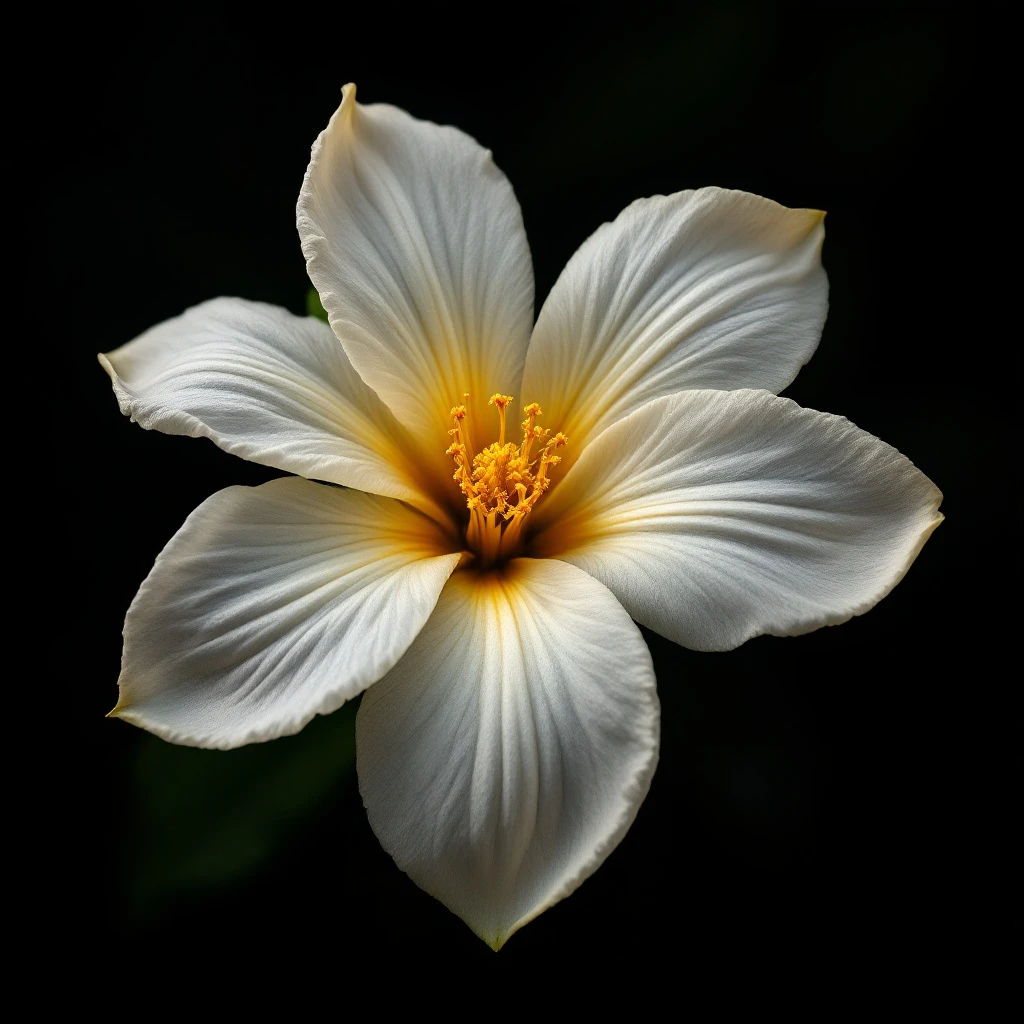
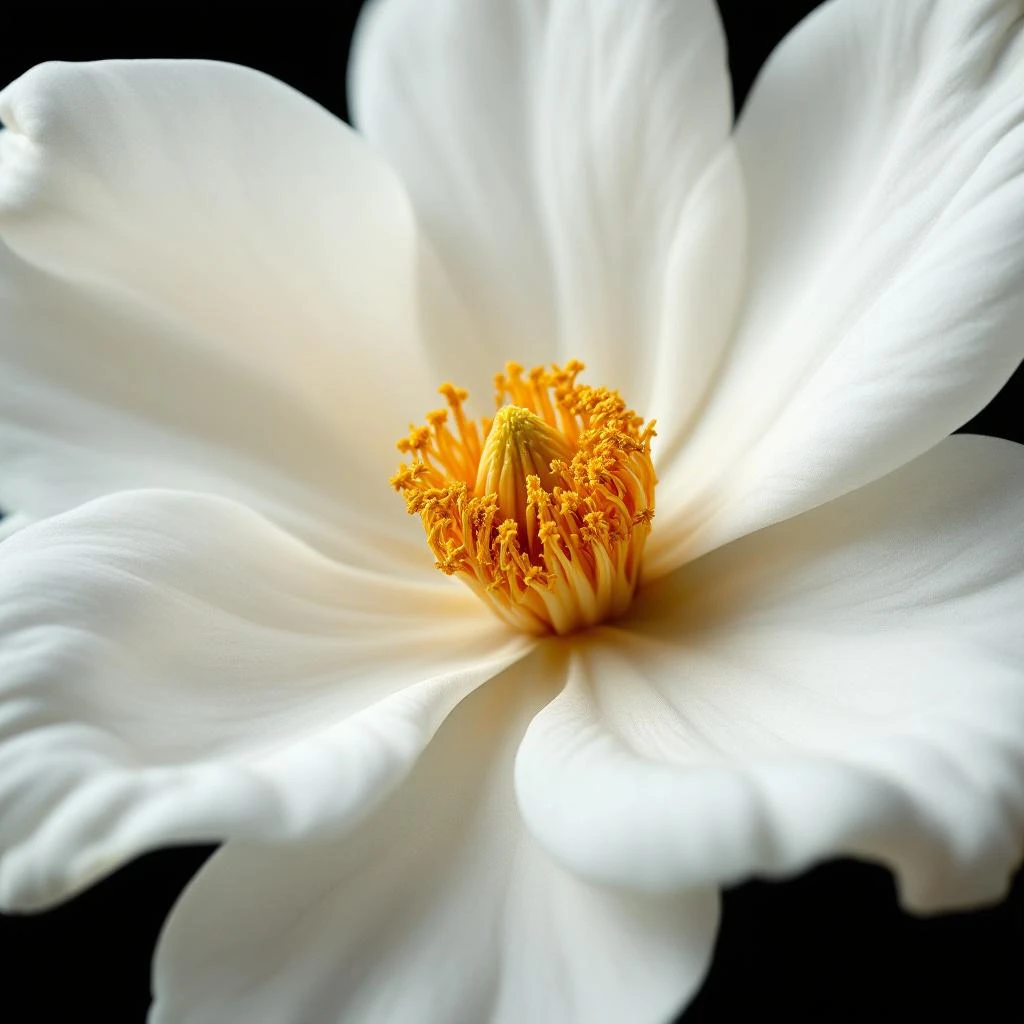
The fleeting white blossom of the Colombian coffee plant. These intensely fragrant flowers bloom briefly once a year, scenting the Andean highlands before giving way to the coffee cherry.
Character
How it smells
Andean's most ephemeral floral treasure
Coffee trees bloom for only 2-3 days each year, making Colombian coffee blossoms one of perfumery's rarest botanical materials.


Origin
Colombia
Coffee arrived in Colombia in the early 1700s, likely carried by Jesuit missionaries traveling from Venezuela. By the mid-19th century, Colombian farmers recognized that the high-altitude volcanic soils of the Andes produced beans with remarkable complexity.
What went largely unnoticed by colonial traders was the intoxicating fragrance released each spring when millions of coffee trees briefly flowered. Local communities had long prized the blossoms for their delicate jasmine-and-honey scent, but commercial fragrance applications remained unexplored until the late 20th century.
Today, Colombia ranks among the top three global coffee producers, and selective harvesting of the blossom crop has become a secondary income stream for high-altitude farms in Huila, Nariño, and Santander departments. The ingredient now appears in niche fragrances seeking green, slightly animalic floralcy with an unmistakable Colombian identity.
Wears it best
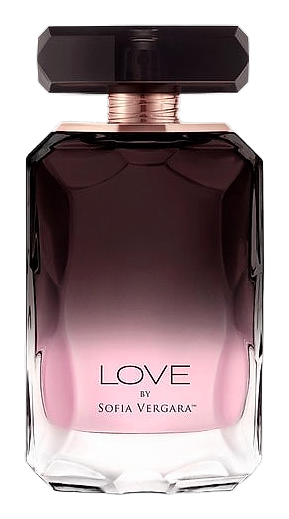
Fragrances featuring Colombian Coffee Blossom
Brands
Brands known for Colombian Coffee Blossom
Good to know
Questions, answered
The essentials on Colombian Coffee Blossom in perfumery: how it smells, where it comes from, and how it behaves on skin.
What does Colombian coffee blossom smell like?
It carries a delicate jasmine-like sweetness with honeyed undertones and a faint green freshness. The scent is airy, fleeting, and slightly powdery, unlike the roasted warmth of the coffee bean.
Is coffee blossom used as frequently as coffee absolute in perfumery?
No, coffee blossom remains rare. Unlike coffee absolute, which is widely available from roasted beans, the blossom's short blooming window makes consistent sourcing difficult and expensive.
Can synthetic coffee blossom fragrance replicate the natural scent?
Partially. Headspace technology allows chemists to map and reconstruct the blossom's profile, but natural extracts retain a subtle complexity that synthetics struggle to fully reproduce.
What type of extraction is used for coffee blossoms?
Headspace capture is the primary method. It suspends enclosures over living flowers in the field, trapping volatile molecules without damaging the plant or requiring solvents.
Where are Colombian coffee blossoms harvested?
High-altitude regions including Huila, Nariño, and Santander. These areas sit above 1,500 meters, where cooler temperatures slow cherry development and concentrate floral volatile compounds.
How long do coffee blossoms bloom?
Each flower lasts 2-3 days maximum. The entire plantation blooms briefly once yearly, typically aligning with the first rainy season, giving harvesters a narrow window.
Does coffee blossom appear in mainstream or niche fragrances?
Almost exclusively niche fragrances. The ingredient suits artisanal and indie perfumery brands that value rare botanicals over cost-effective synthetic alternatives.
Is coffee blossom considered a sustainable ingredient?
Yes, when sourced through headspace methods. No plant material is harvested, and blossom collection provides supplemental income for coffee farmers without disrupting bean production.




