Cointreau
Cointreau brings a refined citrus elegance to perfumery—a marriage of sweet and bitter orange that captures the vibrant soul of the French liqueur in an aromatic form.
Character
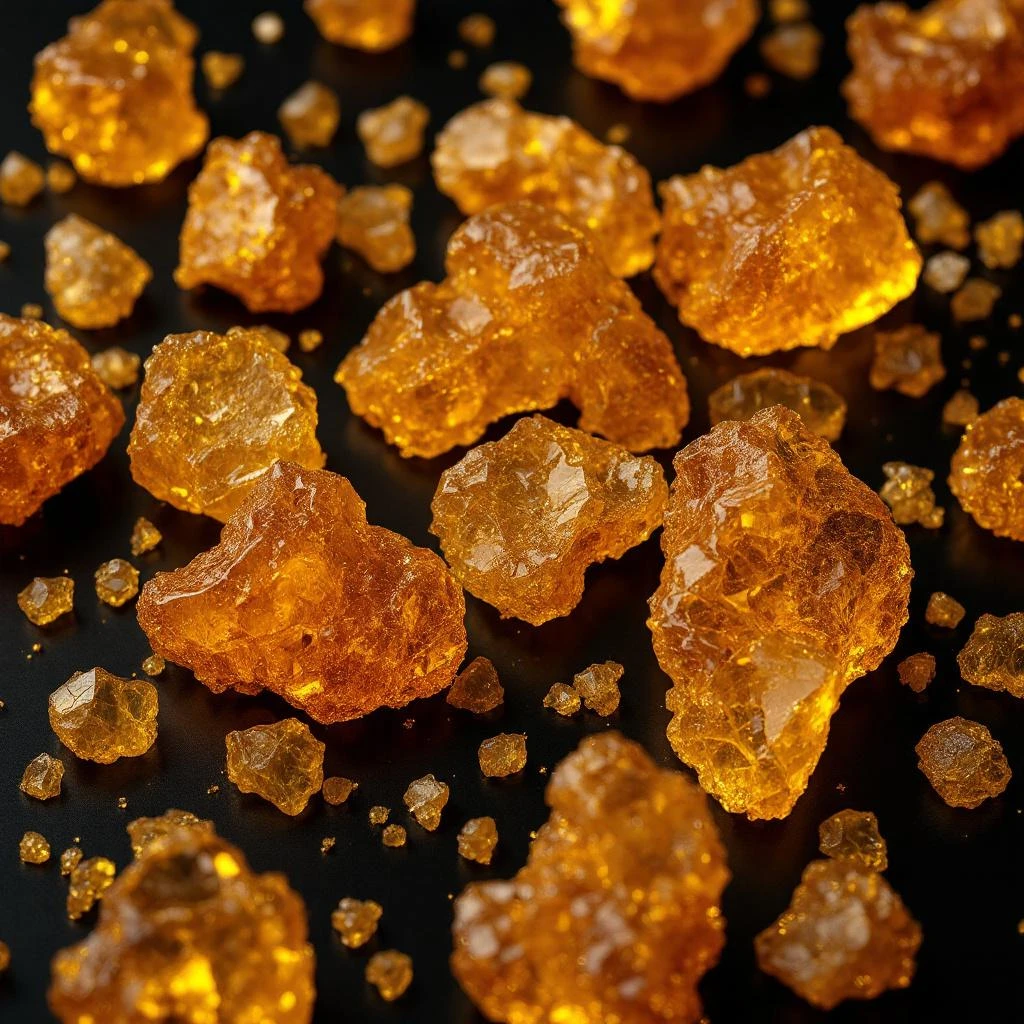
How it smells
The sophisticated orange essence from a legendary French liqueur.
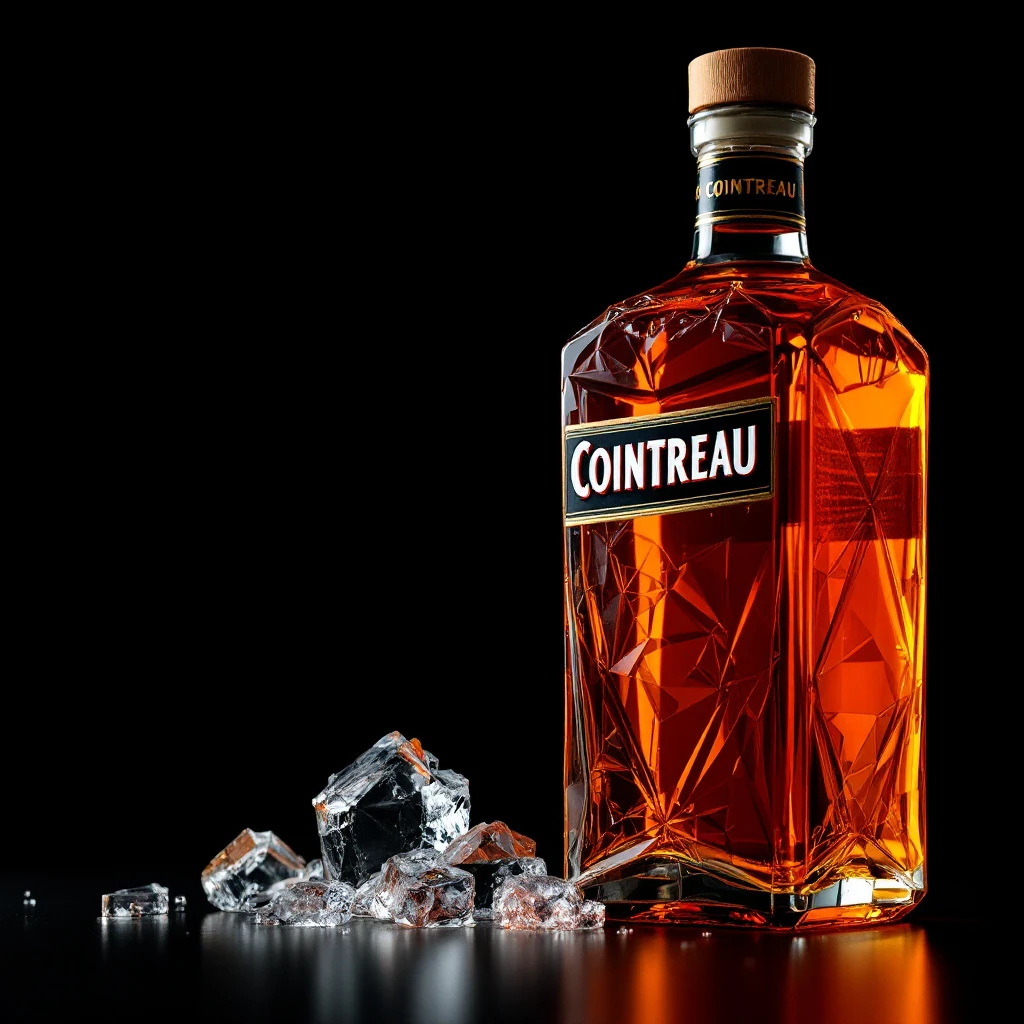
The Cointreau distillery in Angers, France, has operated continuously since 1849 using the same aromatic formula that Edouard Cointreau created.






Origin
France
Cointreau traces its origins to 1849 when Edouard Cointreau opened a confectionery and distillery in Angers, France. His passion for aromatic excellence led him to develop a liqueur that combined sweet and bitter orange peels—a formula that quickly gained recognition for its purity and intensity.
The brand gained international prominence during the late 19th and early 20th centuries as French liqueurs became symbols of refinement across Europe and beyond. By the 1870s, Cointreau had established itself as an essential ingredient in elite bars and households worldwide.
In perfumery, Cointreau's influence emerged from perfumers' appreciation of orange aromatics. The French luxury fragrance industry, centered in Grasse, began incorporating Cointreau-inspired notes to achieve complex citrus profiles that captured the liqueur's sophisticated character. Today, Cointreau continues to inspire perfumers who seek to translate its distinctive orange elegance into fragrance compositions.
Wears it best
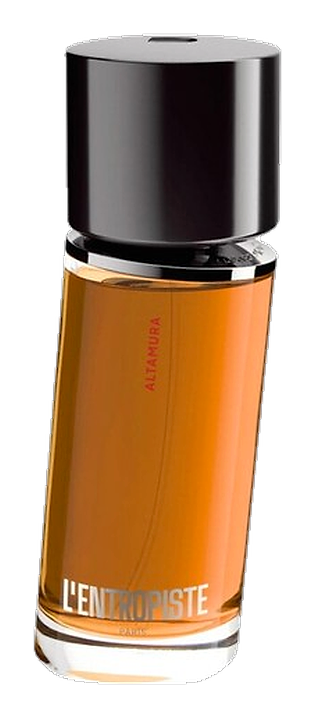
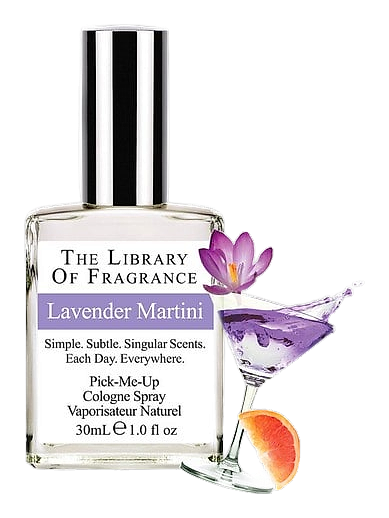
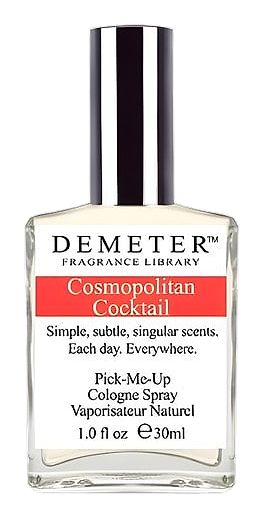
Fragrances featuring Cointreau
Brands
Brands known for Cointreau
Good to know
Questions, answered
The essentials on Cointreau in perfumery: how it smells, where it comes from, and how it behaves on skin.
Is Cointreau actually used in perfume formulations?
Cointreau itself is rarely used directly in perfume due to its alcohol content. Perfumers instead work with orange essential oils and aromatic compounds that recreate the liqueur's signature orange-peel character.
What gives Cointreau its distinctive orange aroma?
The aroma comes primarily from sweet orange and bitter Curaçao orange peels. These contain limonene as the dominant compound, along with linalool and citral for brighter citrus notes.
Can synthetic materials replace Cointreau-inspired orange in fragrance?
Synthetic orange aromatics like decanal and octanal can approximate certain orange characteristics, but natural orange peel oil captures the full complexity of Cointreau's aromatic profile.
Which fragrance families commonly use Cointreau-inspired notes?
Citrus, oriental, and fresh fougère fragrances most frequently incorporate orange-peel elements inspired by Cointreau. The material adds brightness and sophisticated citrus character.
Does Cointreau contain any allergens relevant to perfumery?
Orange peel oil contains d-limonene and linalool, both recognized as potential allergens that require declaration on perfume packaging in the EU.
How does Cointreau differ from triple sec in fragrance applications?
Traditional triple sec has higher sugar content and more pronounced sweet orange character. Cointreau's balanced profile includes distinctive bitter notes that provide greater aromatic depth.
What extraction technique captures Cointreau's orange character most effectively?
Cold pressing of fresh orange peel yields essential oil that most closely mirrors Cointreau's aromatic profile. Steam distillation produces a different, more floral orange character.
Is orange blossom the same as Cointreau-inspired orange in perfumery?
No. Orange blossom (neroli) comes from flowers of the bitter orange tree and provides a floral, slightly bitter character. Cointreau-inspired notes derive from the fruit peel and deliver bright, zesty citrus.