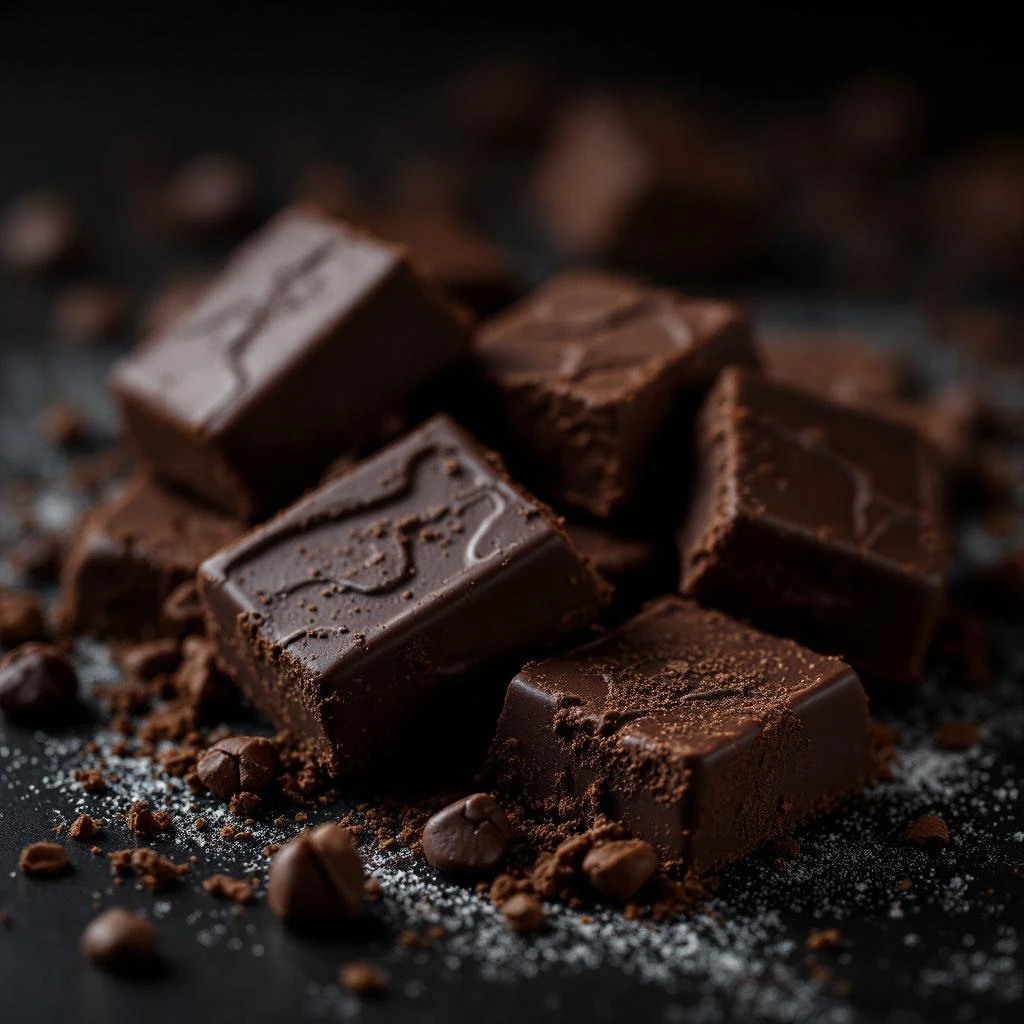
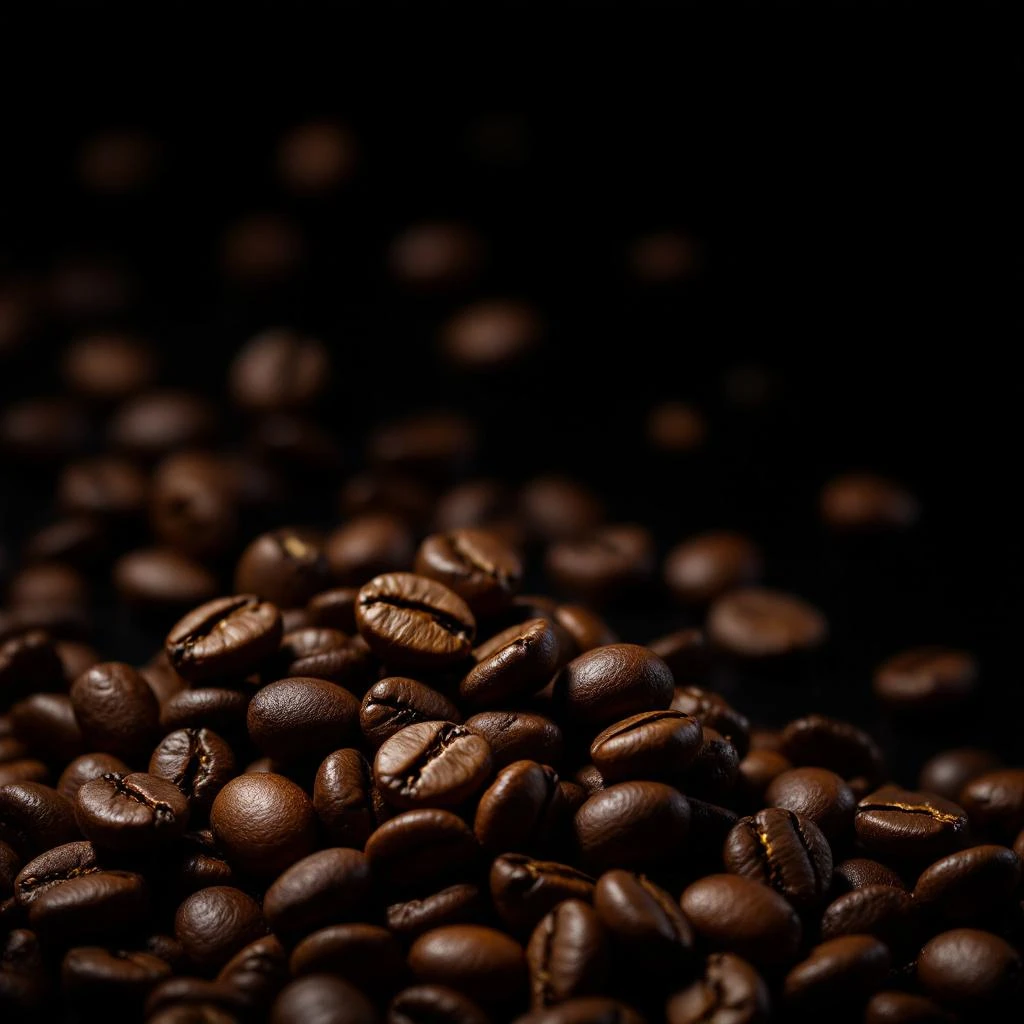
Coffee Tincture
Coffee tincture is a perfumery extract made by macerating roasted beans in ethanol, capturing the ingredient's full aromatic complexity in a format ready for fragrance composition.
Character
How it smells
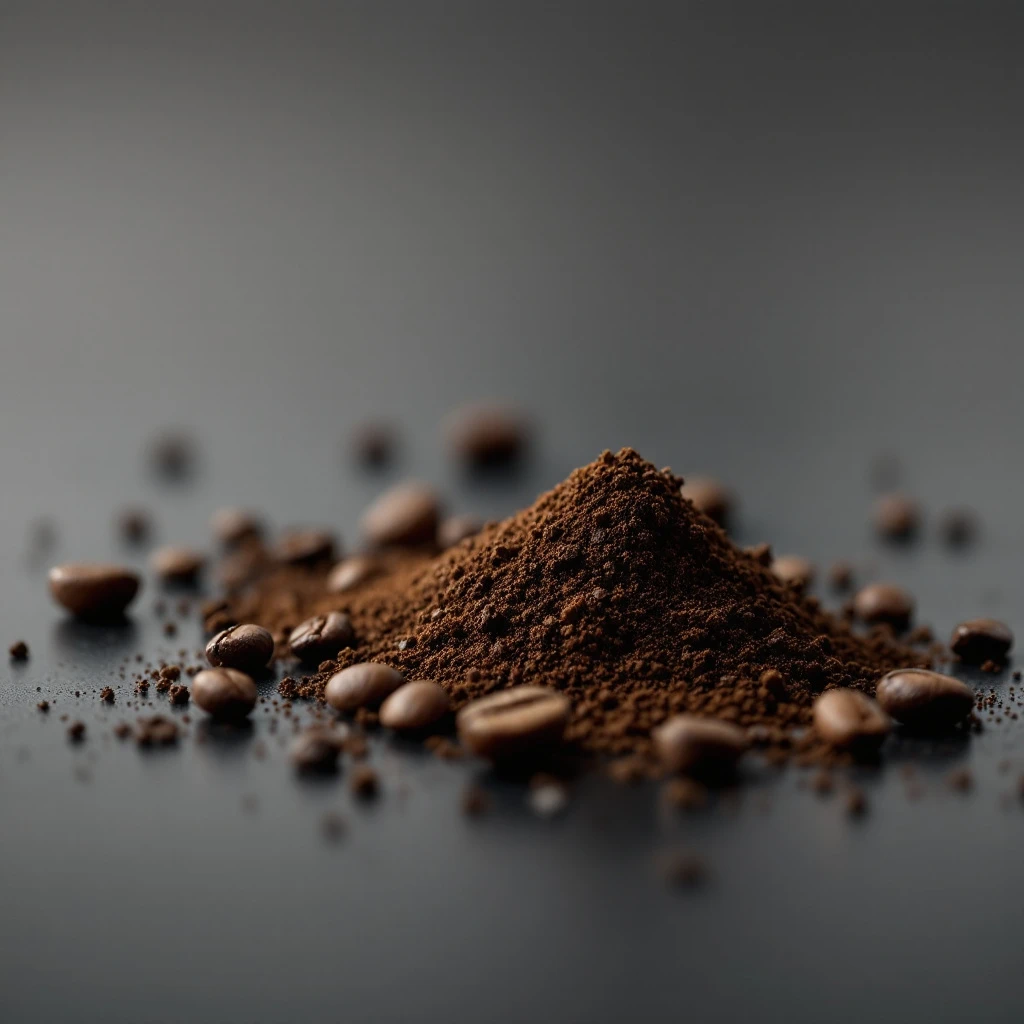
The warm, smoky soul of roasted beans preserved in alcohol.
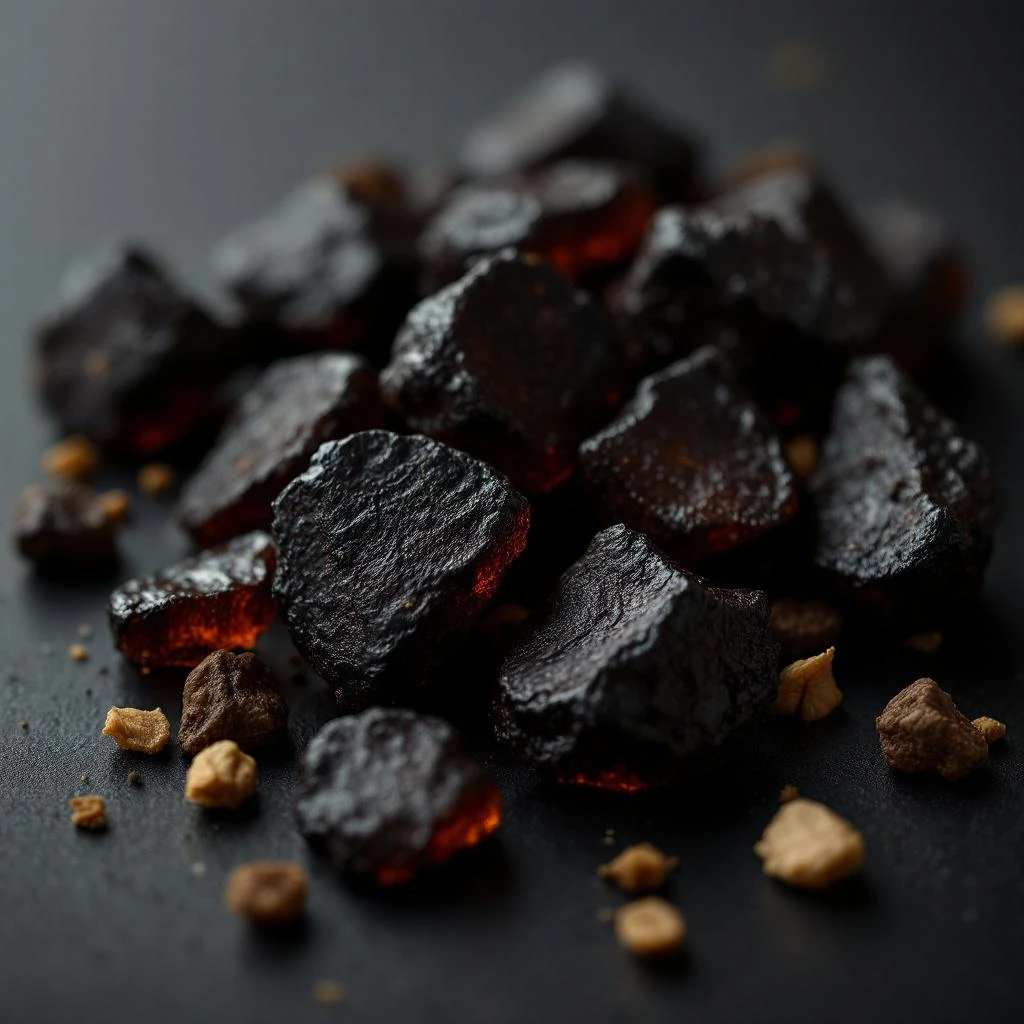
Coffee tincture smells nothing like your morning brew—it evokes raw, slightly bitter green coffee with a faint sweetness underneath.





Origin
Ethiopia
Coffee tincture arrived in perfumery through the tincturing traditions that shaped Western fragrance making from the 18th century onward. During this period, perfumers regularly prepared tinctures from botanicals—vanilla, ambergris, tonka bean—borrowing techniques from apothecaries and herbalists who had long used alcohol to extract medicinal compounds from plants. Coffee itself traces to Ethiopia, where Coffea arabica has grown wild for centuries.
By the 1600s, the beverage had spread across the Ottoman Empire and into Europe, becoming a global commodity. Perfumers in France and Italy, the centers of 18th and 19th century fragrance making, were among the first to experiment with coffee as a perfumery ingredient. They macerated raw or lightly roasted beans in high-proof alcohol, applying the same logic they used for other aromatic materials.
This practice created a distinct perfumery ingredient whose warm, bitter, slightly sweet character found a natural home in orientals, leather accords, and chypre compositions. The method endures today among artisan perfumers who prefer tinctures for their authenticity and subtlety.
Wears it best
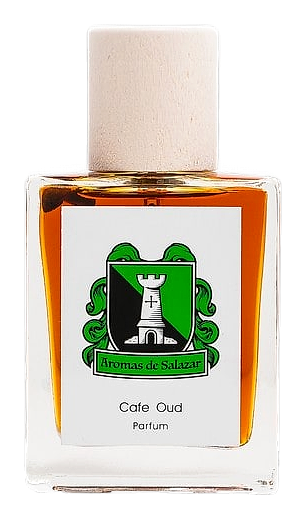
Fragrances featuring Coffee Tincture
Brands
Brands known for Coffee Tincture
Good to know
Questions, answered
The essentials on Coffee Tincture in perfumery: how it smells, where it comes from, and how it behaves on skin.
What is coffee tincture in perfumery?
Coffee tincture is an ethanol extract made by macerating roasted coffee beans for an extended period. The liquid captures the beans' aromatic compounds in a form that blends directly into fragrance oils. It differs from absolutes or essential oils because the cold extraction preserves a broader, more nuanced scent profile.
How is coffee tincture made?
Perfumers soak roasted, ground coffee beans in high-proof ethanol for several weeks to months. The alcohol dissolves the beans' volatile aromatic molecules. After filtration, the amber liquid is typically diluted to a usable concentration. No heat is involved, which helps preserve delicate compounds.
Does coffee tincture smell like brewed coffee?
No. The tincture smells like raw, unroasted coffee—earthy, faintly sweet, and bitter with green and woody undertones. Brewed coffee's aroma comes from roasting byproducts like furans and diketones that don't survive the tincturing process in the same way.
What fragrance families use coffee tincture?
Coffee tincture appears most often in oriental fragrances, leather accord, and chypre compositions. It adds depth and warmth as a supporting note. Some niche and artisan perfumers also feature it as a focal ingredient in unisex and masculine scents.
What does coffee tincture smell like?
The scent is warm, roasted, and bittersweet with underlying earthiness. A faint sweetness and nuttiness balance the bitterness. Think of the smell of a coffee roastery before brewing—darker and more complex than a cup of espresso.
How is coffee tincture different from coffee absolute?
Coffee absolute is produced through solvent extraction, yielding a highly concentrated, thick material. Coffee tincture uses ethanol maceration and produces a lighter liquid. Tinctures capture a different molecular range and integrate more easily into alcohol-based fragrance bases.
When did perfumers start using coffee tincture?
Tincturing became a standard perfumery technique during the 18th and 19th centuries. Perfumers working in France and Italy adapted apothecary methods, applying them to ingredients like coffee as the beverage's popularity spread across Europe.
Where does the coffee used in perfumery come from?
Most perfumery-grade coffee originates from Coffea arabica and Coffea canephora plants grown in tropical regions. Ethiopia remains the primary source for Arabica varieties, where the plant has been cultivated for centuries.