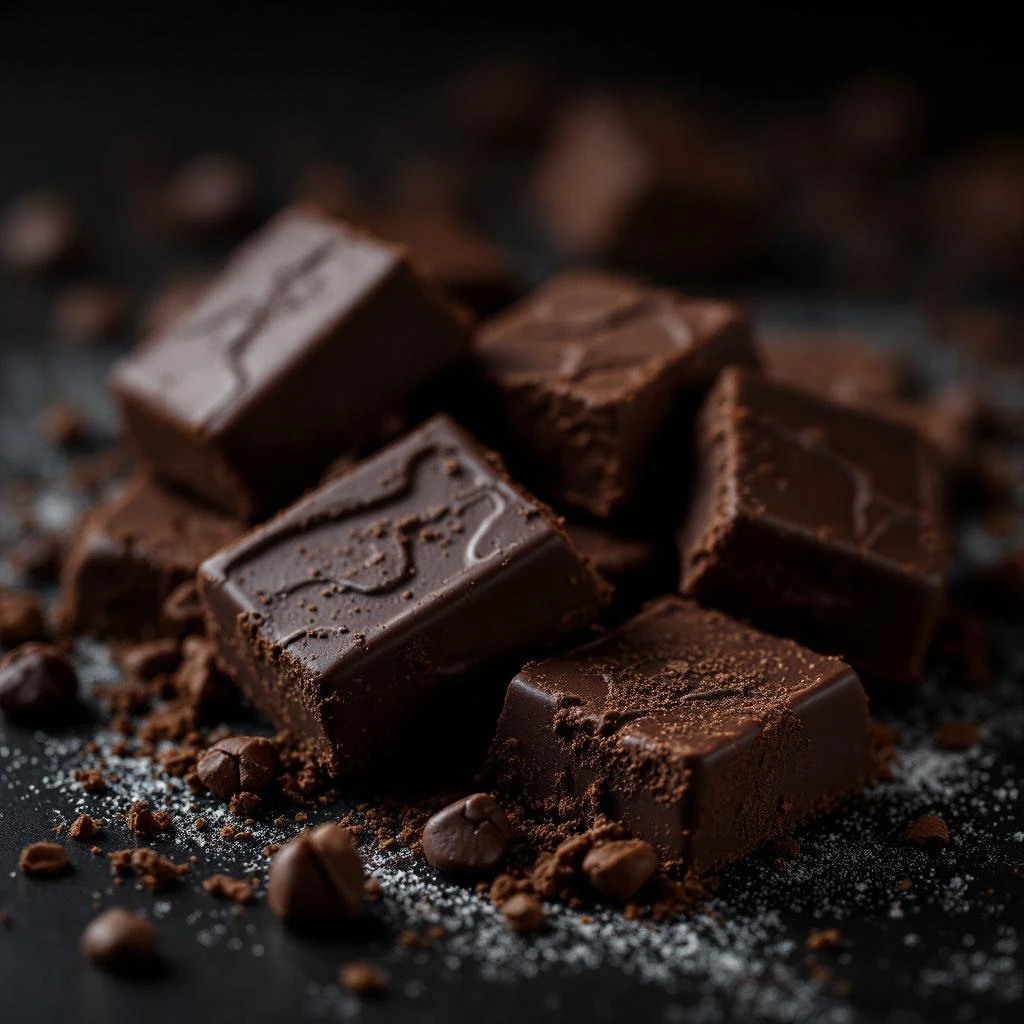
Coconut Praliné
Coconut Praliné blends sun-warmed coconut cream with caramelized nut sweetness, a gourmand accord built for warmth without weight. It recalls toasted confections and tropical indulgence in a single breath.
Character
How it smells
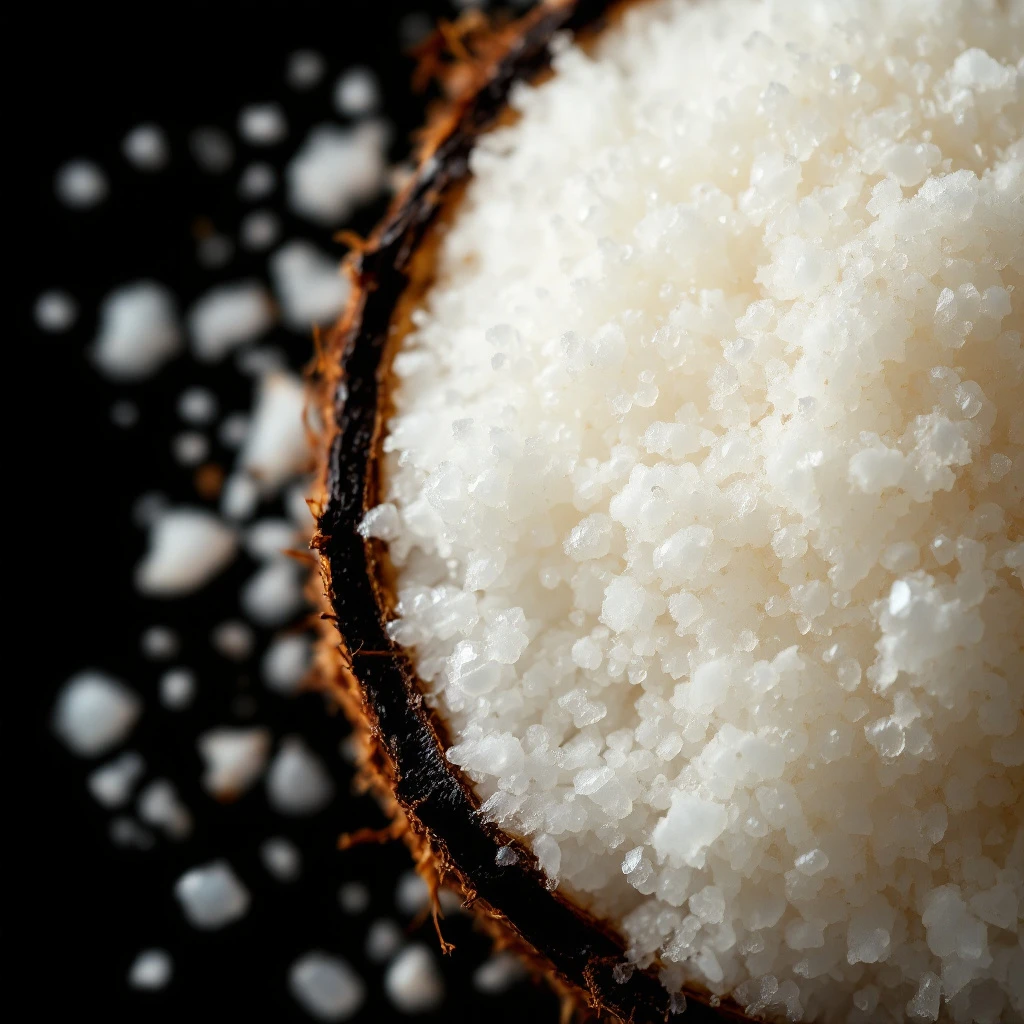
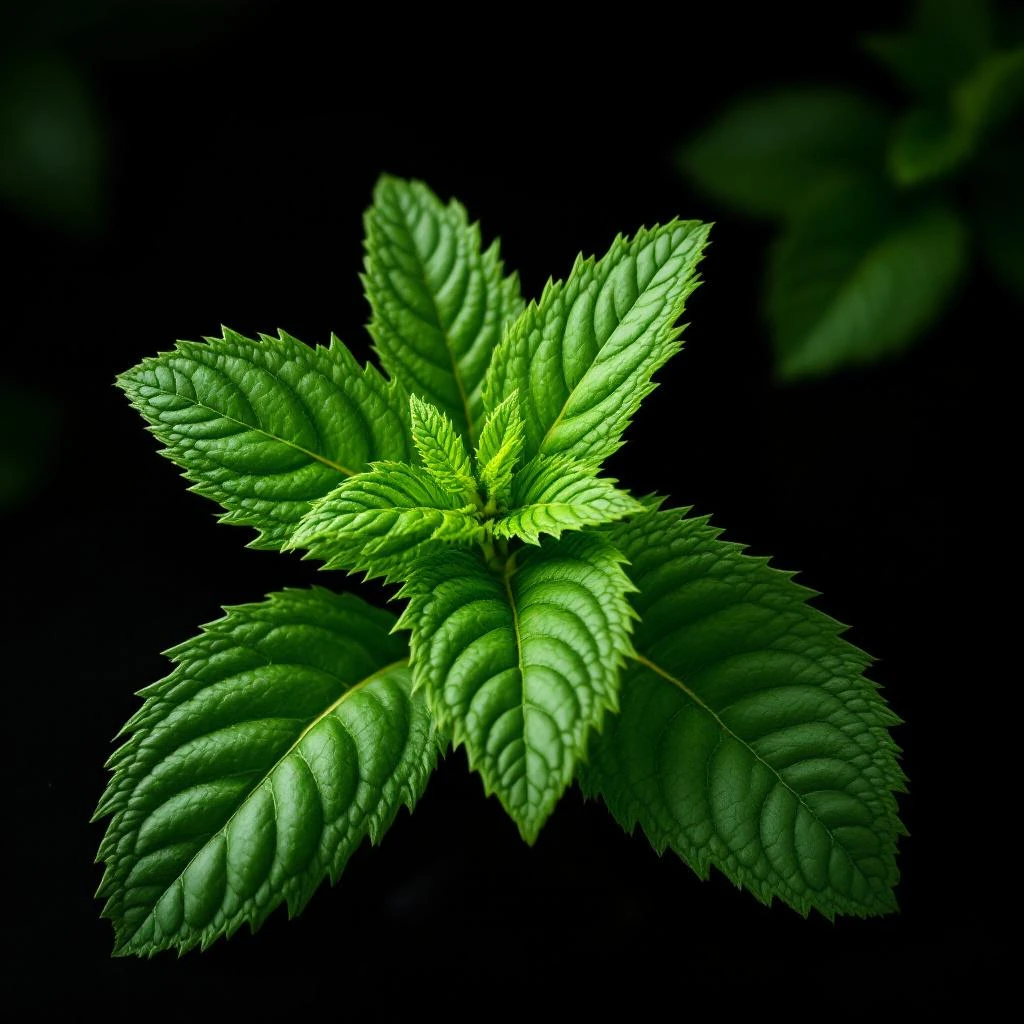
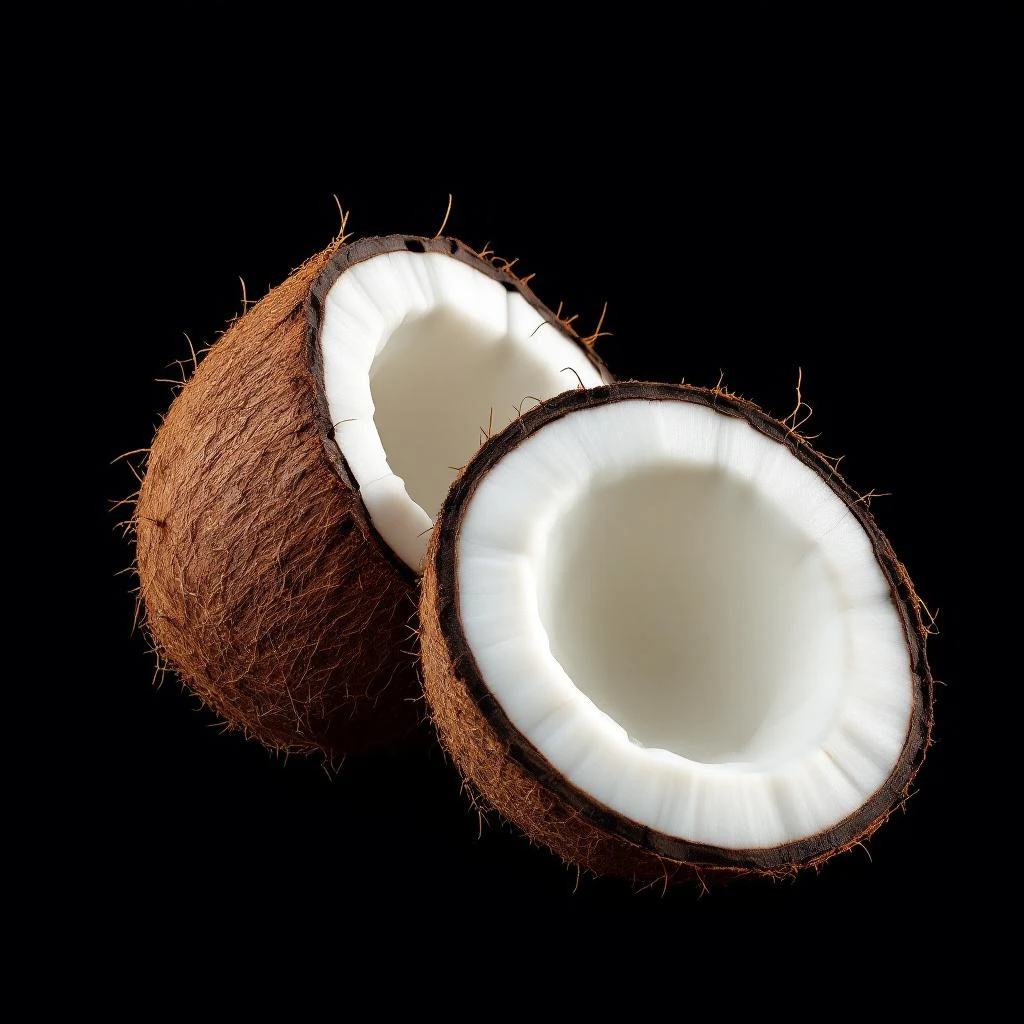
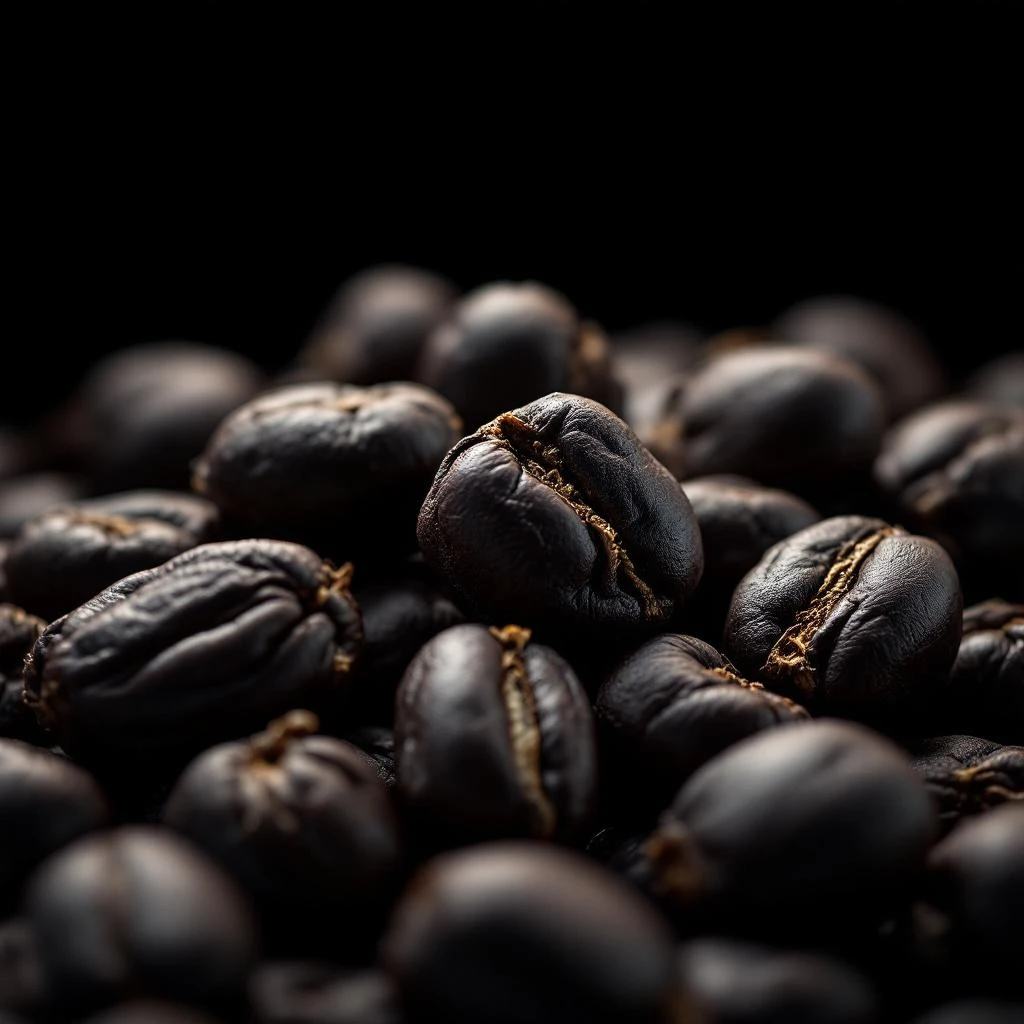
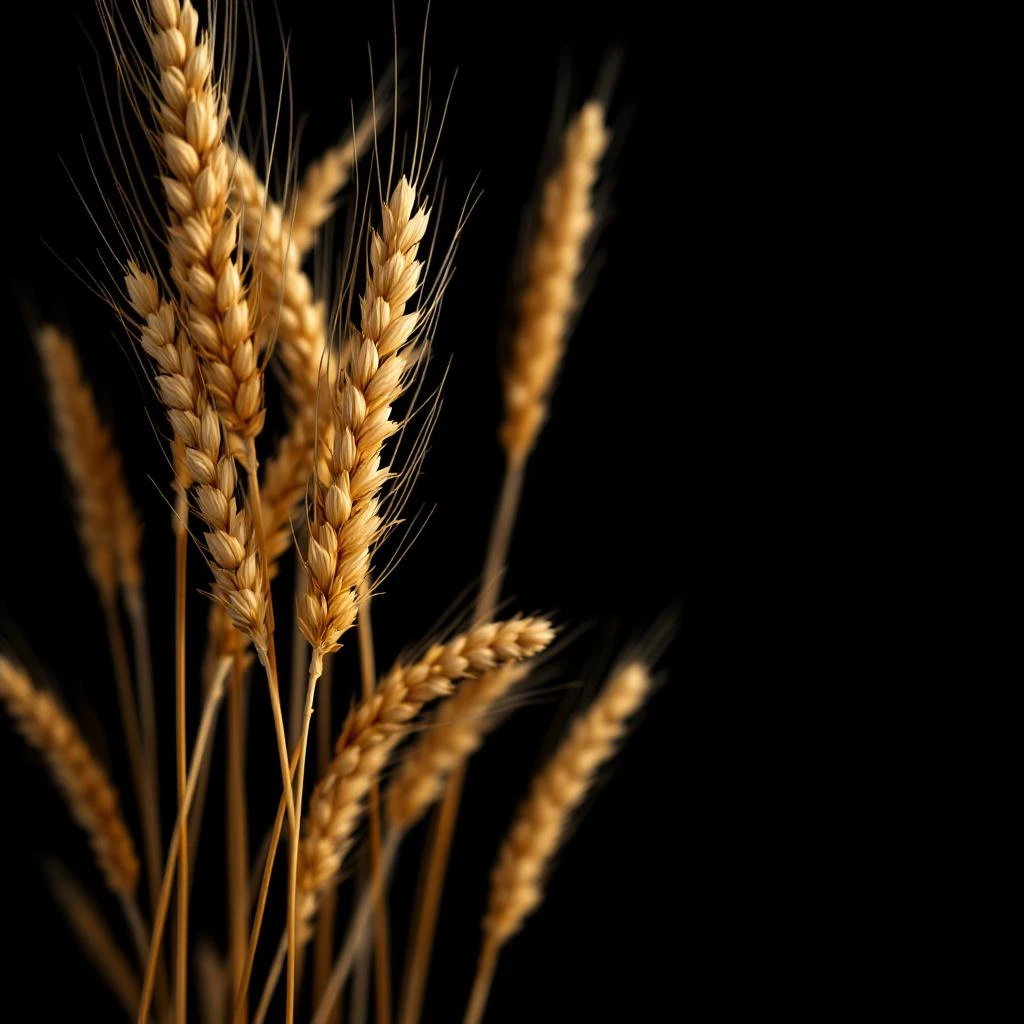
Toasted coconut meets caramelized crunch
Coconut notes in perfumery often rely on gamma-nonalactone, a molecule discovered in 1995 and first featured in Estée Lauder's Pleasures.

Origin
France
Praline confectionery traces back to 17th century France, where Chef Clément Lassagne, kitchen marshal to the Duke of Praslin, first coated almonds in caramelized sugar. The treat crossed European borders and became synonymous with nutty sweetness in patisserie. Coconut, meanwhile, carried a different lineage: Pacific islanders and South Asian cultures had pressed oil from dried coconut meat, known as copra, for millennia.
The two ingredients never met in classical French perfumery. Modern gourmand perfumery changed that. When synthetic coconut aldehydes became commercially viable in the late 20th century, perfumers began experimenting with edible-smelling accords.
The coconut-praliné combination emerged as houses sought tropical warmth paired with confectionery comfort, a move that aligned with the broader gourmand movement pioneered by Thierry Mugler's Angel in 1992. Today the accord signals indulgence without heaviness, anchoring countless tropical and beachy compositions.
Wears it best
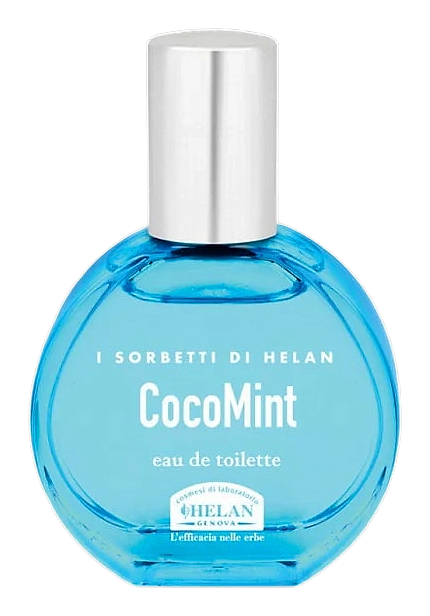
Fragrances featuring Coconut Praliné
Brands
Brands known for Coconut Praliné
Good to know
Questions, answered
The essentials on Coconut Praliné in perfumery: how it smells, where it comes from, and how it behaves on skin.
What does Coconut Praliné smell like?
It smells like creamy coconut flesh wrapped in caramelized nuts and brown sugar. The accord combines tropical lactones with roasted, sweet facets, evoking toasted confections rather than fresh beach coconut.
Is Coconut Praliné a natural or synthetic note?
It is typically a hybrid accord. Perfumers combine coconut-derived lactones like gamma-nonalactone with synthetic caramel and nut molecules, sometimes anchoring the blend with CO2-extracted roasted nut oil.
When was Coconut Praliné first used in perfumery?
The coconut-praliné combination gained popularity in the early 2000s as the gourmand movement expanded beyond chocolate and coffee, though coconut aldehydes entered mainstream perfumery around 1995.
What fragrance families does Coconut Praliné belong to?
It sits within the gourmand family, often bridging oriental and tropical subcategories. Its sweetness pairs naturally with amber, vanilla, and solar accords in summer and beach-themed compositions.
Is Coconut Praliné a summer-only note?
No. While it reads as tropical, the roasted praliné facets give it year-round versatility, working well in autumnal gourmands and winter-oriental compositions alongside spices and resins.
Which perfumes feature Coconut Praliné?
Many tropical and gourmand launches from the 2010s onward incorporate coconut-praliné accords, though perfumers rarely list them as discrete notes. The combination appears in beach-themed flankers and sun-drenched orientals.
Does Coconut Praliné contain actual coconut?
Rarely in perfumery. Most coconut notes derive from synthetic lactones like gamma-nonalactone, discovered in 1995, since natural coconut oil lacks the aromatic intensity required for fragrance compositions.
What ingredients pair well with Coconut Praliné?
Vanilla, sandalwood, tonka bean, and solar notes like bergamot complement it beautifully. Salt accords and white florals also amplify its tropical character without overwhelming the roasted sweetness.